

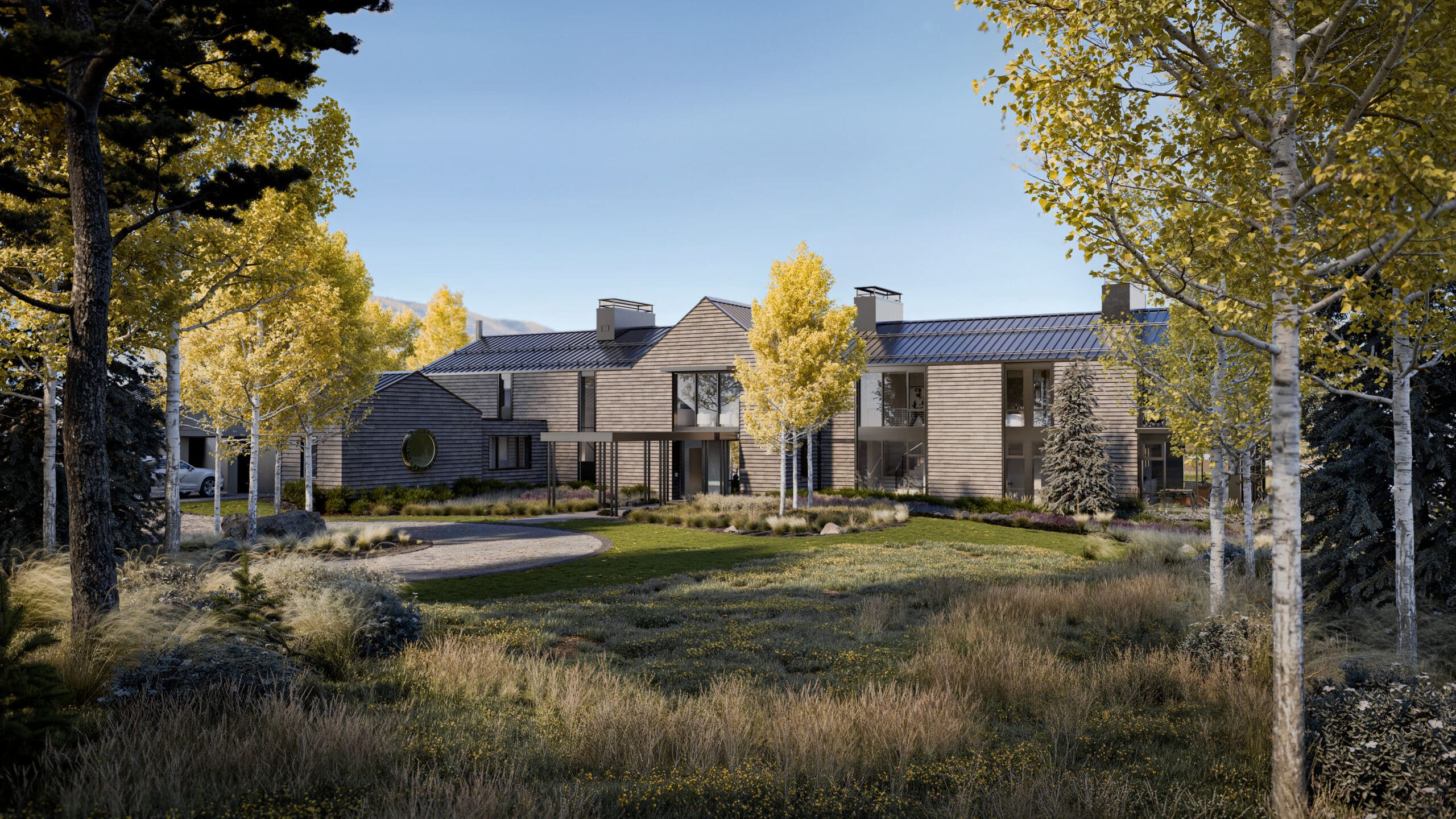
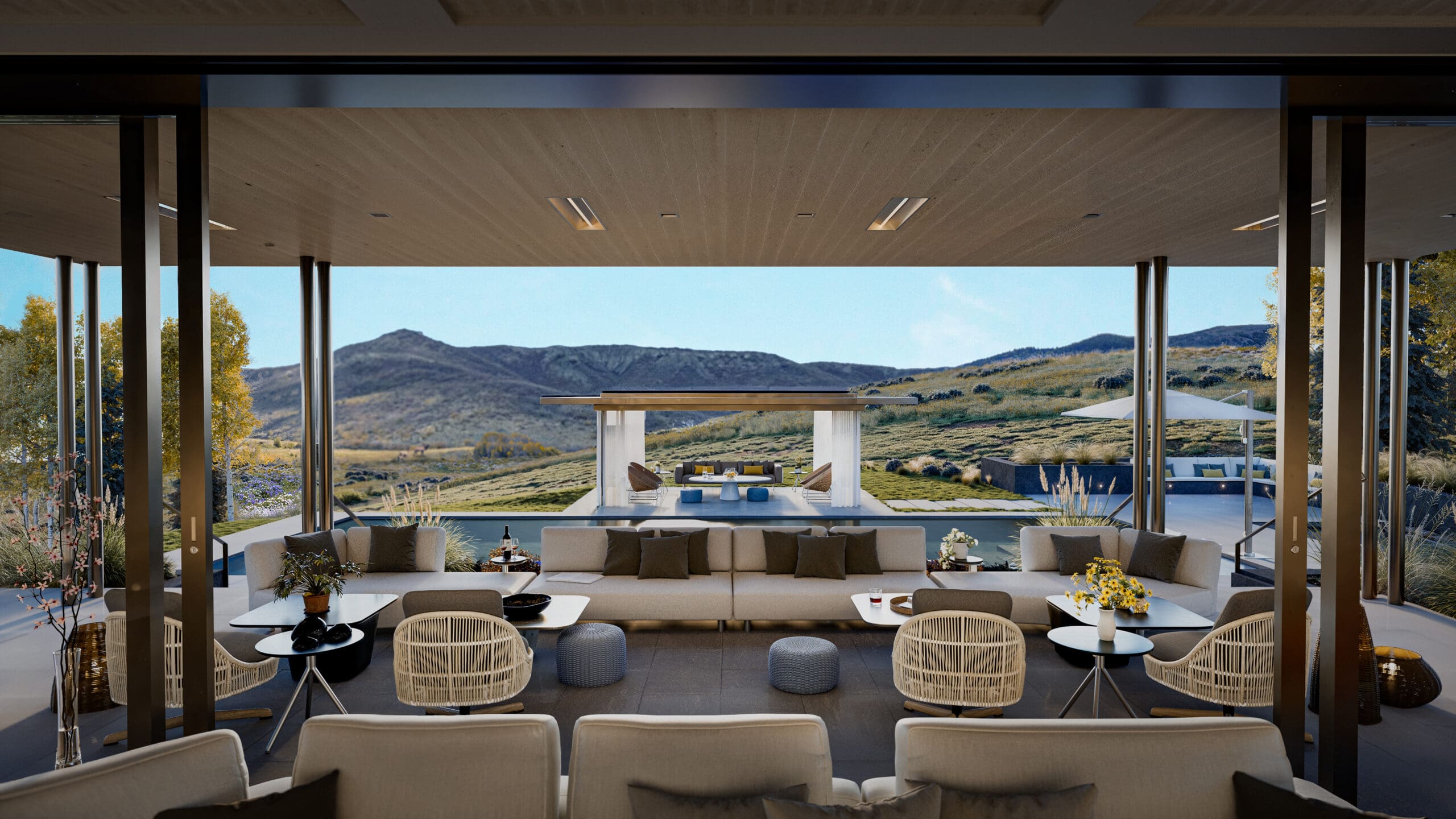
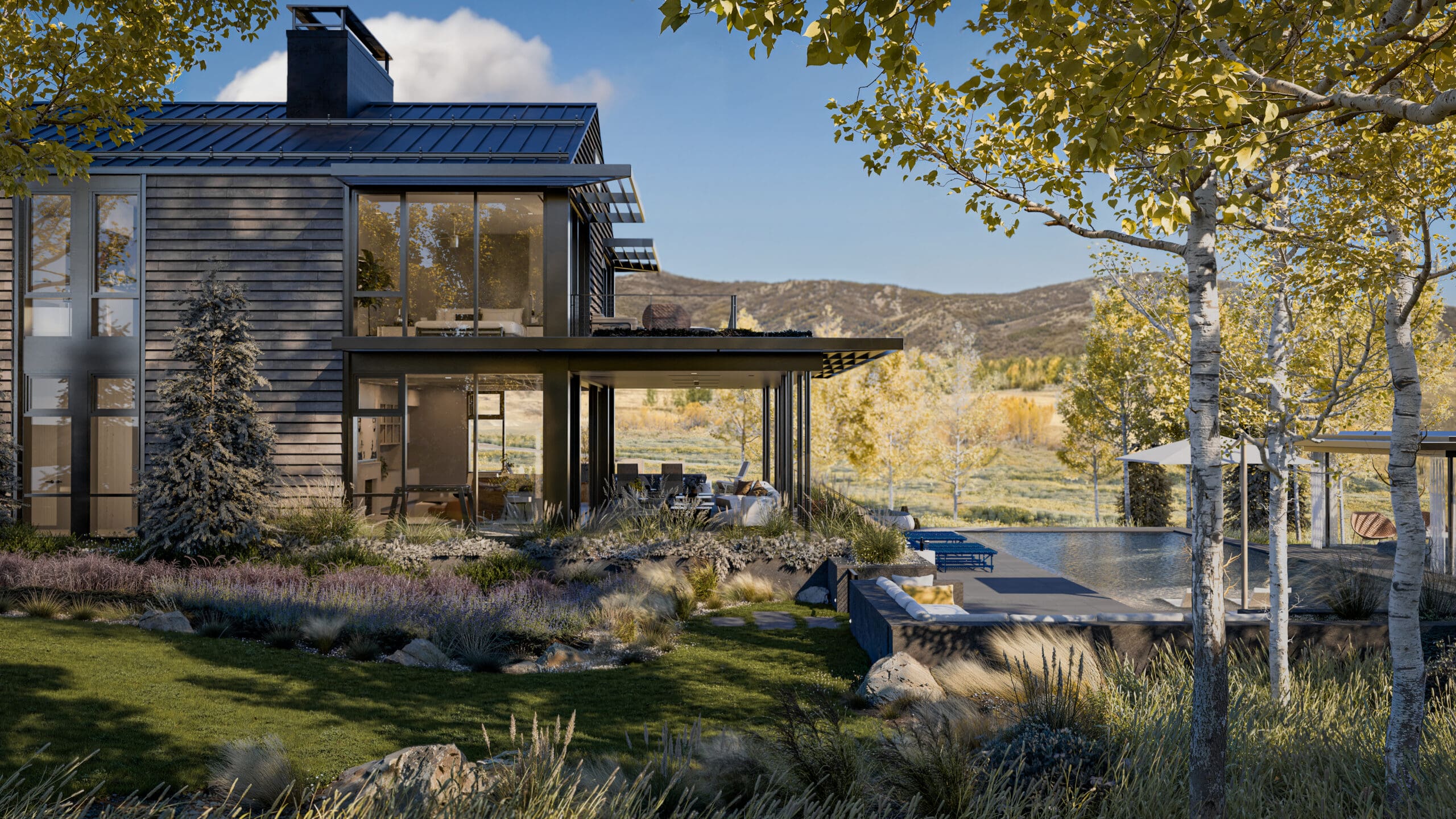
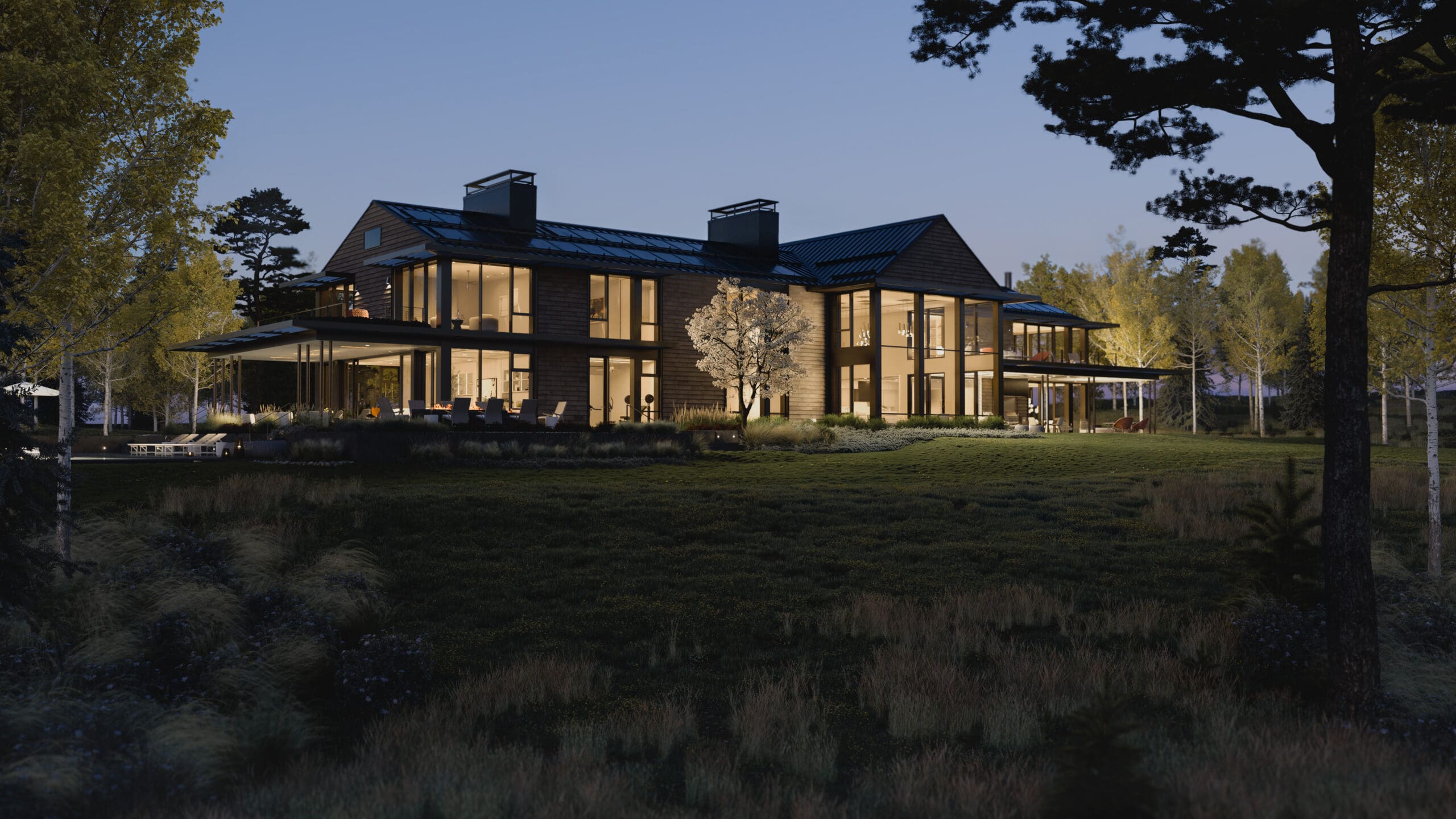
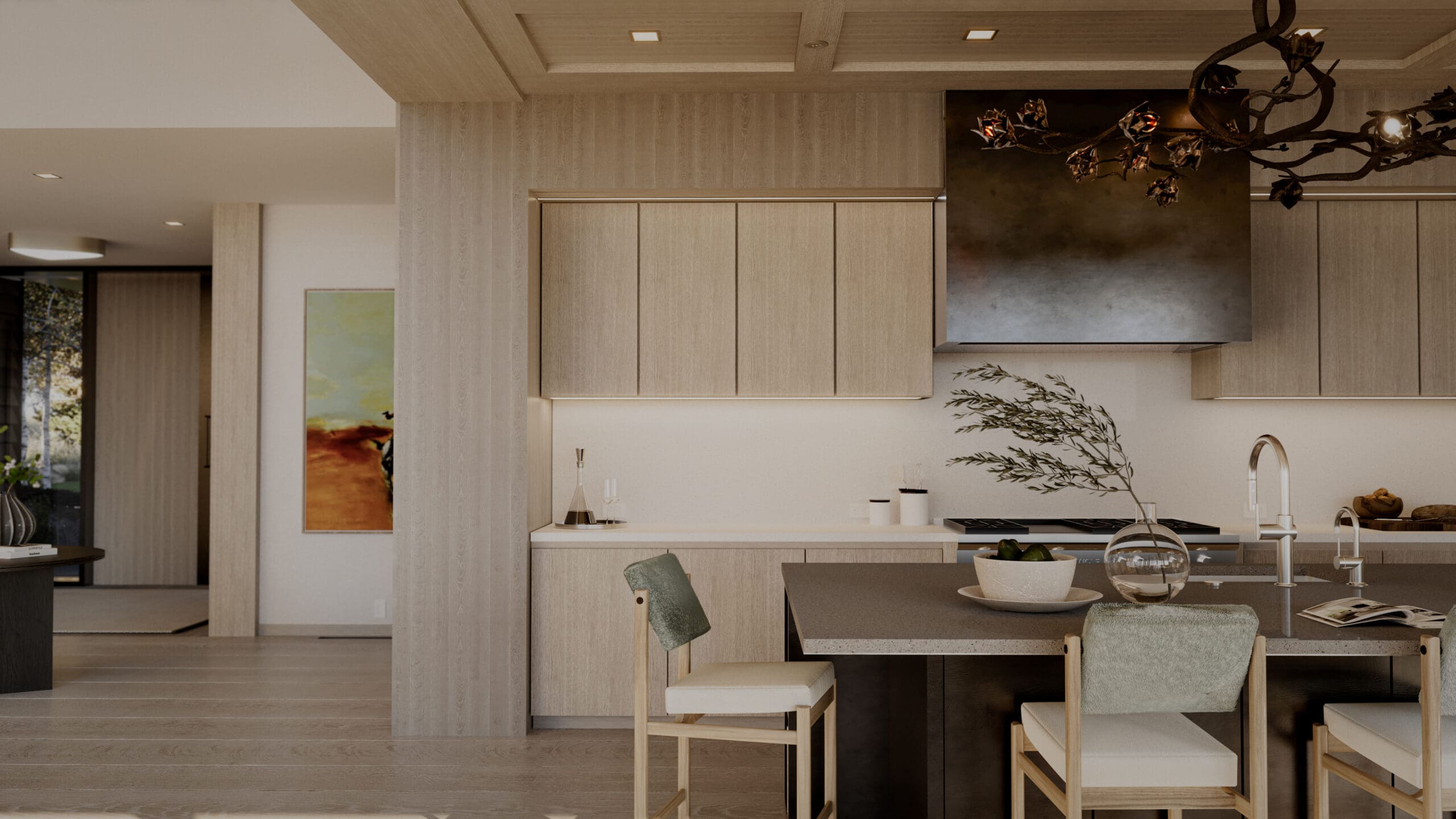
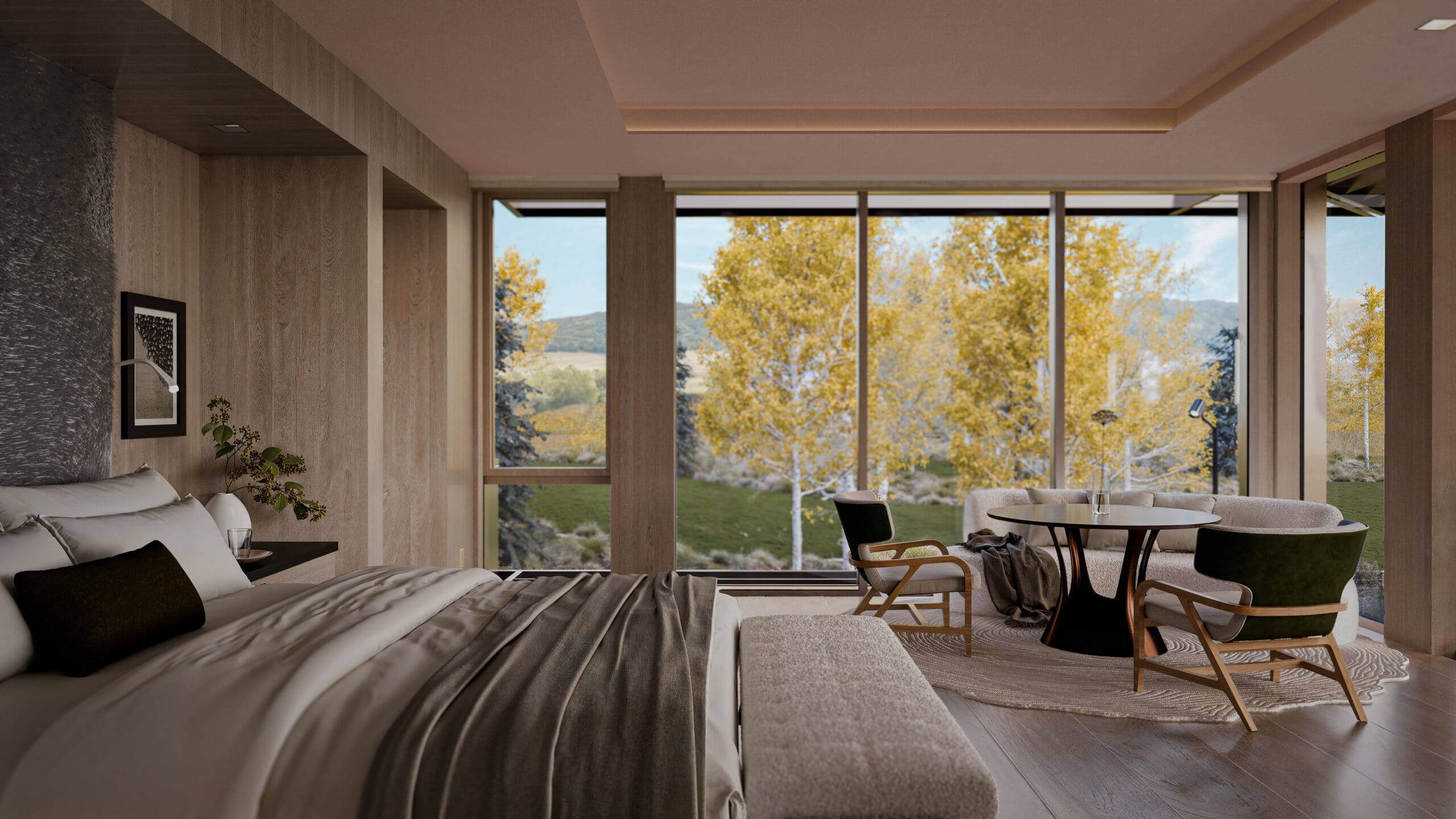
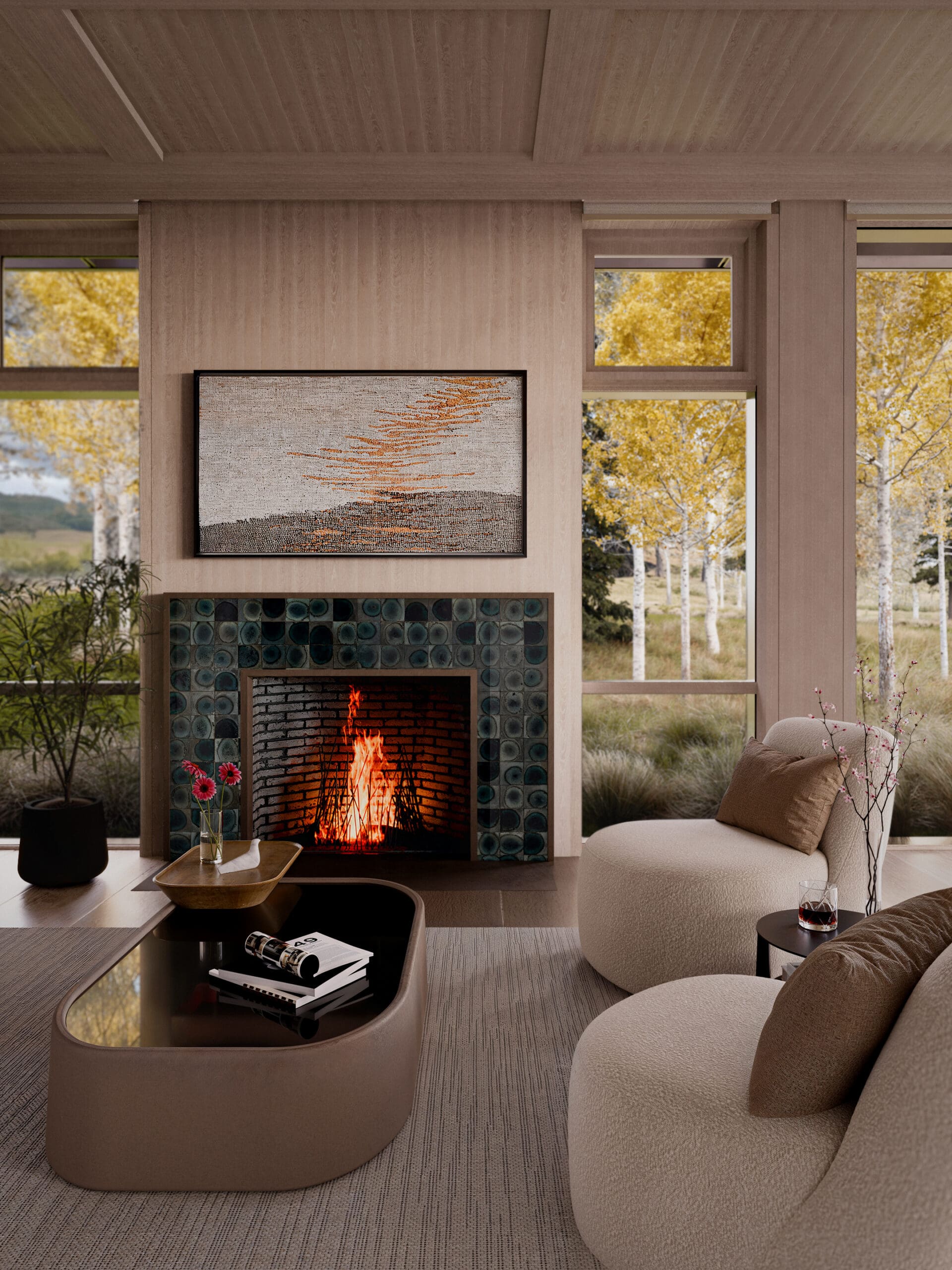
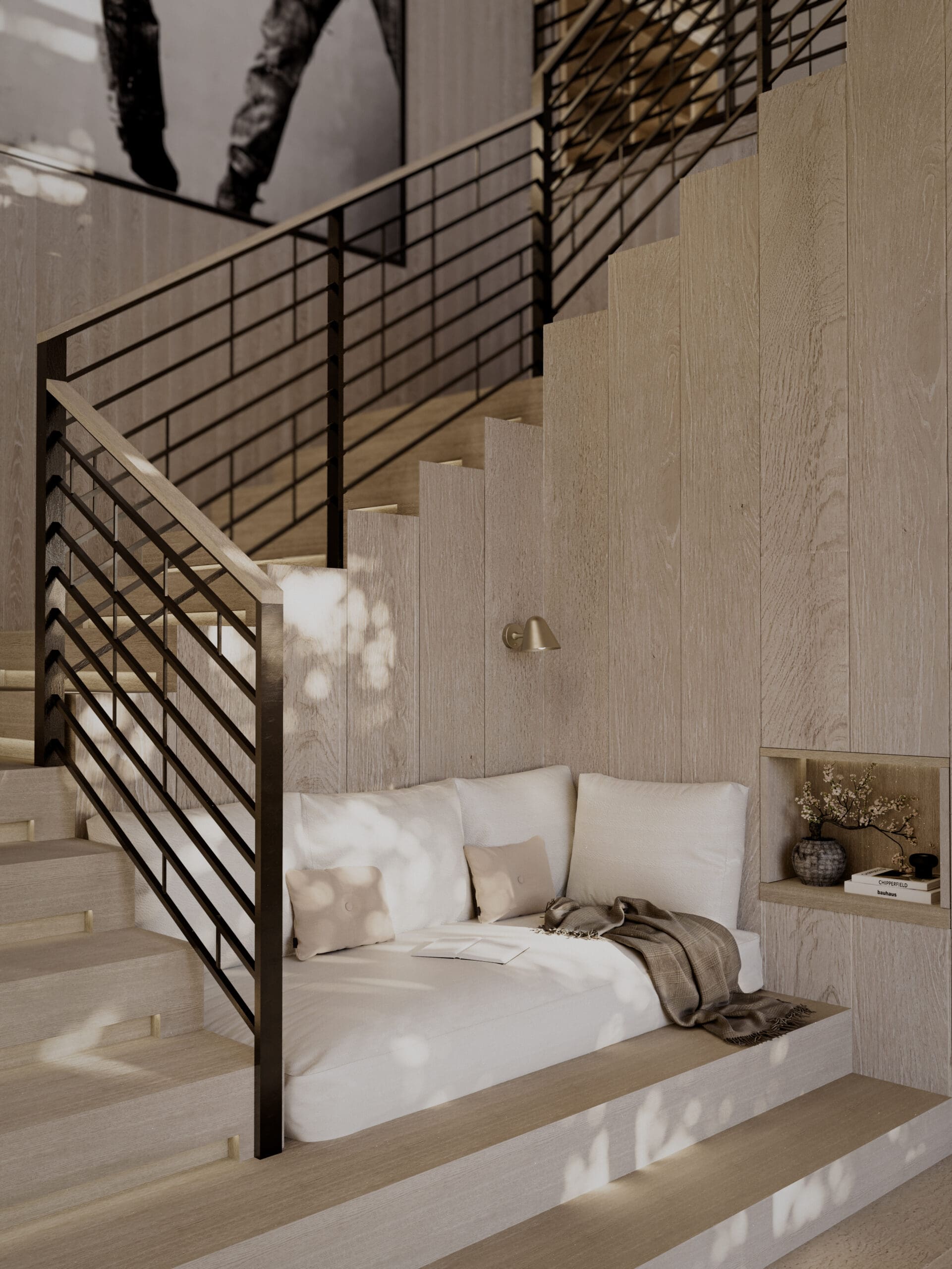
This estate residence, sited on a twenty-eight-acre property and nestled in a sage-covered meadow with spectacular views of Colorado’s Mount Daly, replaced an outmoded 1980s home with nine level changes. Its creation reflected a central challenge of R+B’s residential practice: designing multivalent homes, at a grand scale reflective of and appropriate to their settings, that remain deeply personal to their inhabitants, and entirely reflective of their values.
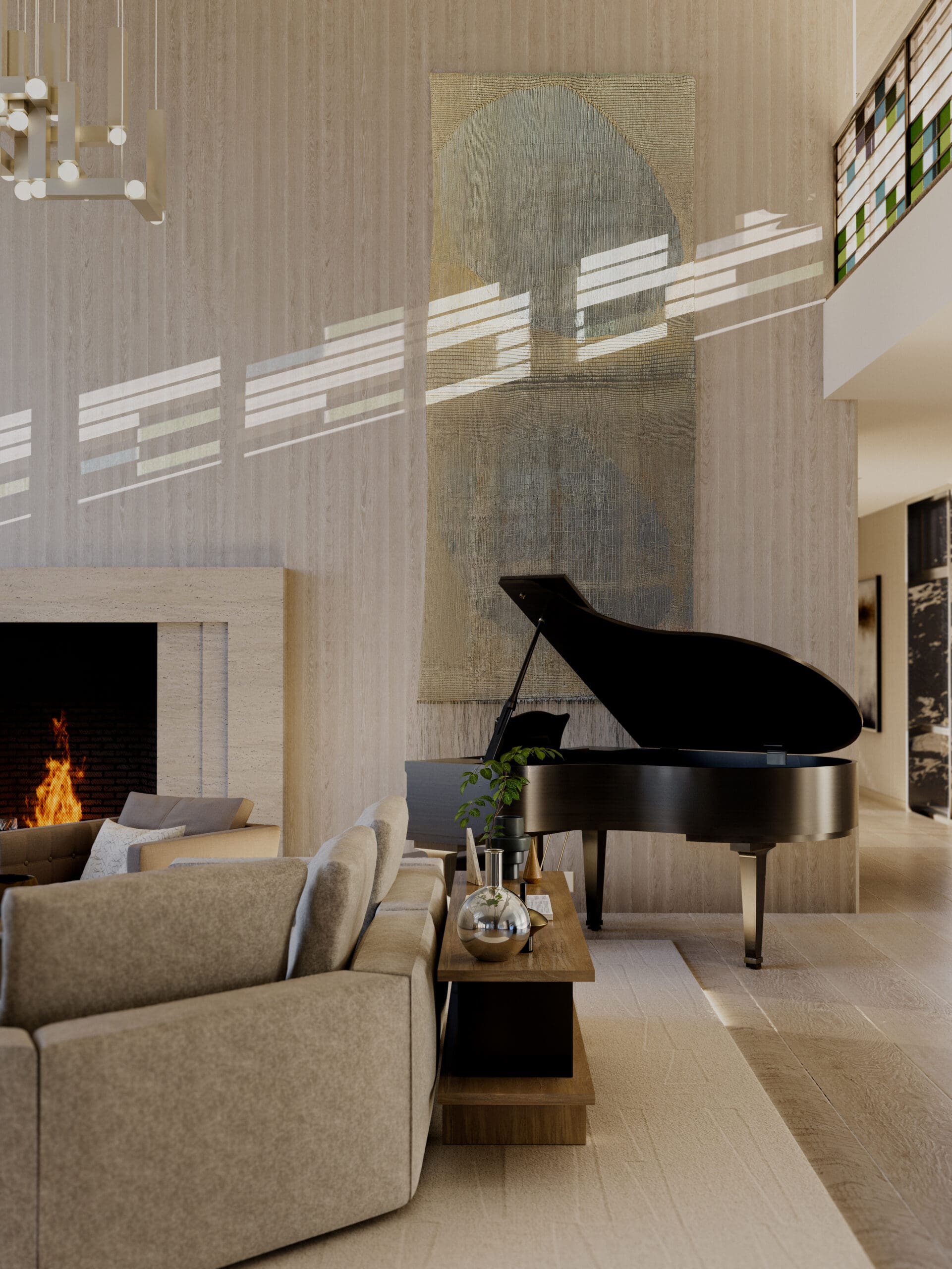
The house both commands its surroundings and defers to them. It is formidable yet, with its vast expanses of glass, transparent, a singular expression of the monumental and evanescent. The exterior is clad in a Danish brick that reveals the appealing irregularity of hand-making, laid up in overlapping horizontal layers like wood shiplap, thereby combining the rugged majesty of the landscape with the simple elegance of a rural building tradition. Within, walls finished entirely in white oak – natural, textural, sustainable – enclose a temple of tranquility and beauty, characterized by pan-cultural craft: a chandelier based on elements R+B discovered in a Milanese chapel; a custom-designed and hand-loomed Japanese wall tapestry; anodized Italian tile enriching the fireplace surrounds.
The family sought a dwelling in which to celebrate their love of music, beauty (natural and human-made), art, and craft, an environment rooted in modesty, faith, and genuineness. Our response is captured in the design’s signature element: a Venetian-made stained glass guardrail, spanning the full length of the double-height living room’s mezzanine, for which we designed a pattern based on the score of the great hymn ‘Amazing Grace’ – a gesture at once bravura in conception and execution, and humbly spiritual in its intent.
Perhaps most unusually, in the manner of such master builders as Frank Lloyd Wright and Carlo Scarpa, R+B not only executed the architecture, landscape, and interiors, but designed almost all of the details and components, down to the table settings and glassware. As such, the house – named Lap House by the owners – stands as a total work of art: an uncompromised expression of its creators’ intentions and, more to the point, the complete fulfillment of the family’s most ardent desires – utterly graceful, and entirely amazing.
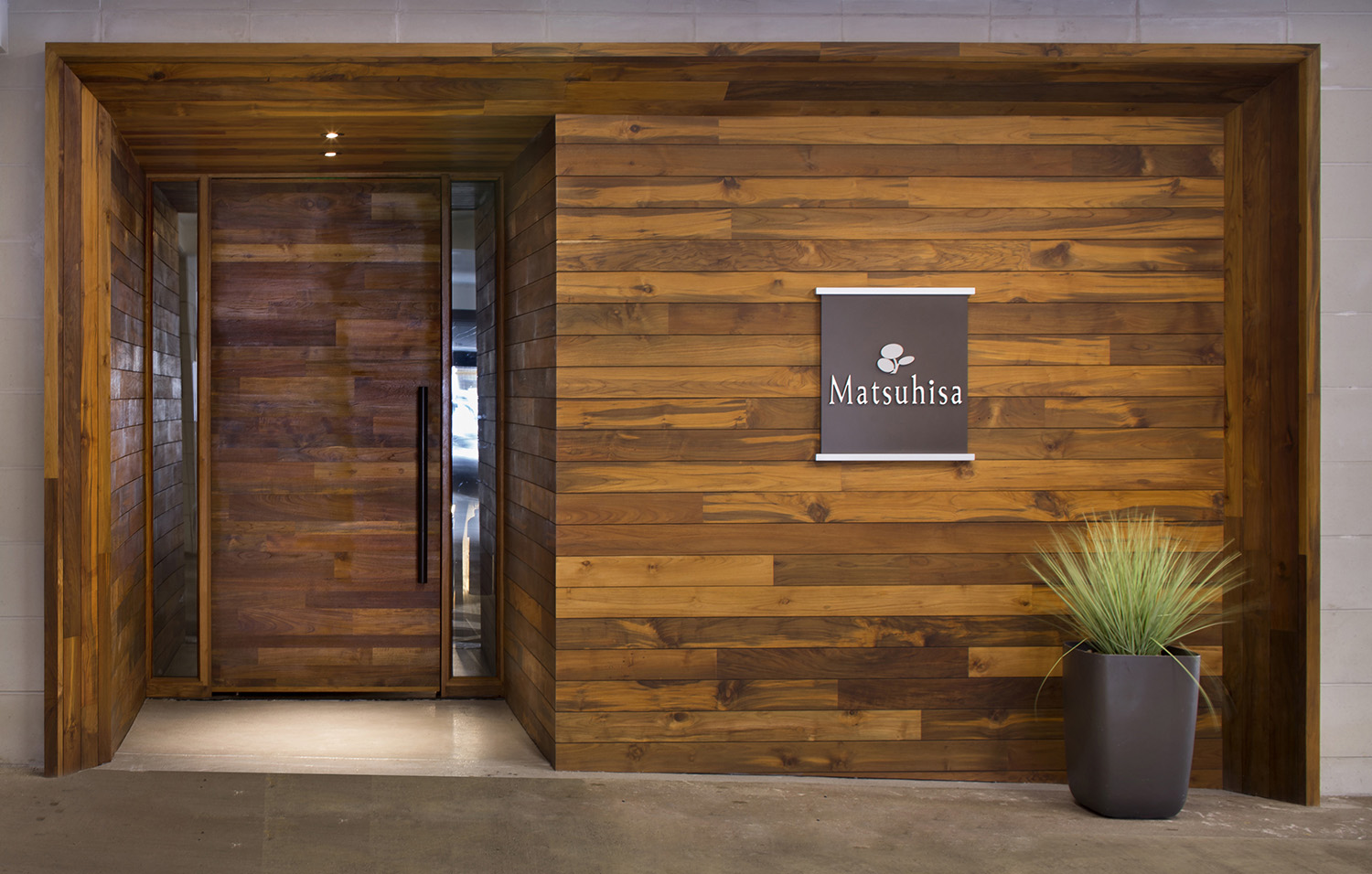
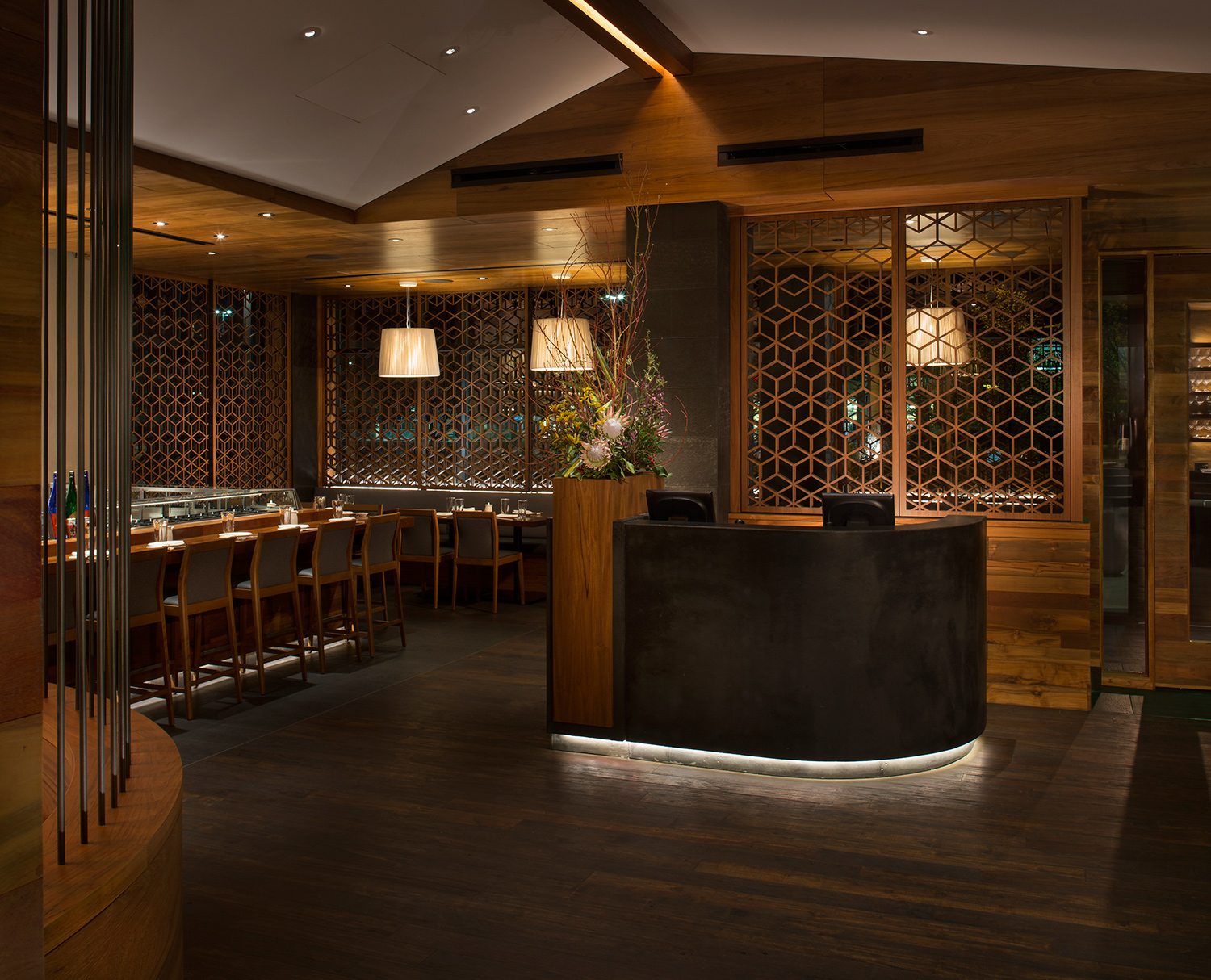
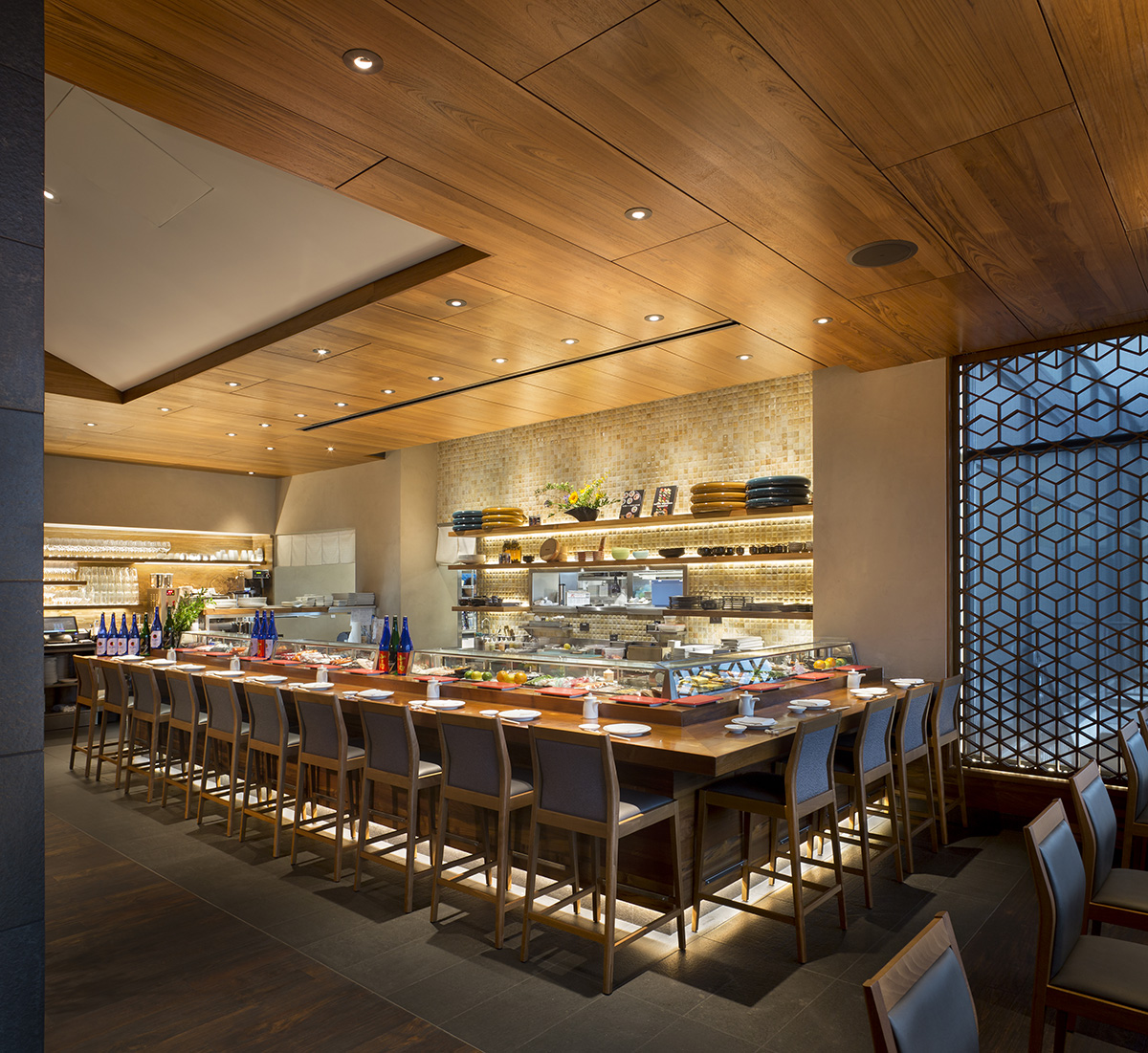
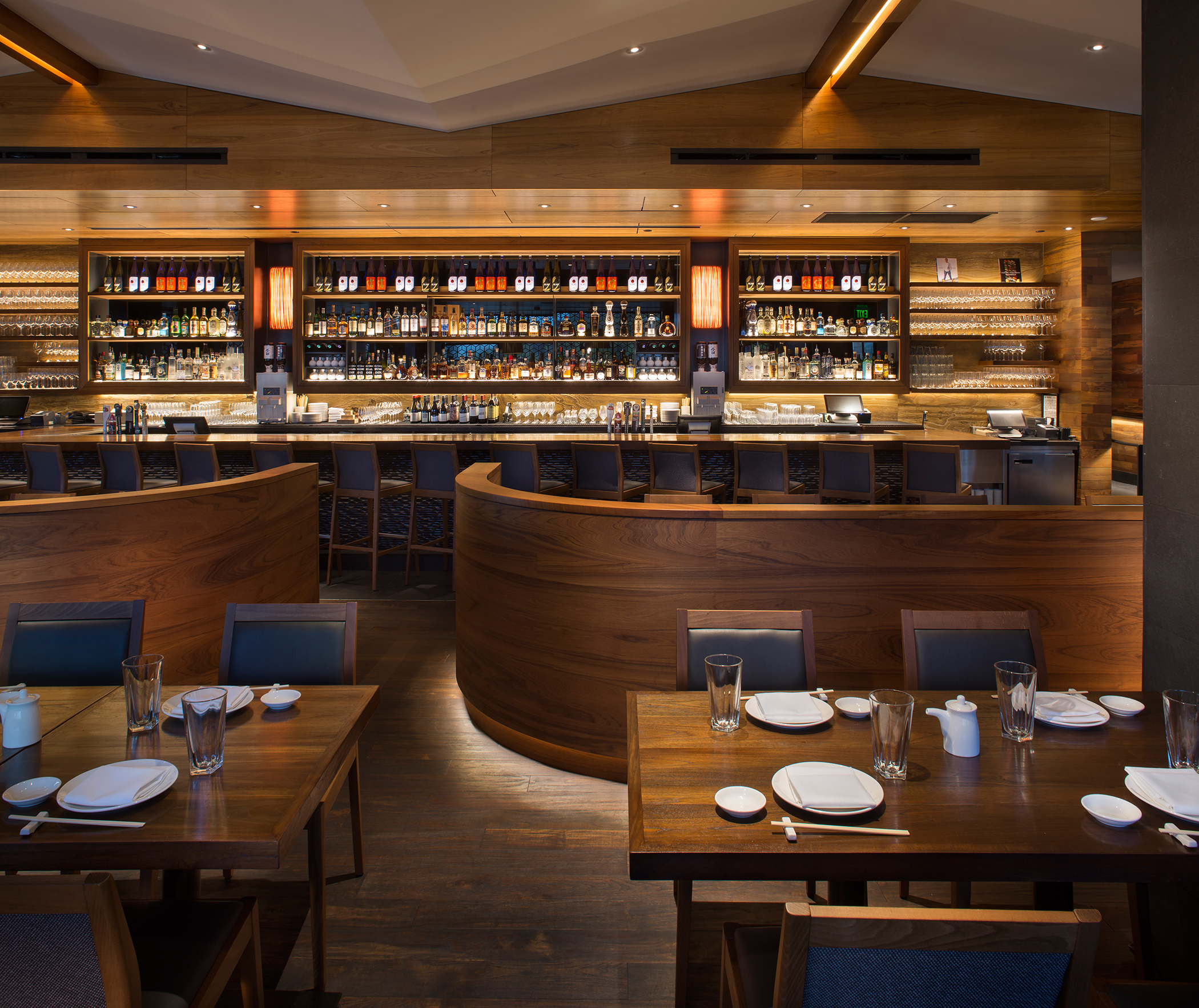
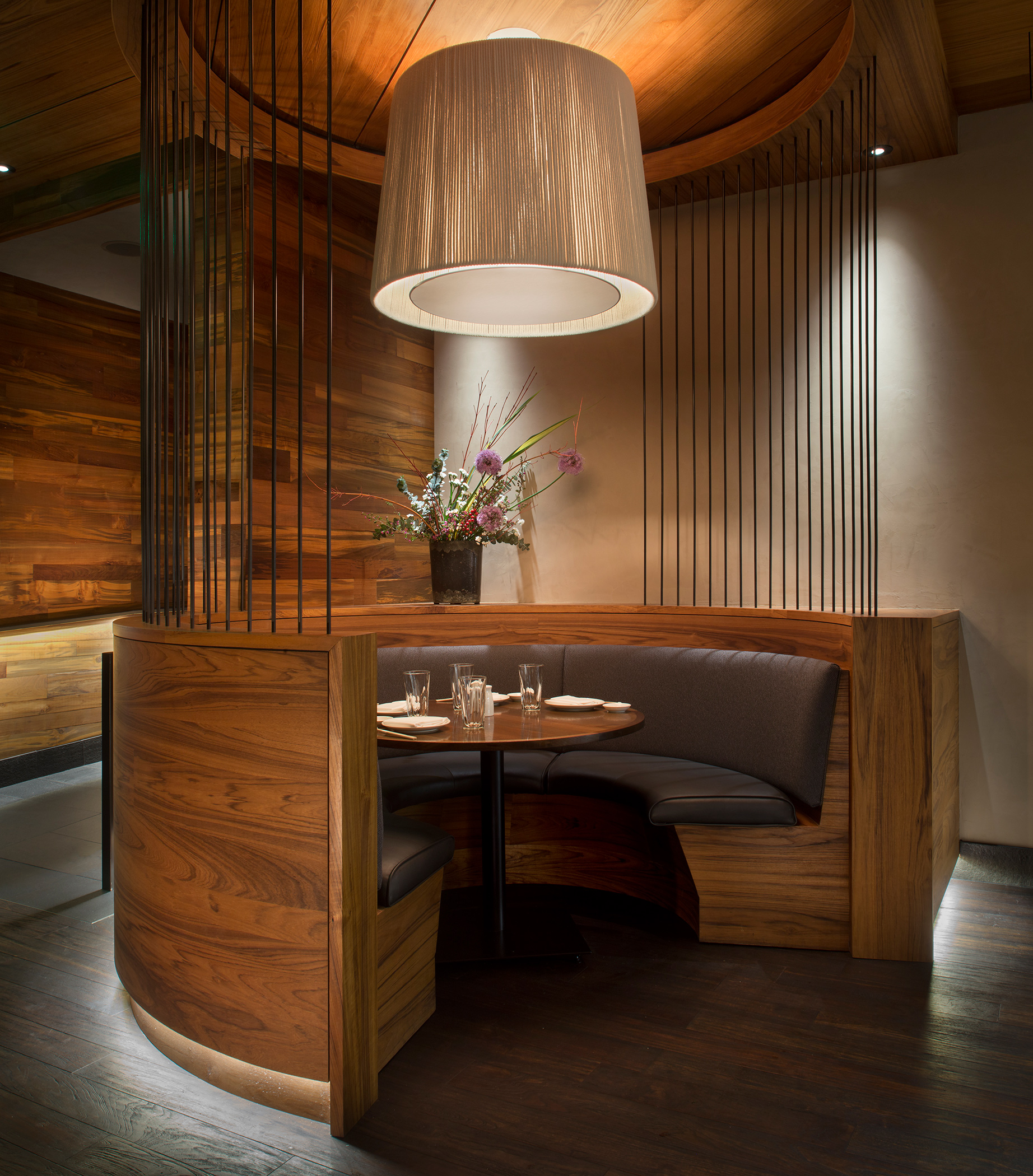
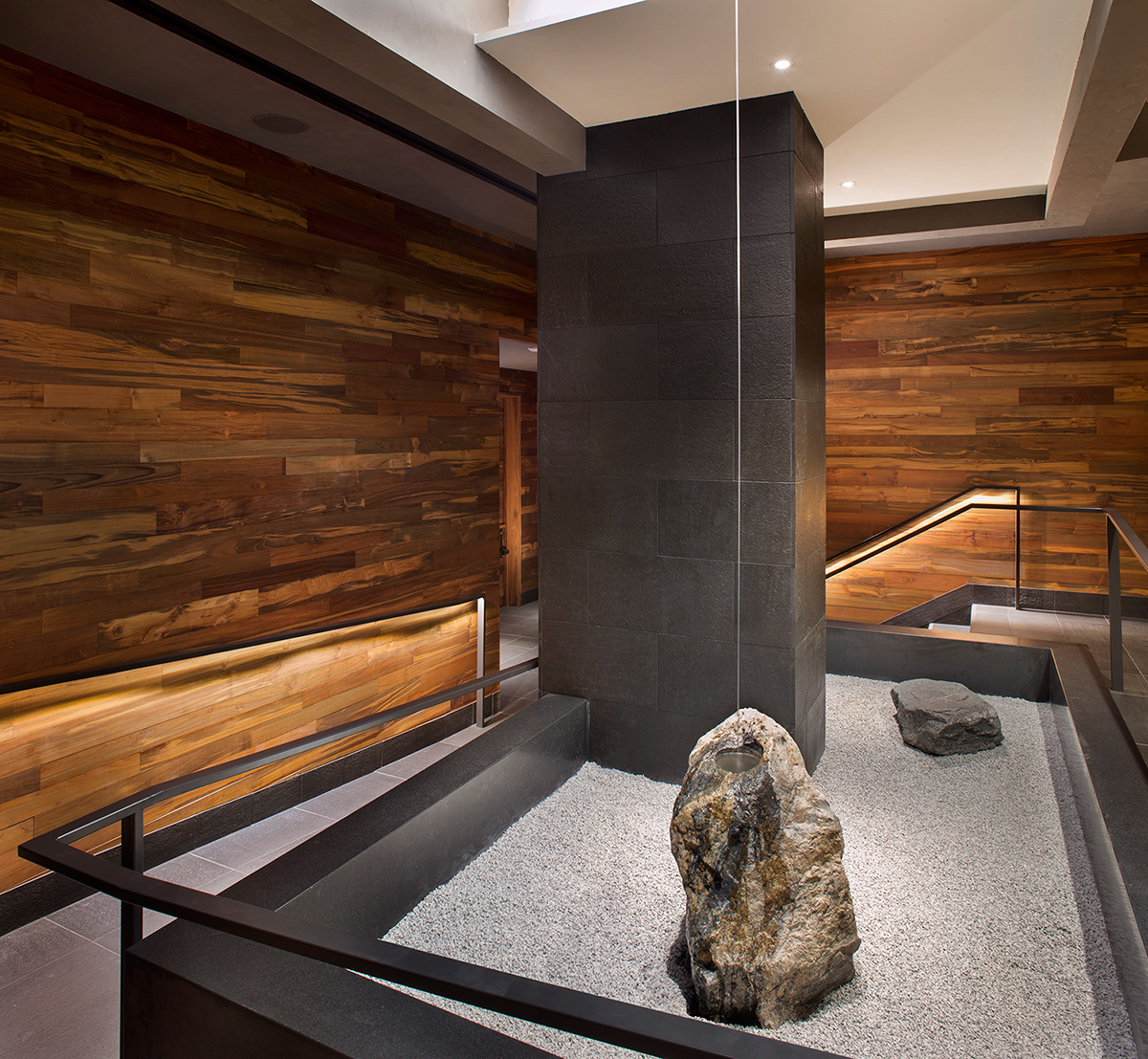
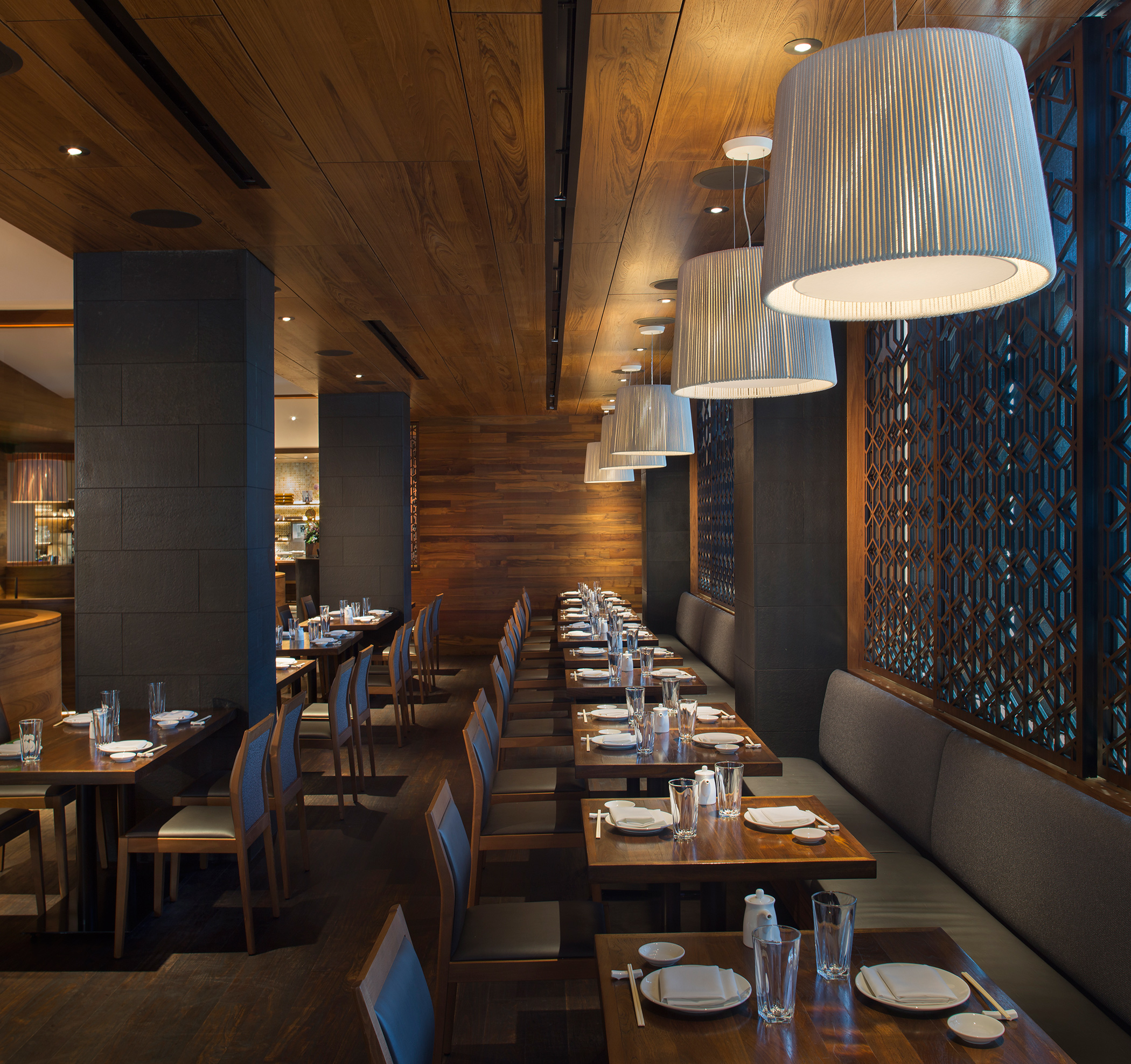
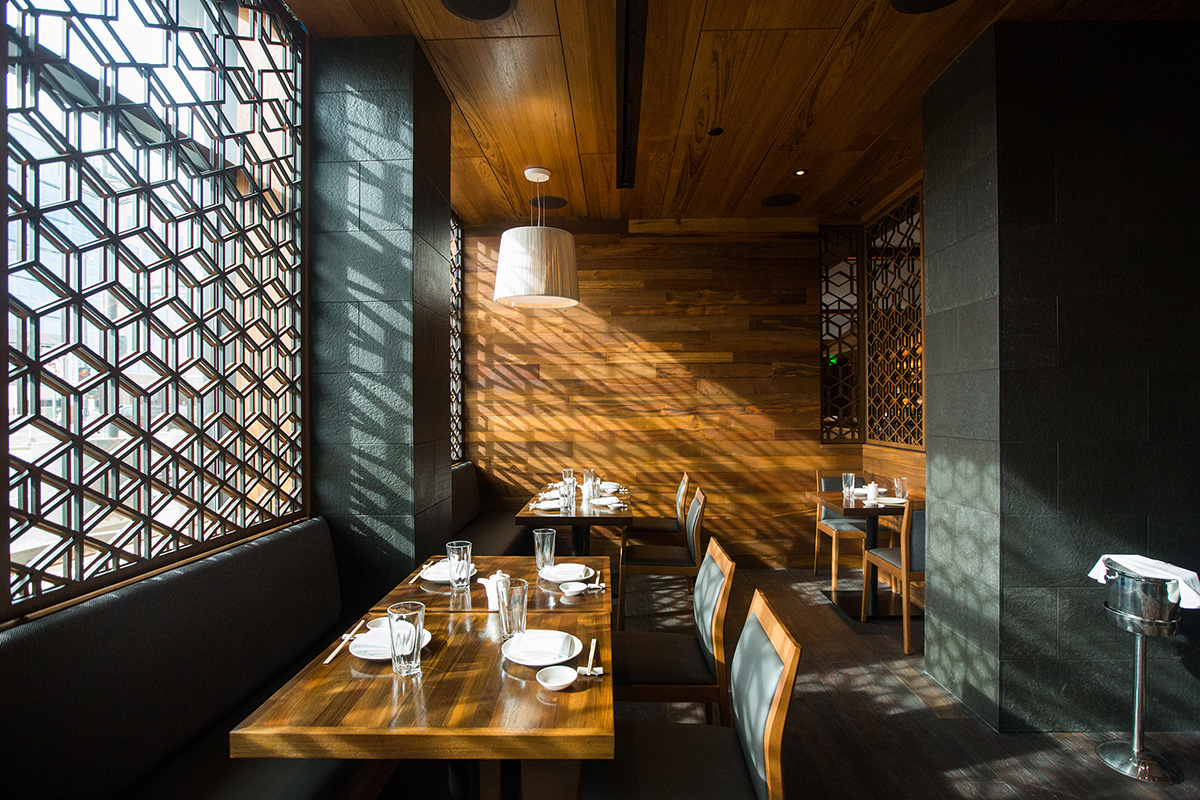
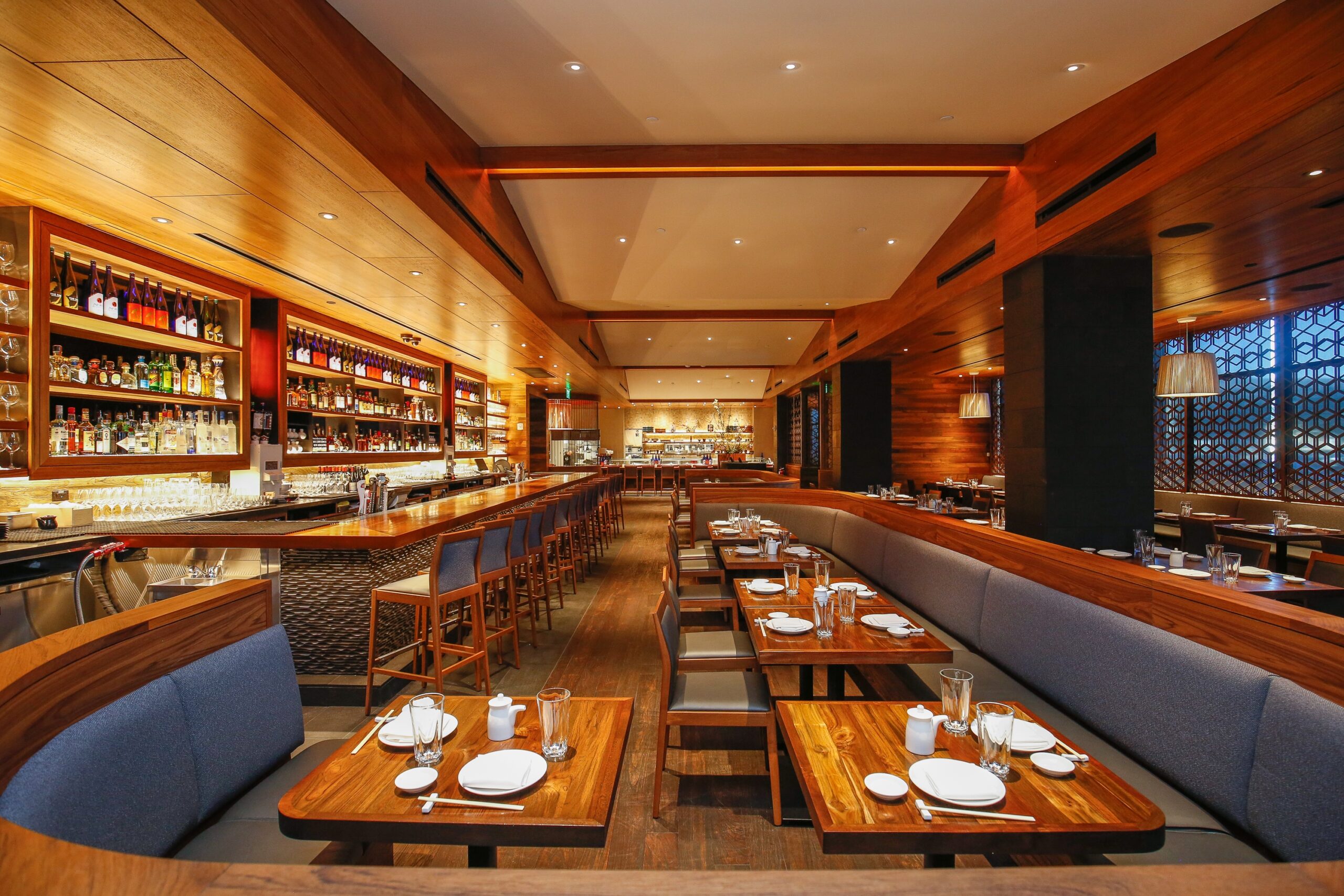
Alongside Nobu Matsuhisa and the ownership team, R+B set out to create a space that continues to evolve the concept of the Matsuhisa culture. Reflecting on their Japanese travel experience, R+B Principals created a clear design concept that is centered on traditional Japanese culture: thoughtful, unique, humble and purposeful. The dining experience is elevated with exquisitely detailed materials of a muted, natural palette.
I really enjoyed the process from beginning to end with the entire design team of very talented people. Great job! We all created a killer restaurant for thousands of people to enjoy for many years to come. – Todd Clark, Matsuhisa Partner and Director of Operations
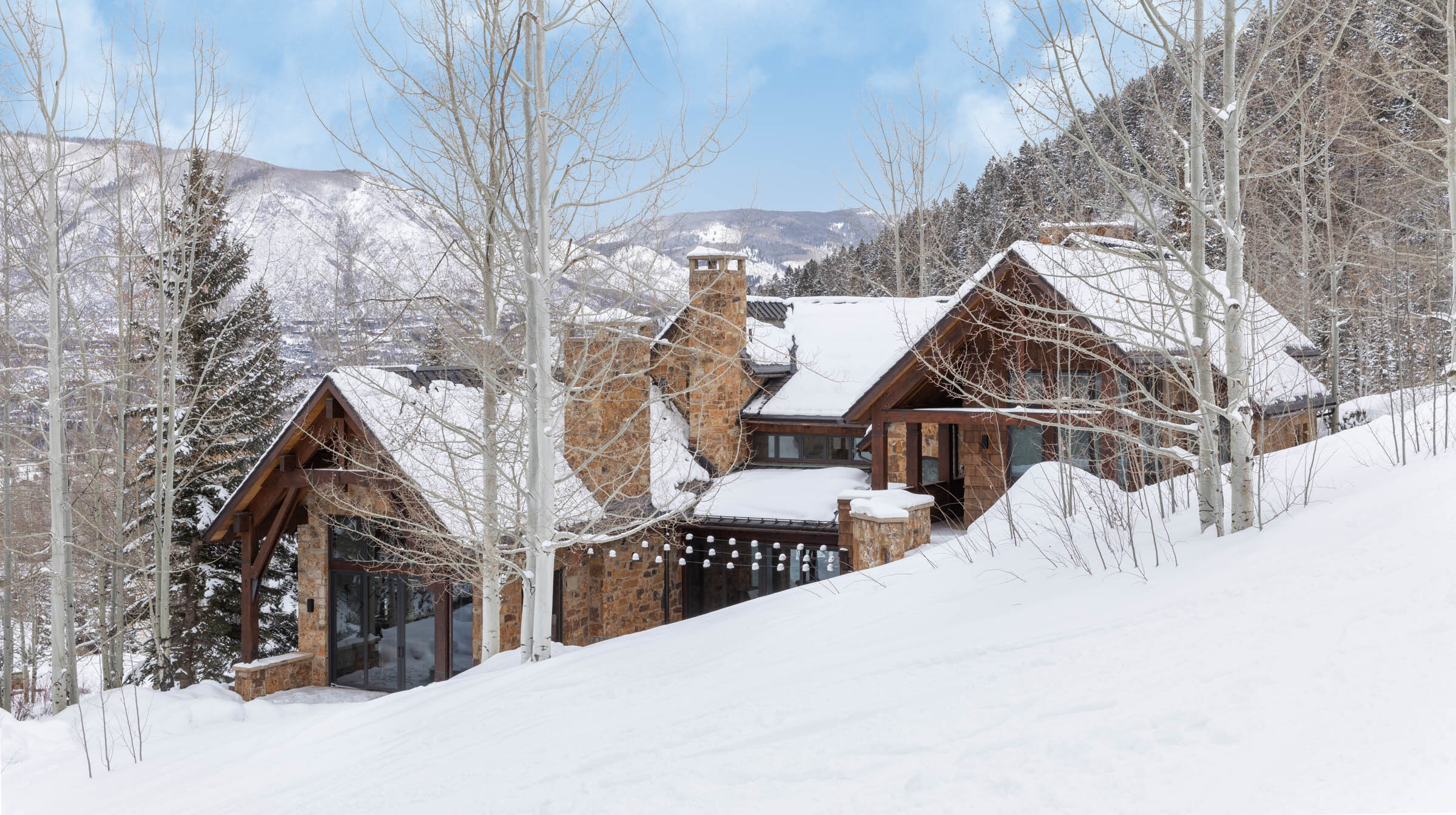
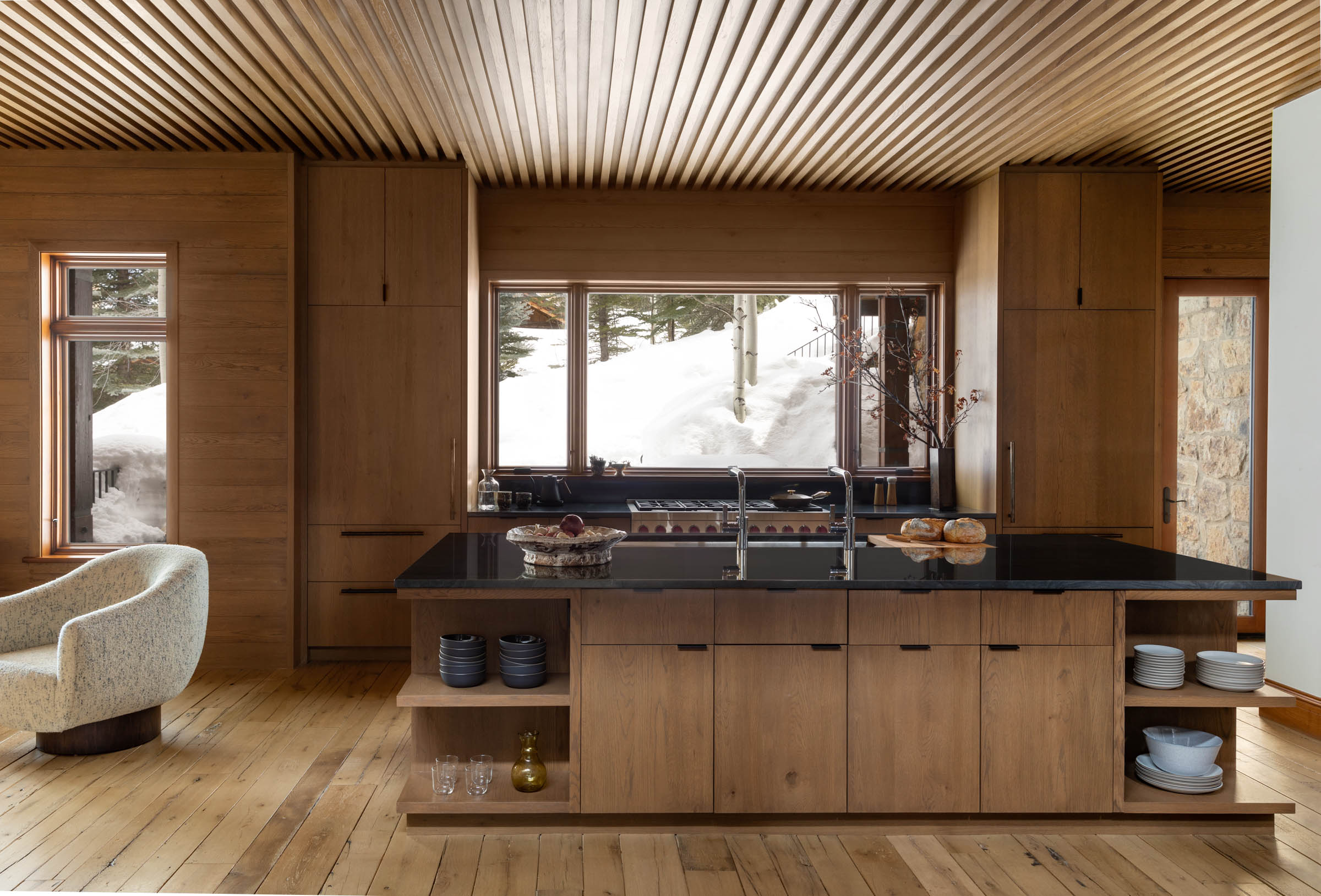
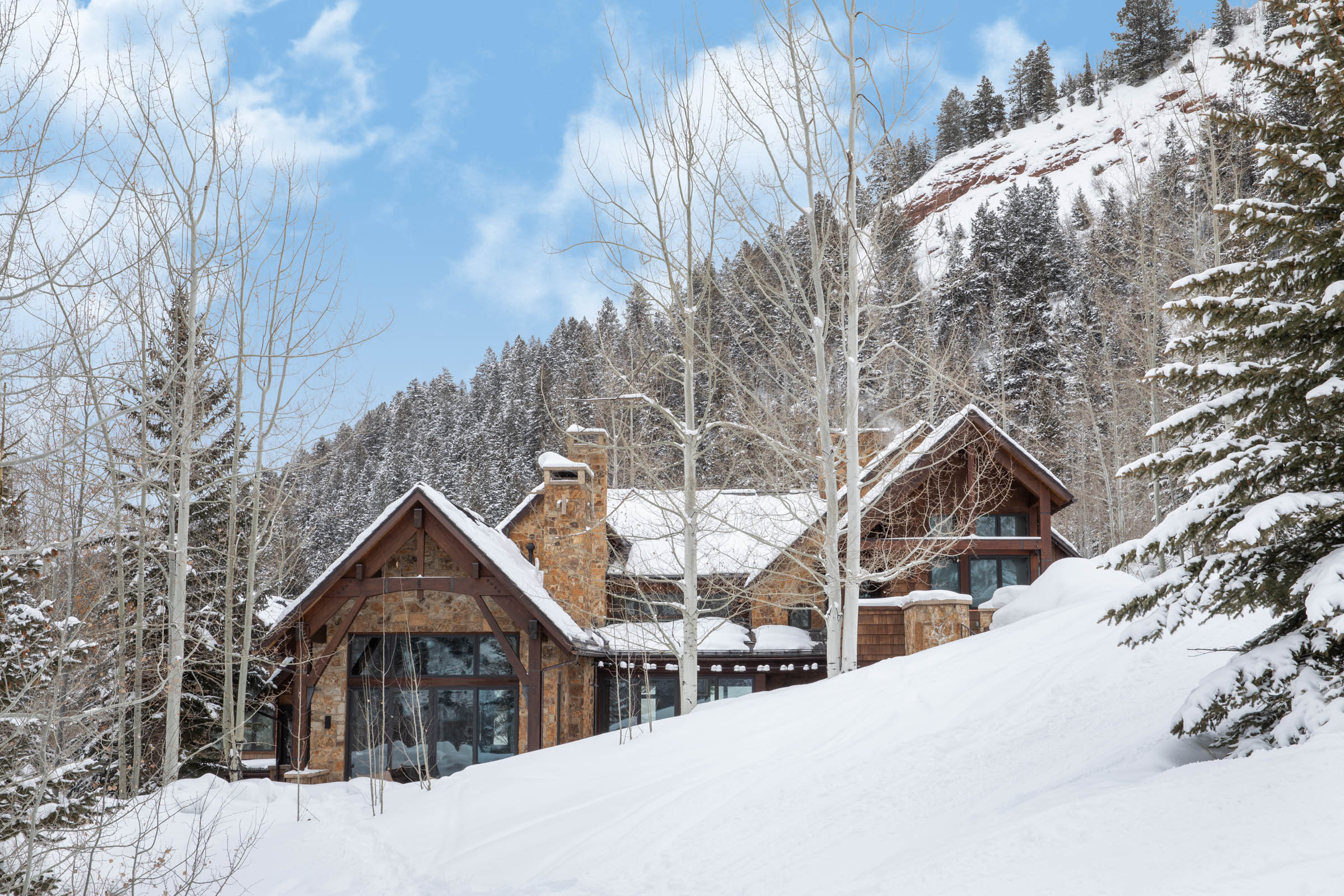
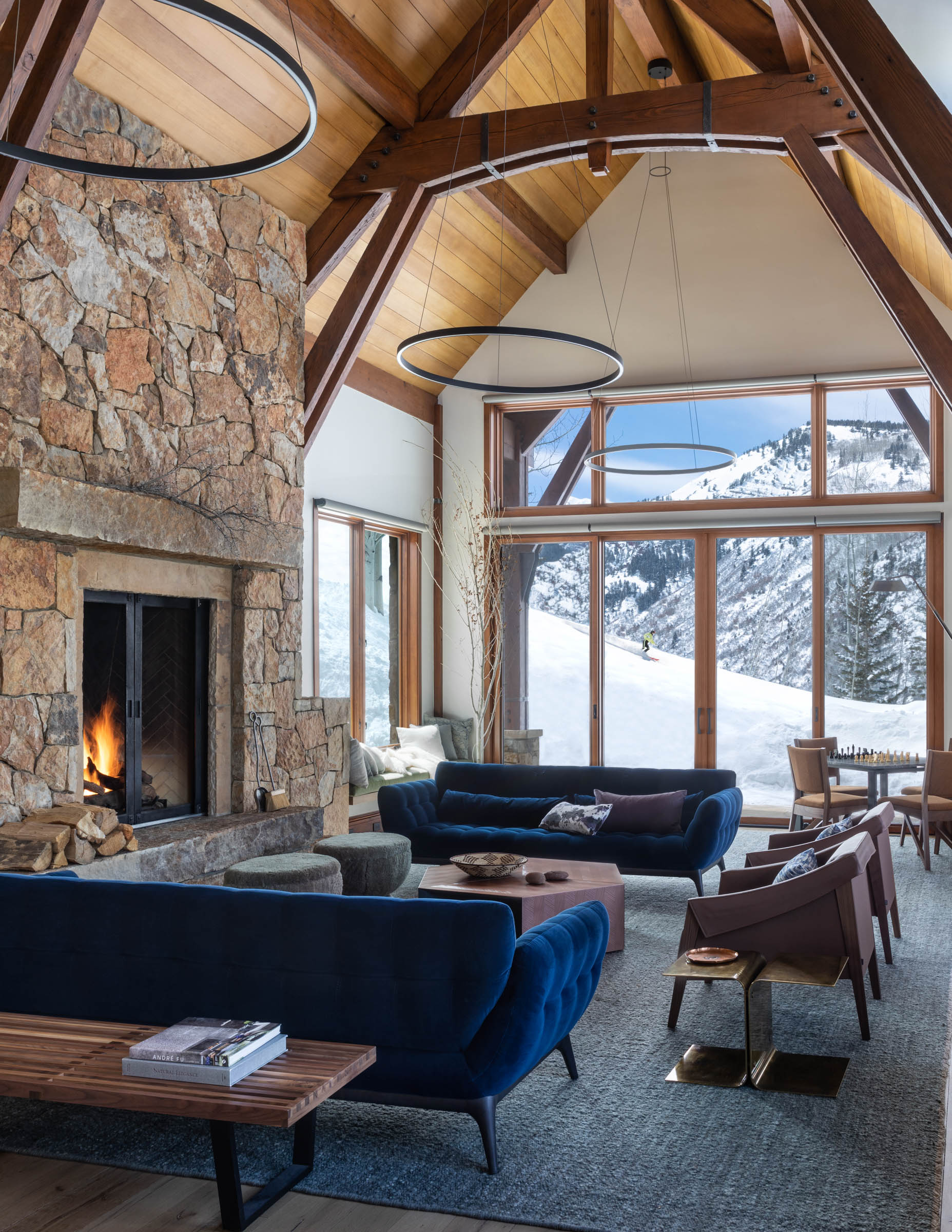
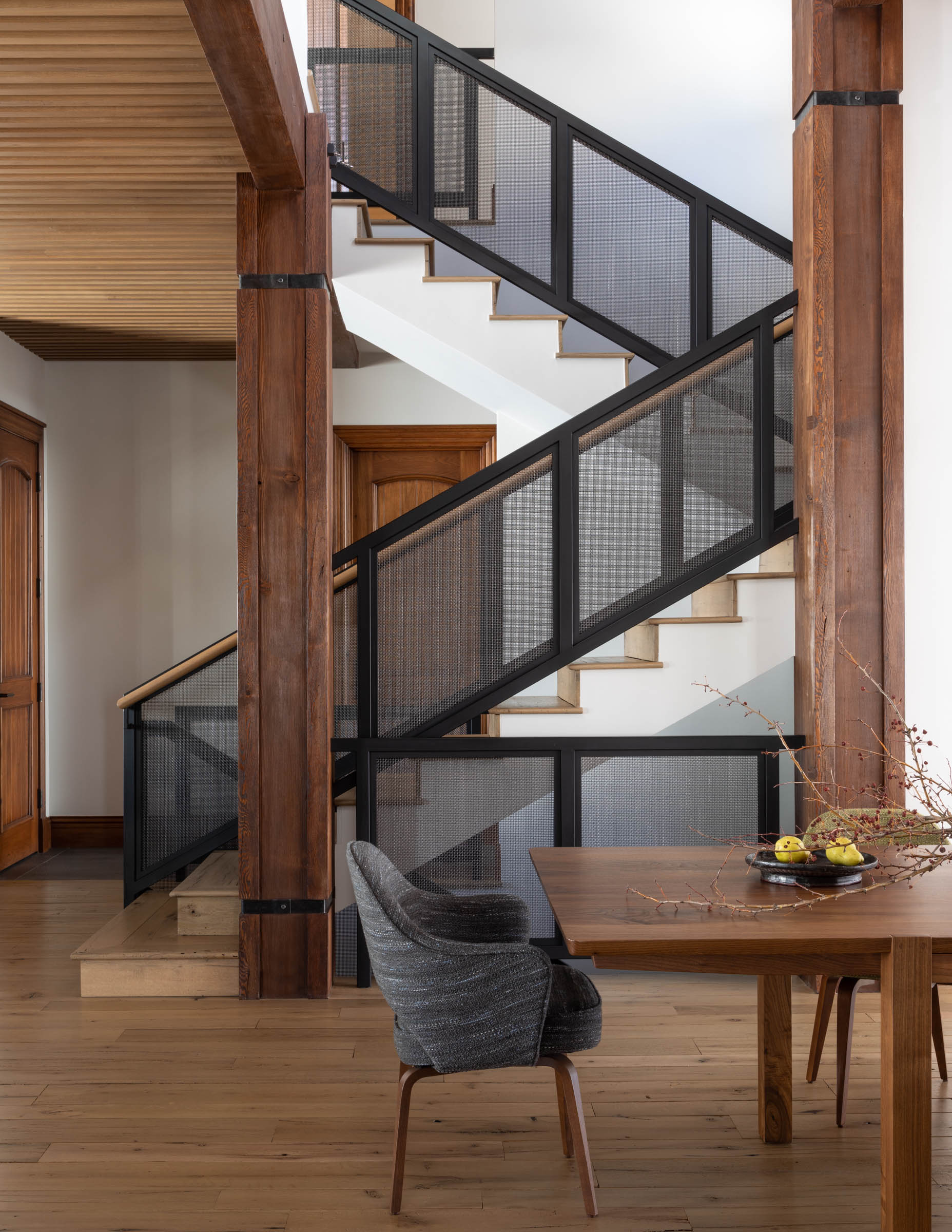
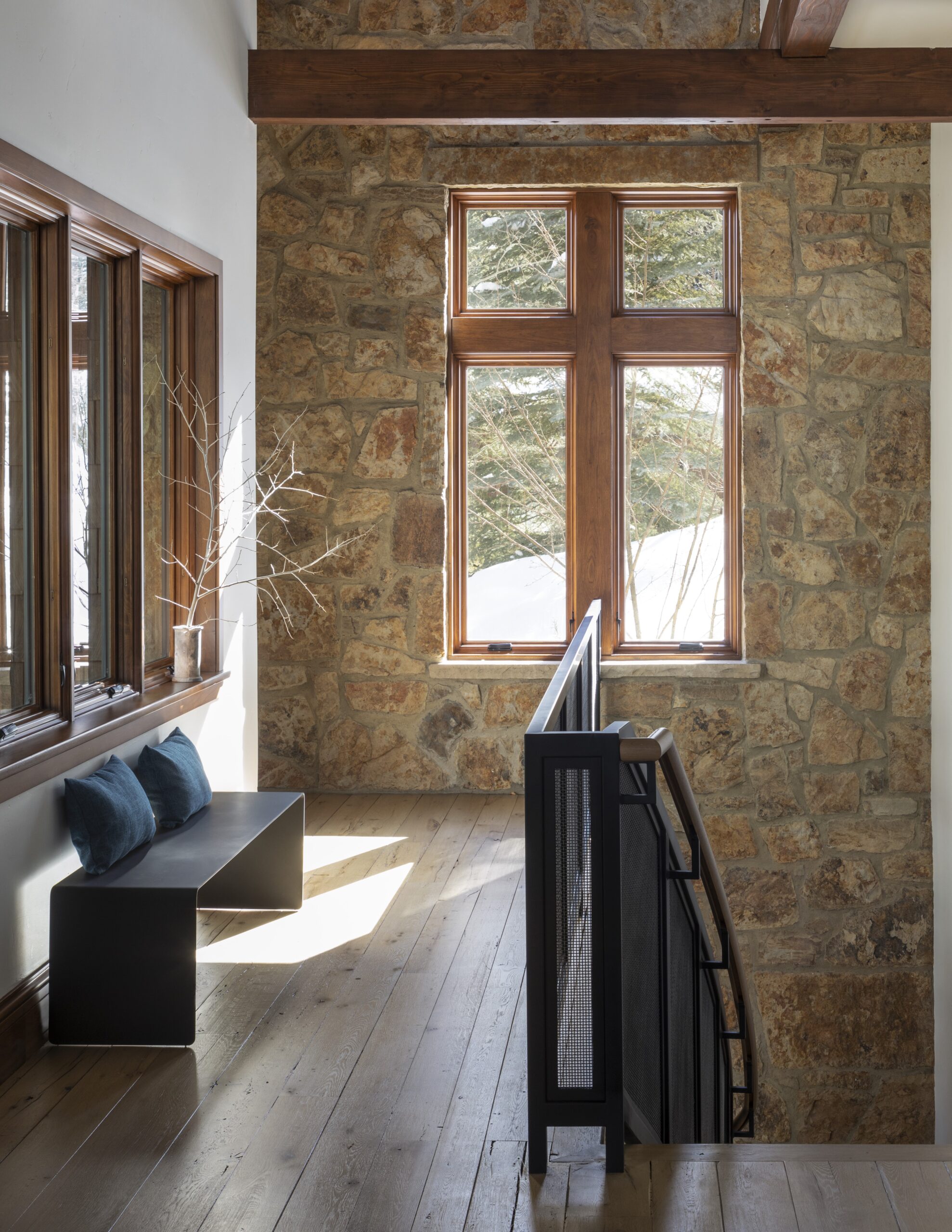
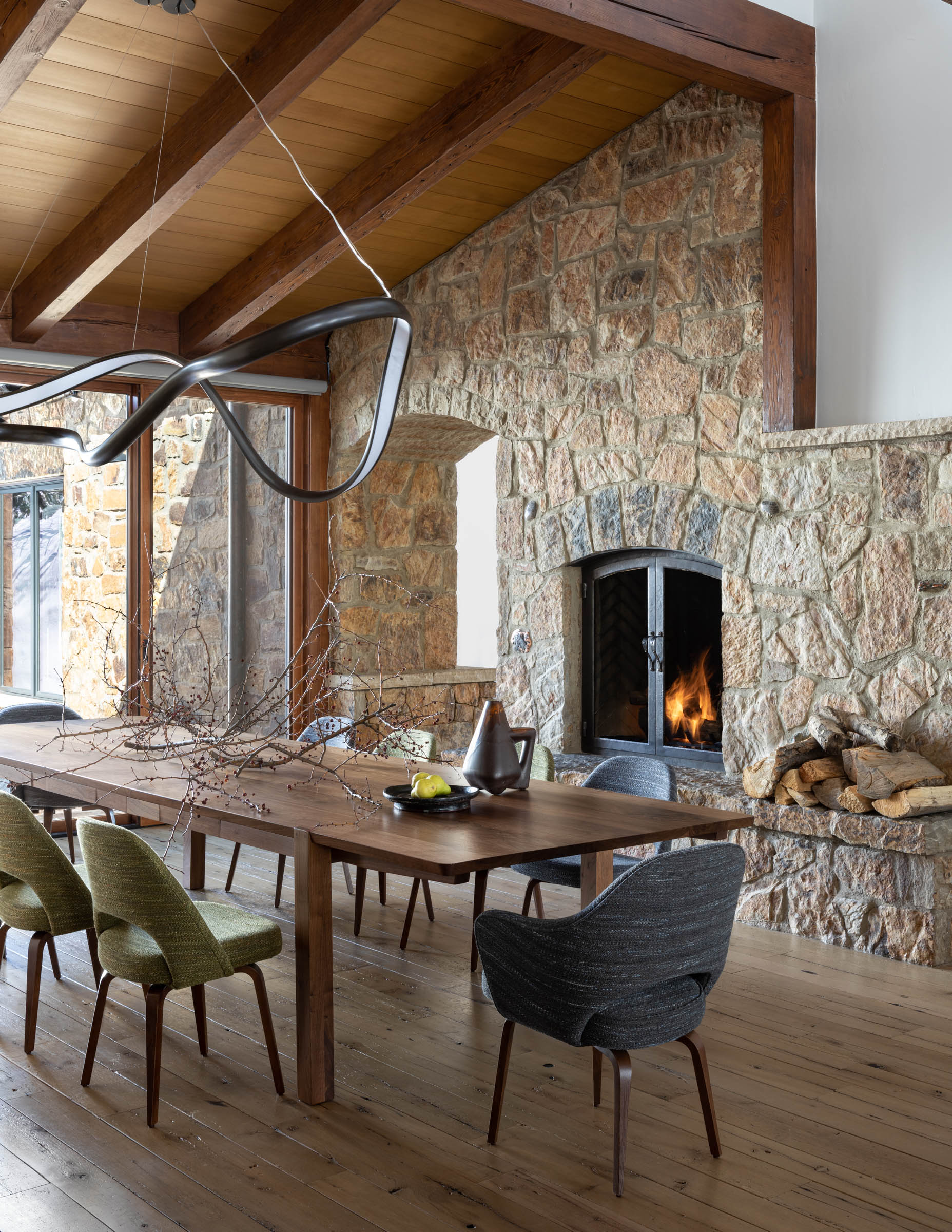
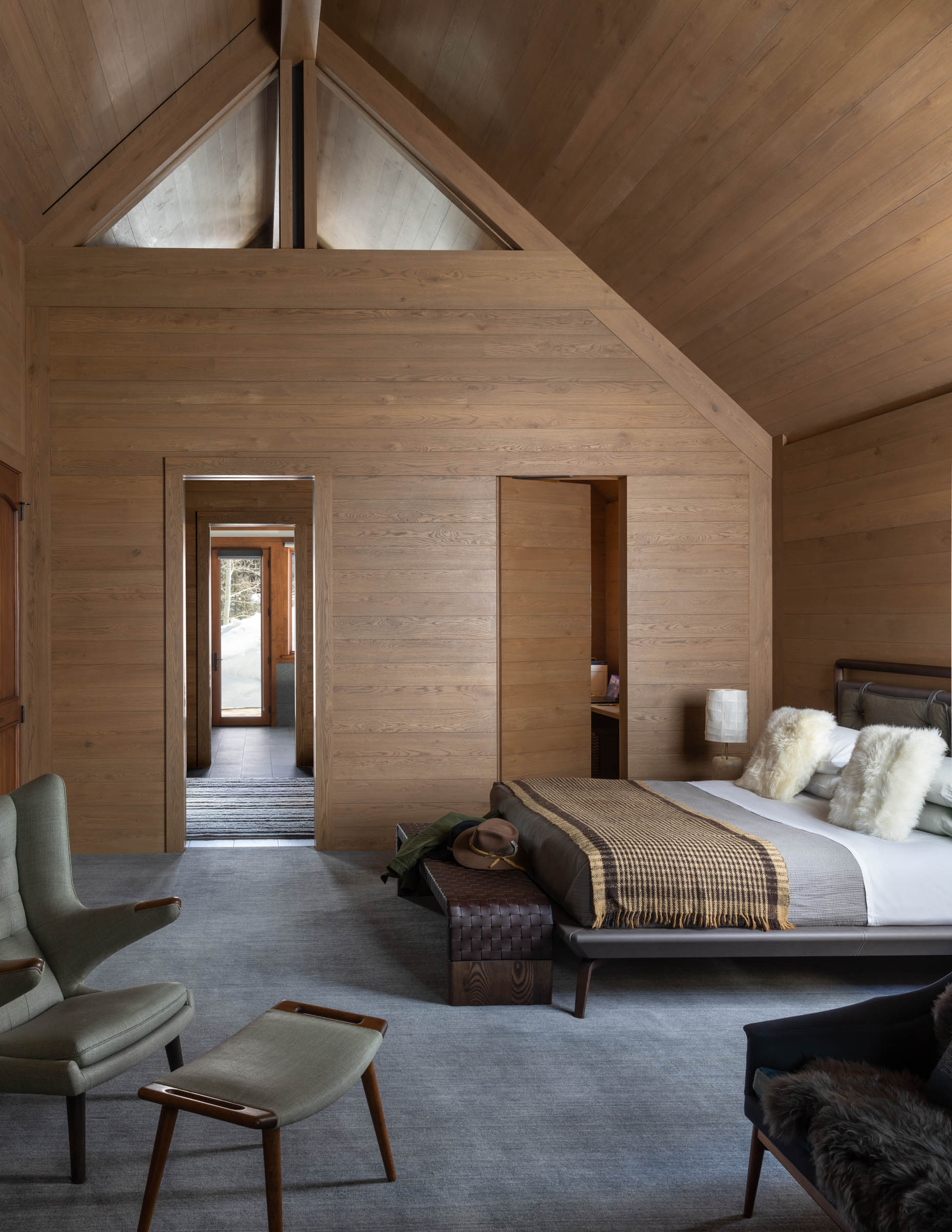
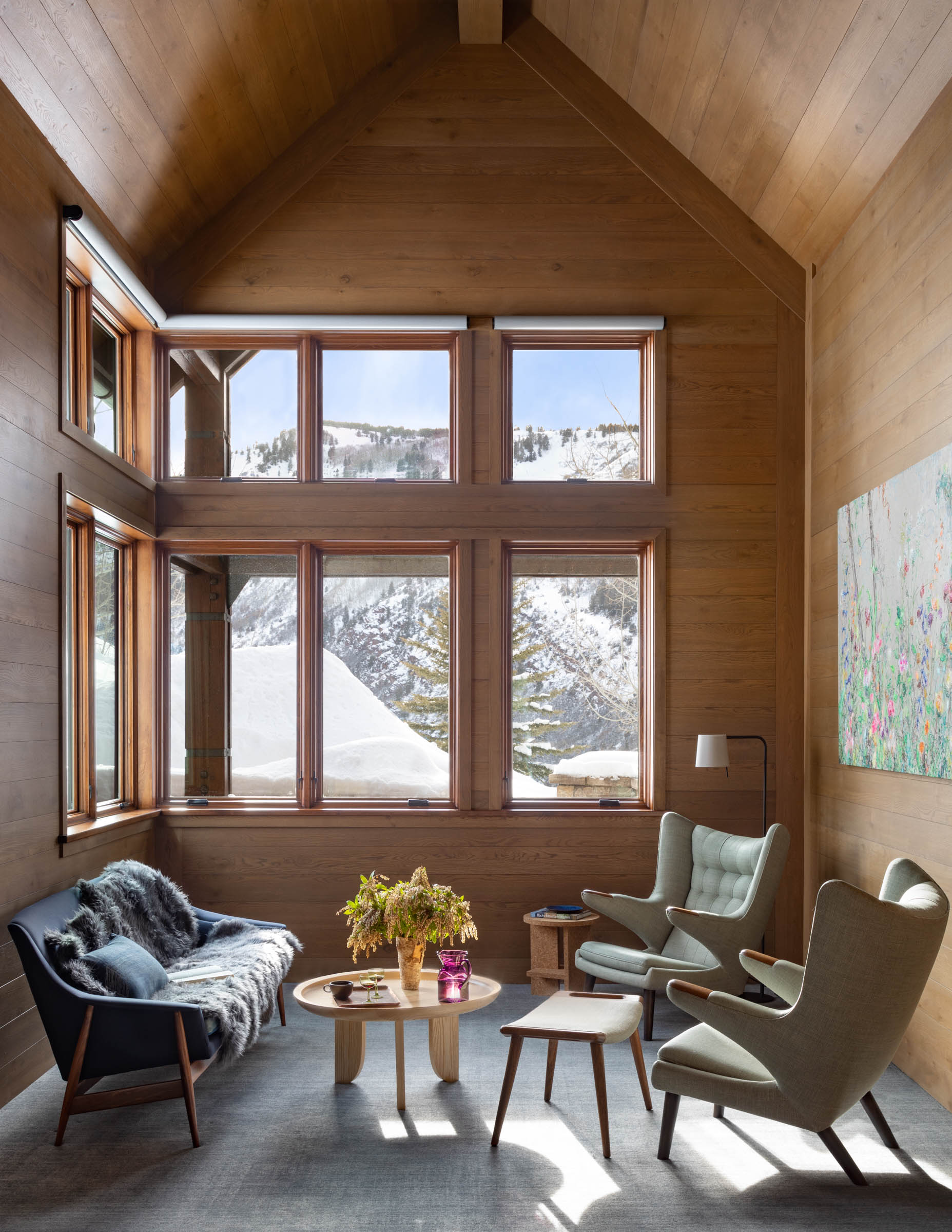
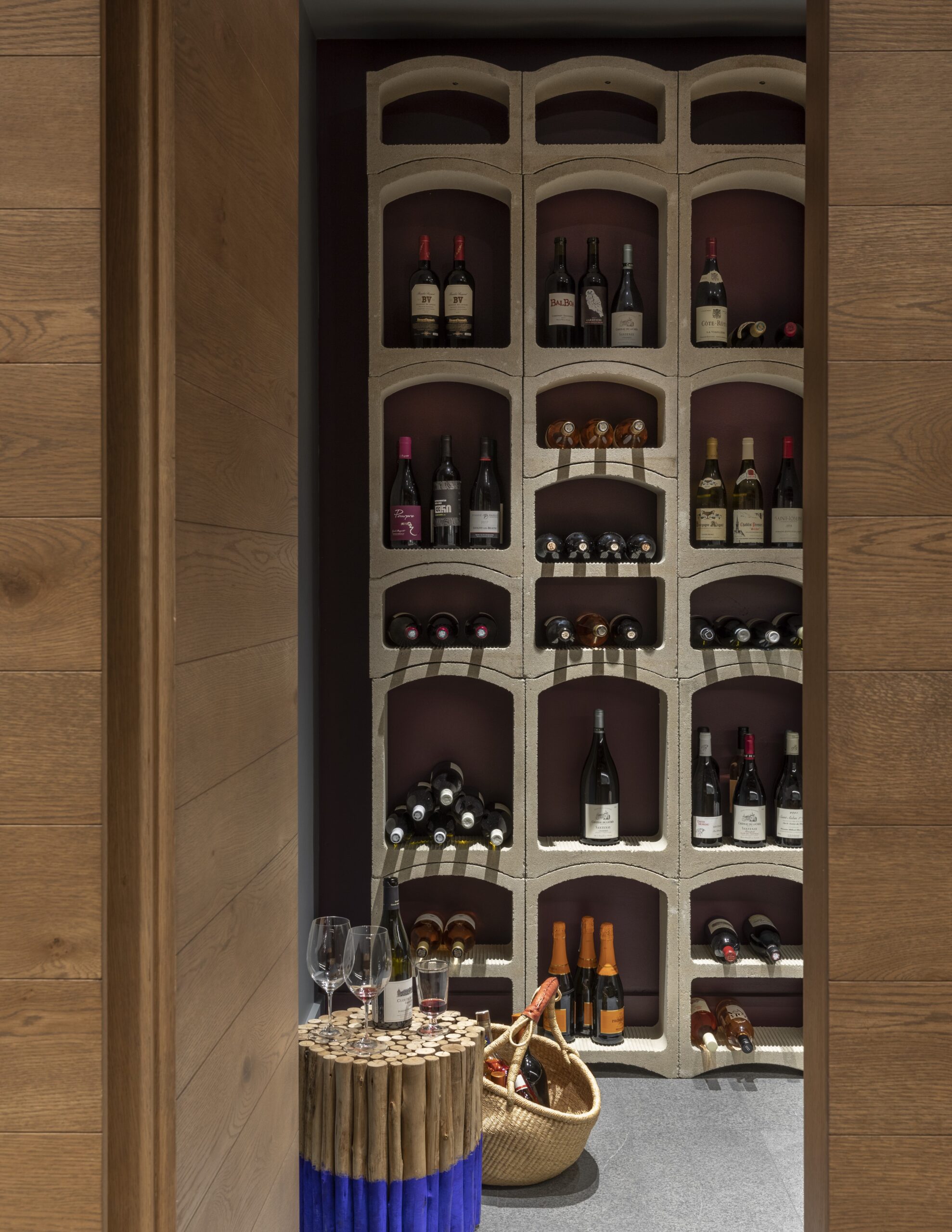
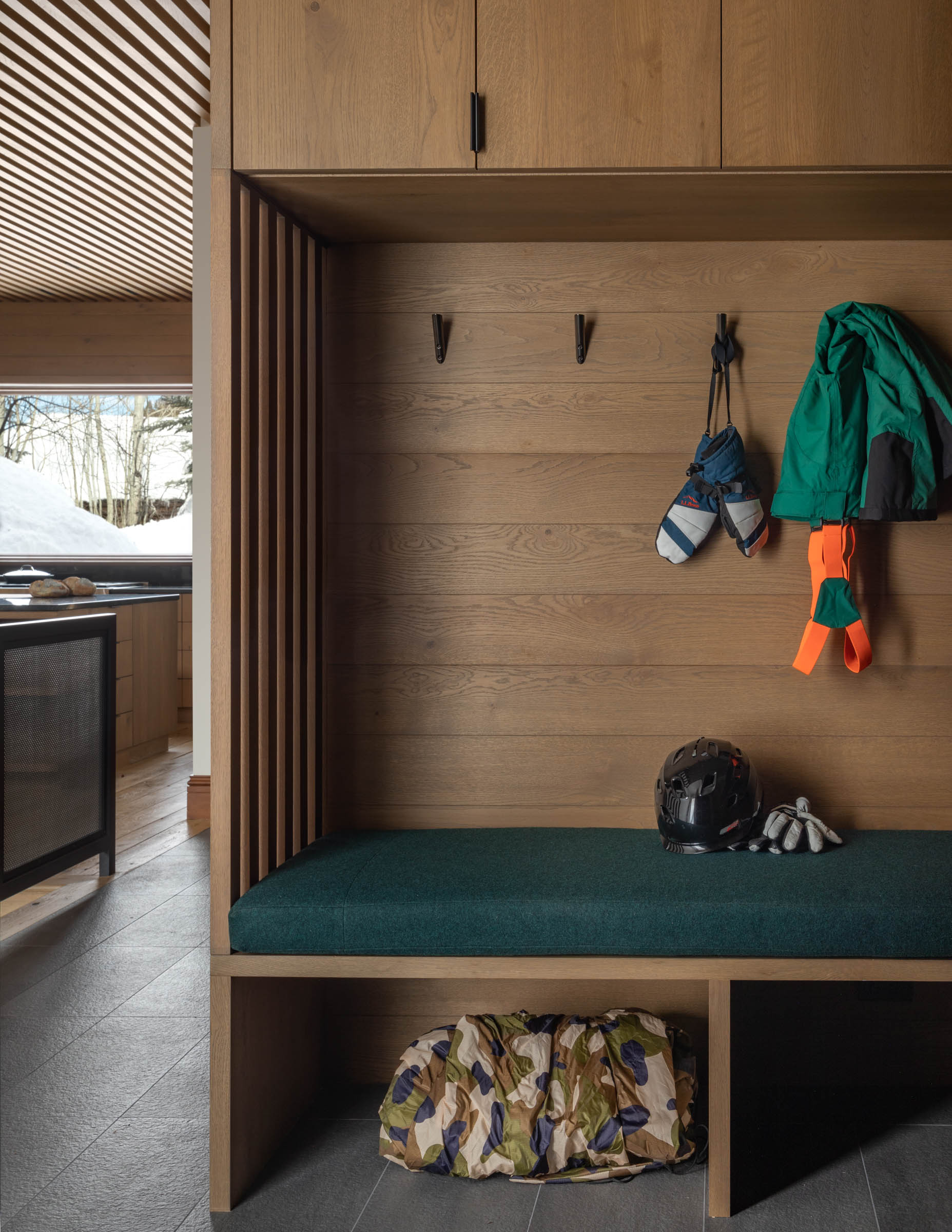
Over and again, a word that arises in regard to R+B’s work is sustainability, most of all in our commitment to renovating rather than demolishing buildings, one of the greenest of architectural pursuits. Thus it was that at this existing alpine mountain house – which takes its name from the Thunderbowl ski run, its next-door neighbor on Aspen Highlands mountain – we thought, not of wiping the slate clean, but rather about what was essential.
On the exterior, edits were made to unnecessary architectural details and overly prominent window mullions, and new, purposefully positioned glazing in the living and dining rooms, kitchen, and guest bedroom drew the experience of the house outward to the majesties of Aspen. Yet the primary challenge lay in the overbuilt interior, with rooms that didn’t communicate and structural elements that interfered with light, views, and flow. The residence lacked the permeability that is R+B’s specialty, and we were intrigued by the prospect of releasing its potential.
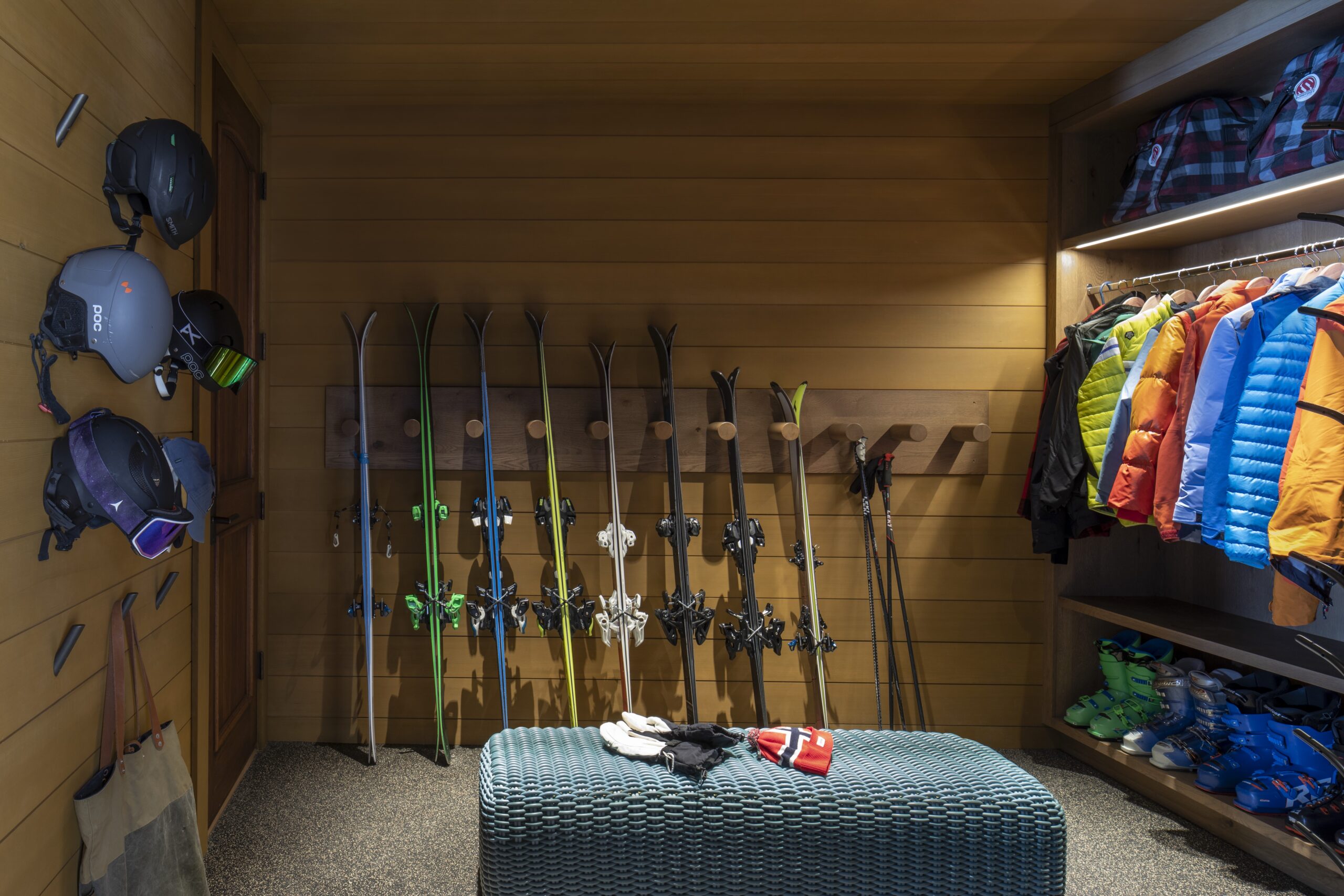
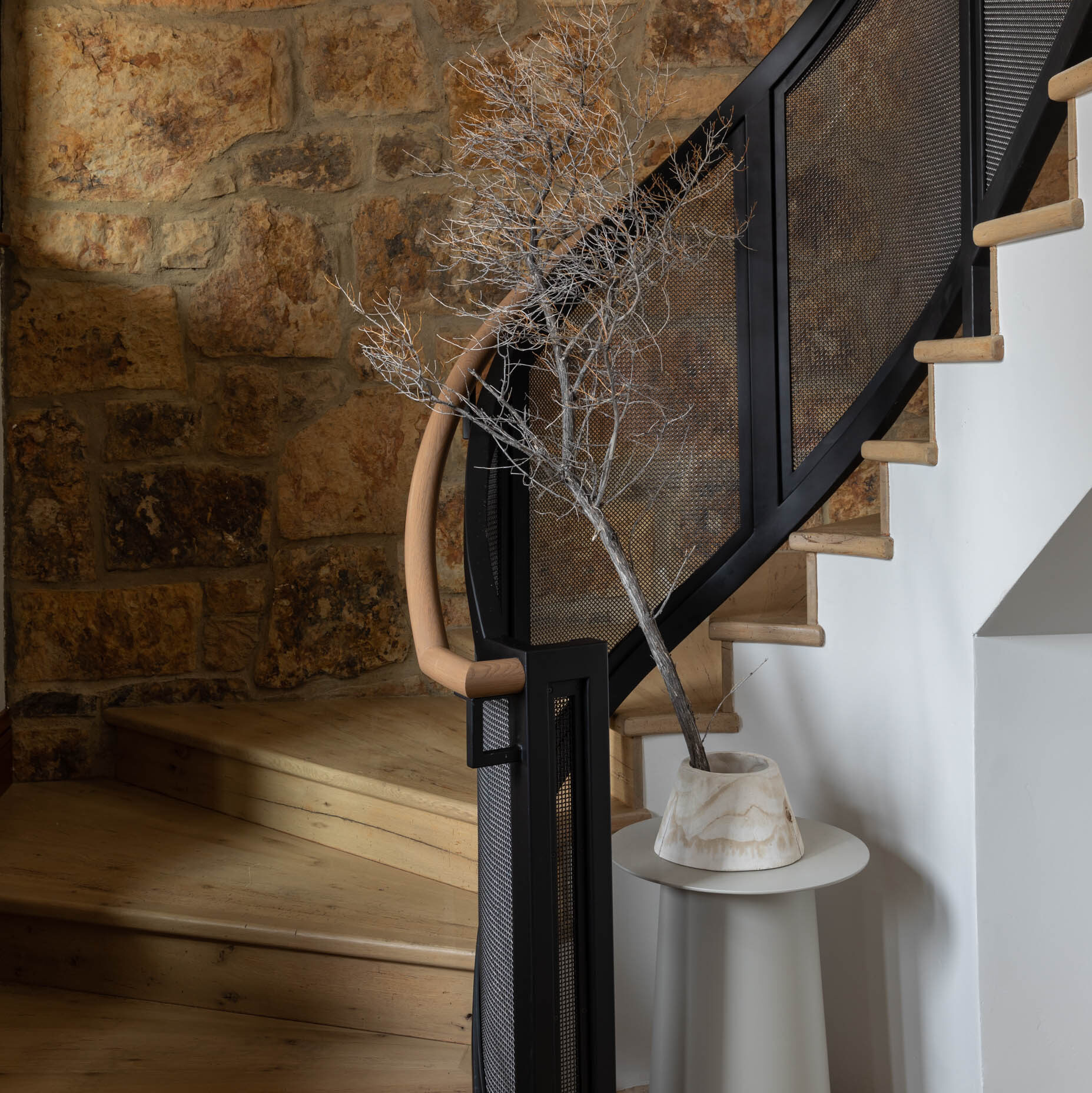
A lounge off the living room, a few steps below the kitchen, was entirely walled off; we elevated it to the kitchen level and merged the two spaces, giving the lounge better light and linking it to the house’s larger social experience. The stairway between the first and second floors had been entirely enclosed; the enclosure was replaced with steel mesh, producing a visual connection between the two stories. New interior windows on the second floor offer views from a hallway down to the dining room. A remotely located guest bedroom/sitting room suite creates privacy for elders (and an elevator connecting all three levels makes access easier for all ages). Mountainside terraces and nooks extend the living experience to the outdoors, and a ‘ski-in/ski-out’ gear room provides access to the slopes.
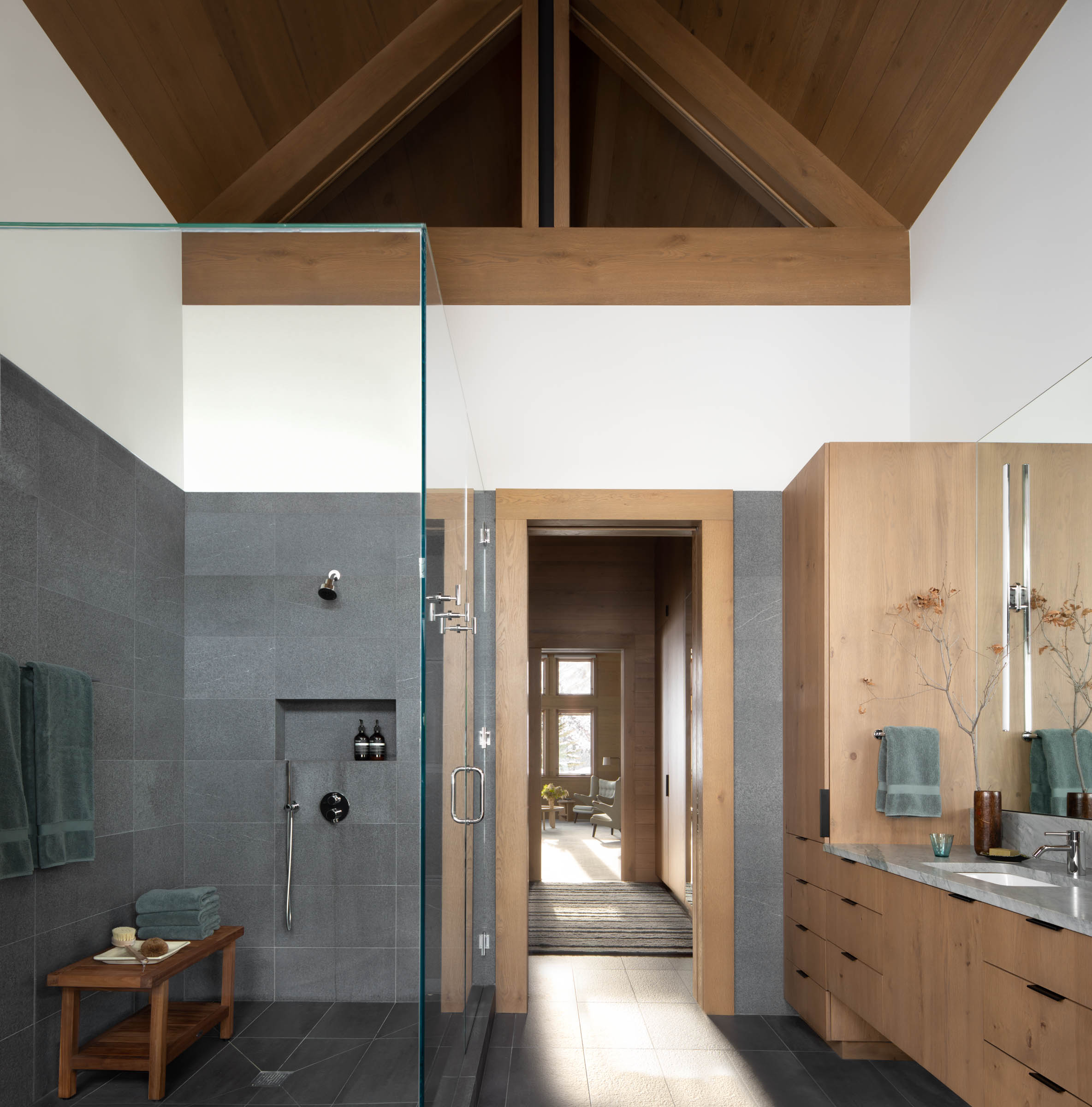
The knottiest challenge lay in the second-floor primary suite, an ungainly bricolage of overbuilt rooms extending the house’s full width. R+B removed the structural clutter and crafted a soaring, shaped ceiling; part of an existing bathroom closet became a small office, secreted behind a hidden door; and a new dressing area joins the bedroom to the expanded, almost entirely glazed bath. What had been fussy and confusing is now comfortable, useful, and elegant in its organic simplicity.
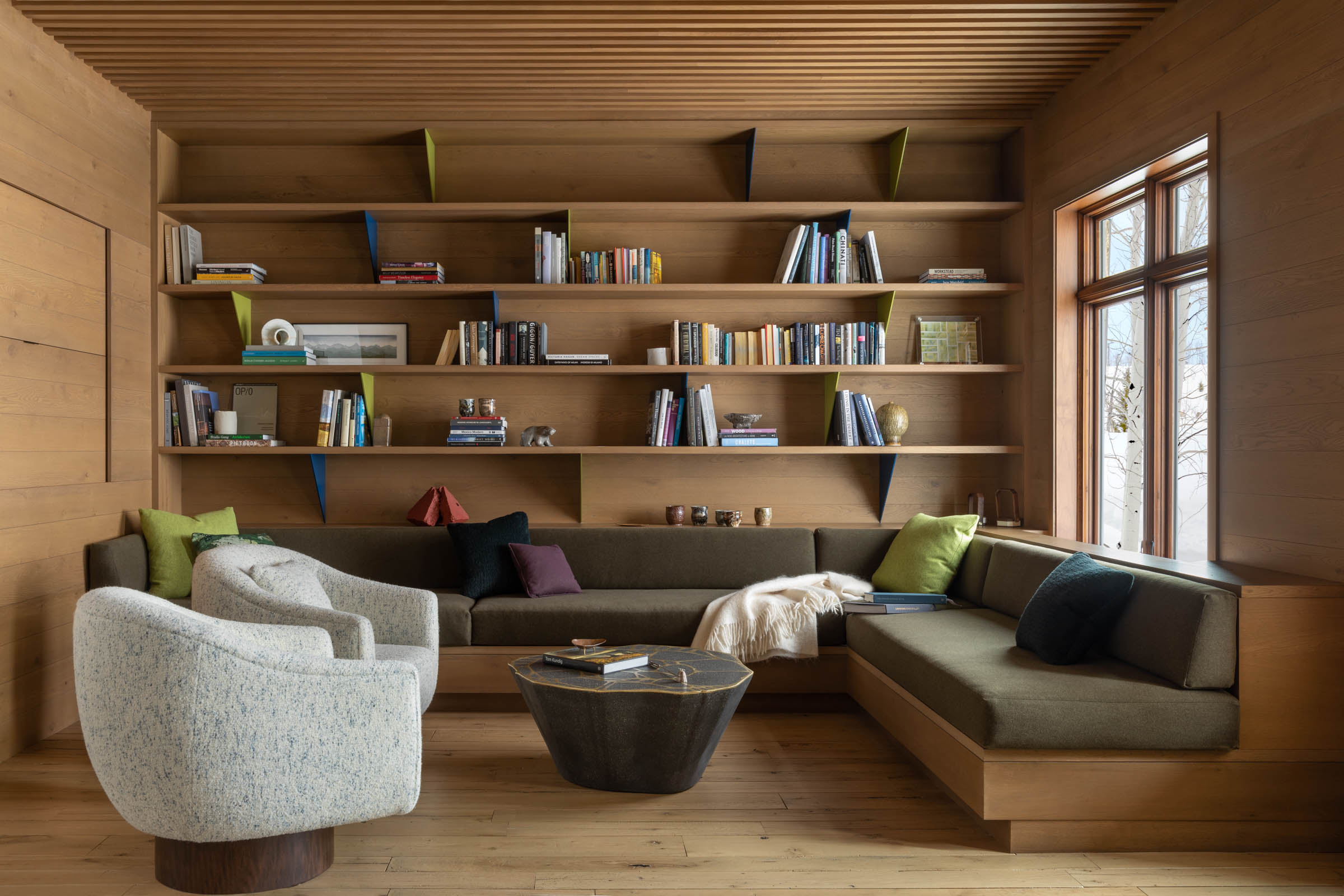
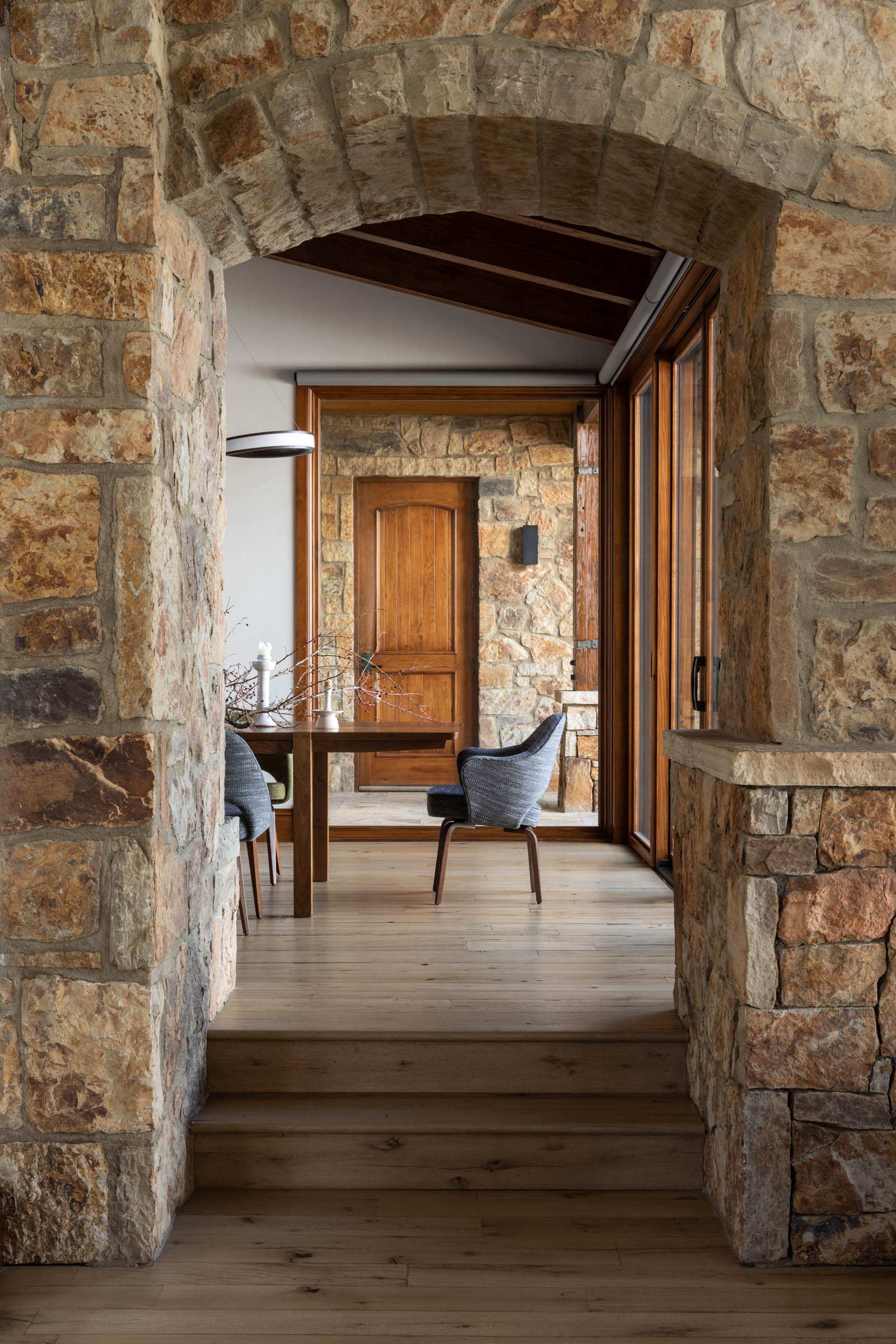
Throughout the home, special attention was given to existing woodwork. A lightening of the overall palette included bleaching the original floors and ceilings to enhance texture. The introduction of lighter oak in certain areas purposefully emphasized the juxtaposition of old and new.
Injecting character and vitality into an existing house without gutting it requires a restraint born of humility, a recognition that even quotidian architecture can be distinctive. R+B, with judicious interventions, bestowed light, transparency, axiality, and an unmistakable overlay of pleasure, creating for a young family of four a true, lasting home.
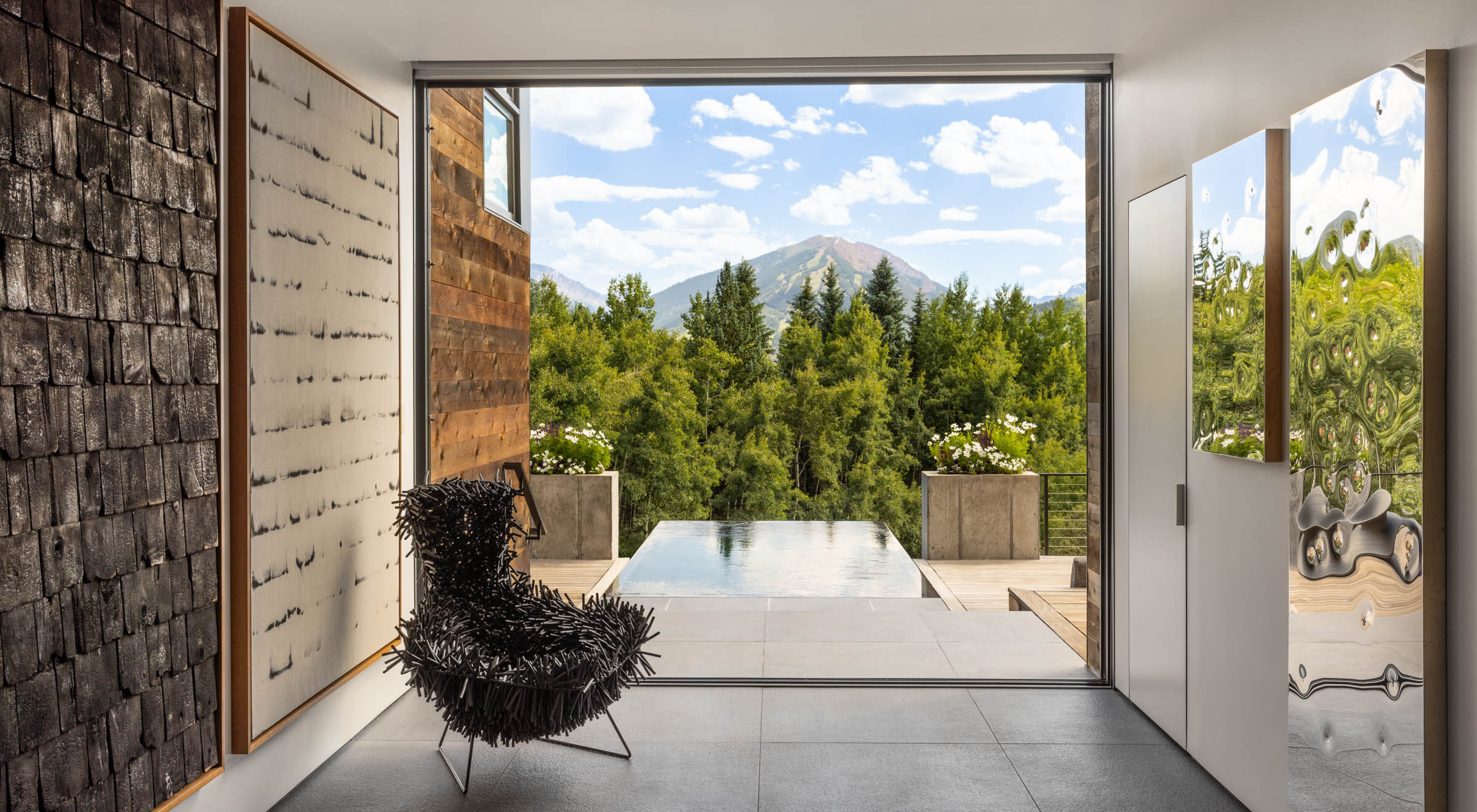
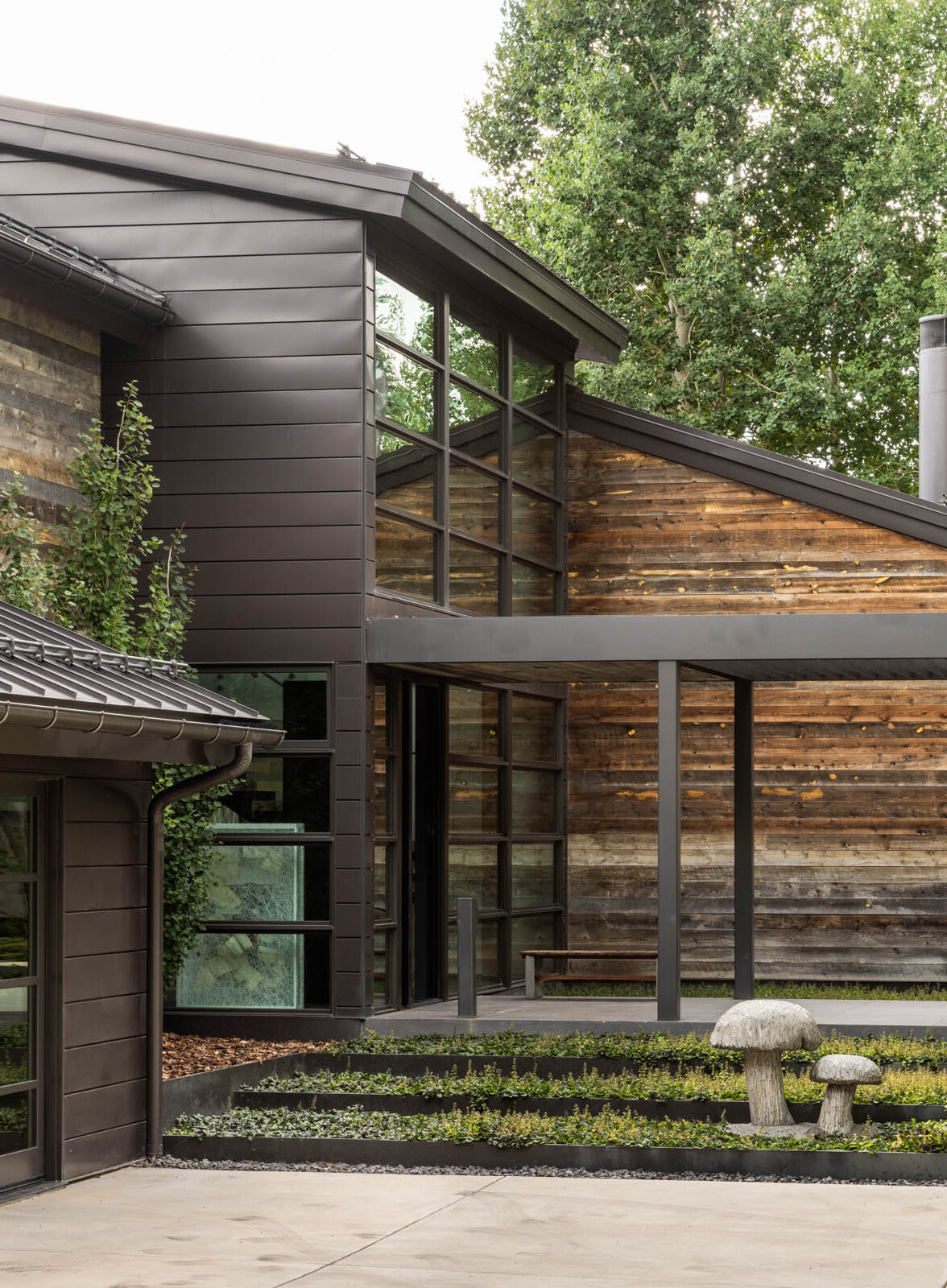
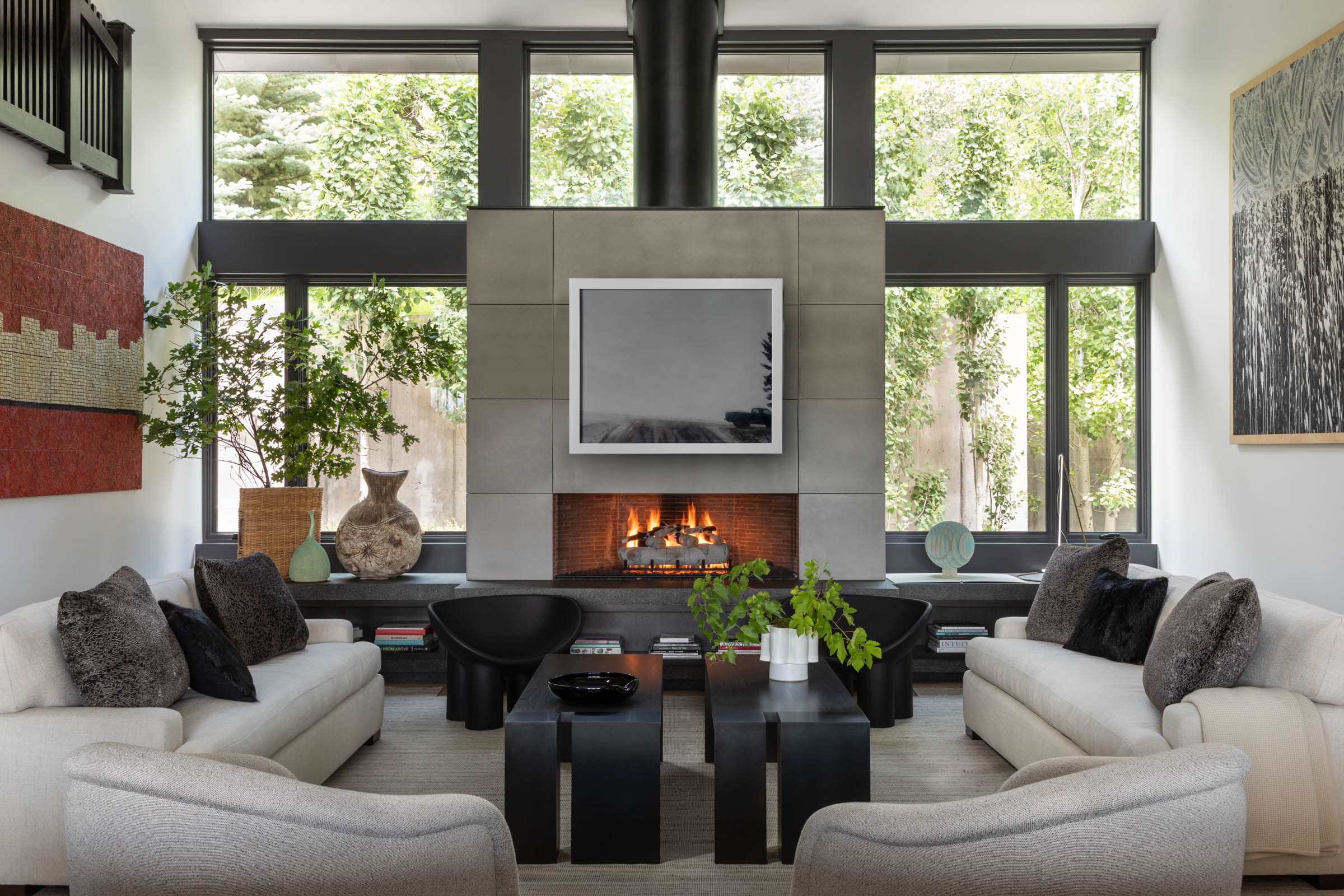
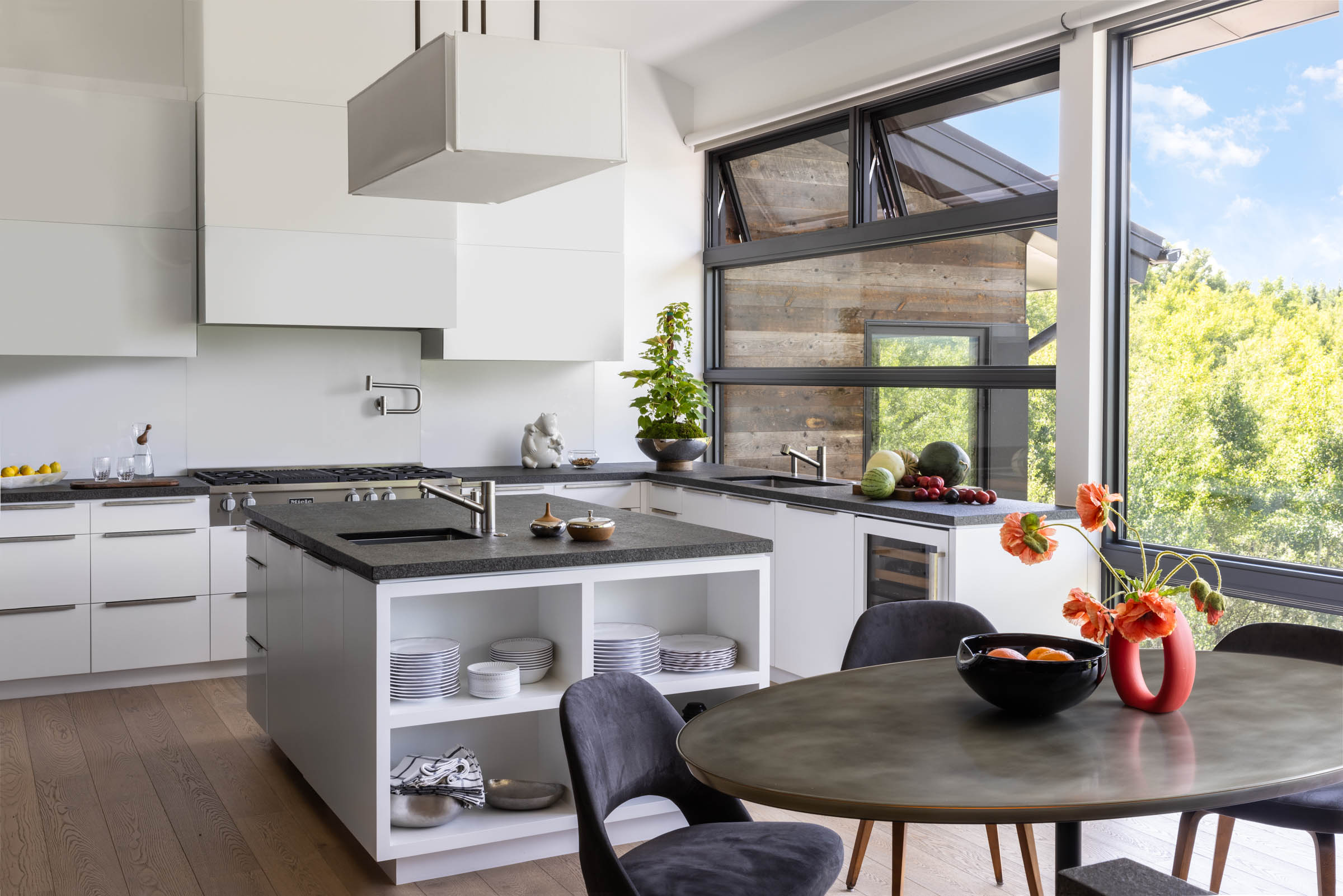
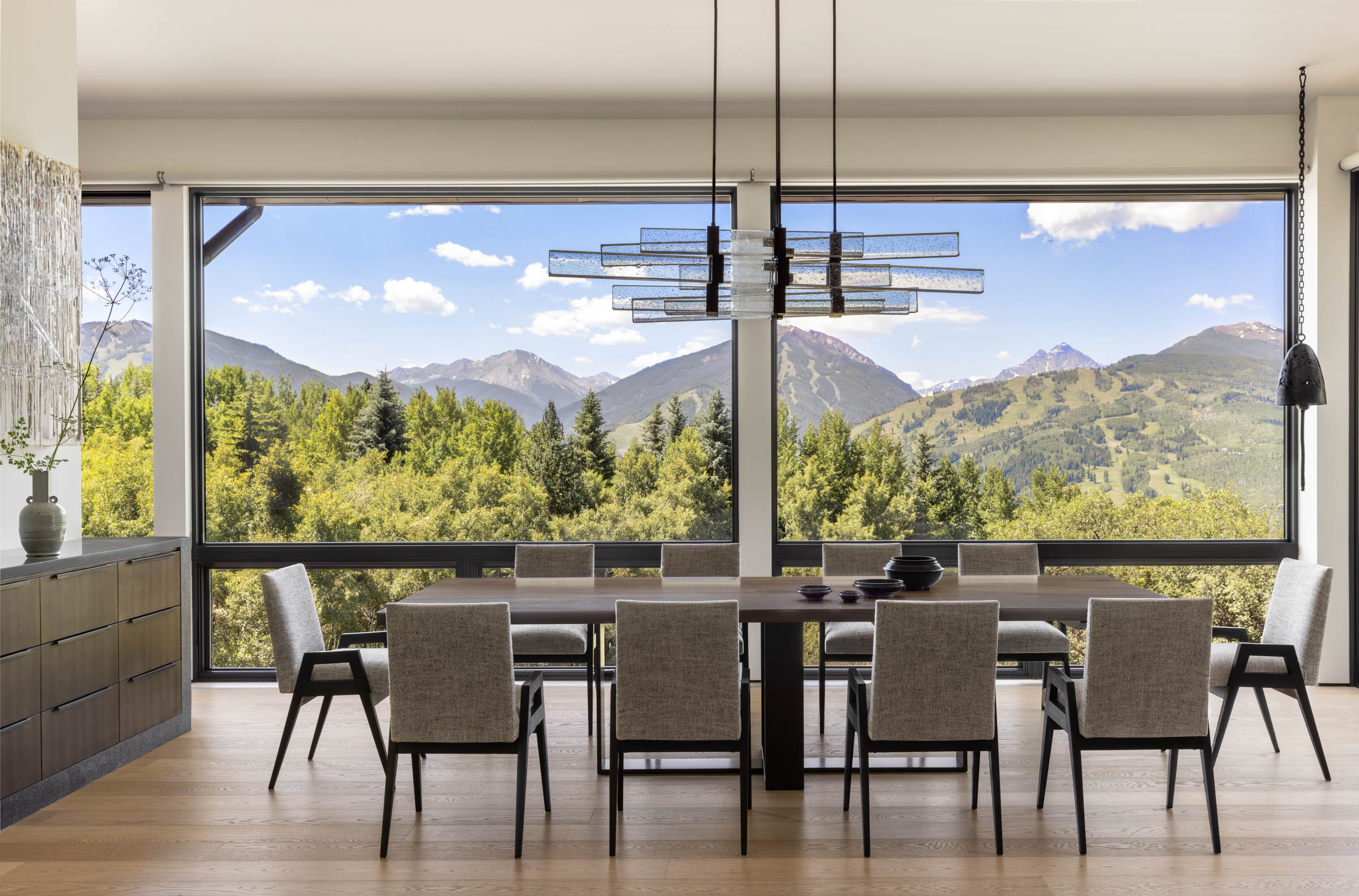
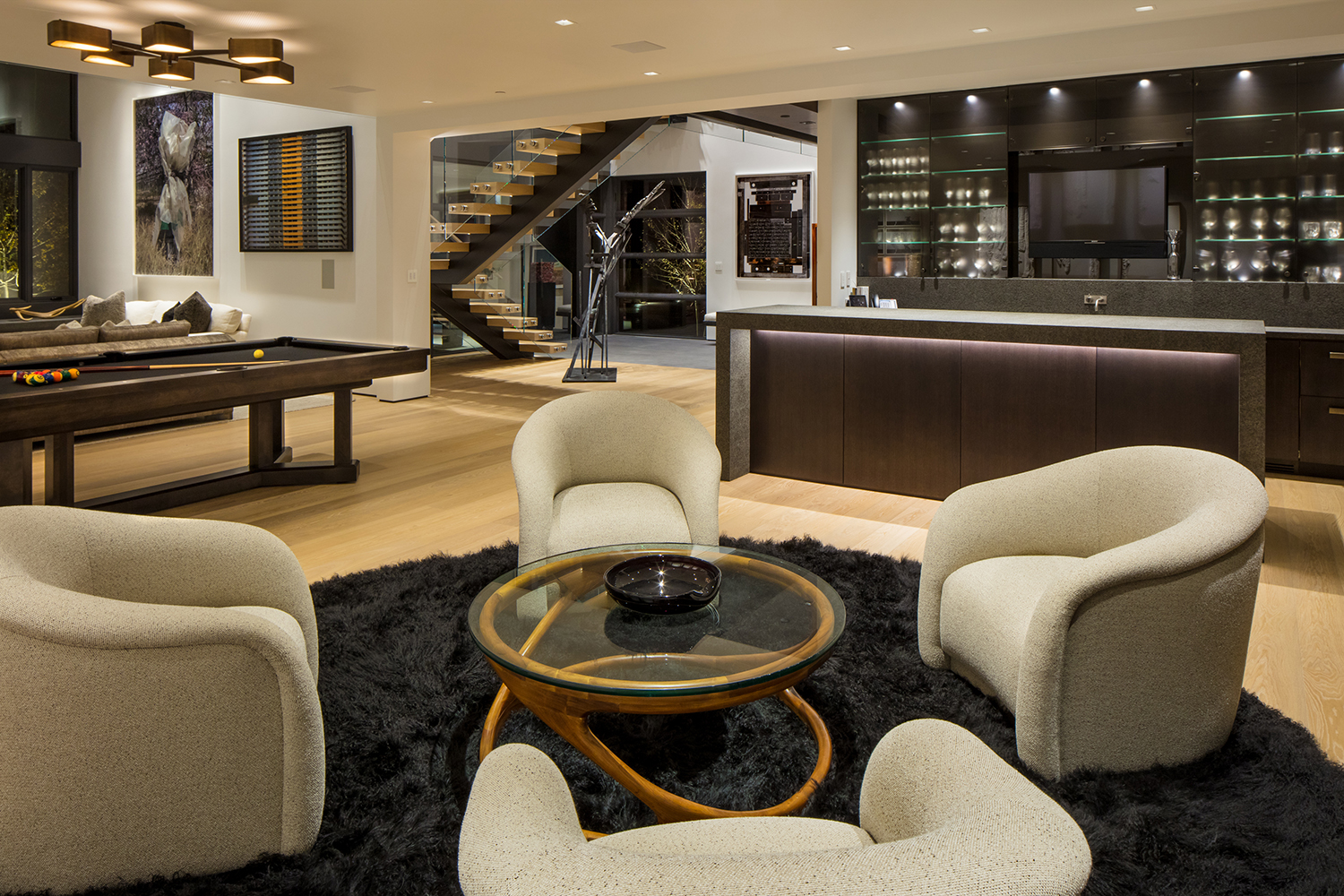
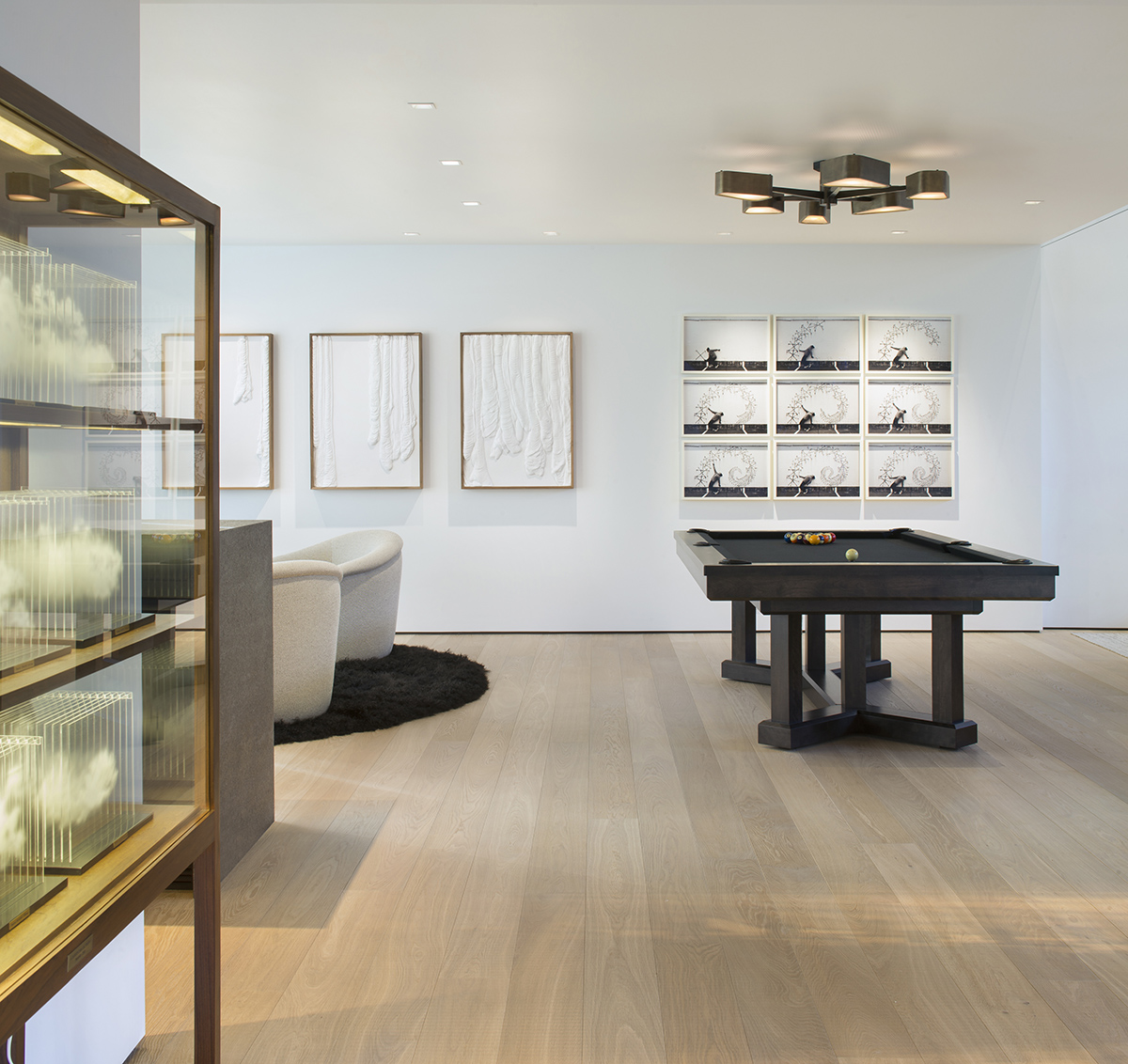
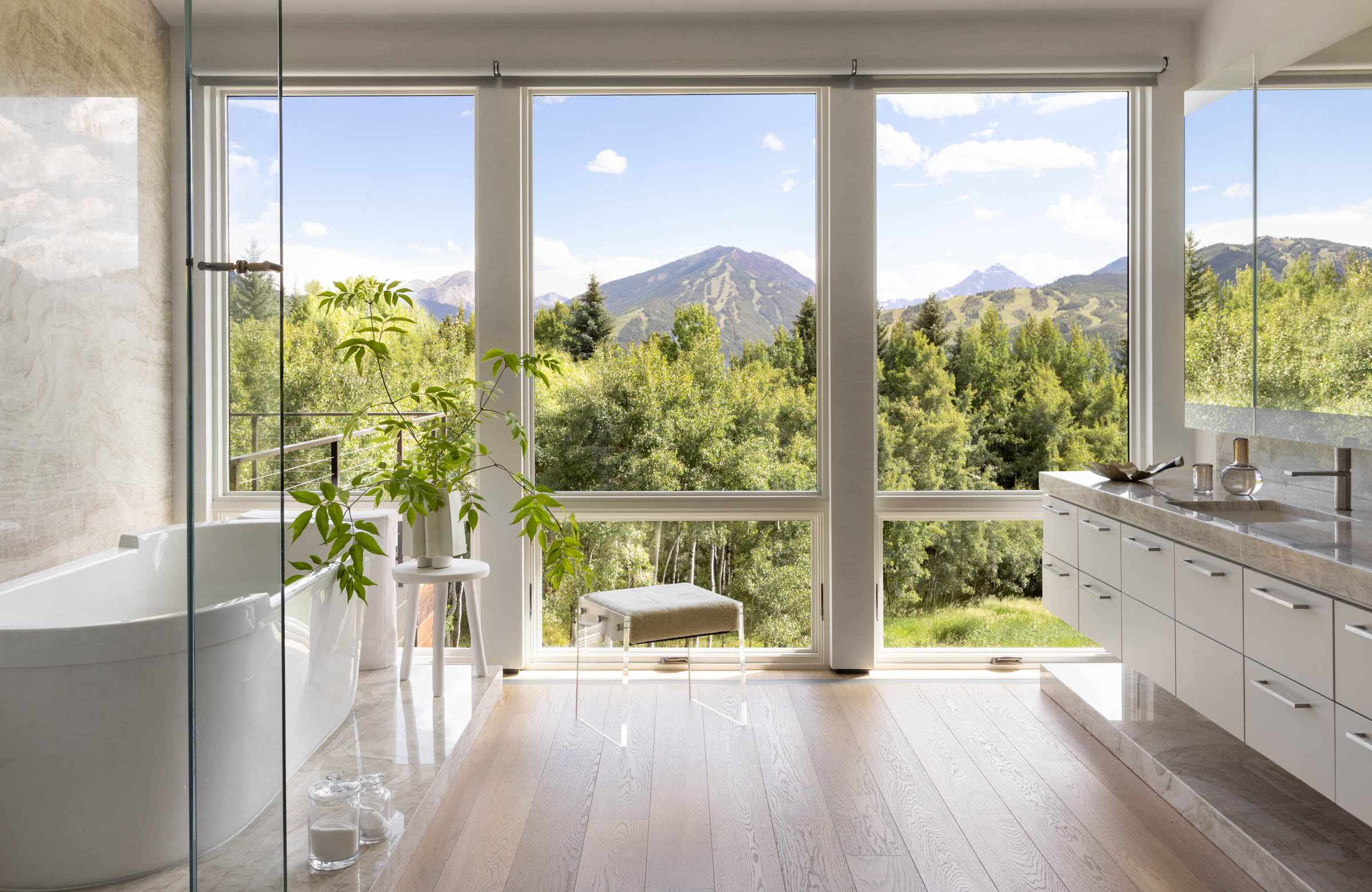
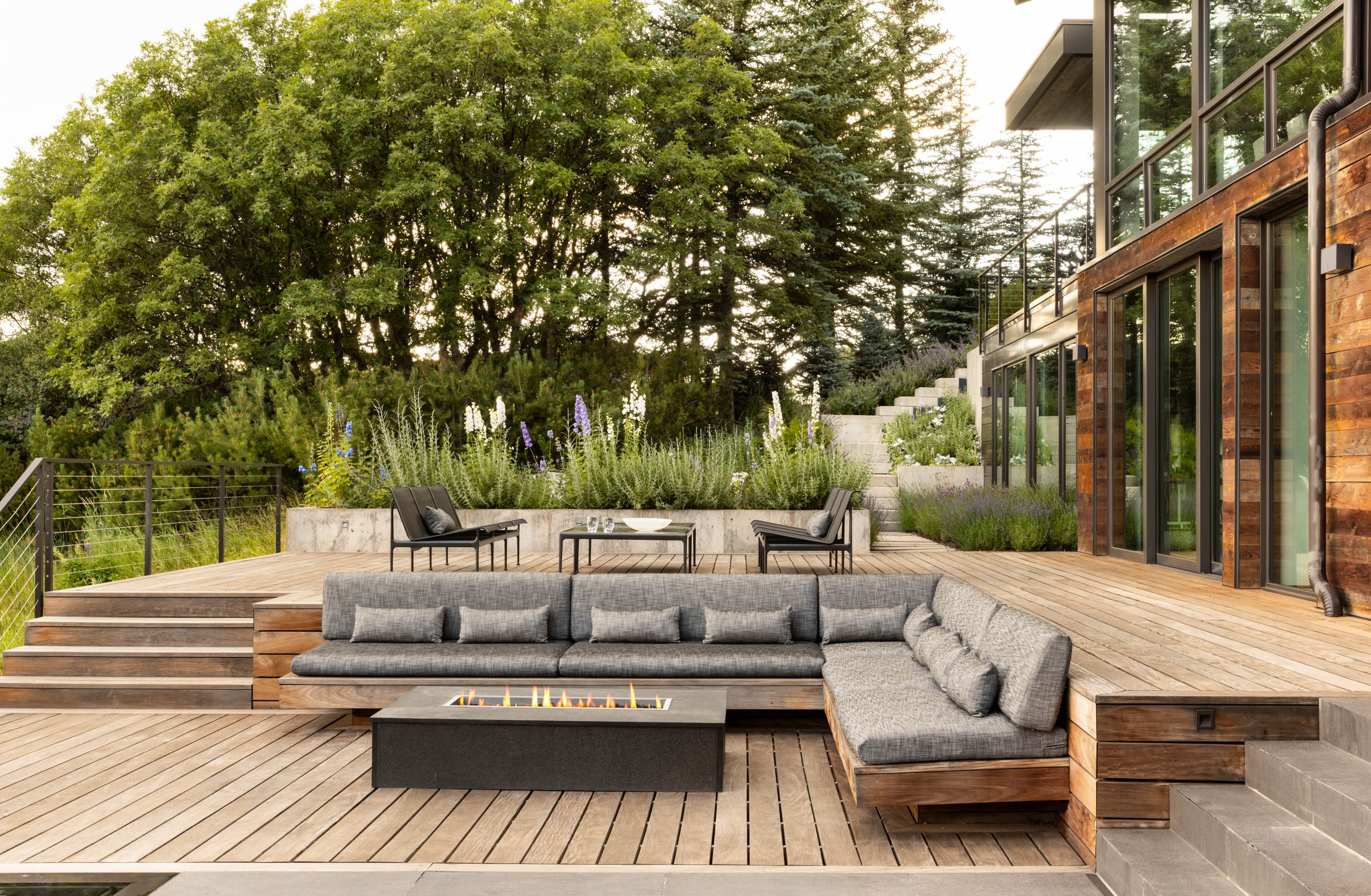
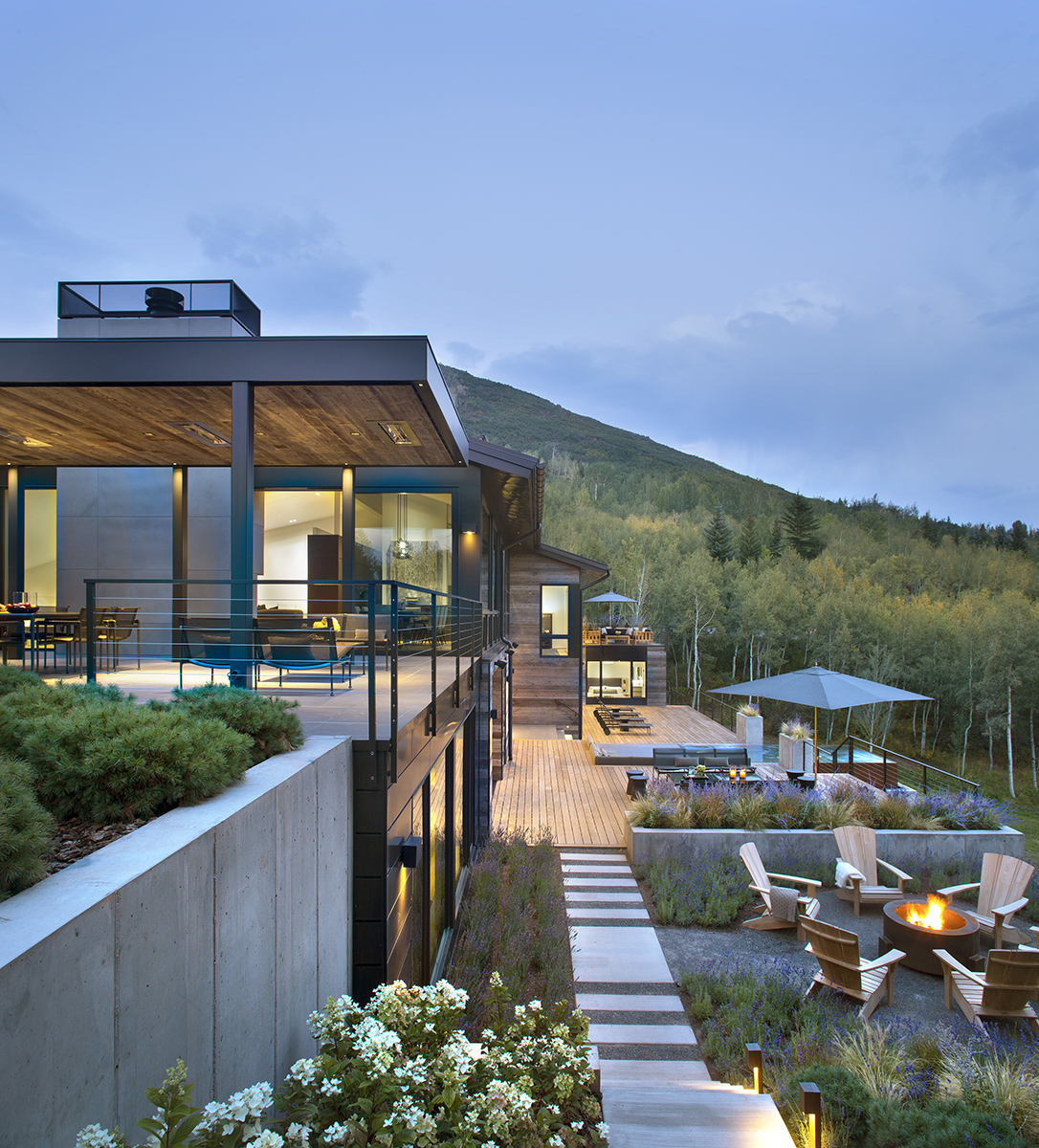
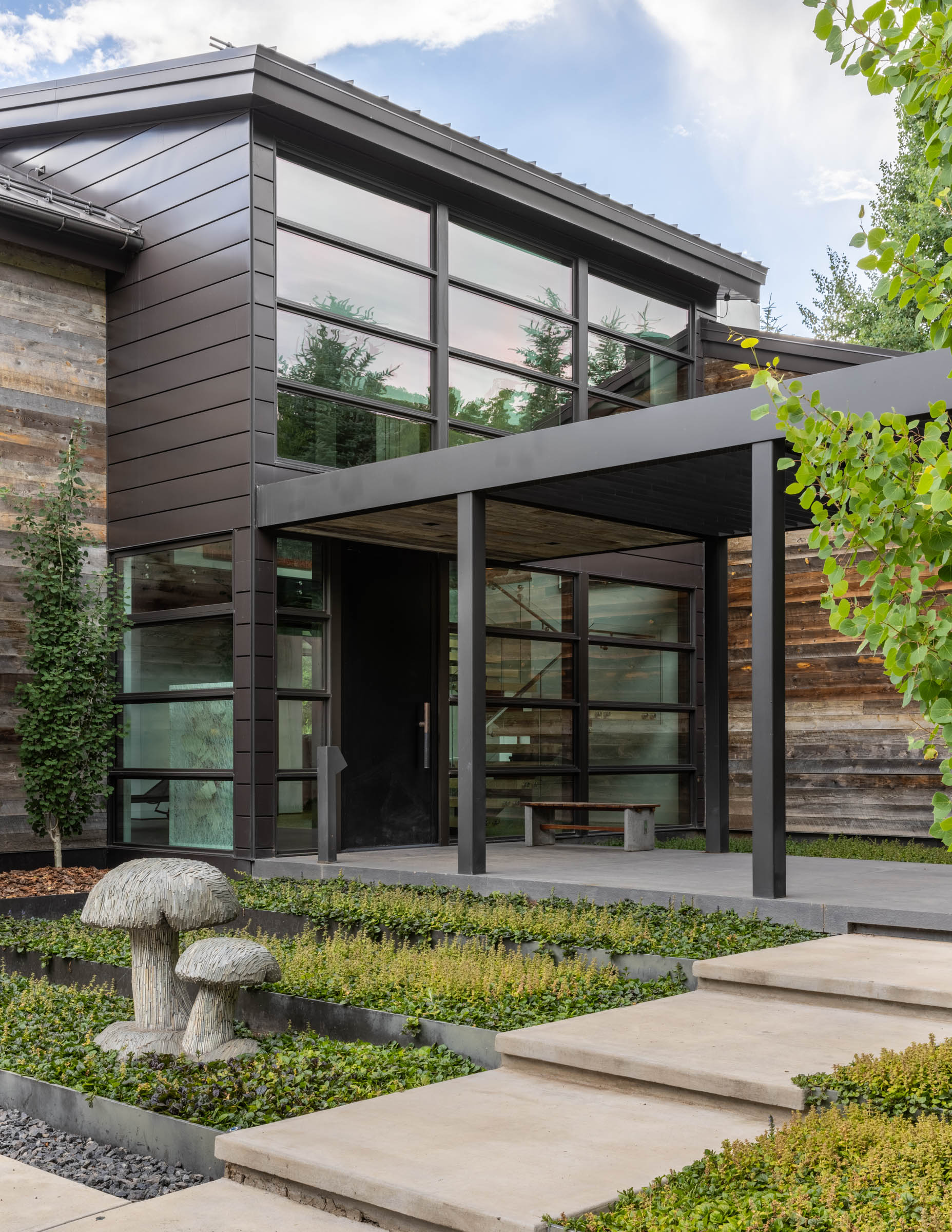
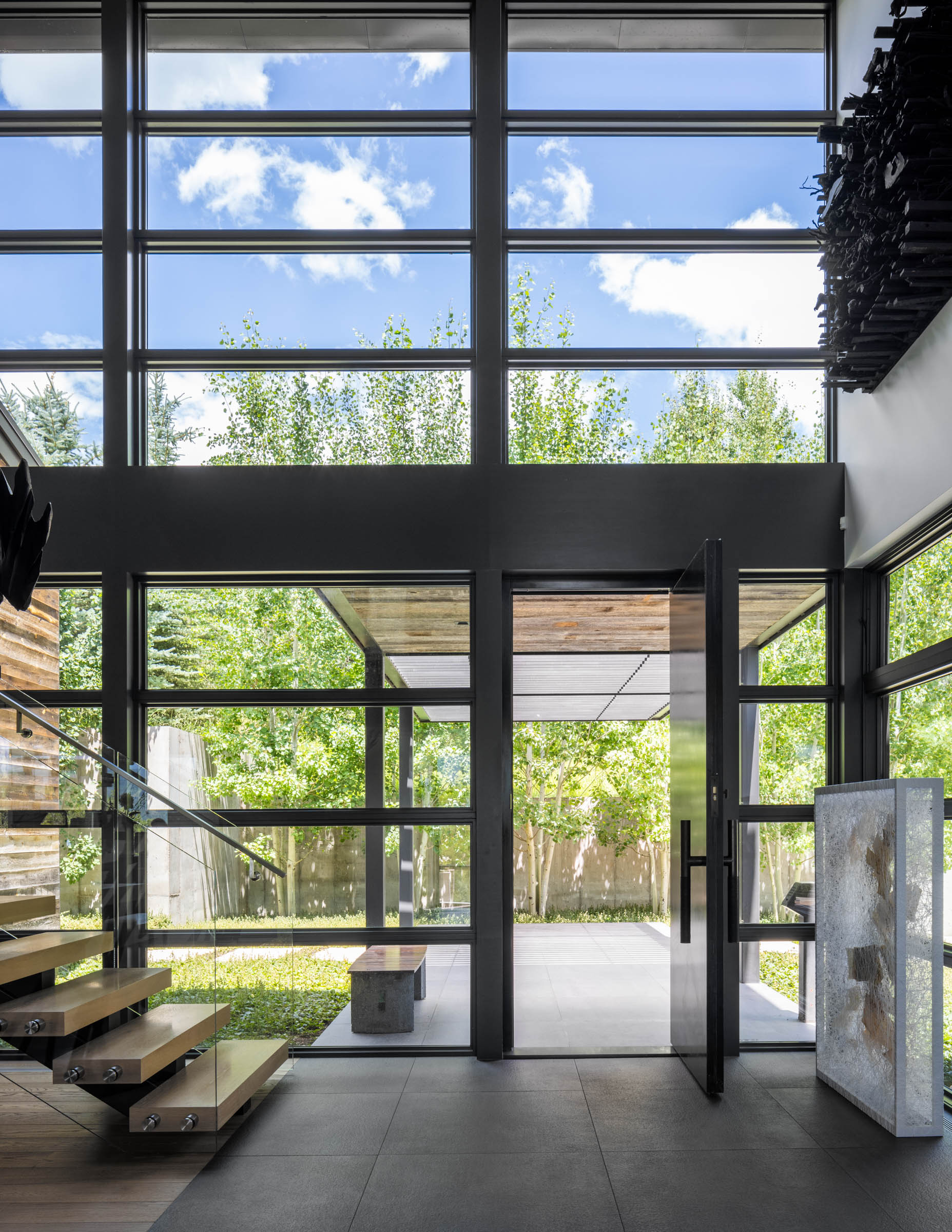
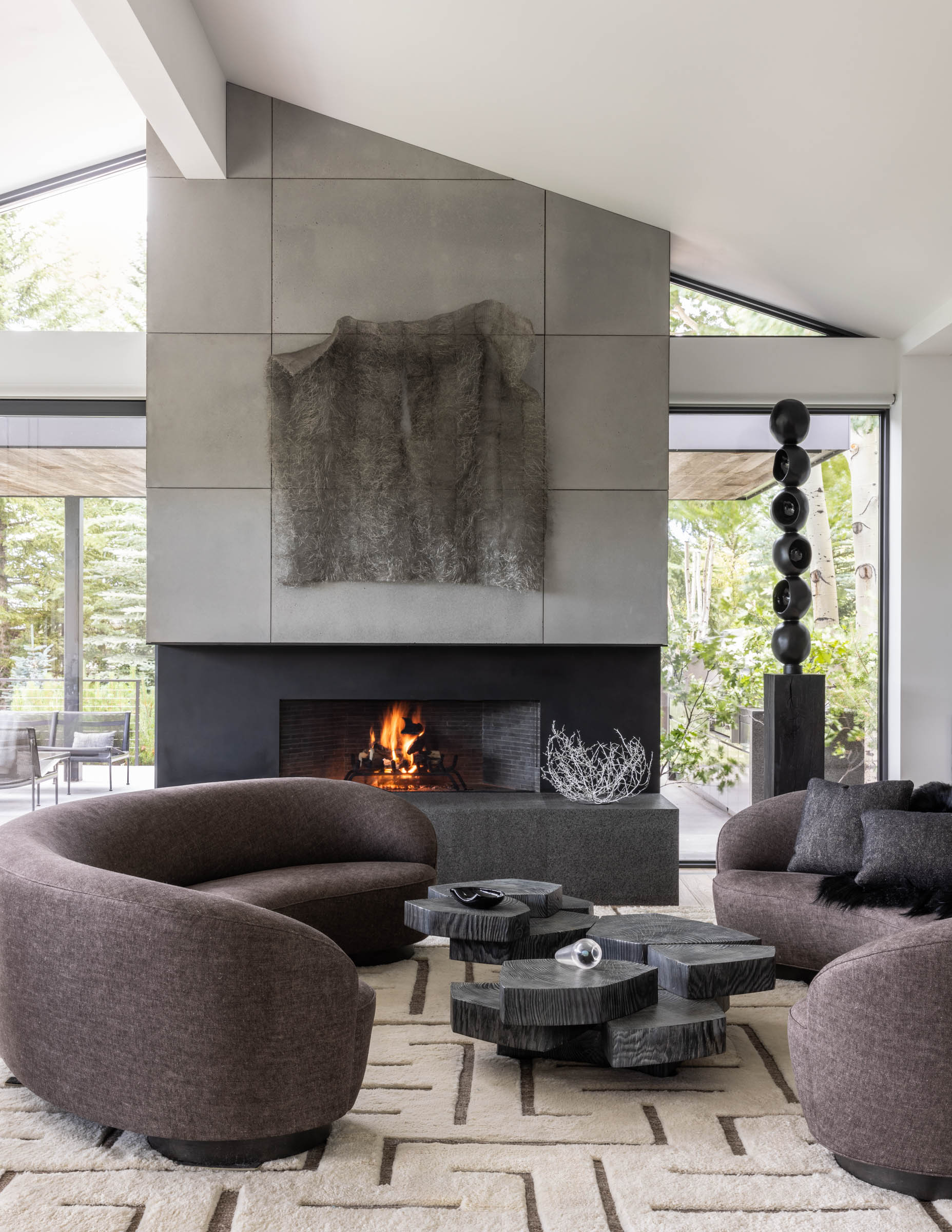
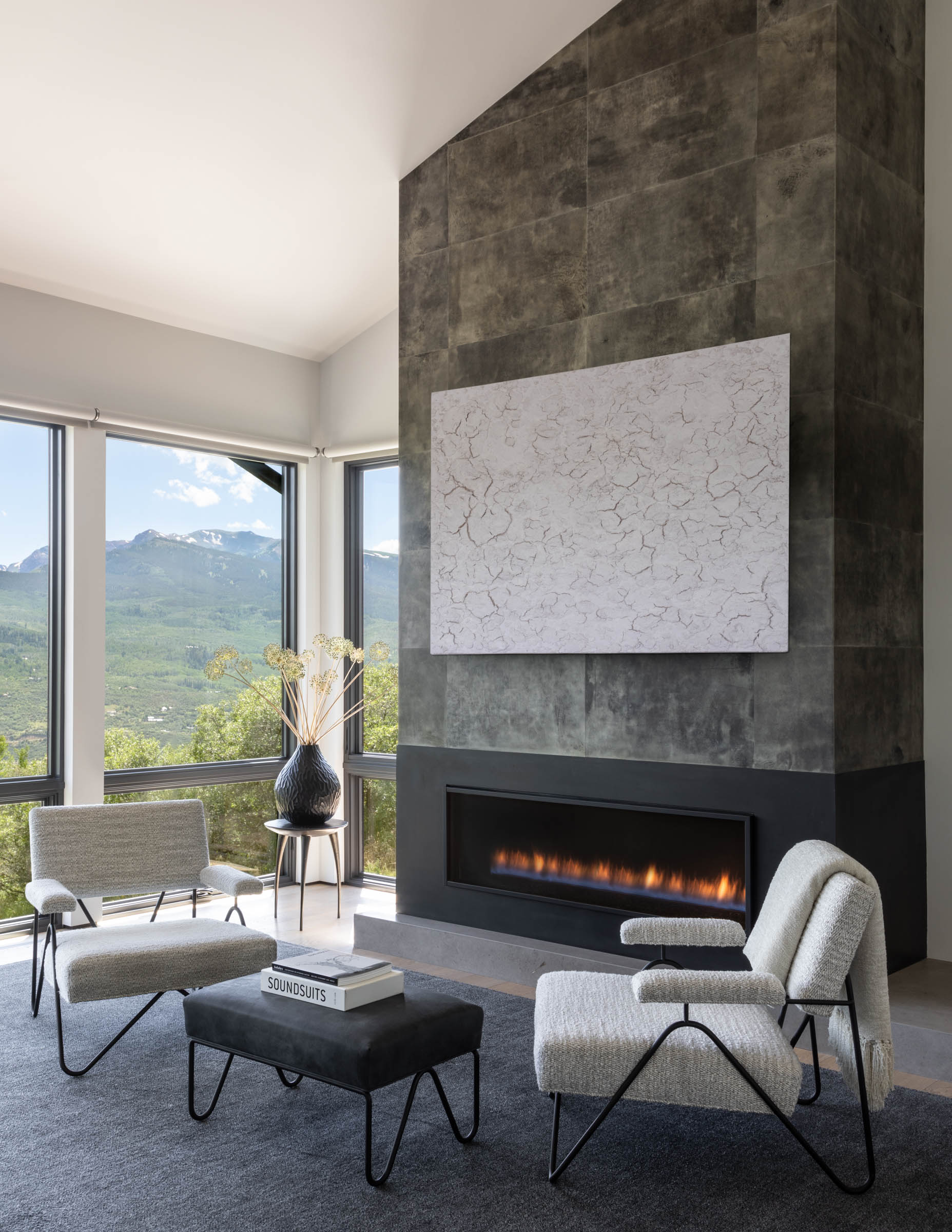
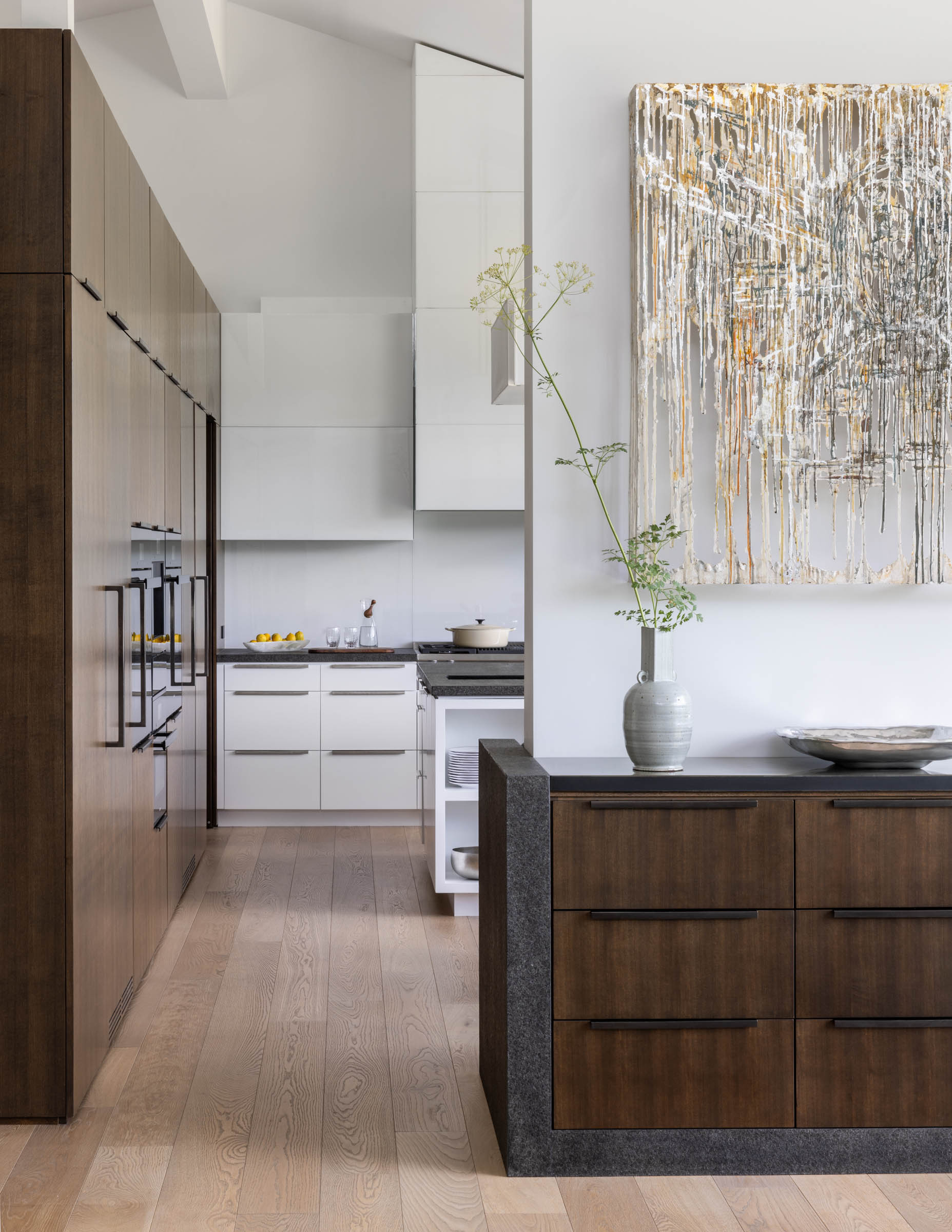
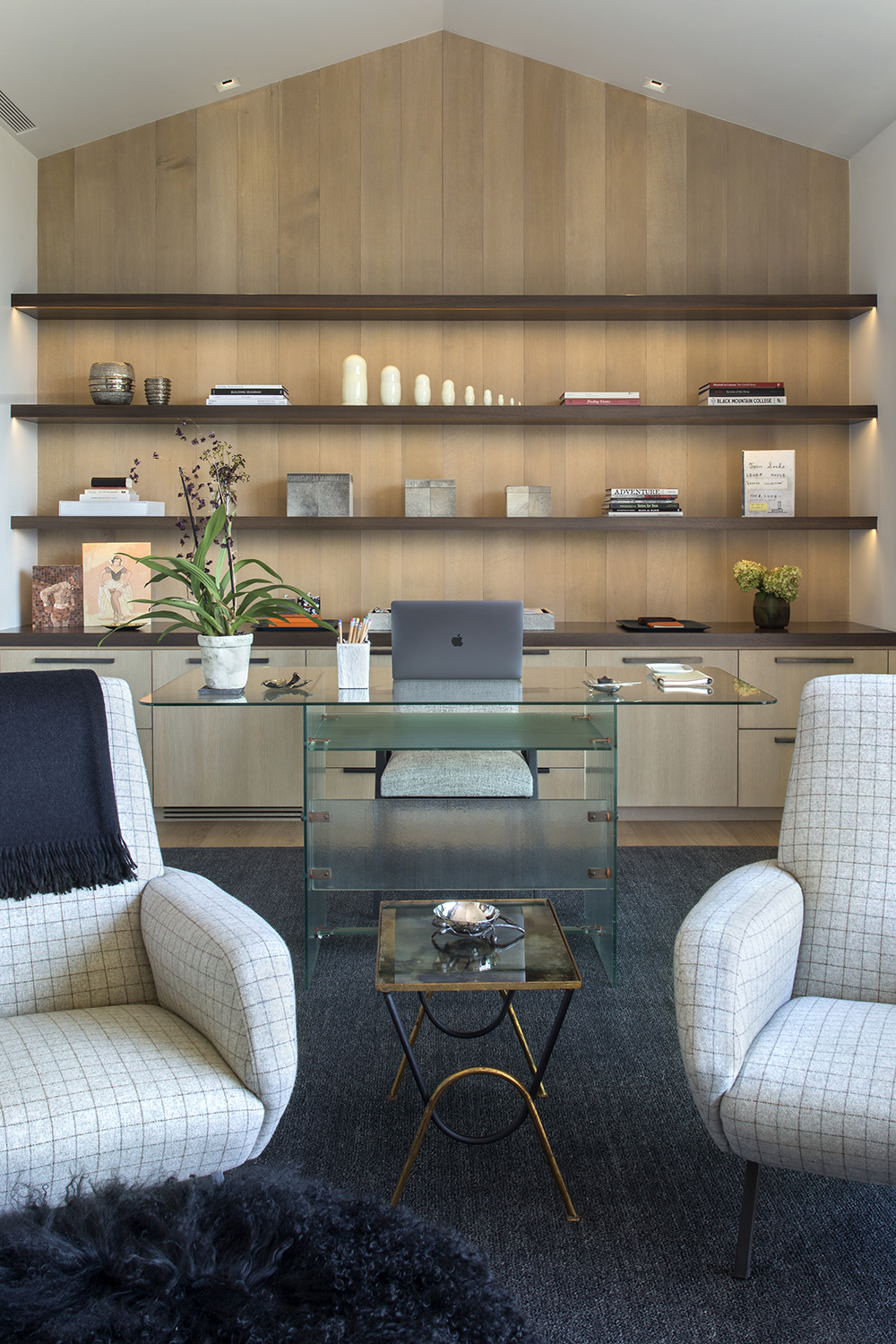
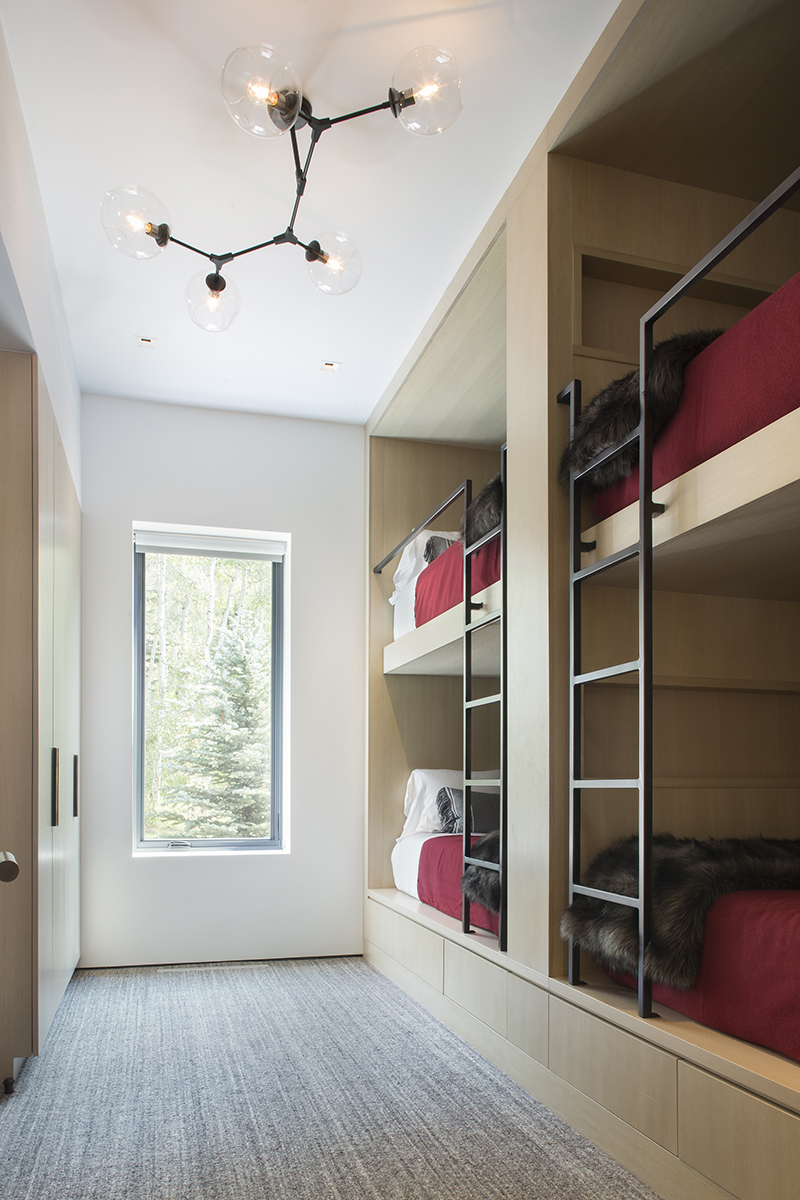
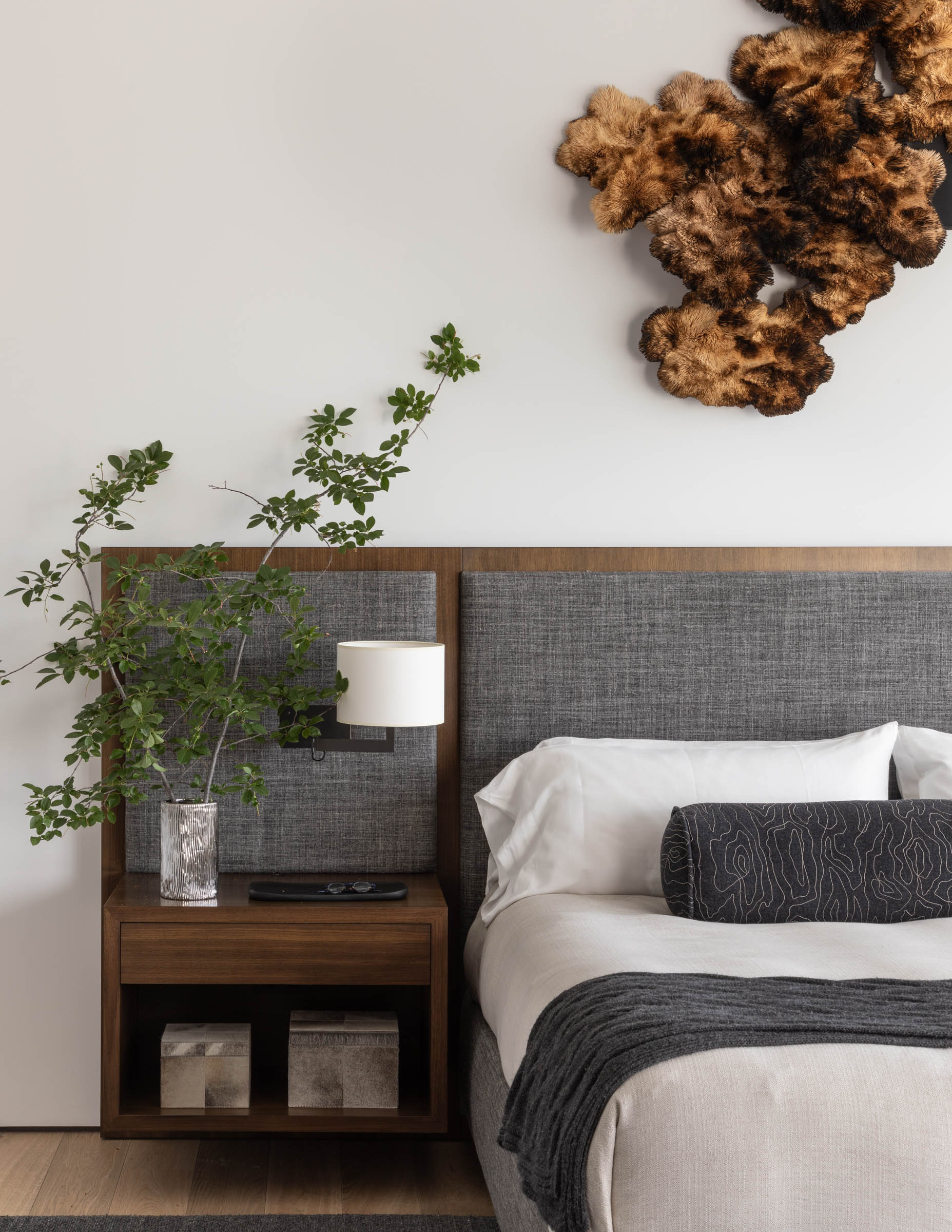
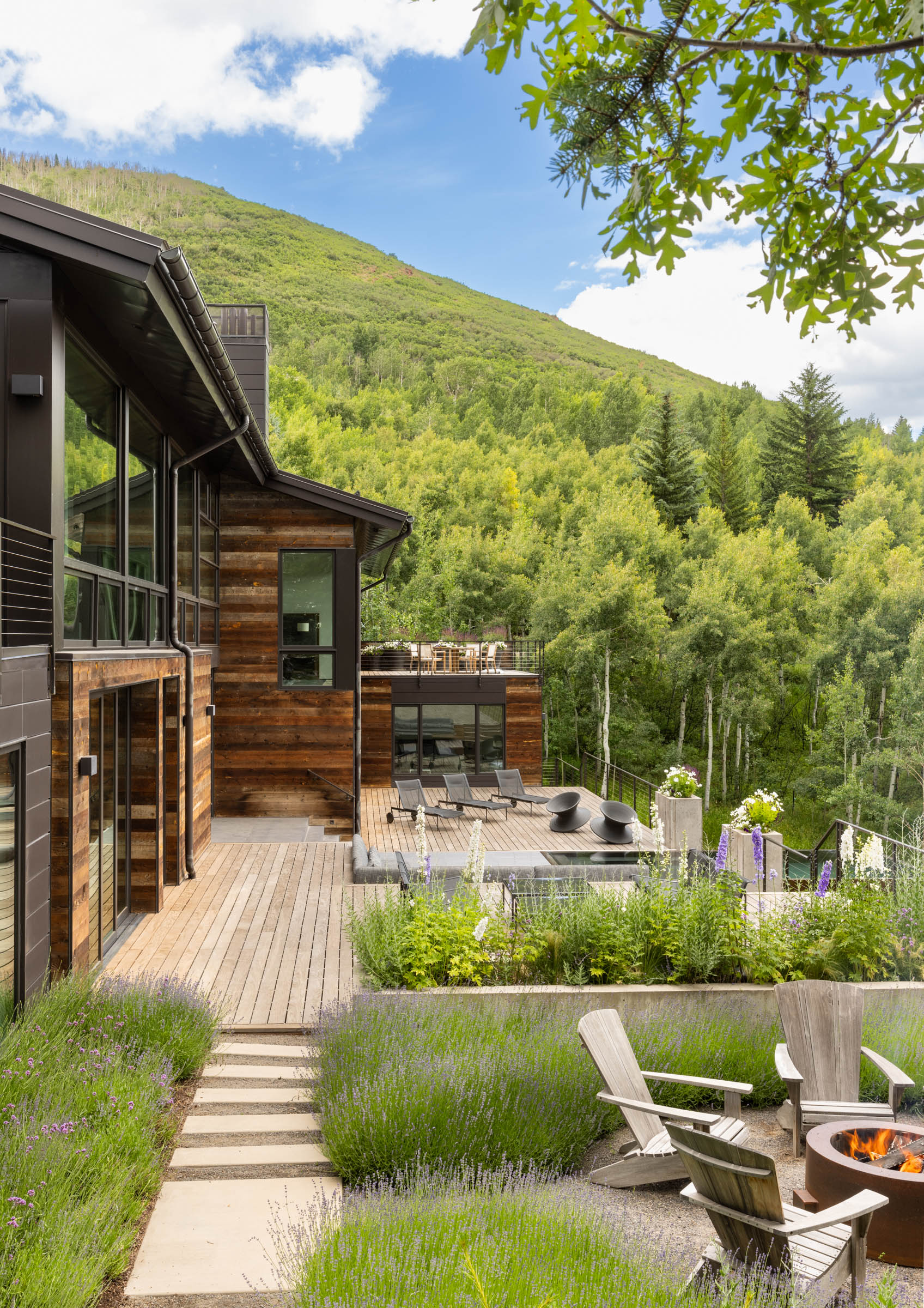
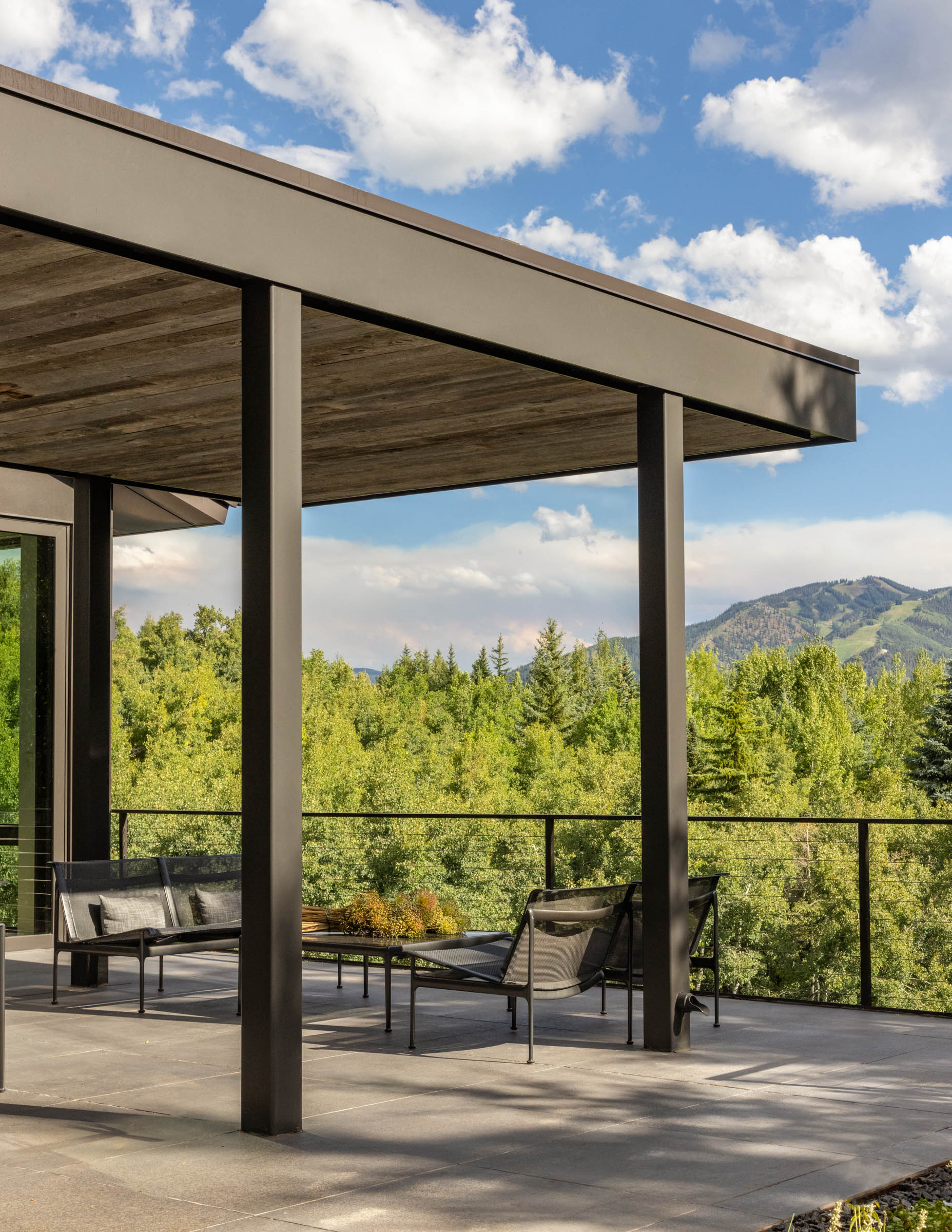
Lookout House, a grand dwelling enjoying sweeping views of Aspen’s Elk Mountains, occupies the footprint of the owners’ previous residence and is roughly the same size. But in its responses to the character of the location and the needs of the residents, Lookout House could not be more different from its predecessor.
The site overlooks a dramatically down-sloping meadow that, as it is densely forested on each side, remains invisible to the neighbors. Given the circumstances, we perceived two opportunities: to make the house a portal to the meadow, and to maximize the building’s visual engagement with its surroundings.
Regarding the former, R+B chose to directly connect the north-facing entry façade to the house’s southern elevation, which overlooks the view. An axis beginning at the covered entry, and continuing through the overscaled pivoting front door, extends directly through the house to a pocketing glazed panel on the south facade, a window that opens onto a mountain-filled vista and, a few steps below on the deck, a copper spa pool.
As for the latter challenge—capturing the slope—we set the secondary rooms on the lower level and the primary spaces upstairs, where they enjoy views that, beginning far below at the bottom of the meadow and traveling up to the mountain peaks, are pleasurably commanding.
Unusually for Aspen, a place in which the mountain-lodge vernacular predominates, the house’s sensibility is akin to the modernist grandeur of postwar urban architecture. Given the abundance of the owners’ contemporary art holdings, the choice remains entirely appropriate. If there is a dominant design motif, it is horizontality: Floating planes and layered plinths transform in function and character as they slip from space to space, defining rooms as discrete entities and uniting them into a single interlocking experience.
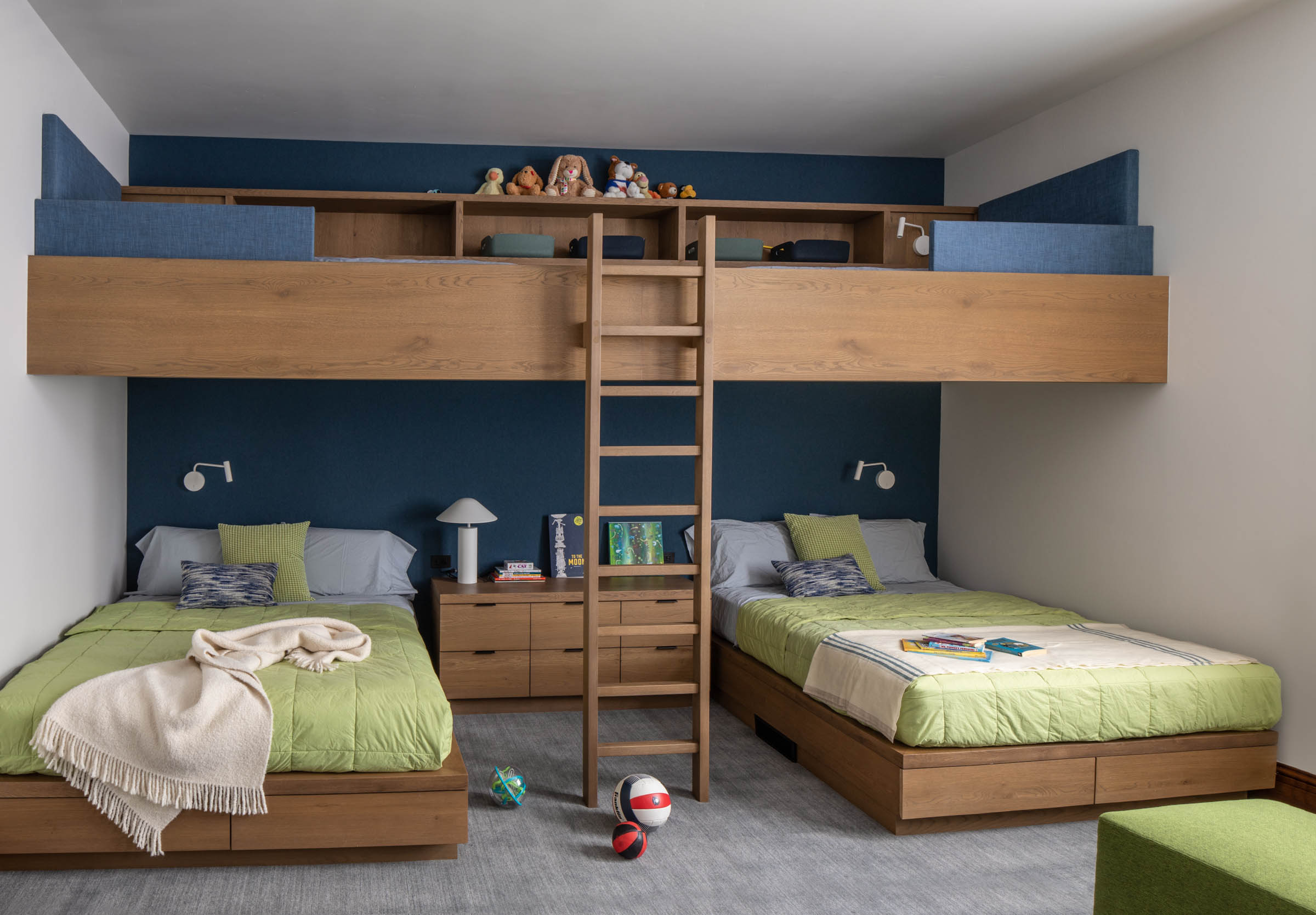
Various of the design’s qualities support an innovative way of enjoying a near-museum scale collection in a relaxed domestic setting. The first is a high level of visual connectivity from room to room and floor to floor. Lookout House is also made welcoming by the fluidity of its palette, which morphs from concrete to oak to limestone to leather as it flows from space to space, connecting to the house’s exterior materials and the natural world beyond. Above all the dwelling conveys an overwhelming sense of craft. ‘Everything in this house was custom-designed,’ Broughton observes. ‘Not only did we design the beds, we even made the pillows. It was an incredible opportunity.’
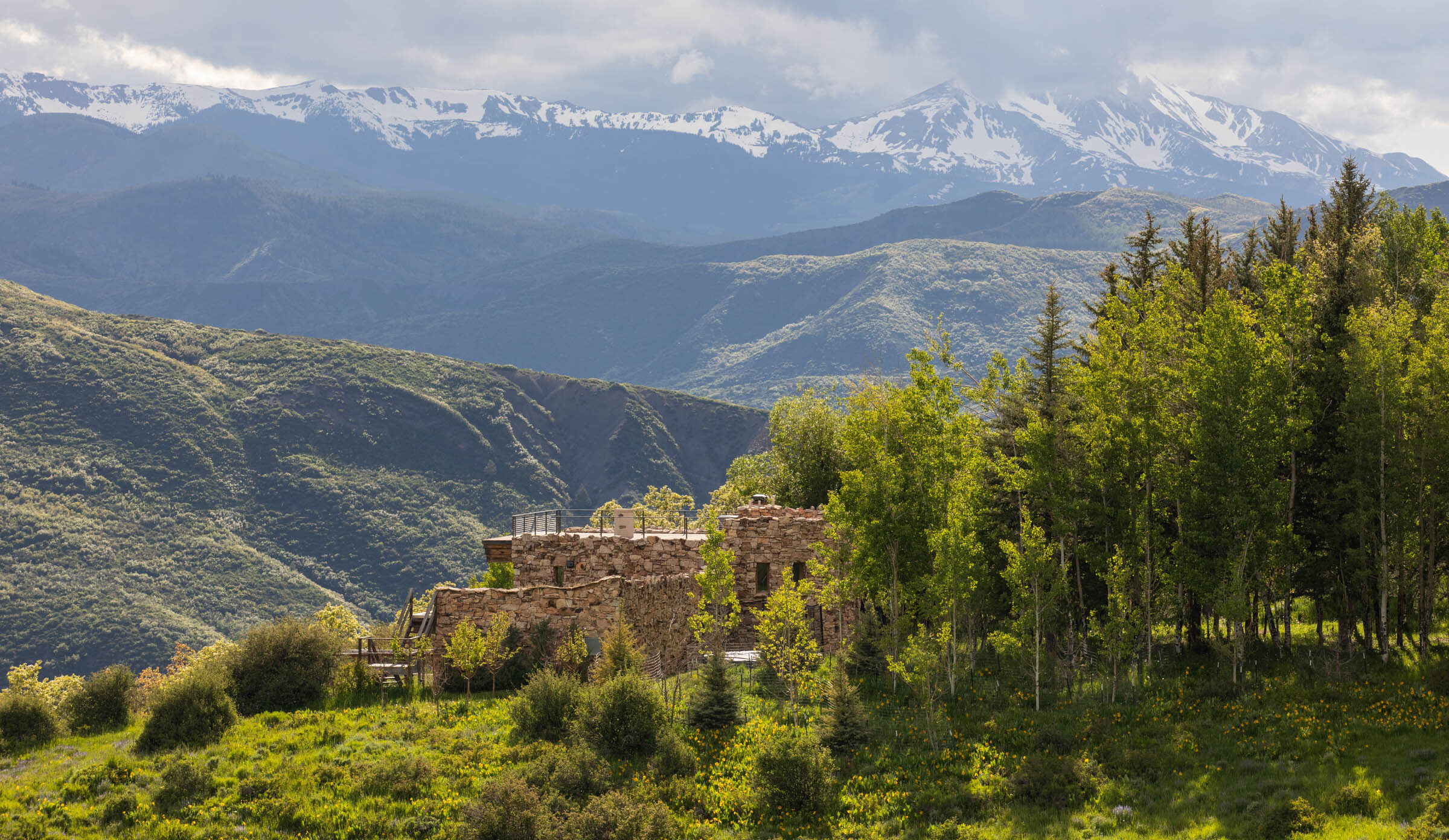
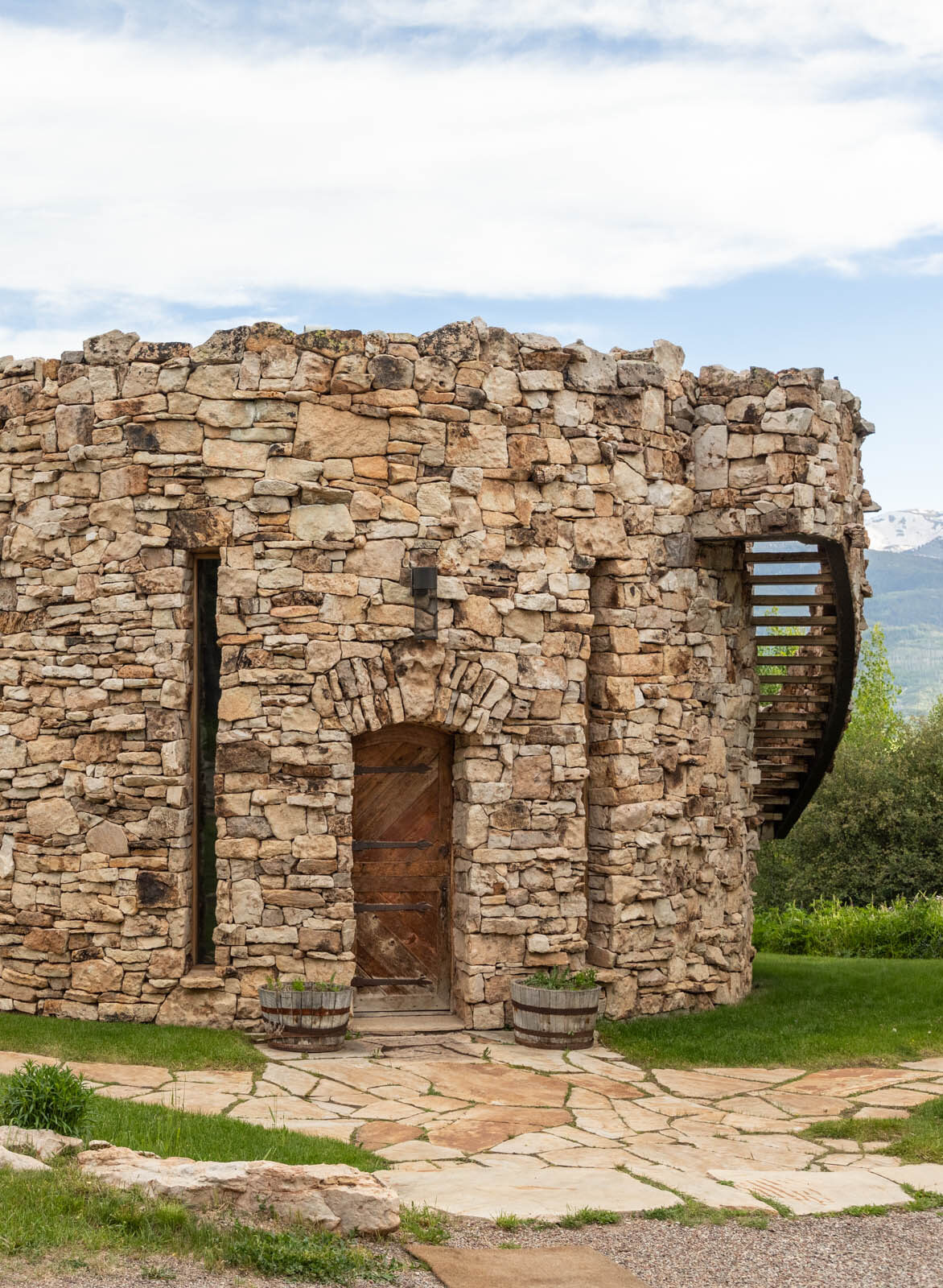
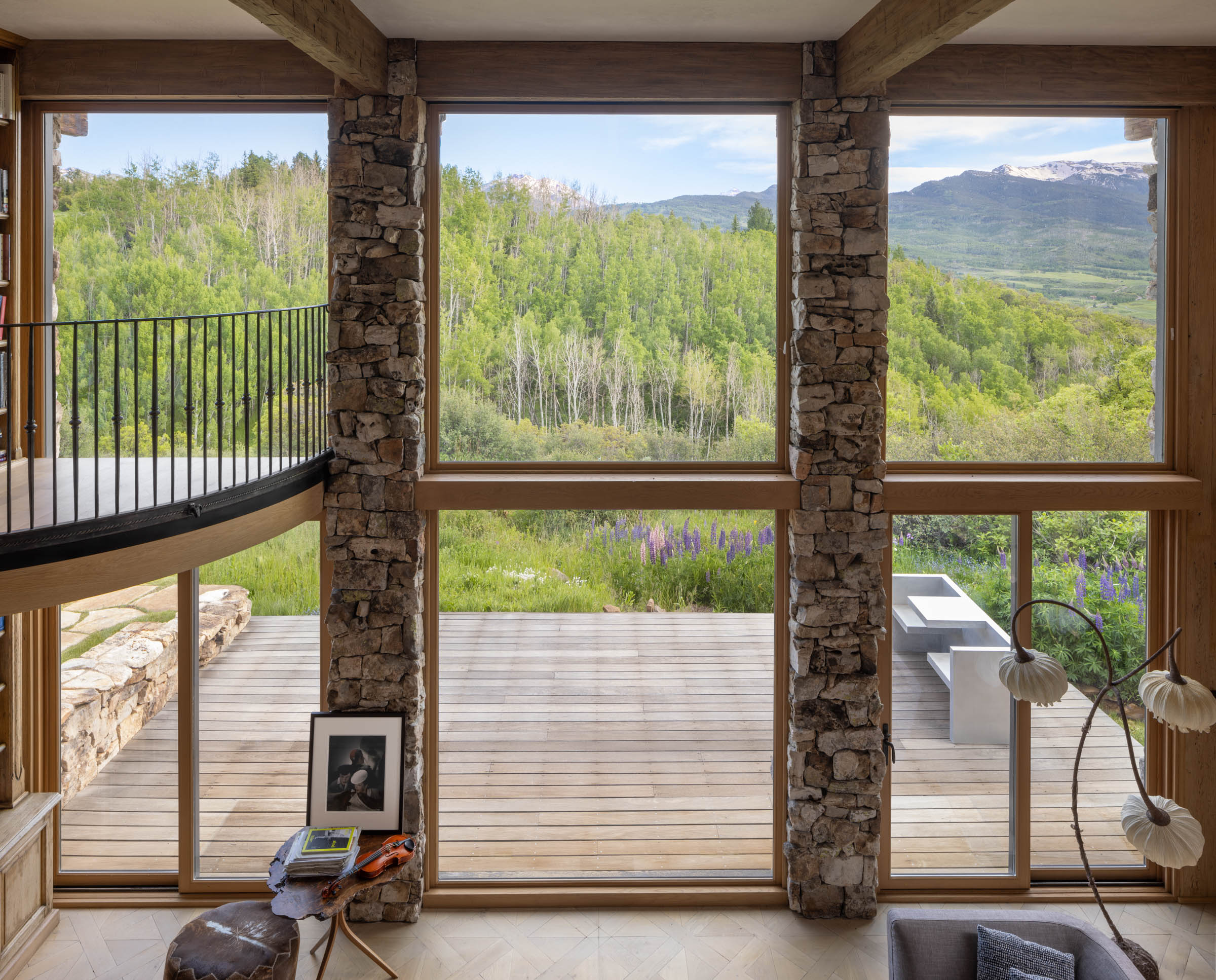
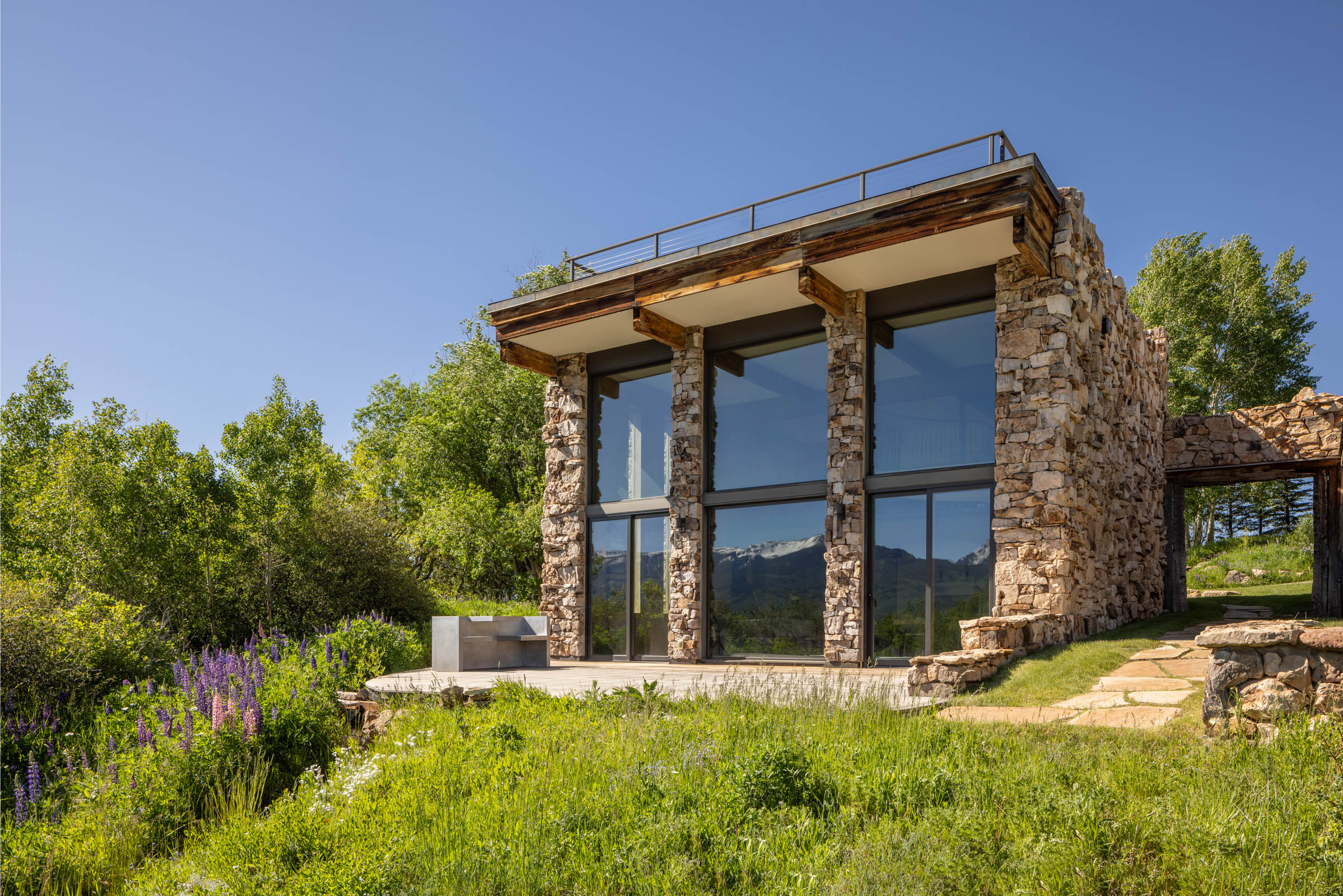
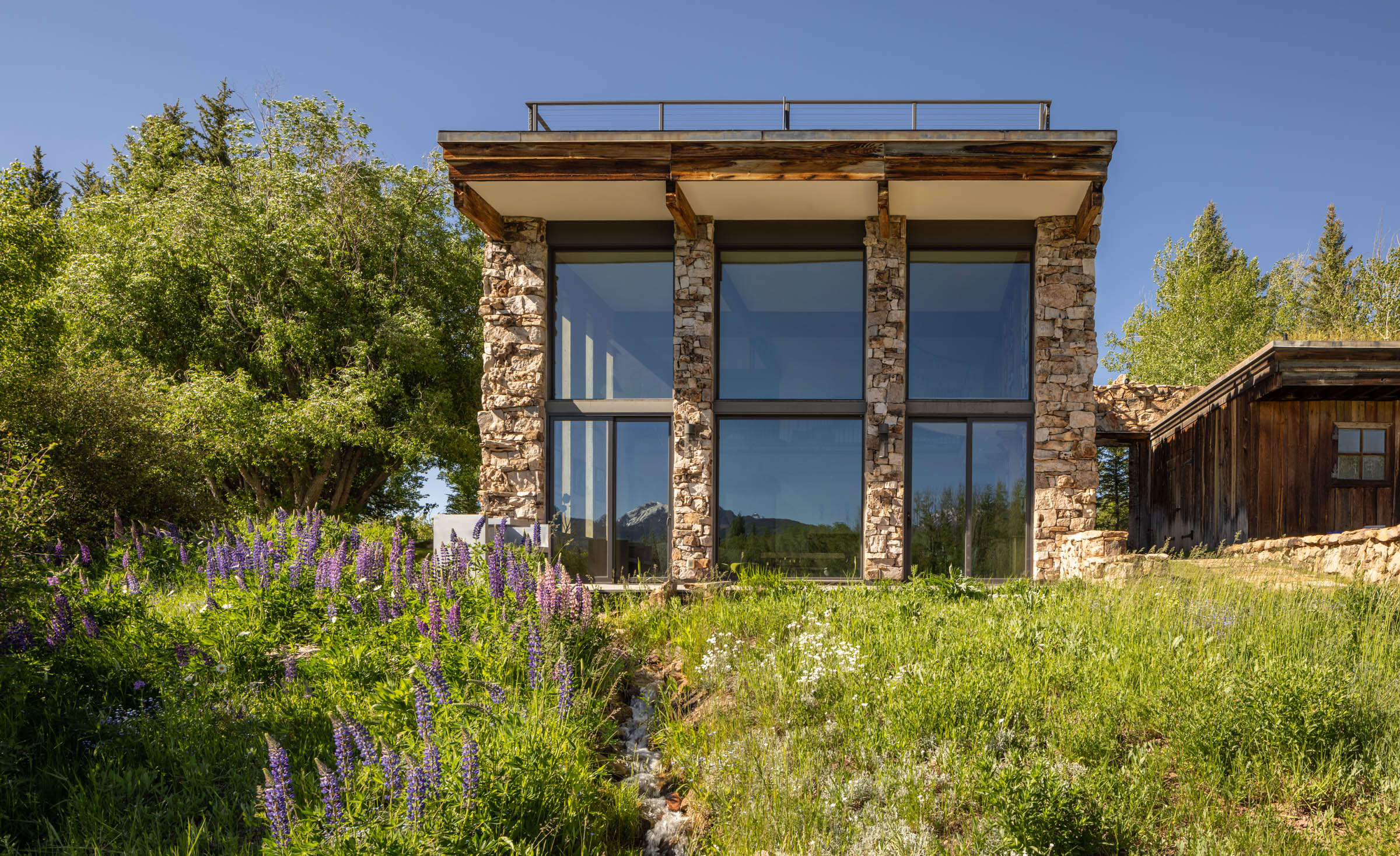
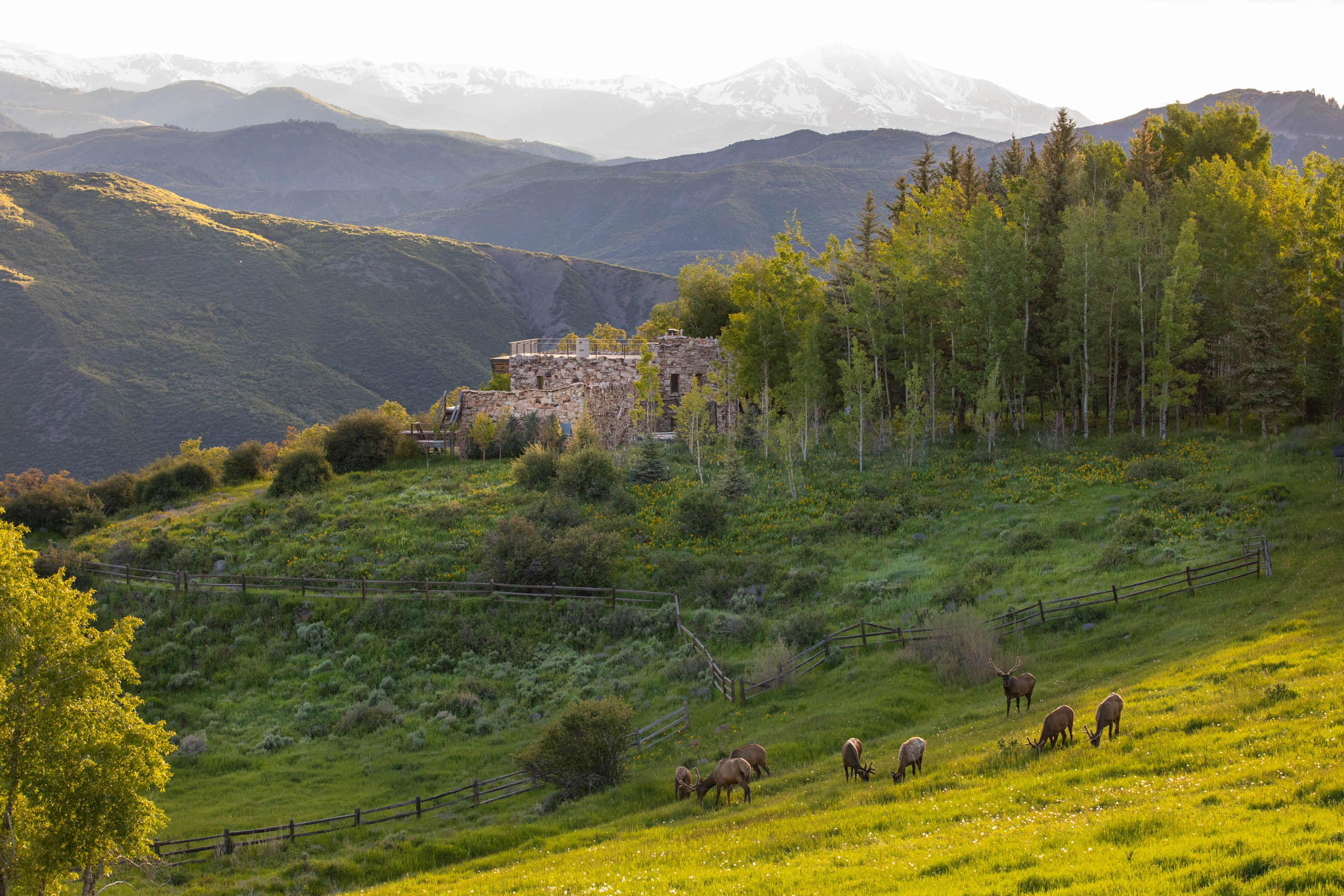
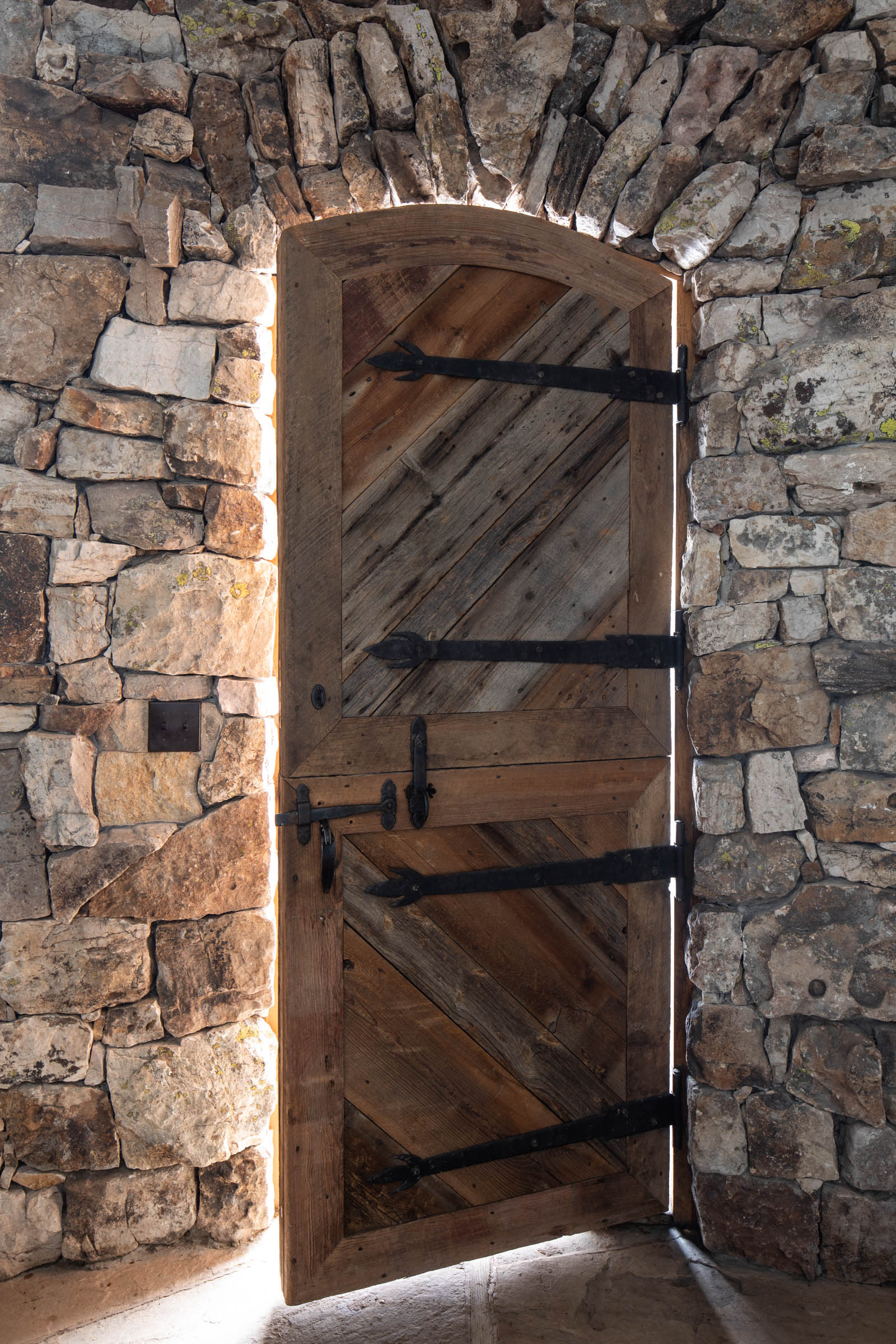
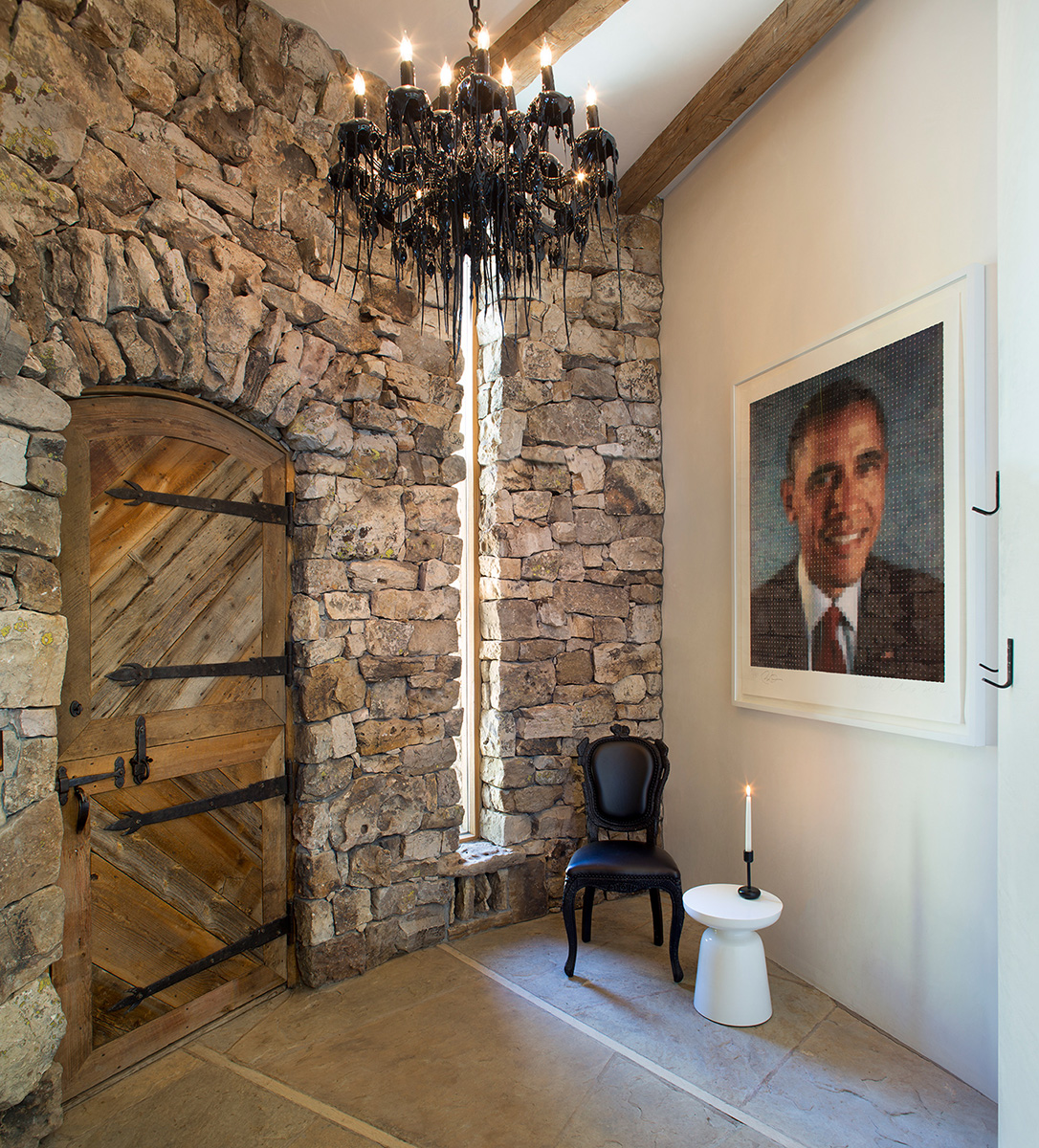
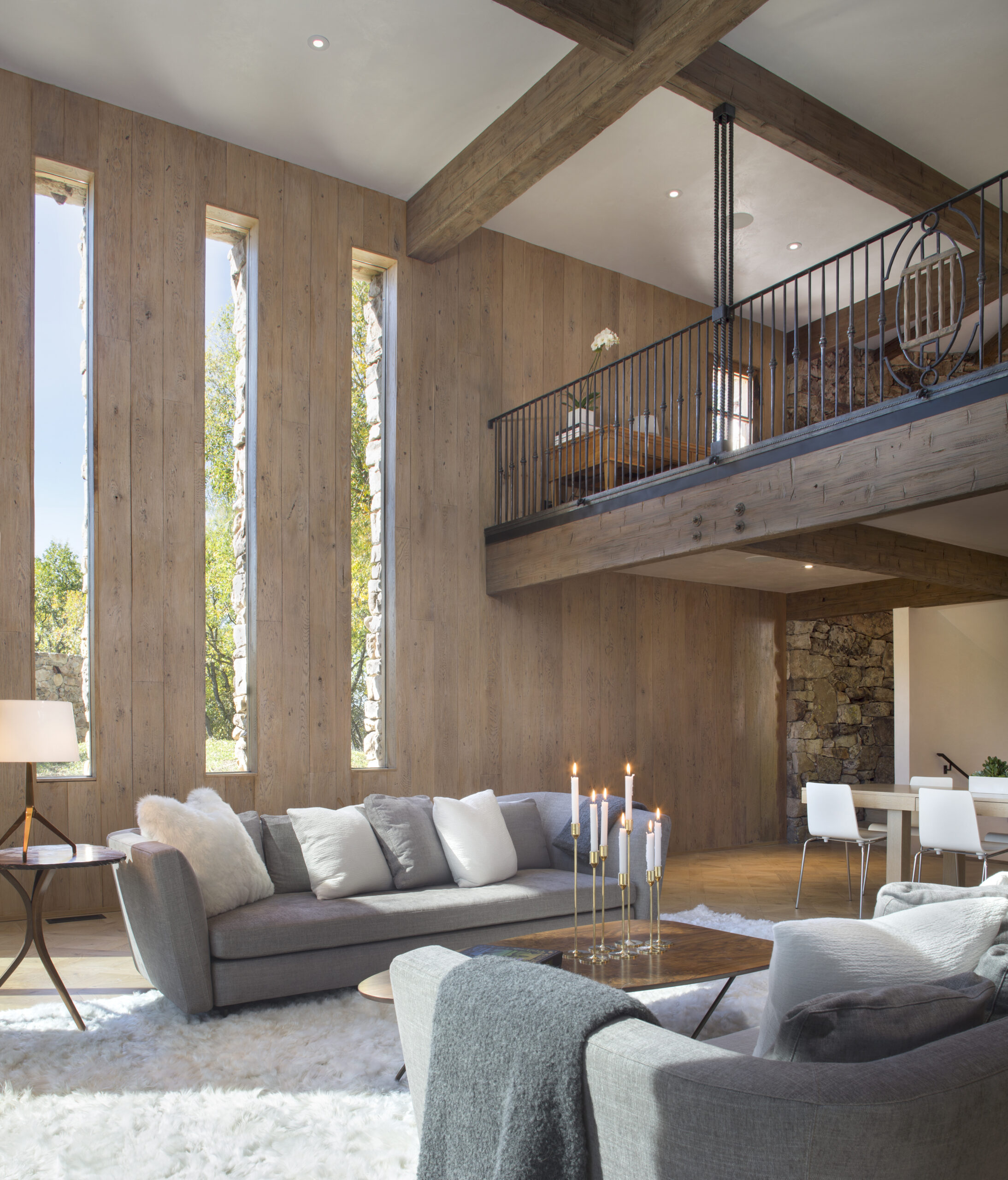
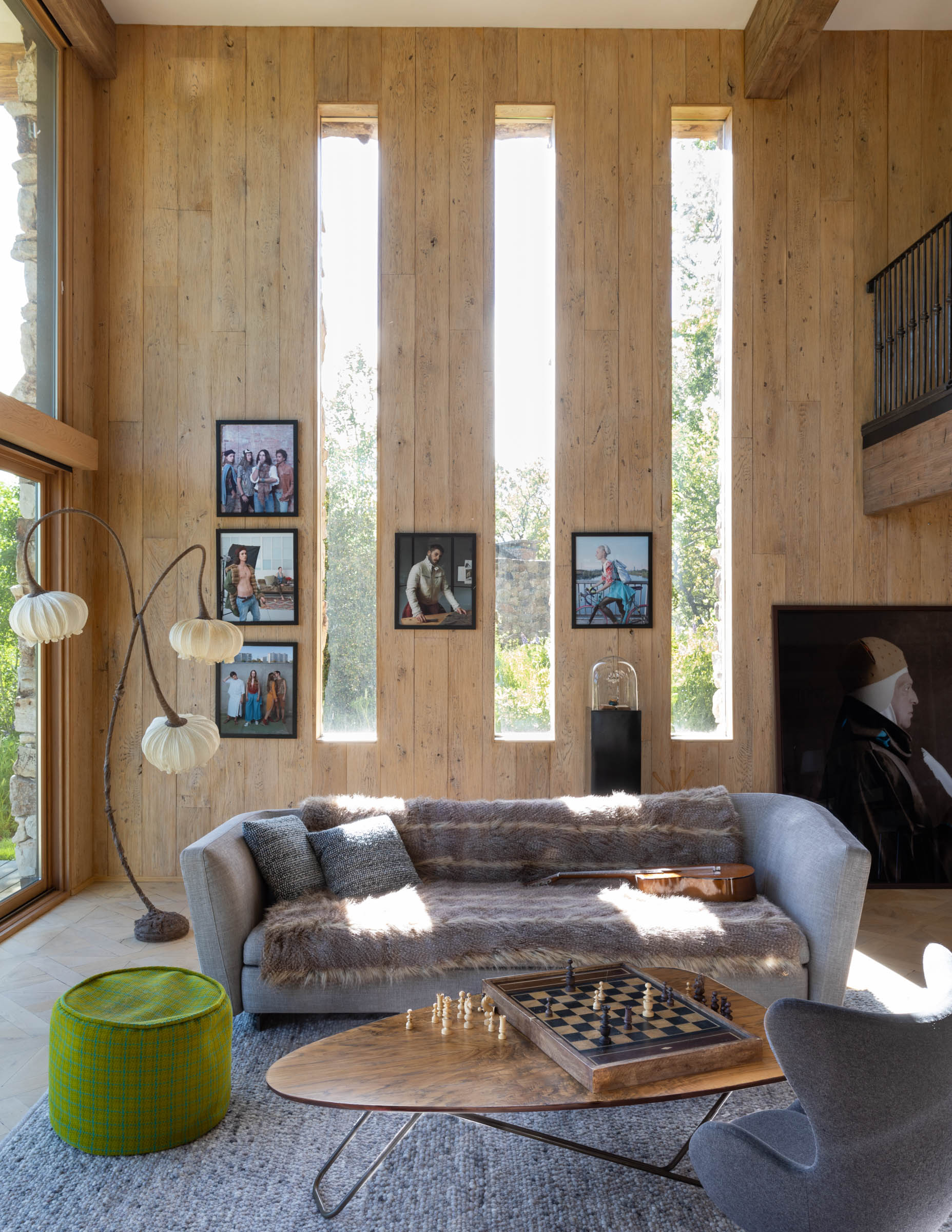
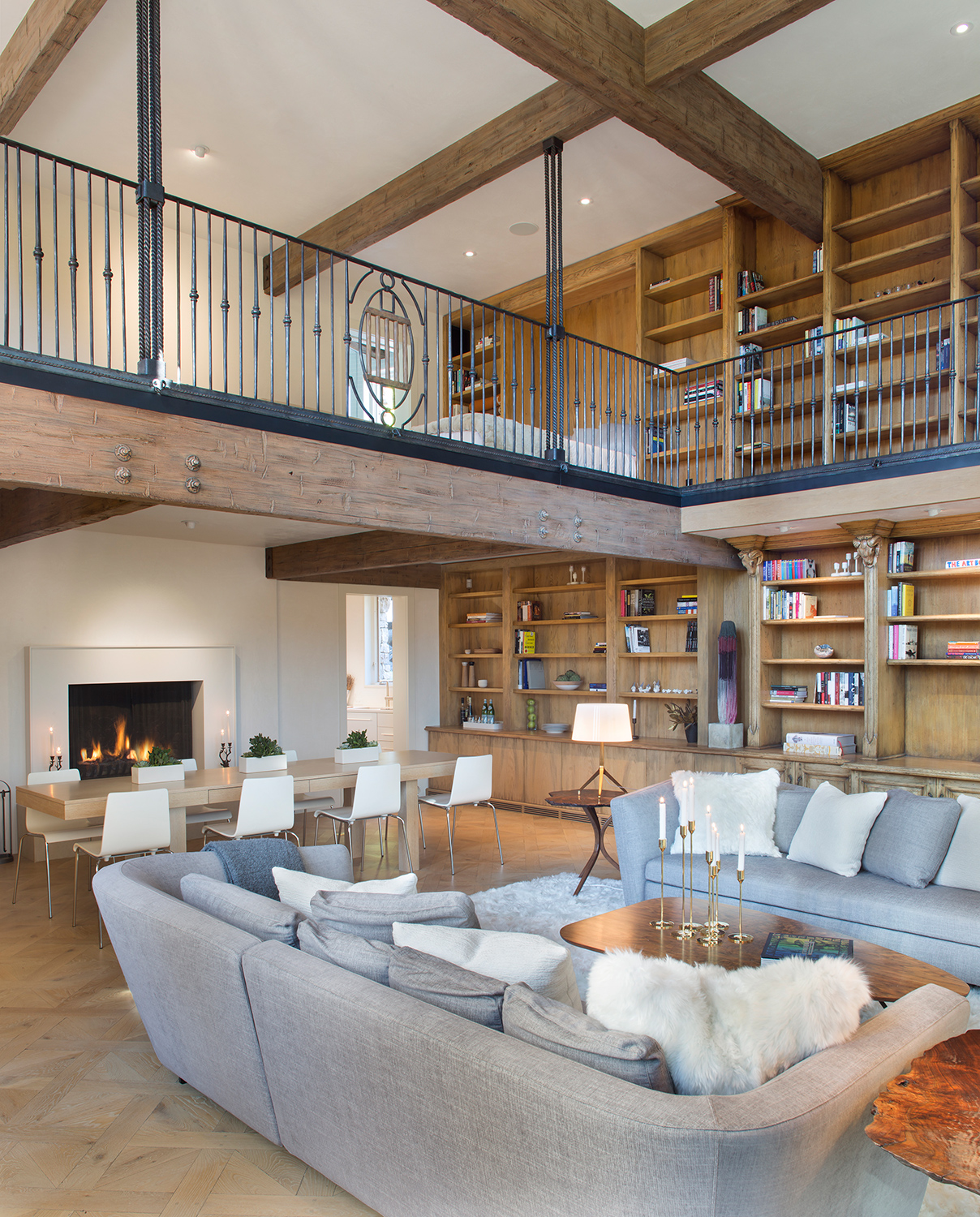
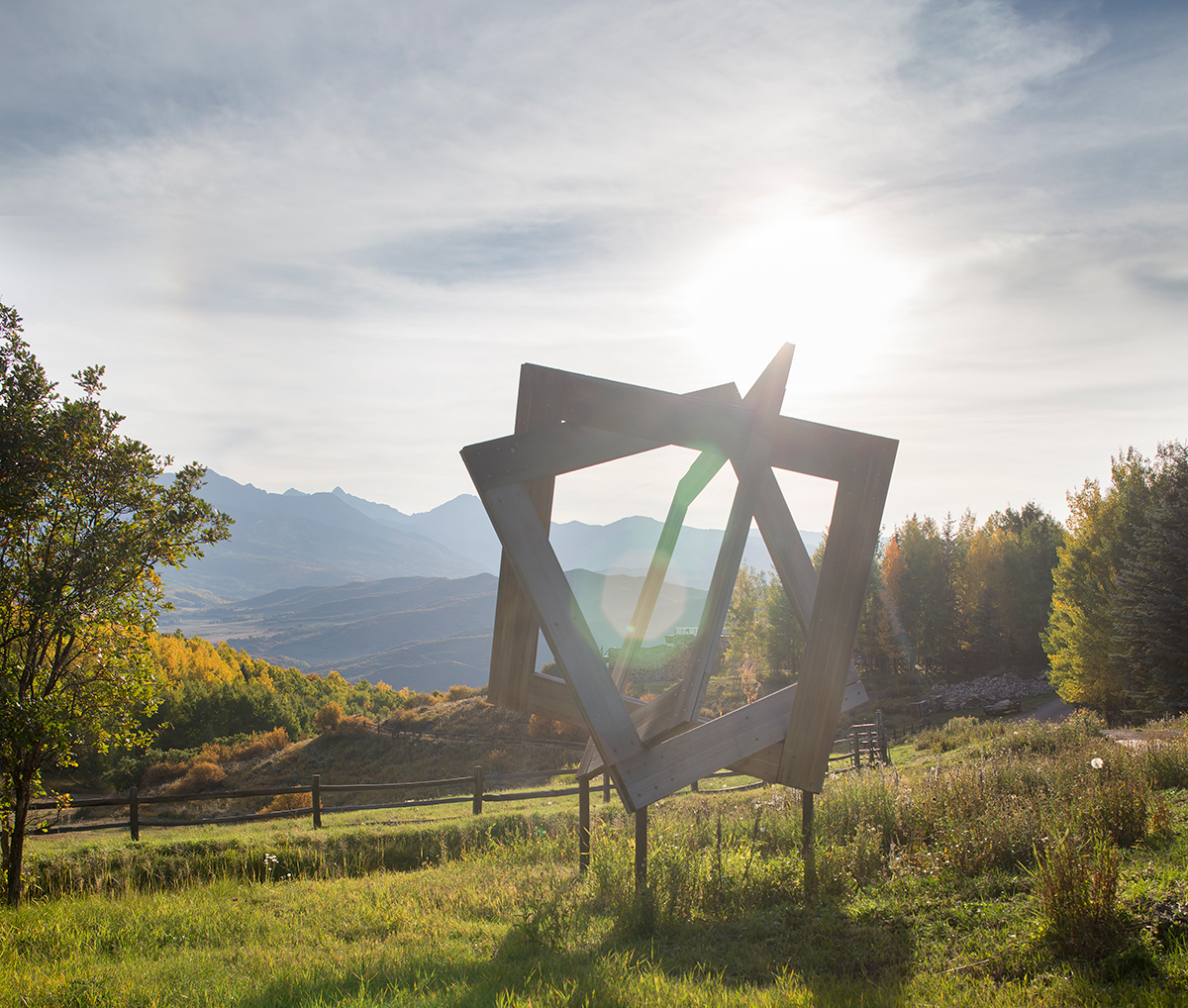
While renovating a building may seem to offer less opportunity than a blank slate, a considerable creative challenge is presented when the preexisting component is picturesque: a relic or ruin, ideally dating from a bygone, colorful age. Then, all manner of possibilities come into play, the most interesting being how the old might become part of something new: the structural and emotional interplay between the vivid past and the practical present.
Our design for Barn Studio, perched on a ridge with picturesque Aspen views, rings an interesting change on the idea of the new-old house. The original building appeared to be a remnant of a mostly collapsed, rubble-stone agrarian structure, reconceived as a residence via the insertion of contemporary living amenities. In fact, it was entirely modern, designed by its owner to resemble a clever meeting of modern life and the golden days of Colorado’s yesteryear.
R+B’s clients, a couple with three young children, purchased this folly and its surrounding acreage, seeing it as the cornerstone of a compound that would ultimately include a range of building types. The idea was to make 3000 square feet livable for five people while the other structures took shape, and to create a paradigm for building on the site, one that respected the area’s rural-agrarian history while extending that legacy into the future.
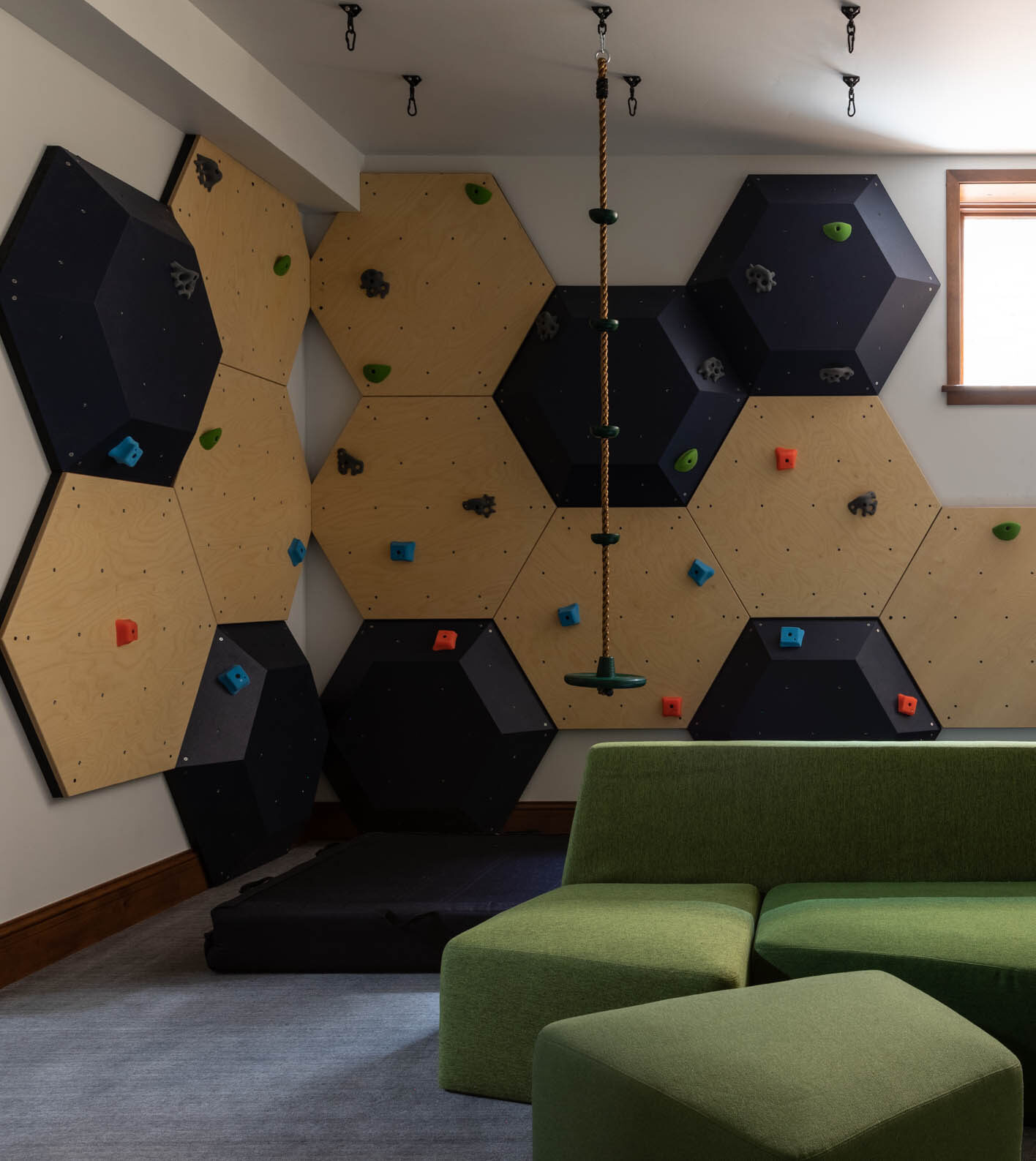
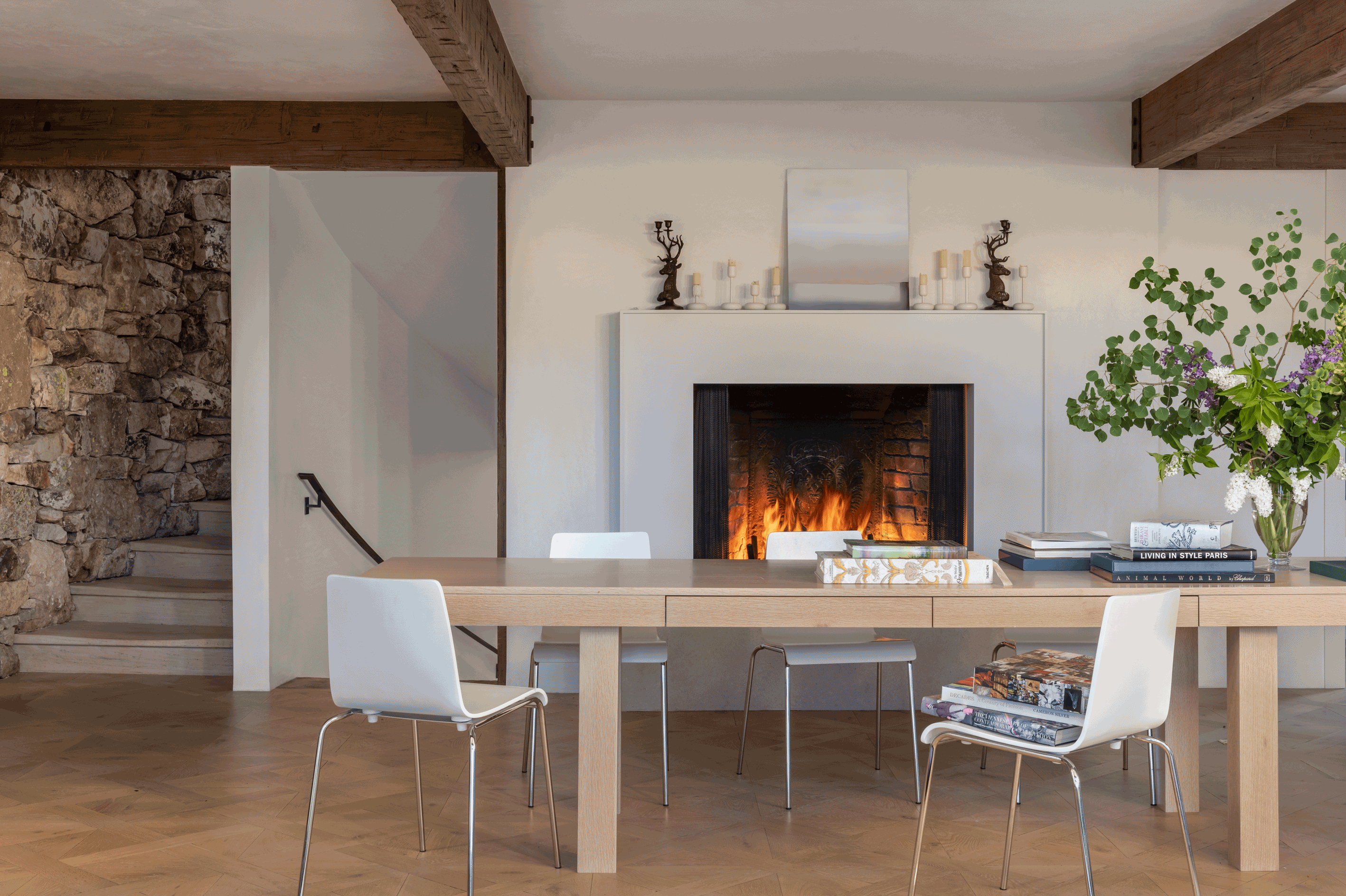
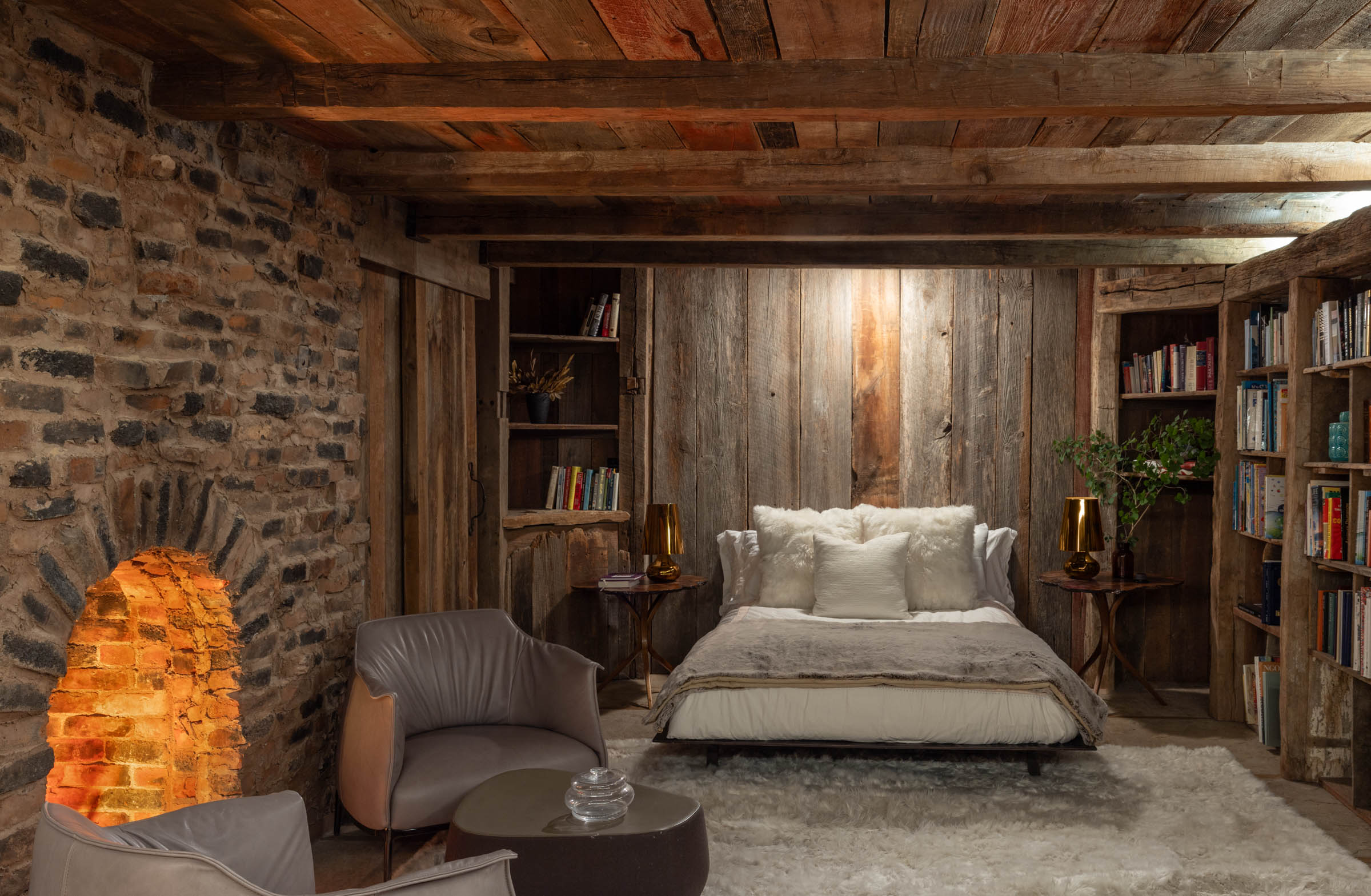
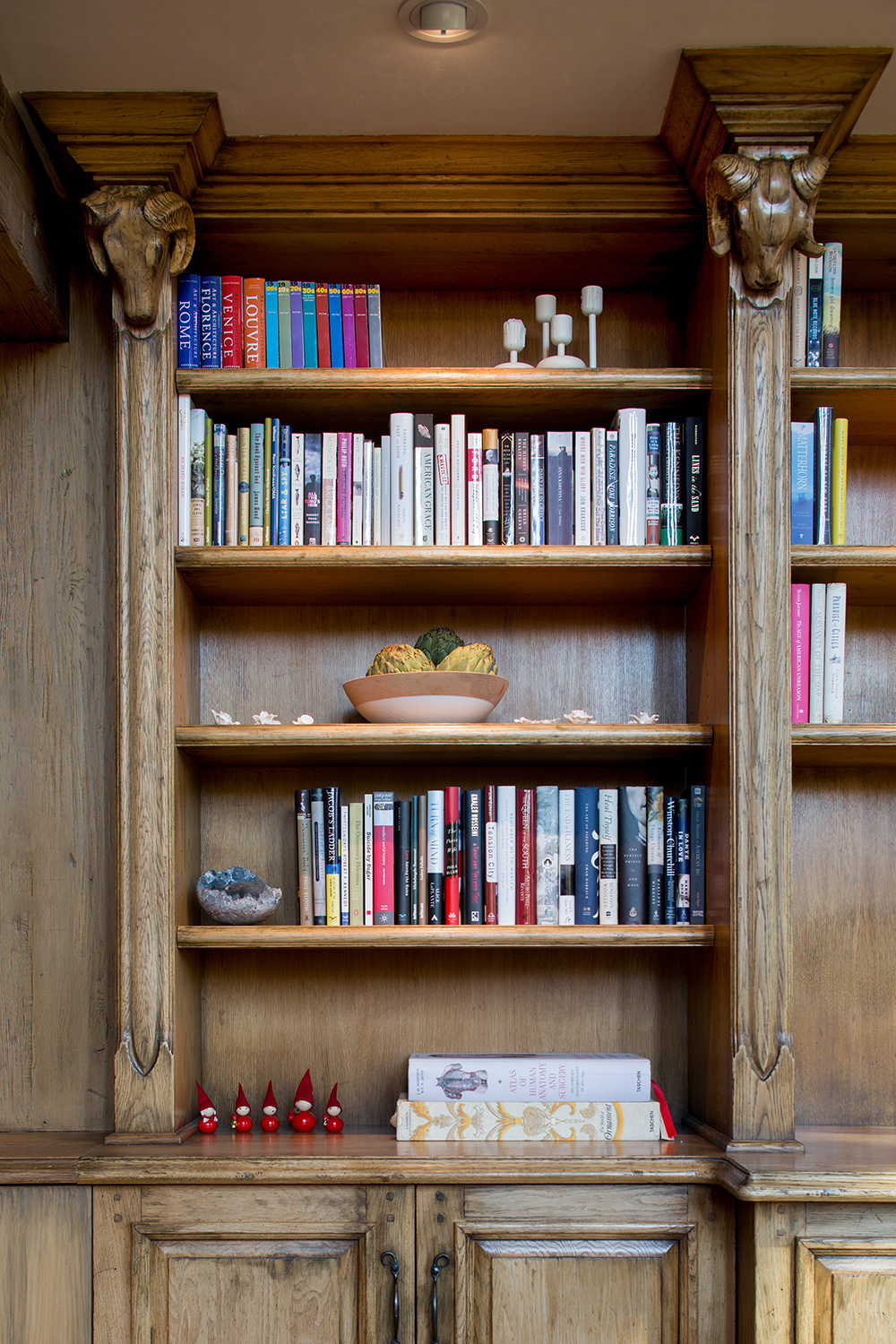
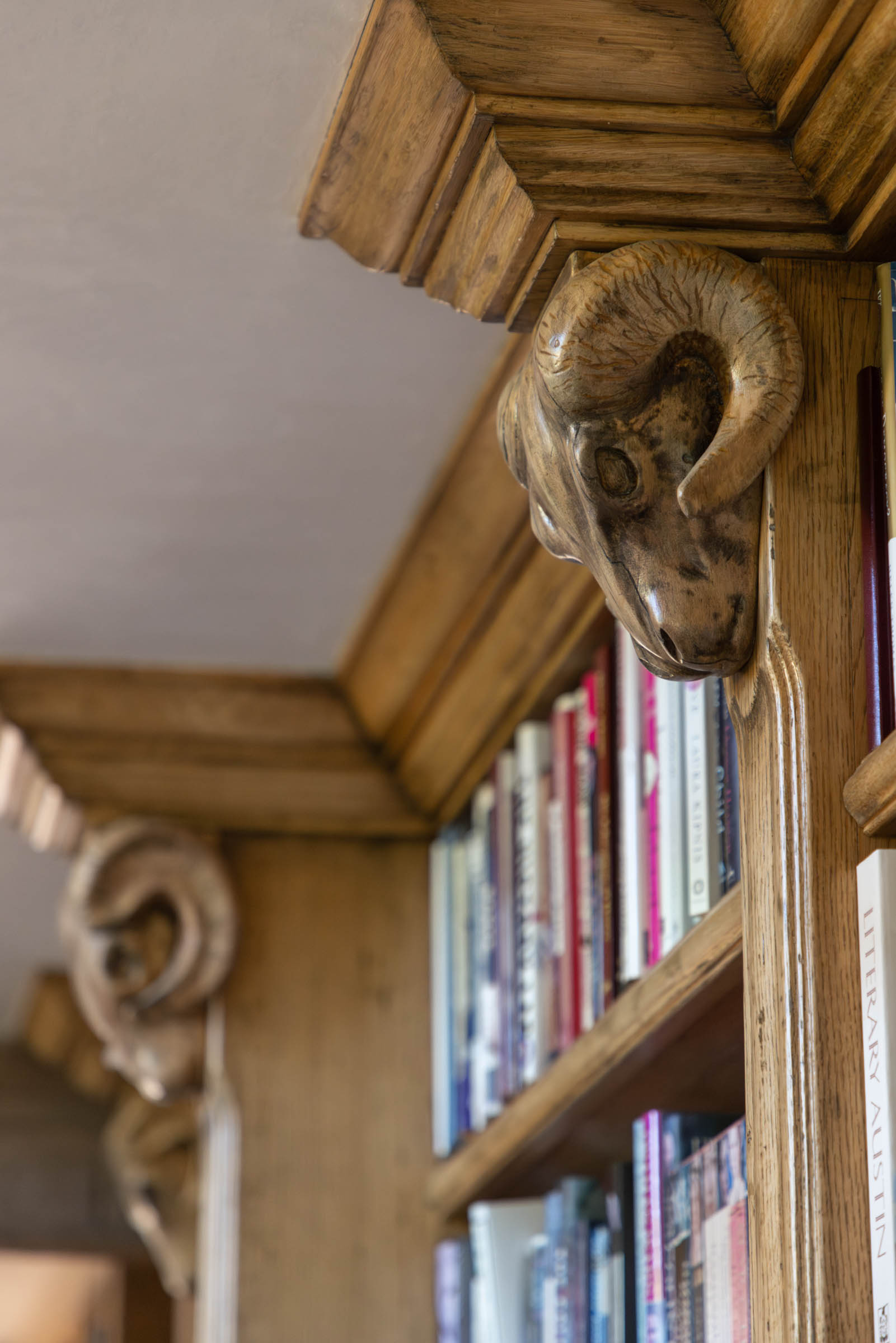
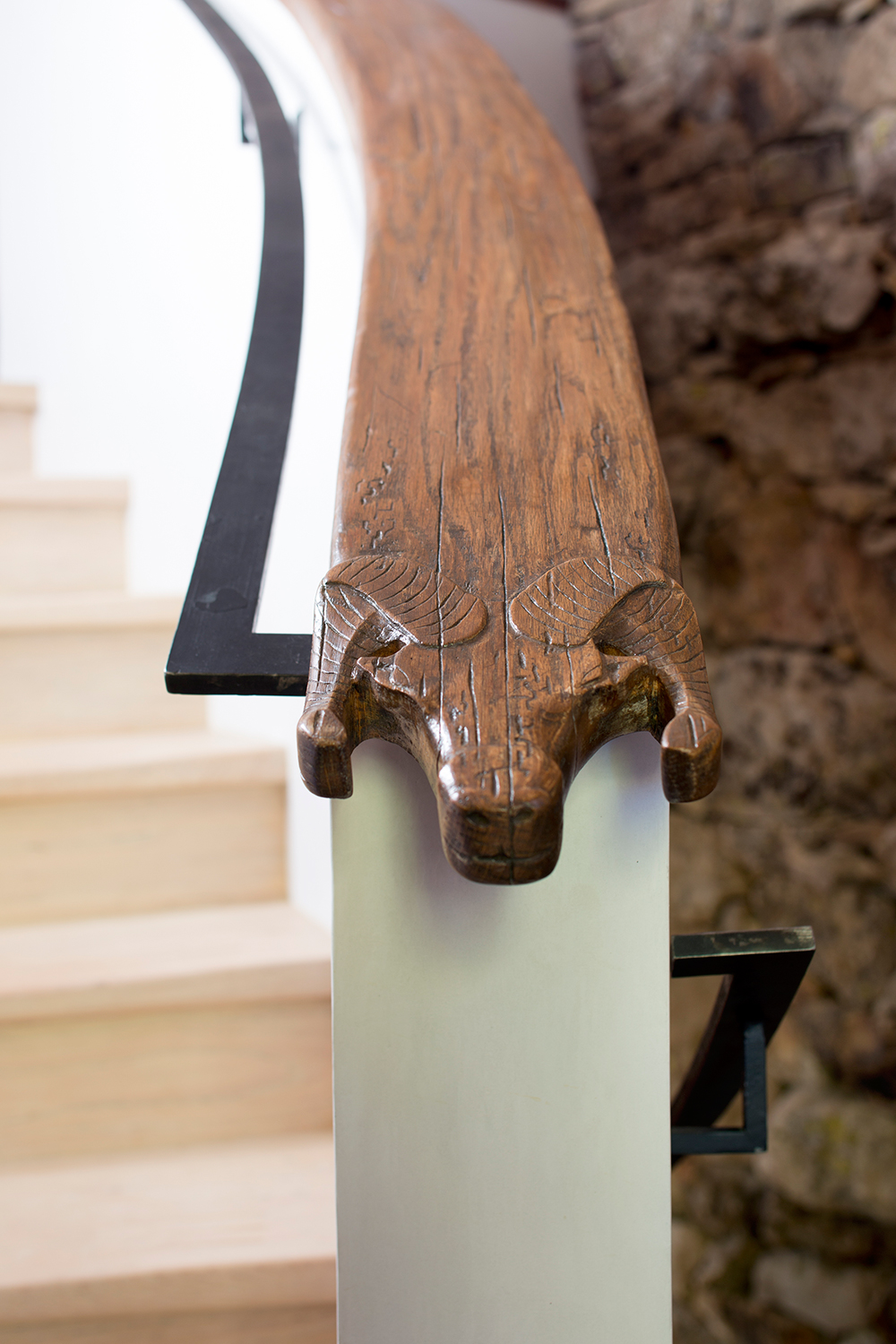
Barn Studio unfolds on three levels: a subterranean space incorporating media and game rooms; a double-height main floor, which we lightened and contemporized; and an L-shaped mezzanine that doubles as a sleeping loft and library. Although there are abundant reminders of the place as it was, notably a distinctive carved ram’s head motif, the design’s reimagining is at once more useful and more cheerful: a welcoming, offbeat hideaway – and elegant, fully-equipped crash pad for a rambunctious family of five – that belongs to the past without being mired in it.
Of the two R+B-designed residences that followed Barn Studio on the property, says Broughton, ‘they’re informed by what we did here first. It’s all about stewardship – uniting the past with today’s processes while respecting and appreciating the people who were here before.’
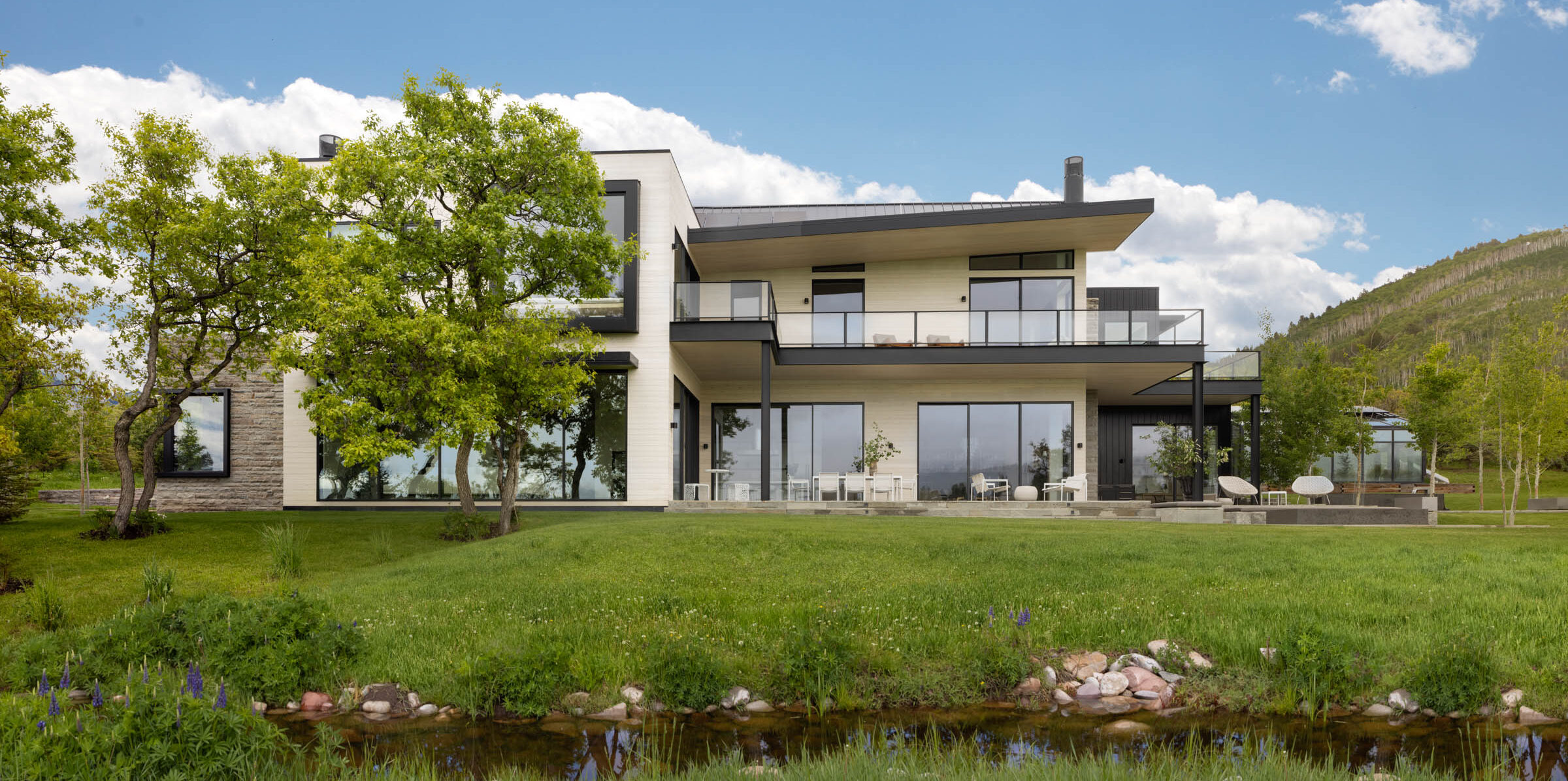
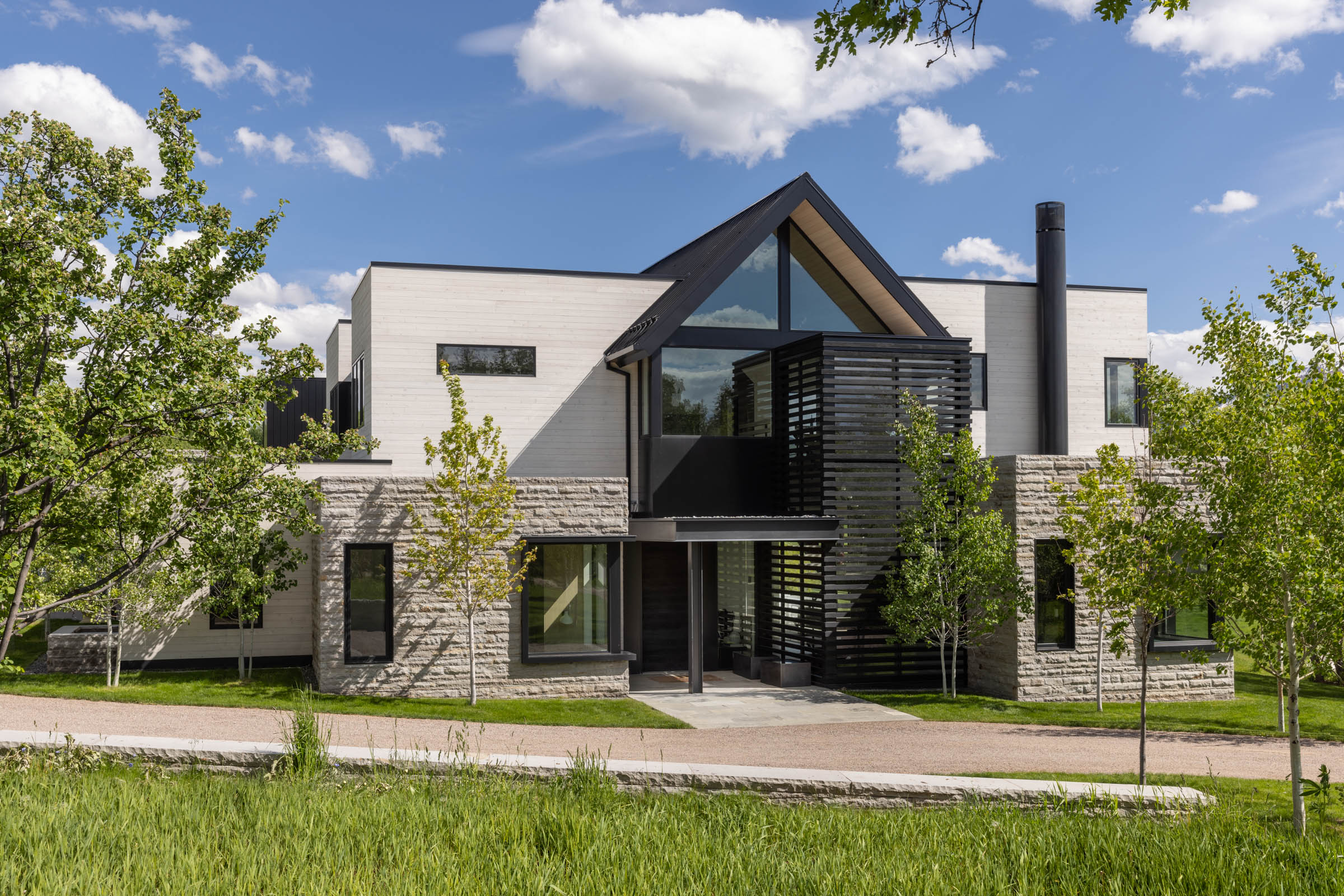
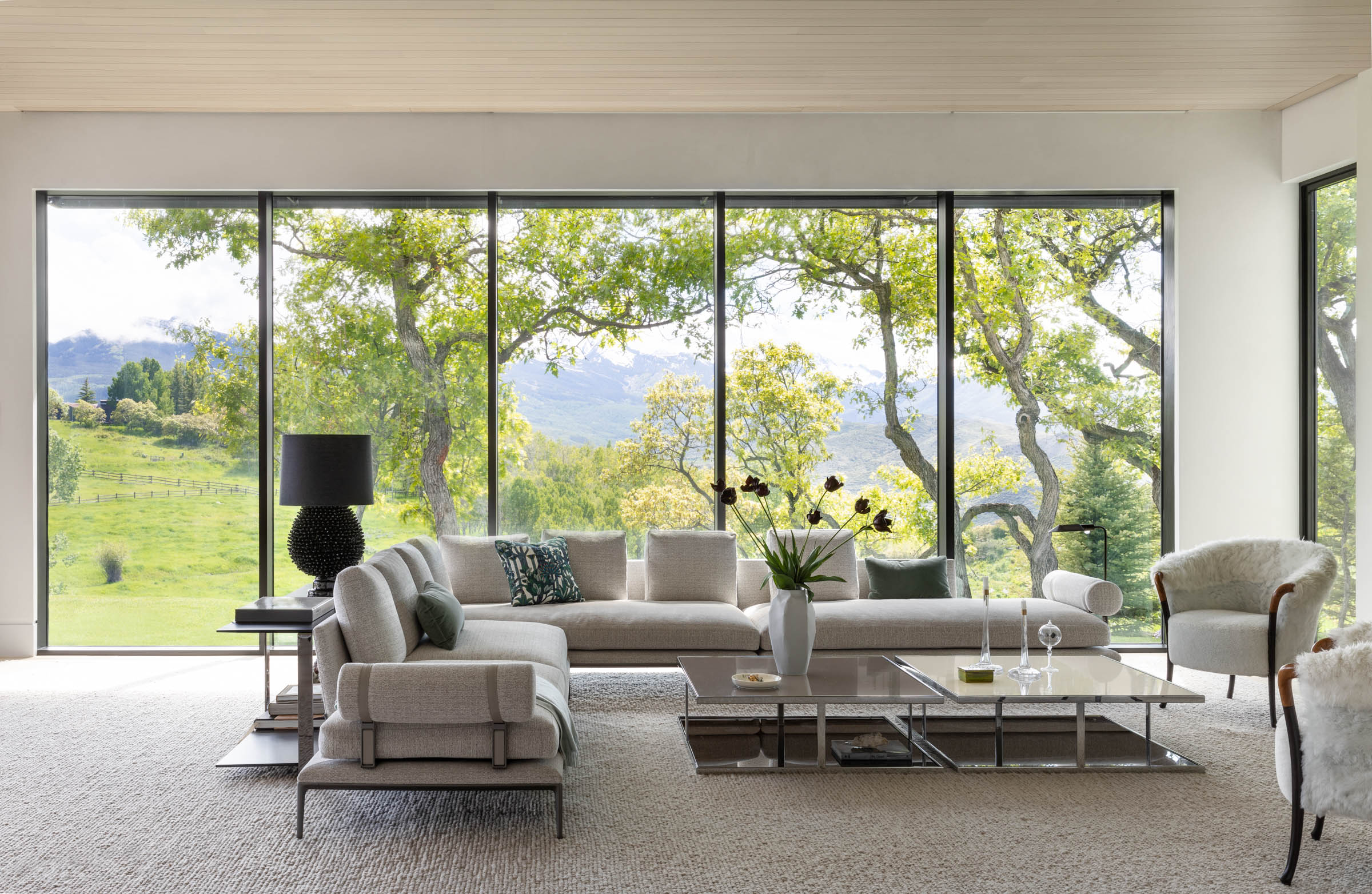
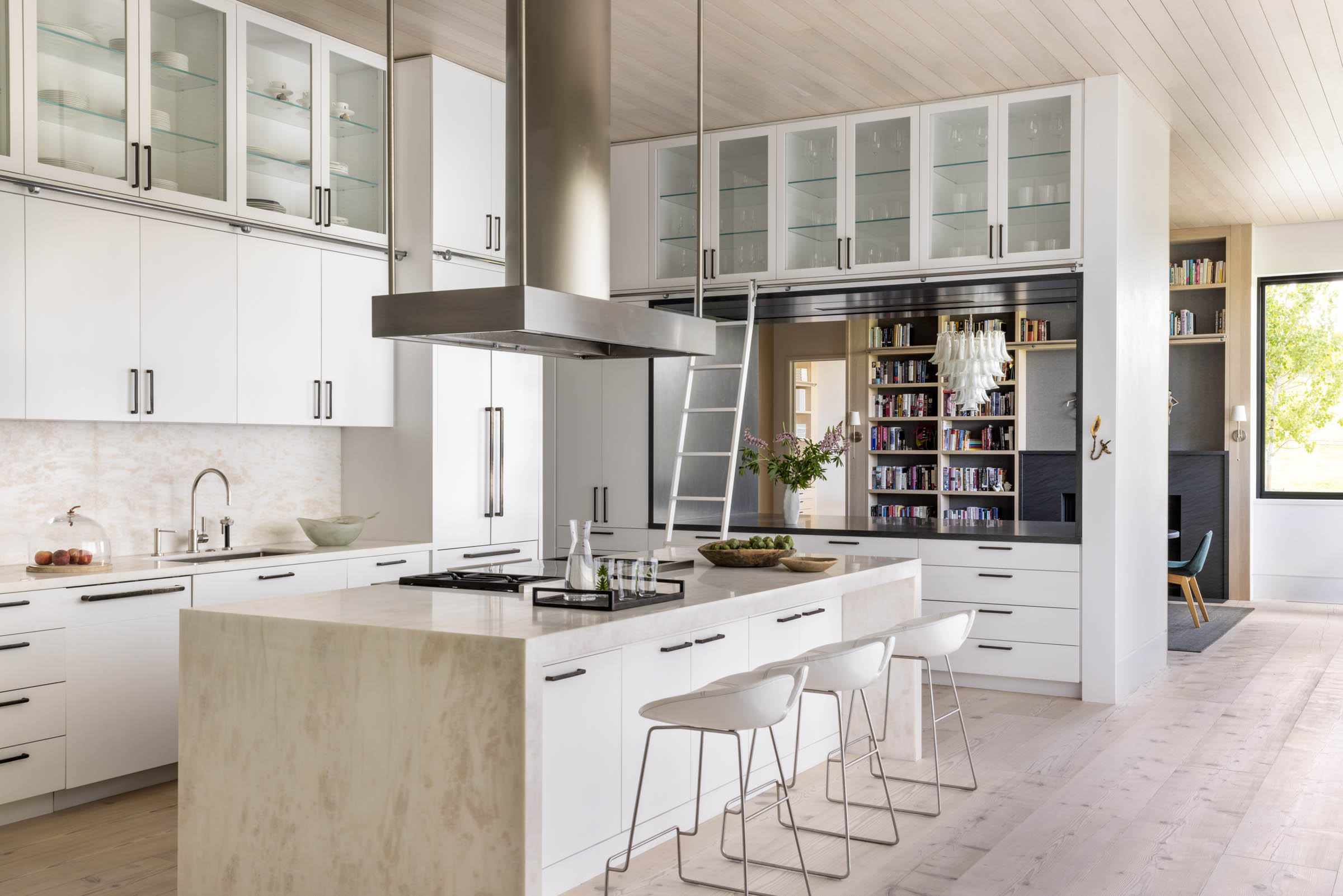
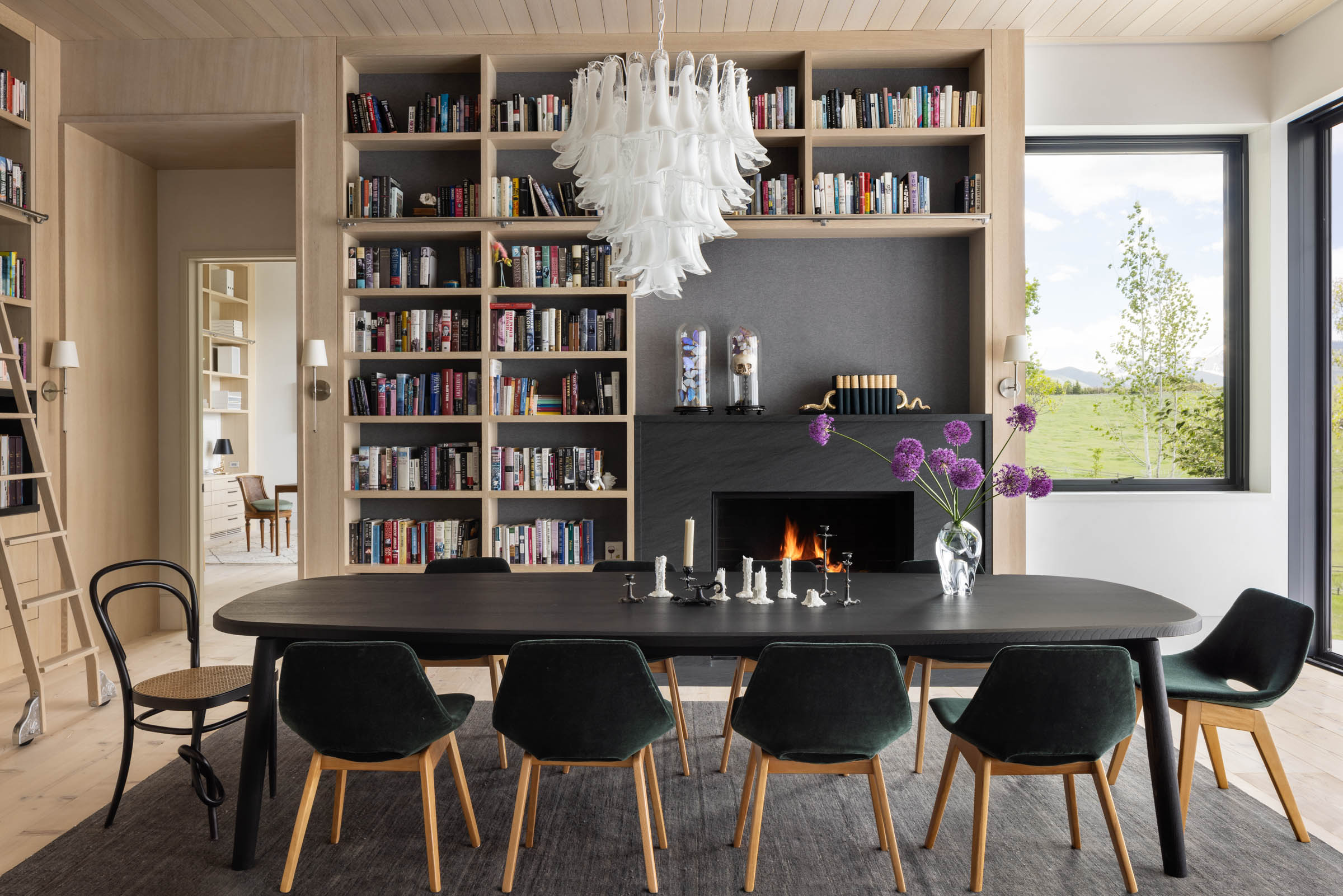
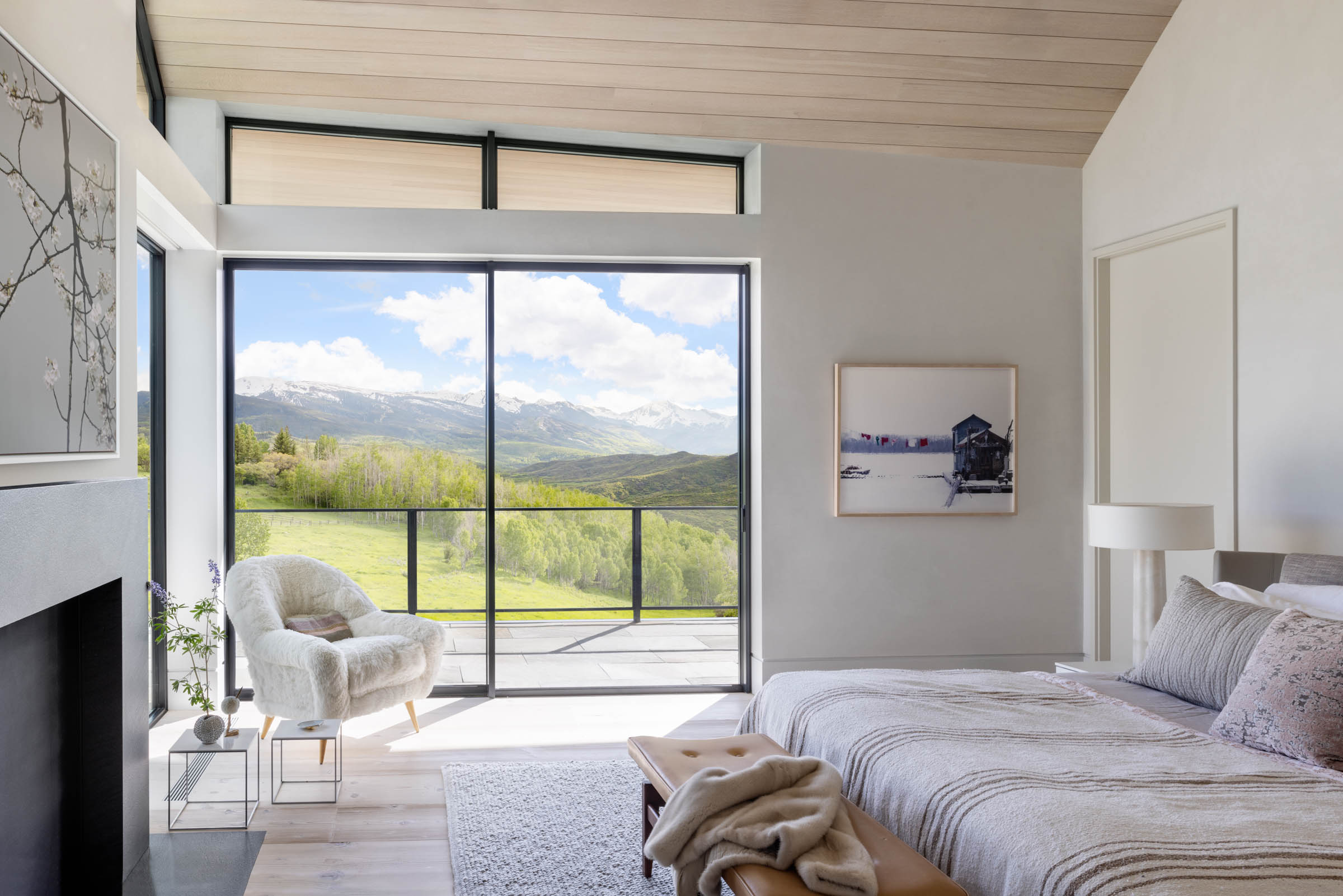
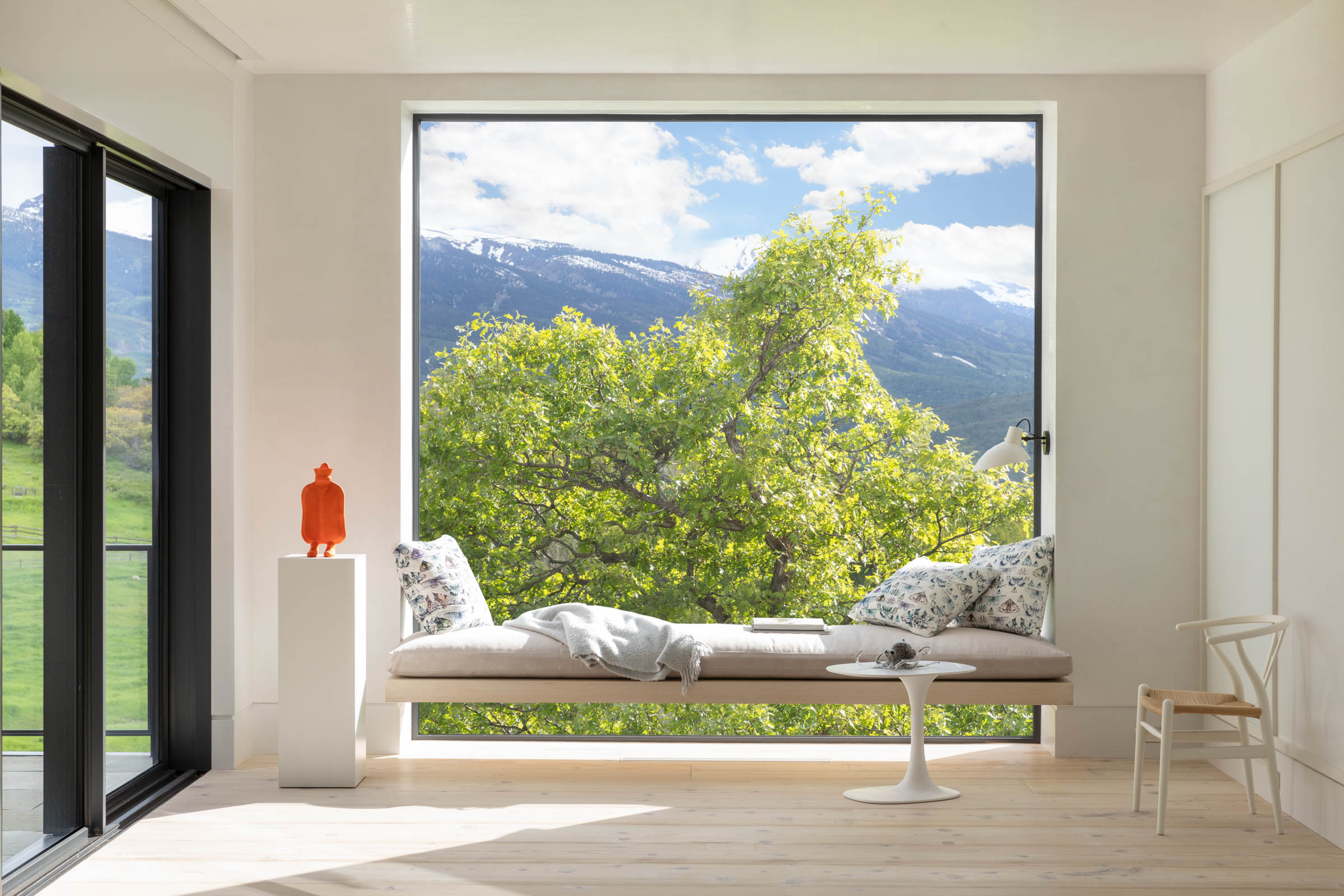
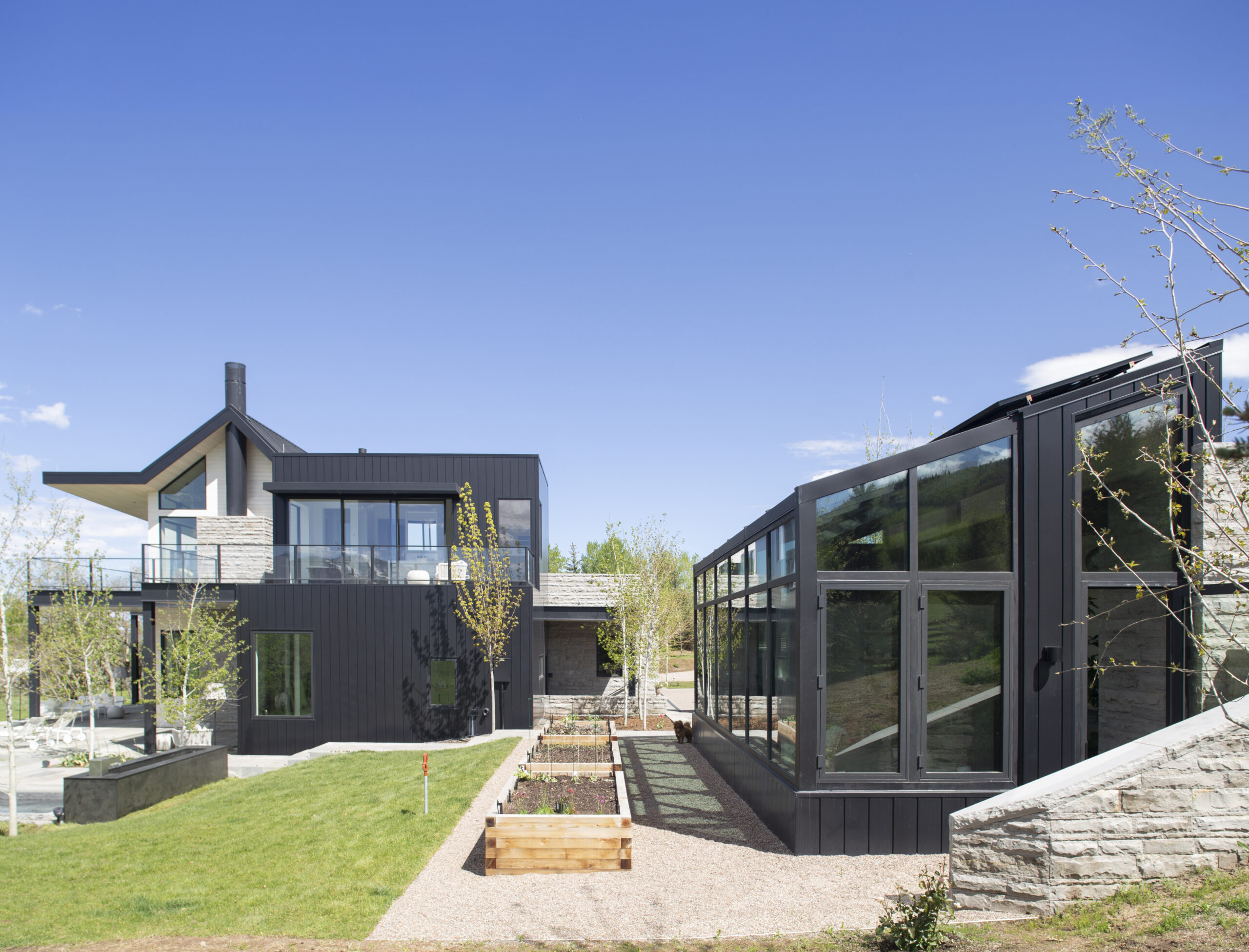
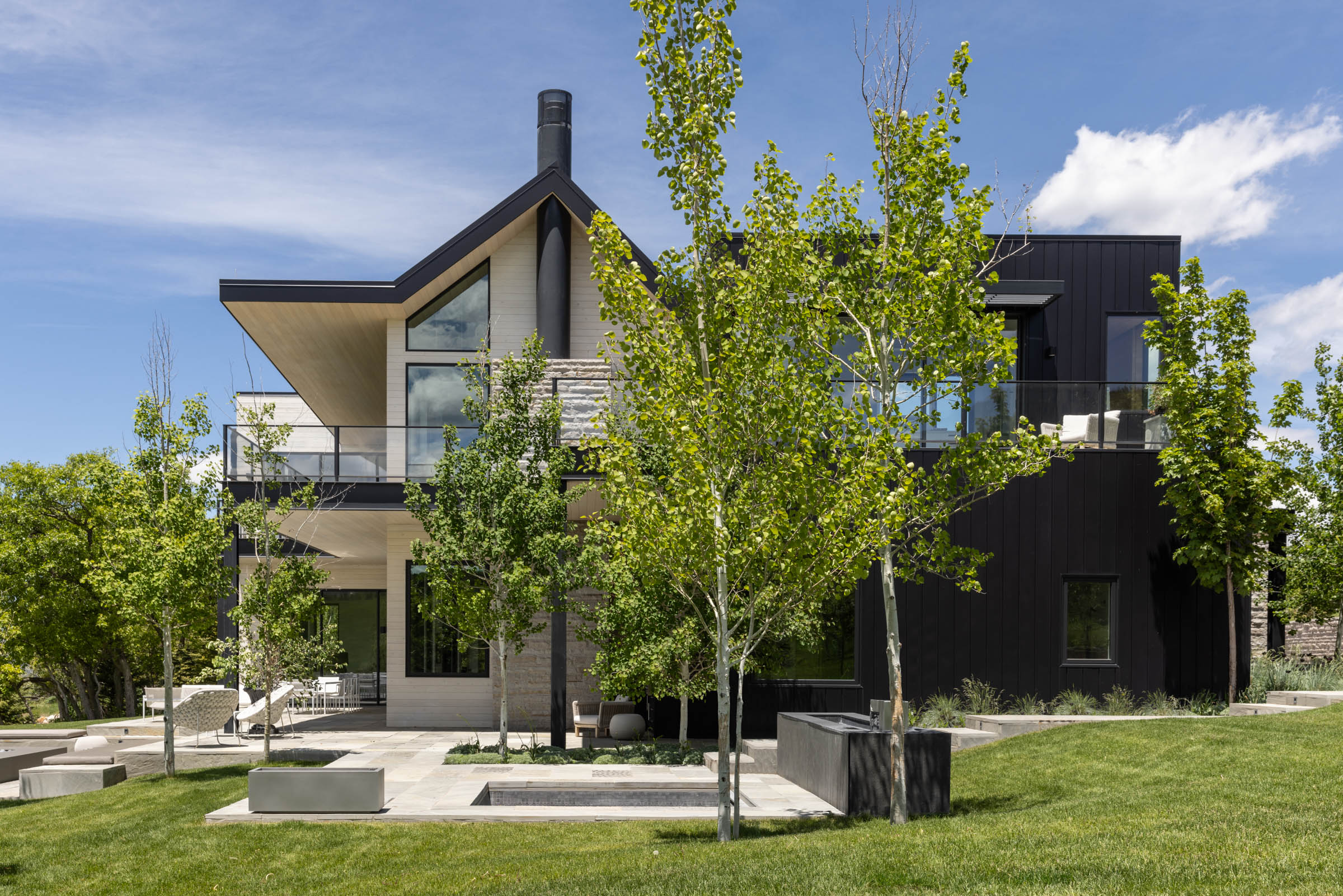
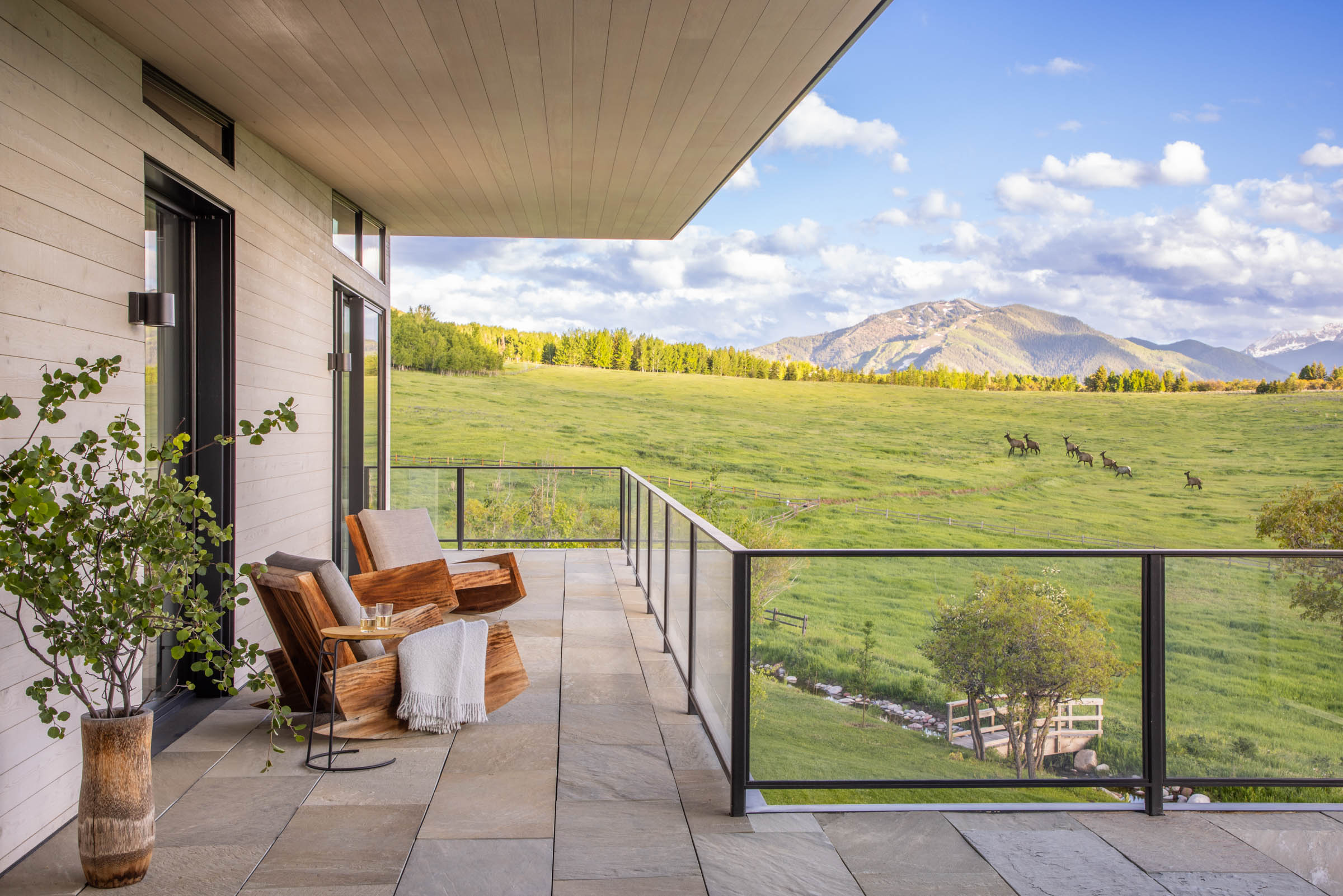
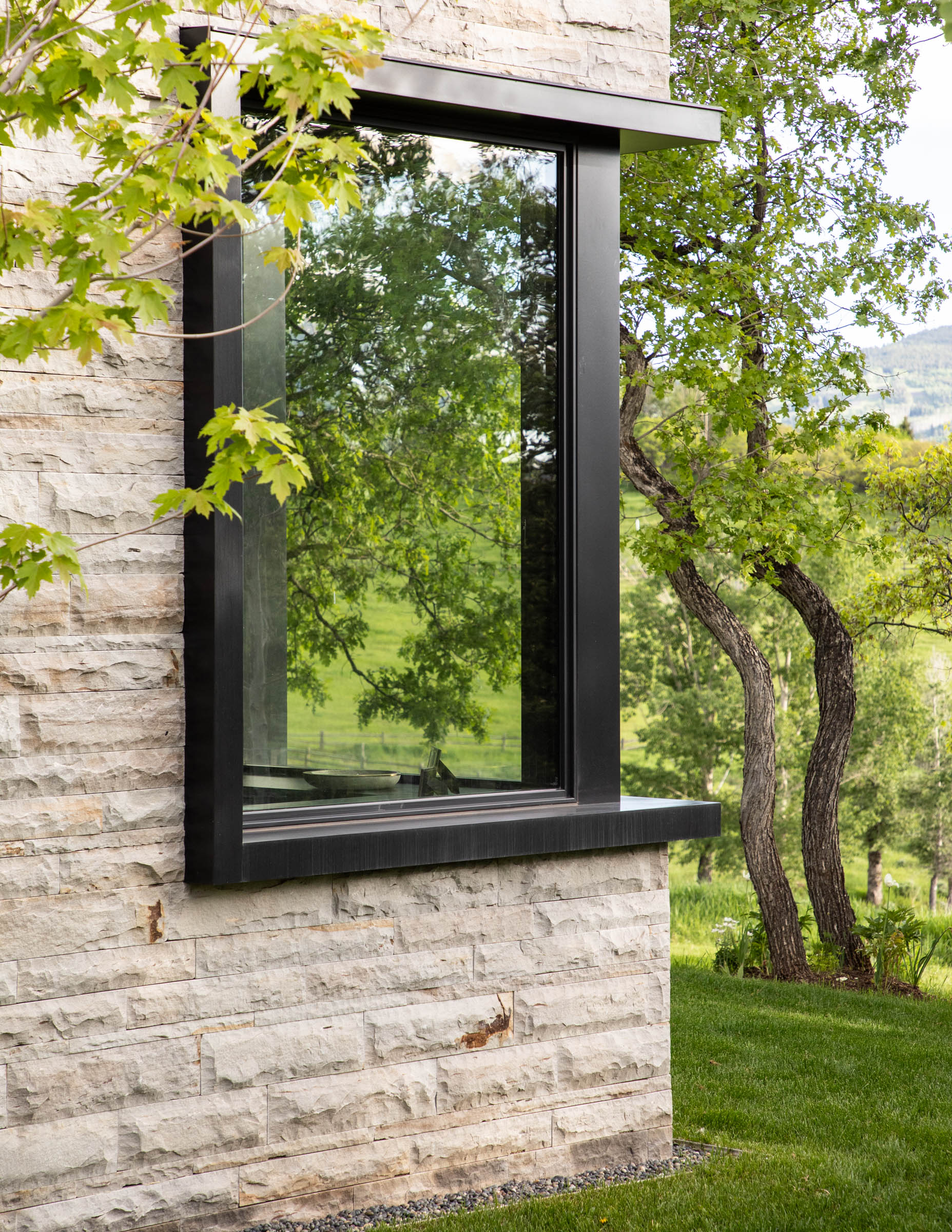
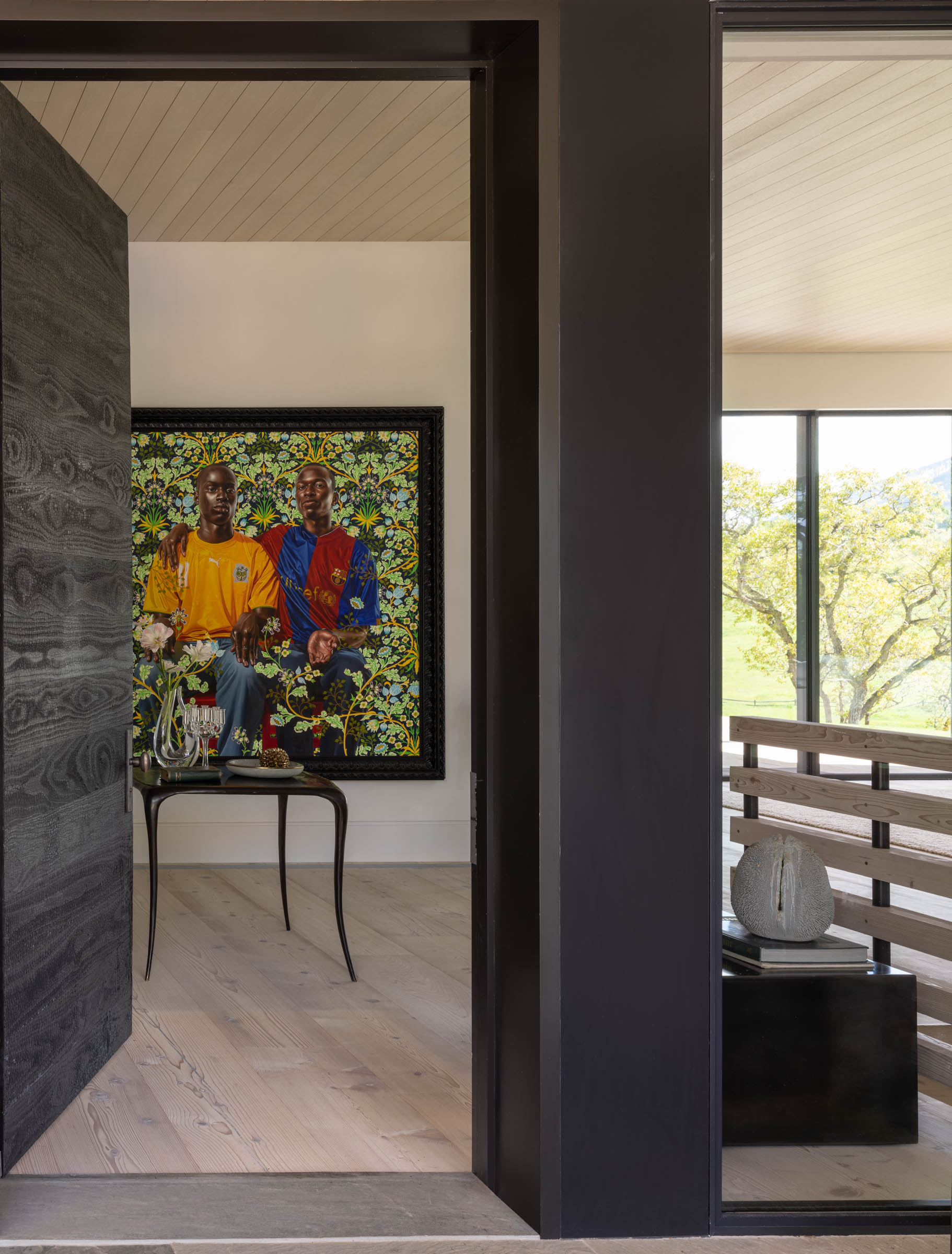
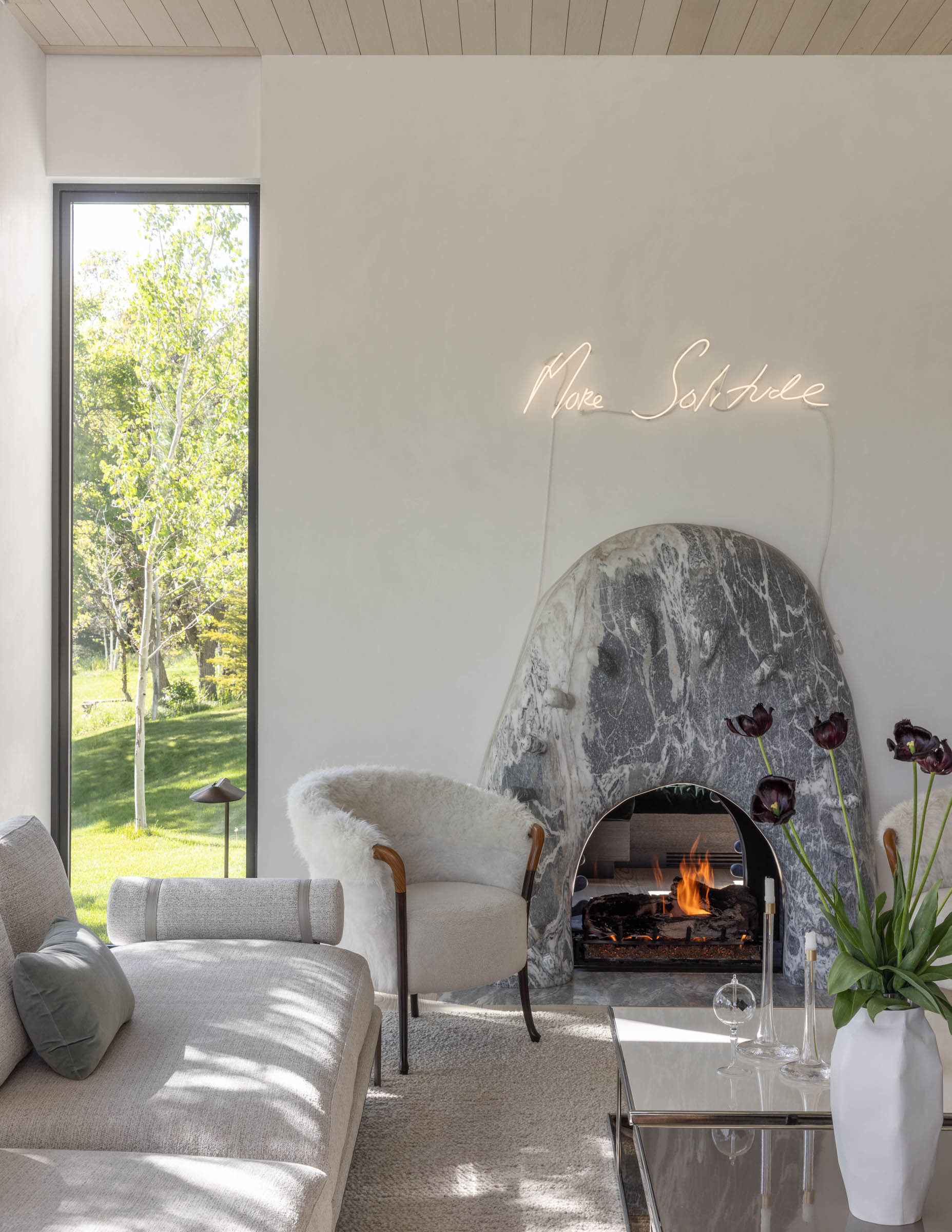
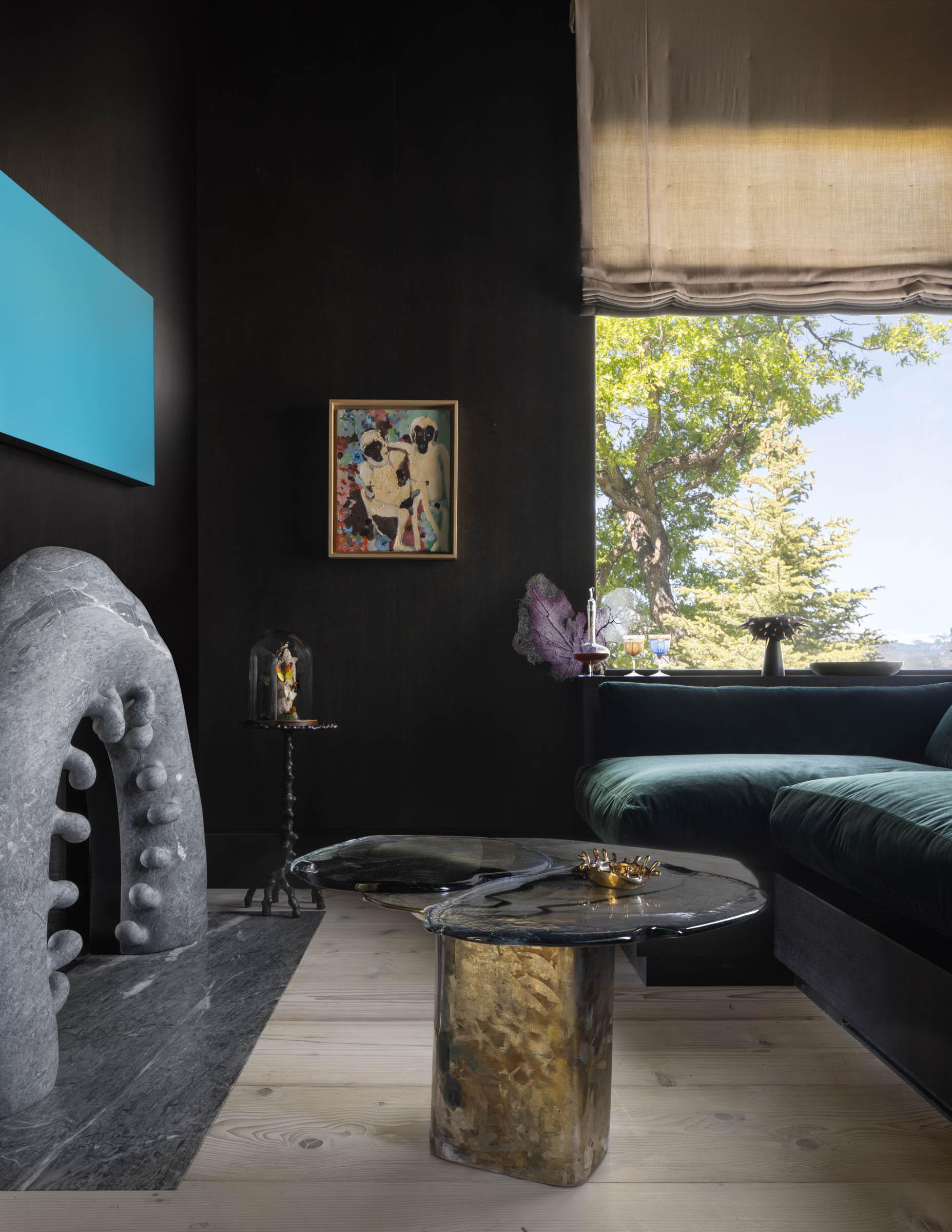
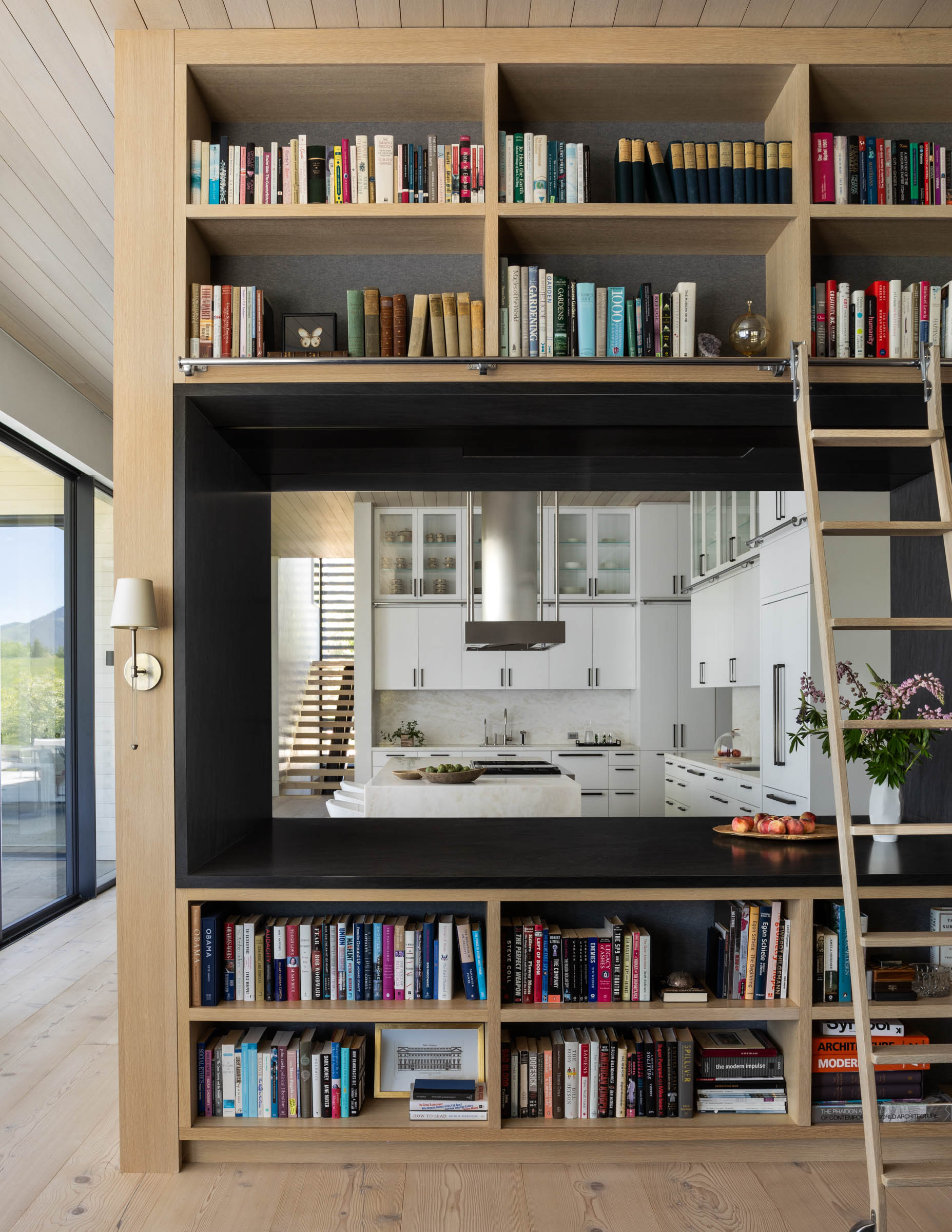
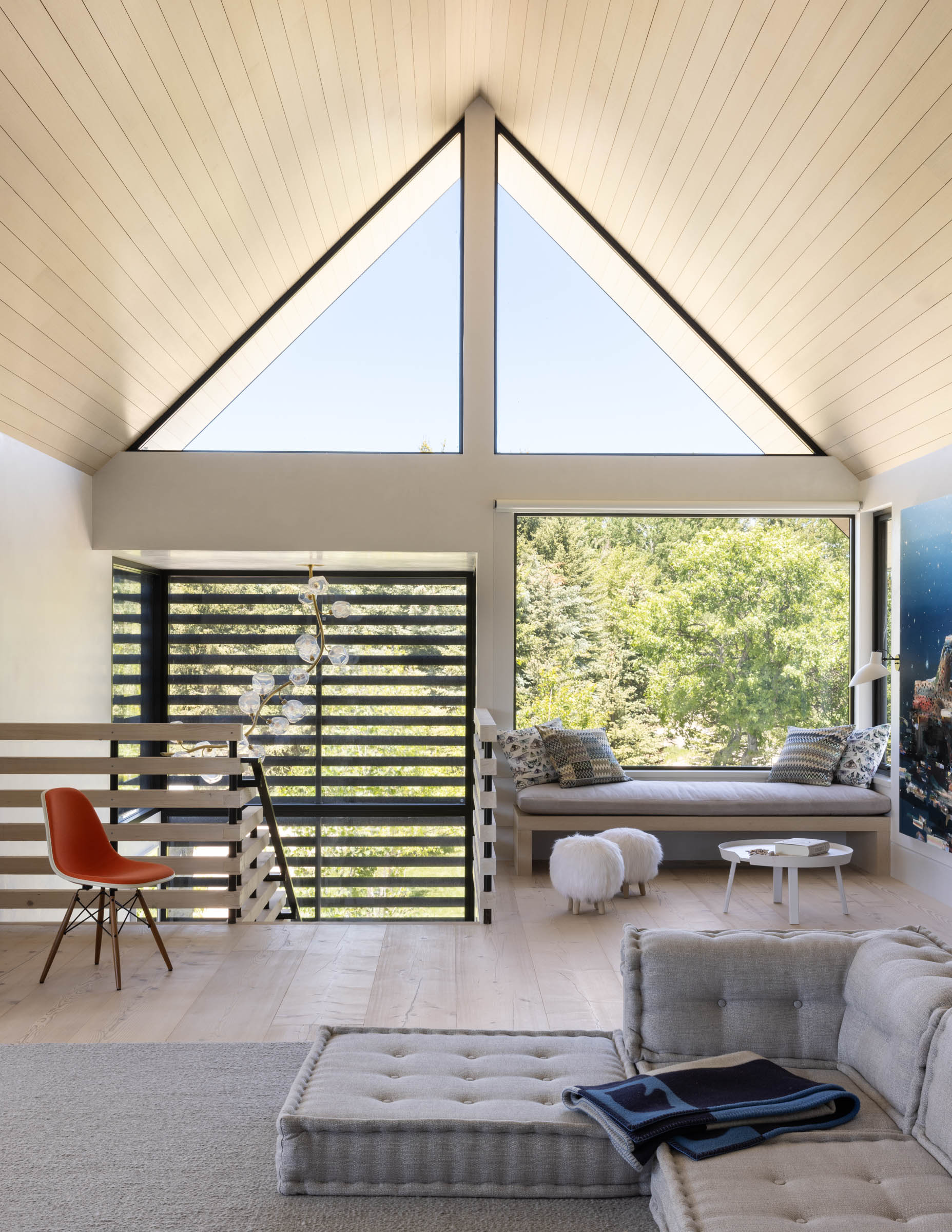
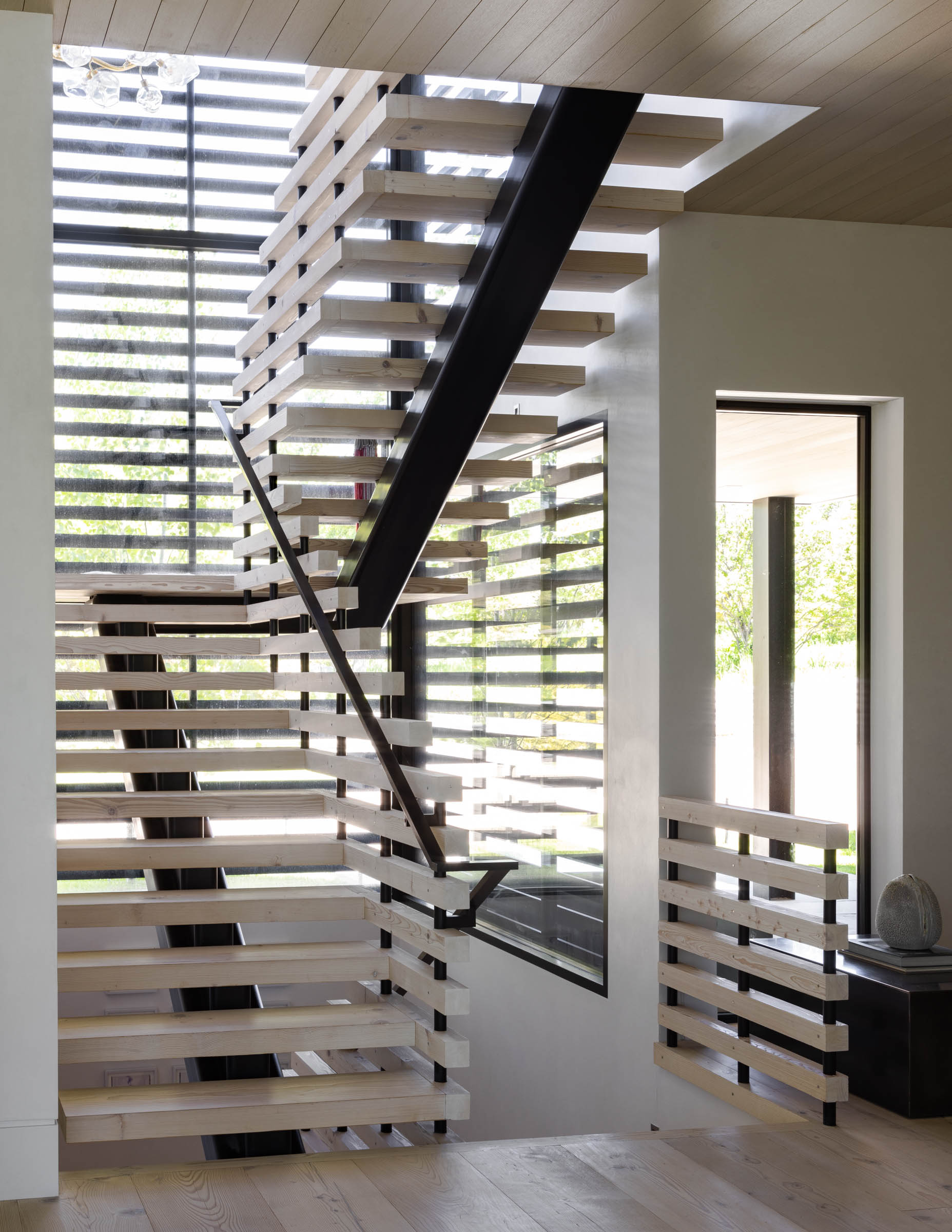
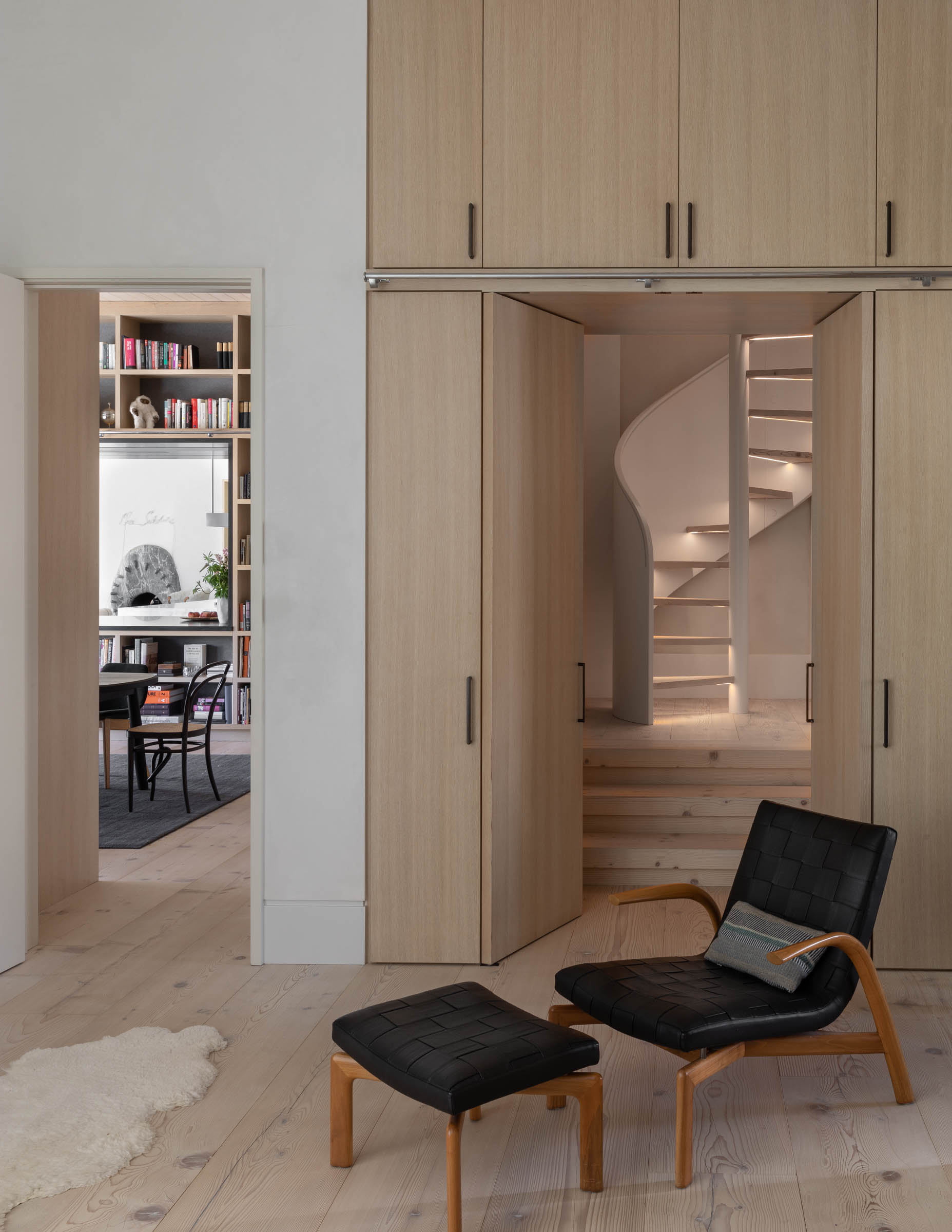
The essence of Meadow House, so named for its siting on an expansive Aspen greensward ringed by evergreen, spruce and scrub oak, lies in the idea of the threshold: between separation and connection, public and private, interior and exterior, architecture and design.
On the main floor, from the entry to the living area to the library/dining room, the sense is of a grand loft space, Scandinavian in its material simplicity, with eleven-foot ceilings and enormous, view-embracing glazed walls. Yet each space retains its own special character: if the overall experience is holistic, the rooms remain distinct and discrete.
Meadow House’s permeability is especially seductive, and particularly evident in the second-floor primary suite, which features the design’s iconic moment: a windowed agrarian gabled form, that ‘peels upward’ as it moves the full length of the rooms, revealing progressively more of the panoramic view. Here the threshold lies between the interior and the great outdoors, one dissolving into the other in a subtle, exquisite unfolding.
A separate greenhouse, designed for a year-round edible garden and to provide a farm-to-table learning opportunity for the family, offers an additional layer of experience. The greenhouse acts as a viewing machine, offering a different, no less dynamic perspective on the meadow, mountains, and the great western sky.
Meadow House also evinces a compelling sense of craft, exemplified by The Haas Brothers’ remarkable double-sided fireplace, commissioned for the project and custom-forged in Portugal. This, and other such moments, invest a capacious residence with the appealingly intimate presence of the hand.
‘Where to draw the line?’ is a question that runs through all of R+B’s work. With Meadow House, the firm has answered it with the utmost discernment, elegance, and drama.