

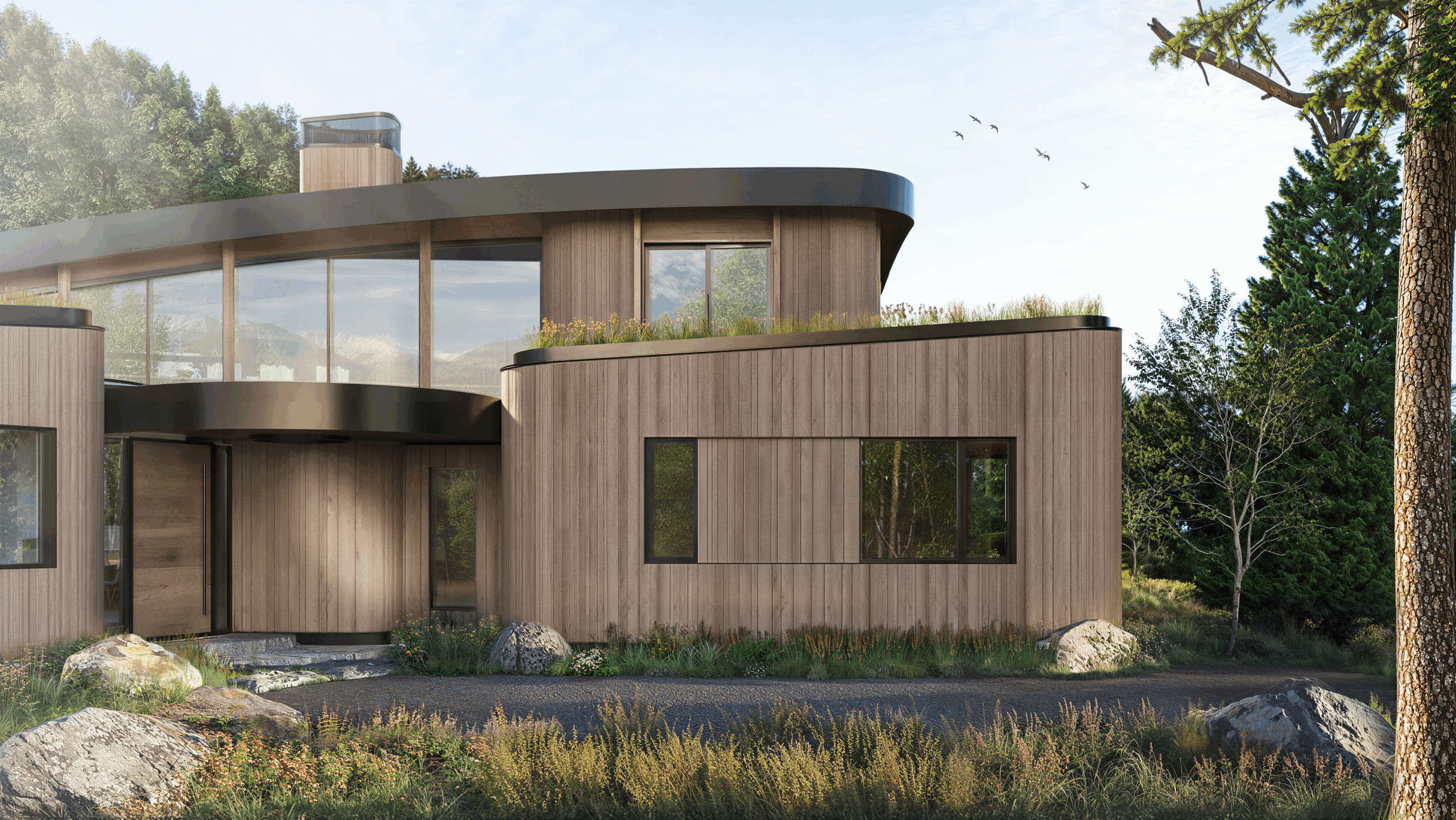
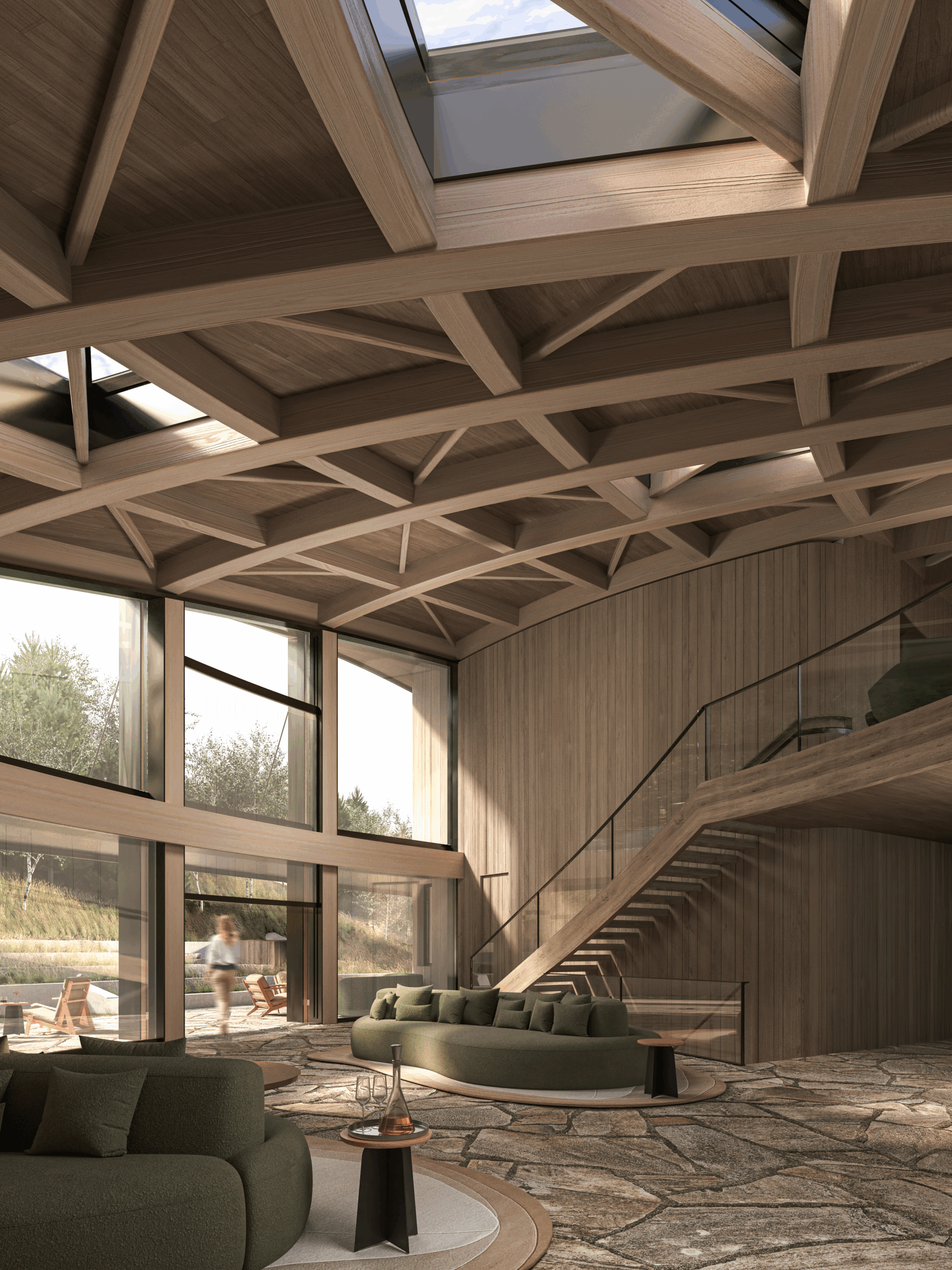
Set at the base of a dramatic mountain outcropping, this forward-thinking custom home balances beauty, wellness, sustainability, and innovation. Inspired by the natural environment of the heavily treed site, along with the organic architecture of John Lautner and artist James Turrell’s concept of framing light, it engages seamlessly with the surroundings in a contemporary manner.
Keeping progressive, sustainable design at the forefront and with manufacturing and assembly in mind, prefabricated glulam assembly was specified for speed and efficiency of mass timber construction. Parametric modeling, virtual reality rendering, and physical modeling were implemented to explore design iterations and advance the creative integrity of the architecture.
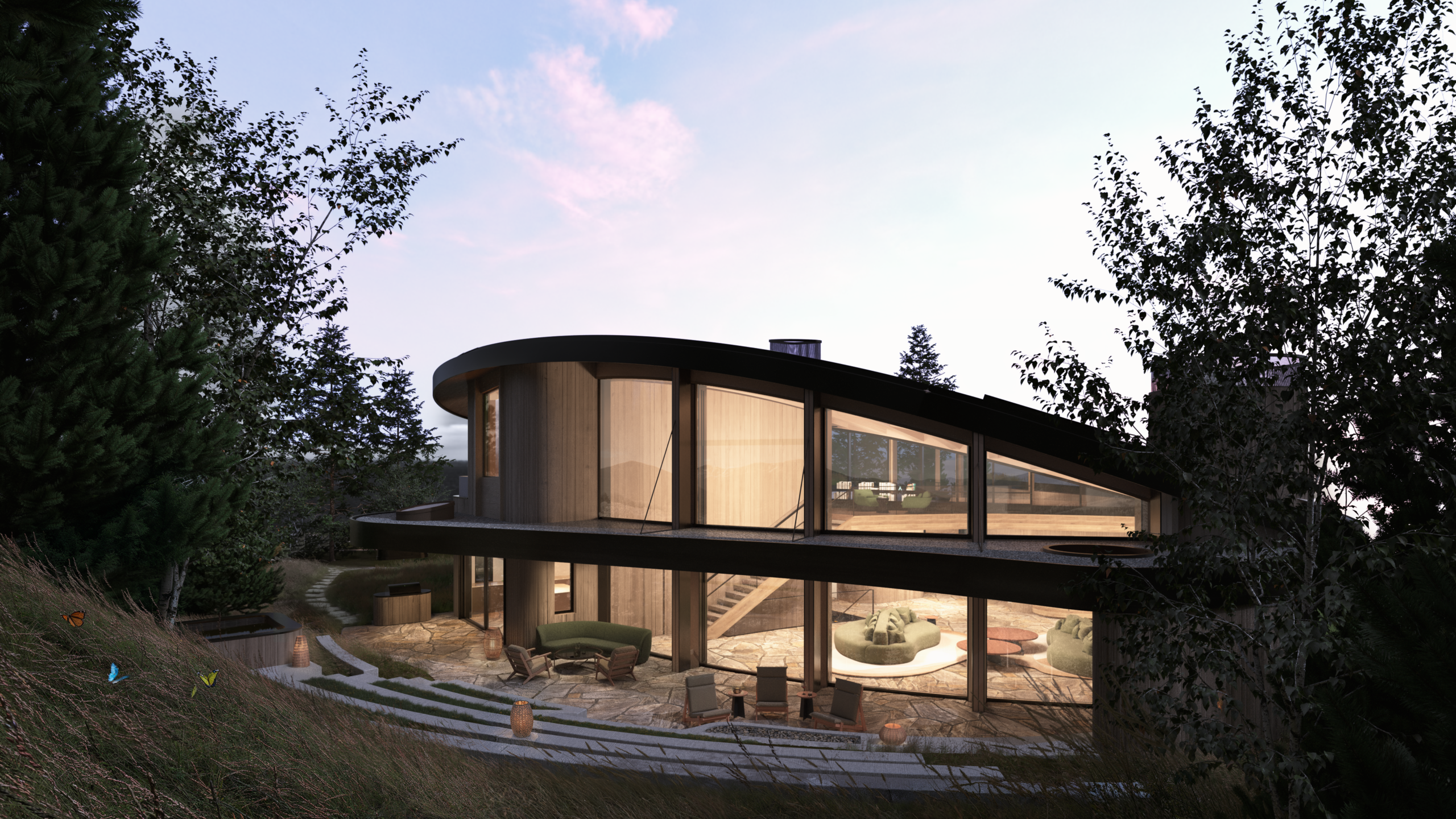
Primary challenges included a steep grade directly adjacent to the site at the base of the mountain and close proximity to a neighboring unit. In response, a dramatic sloping roof opens the volume toward the sky while editing views of the adjacent building.
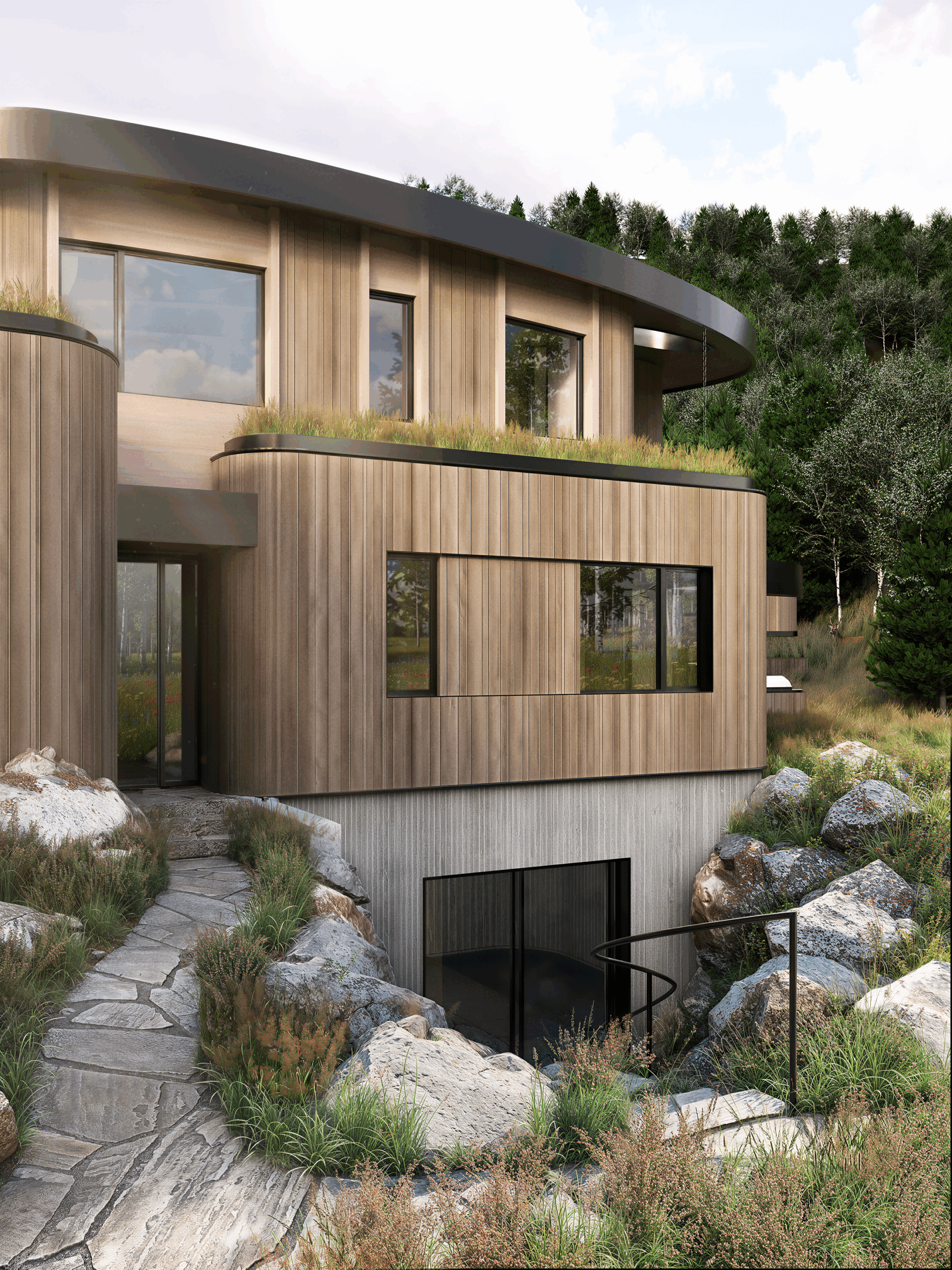
Exterior materials and elements include vertically oriented wood rainscreen referencing the wooded site, aluminum cladding at windows, glass guardrails at decking, and an integrated solar shingle roof system.
Beyond the entry, an ample community room designed for purposes including intellectual gatherings features flagstone flooring and a high, intricately beamed wood ceiling with clustered skylights. An iconic architectural expression, a curved, glazed curtain wall wraps the area to highlight the mountain view. Through sliding glass doors, the interior opens to a patio and tiered amphitheater carved into the landscape.
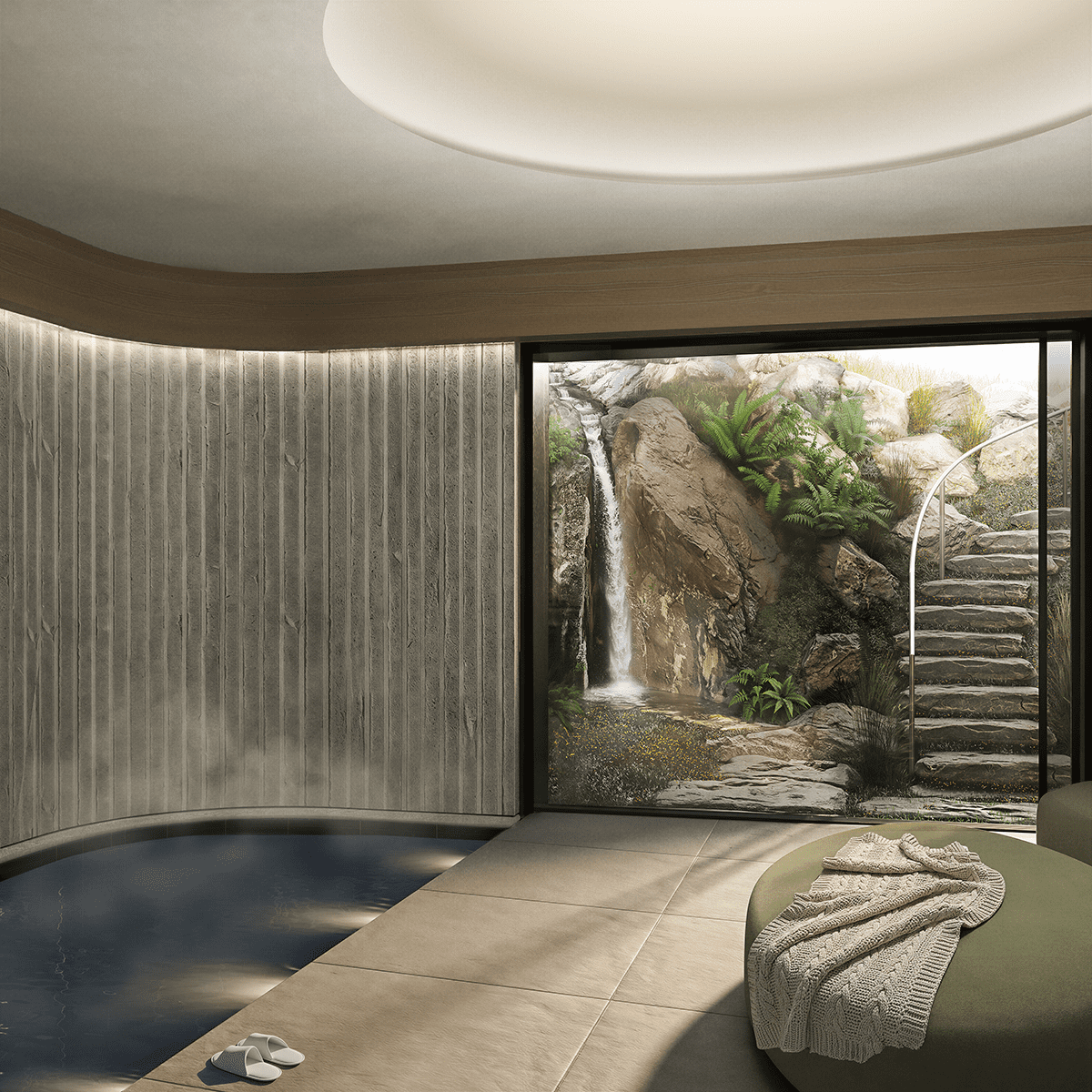
Main level spaces include ample kitchen, bar, and dining areas as well as dual bedroom suites. The upper level accommodates a pair of guest bedroom suites, one with a roof top deck encouraging connection to nature. With an emphasis on relaxation, a virtual wellness retreat complete with a therapeutic thermal bath and spa, and access to an outdoor grotto garden, is located at the basement level, which also houses a theater/game room.
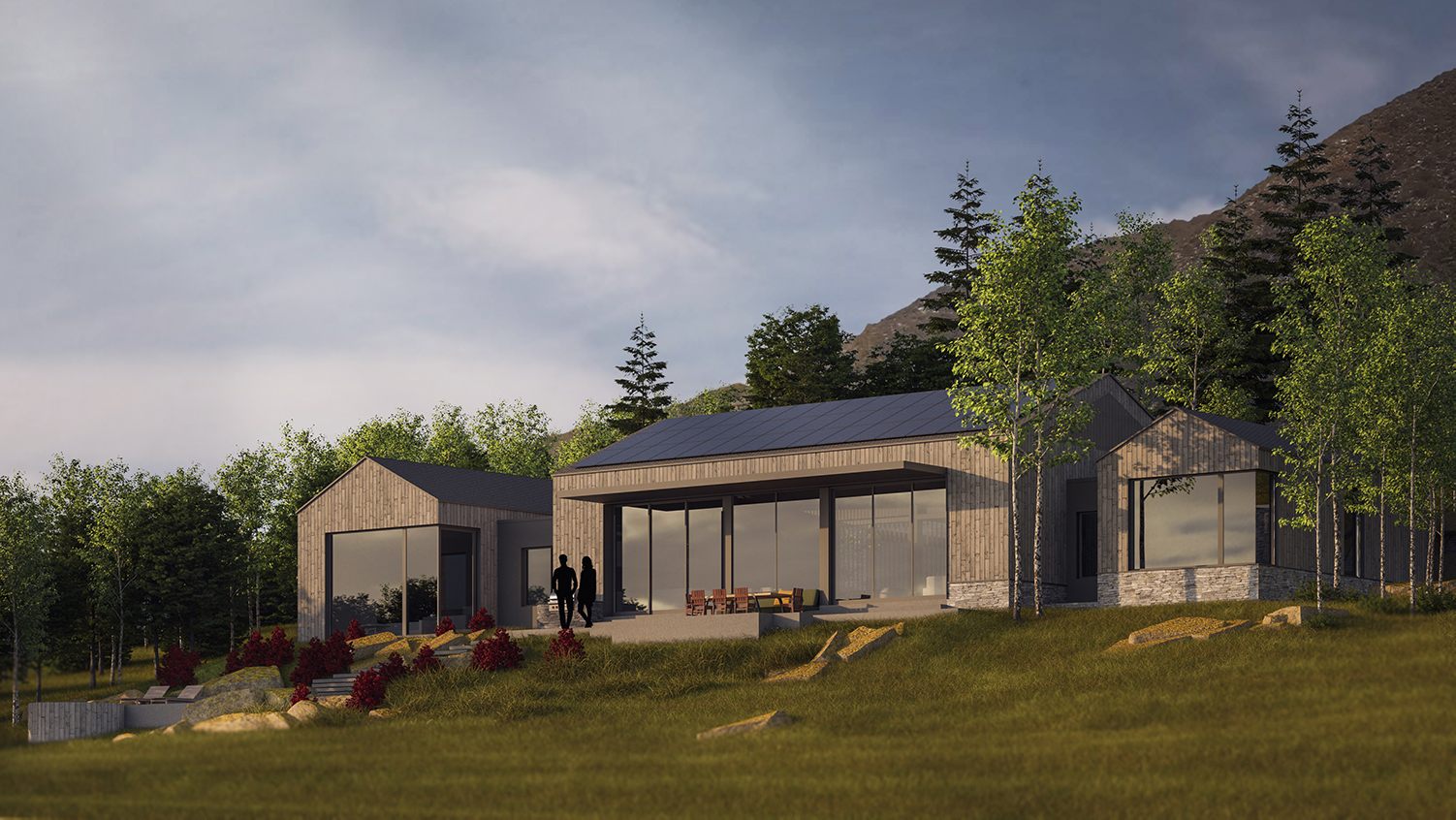
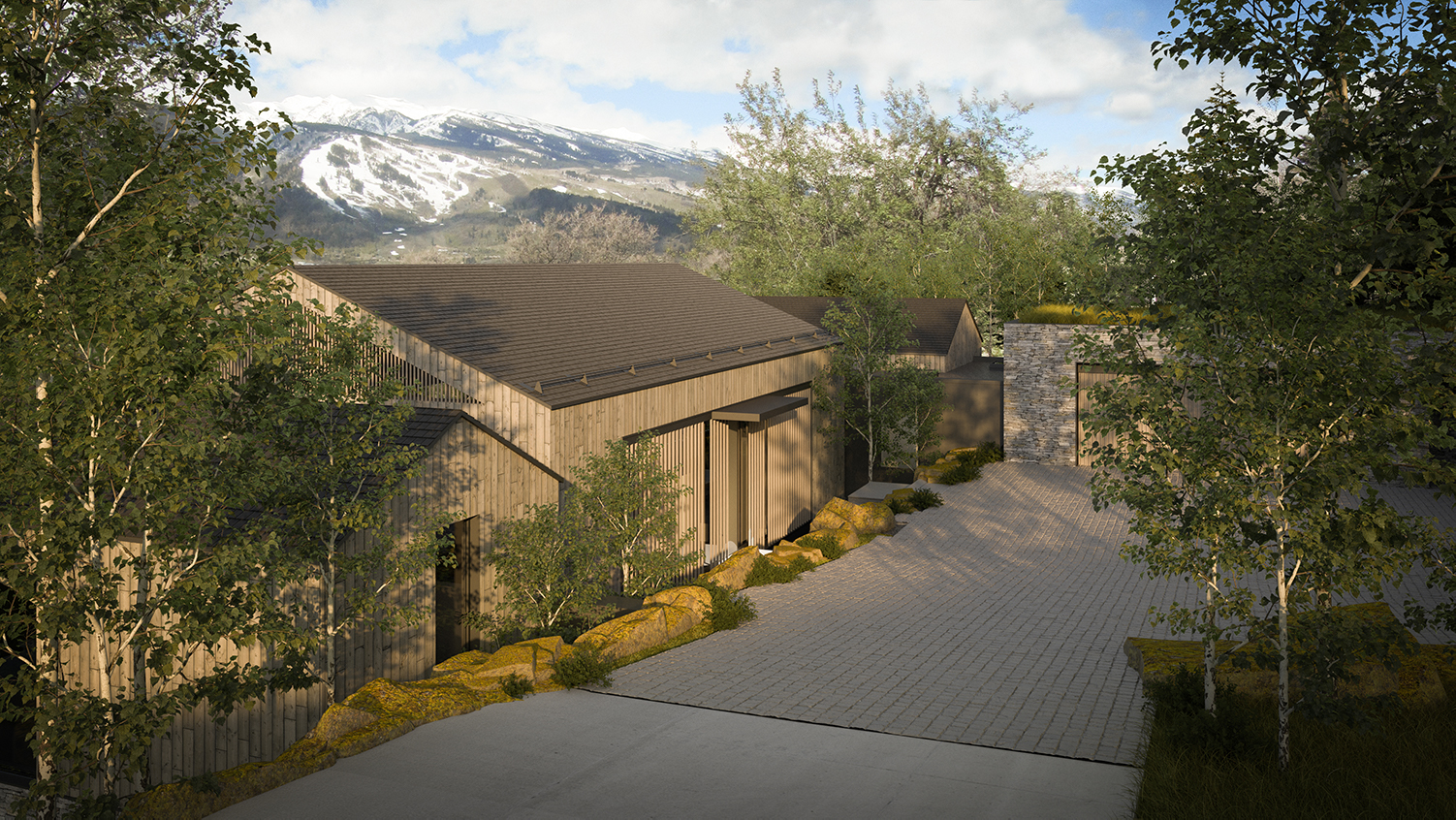
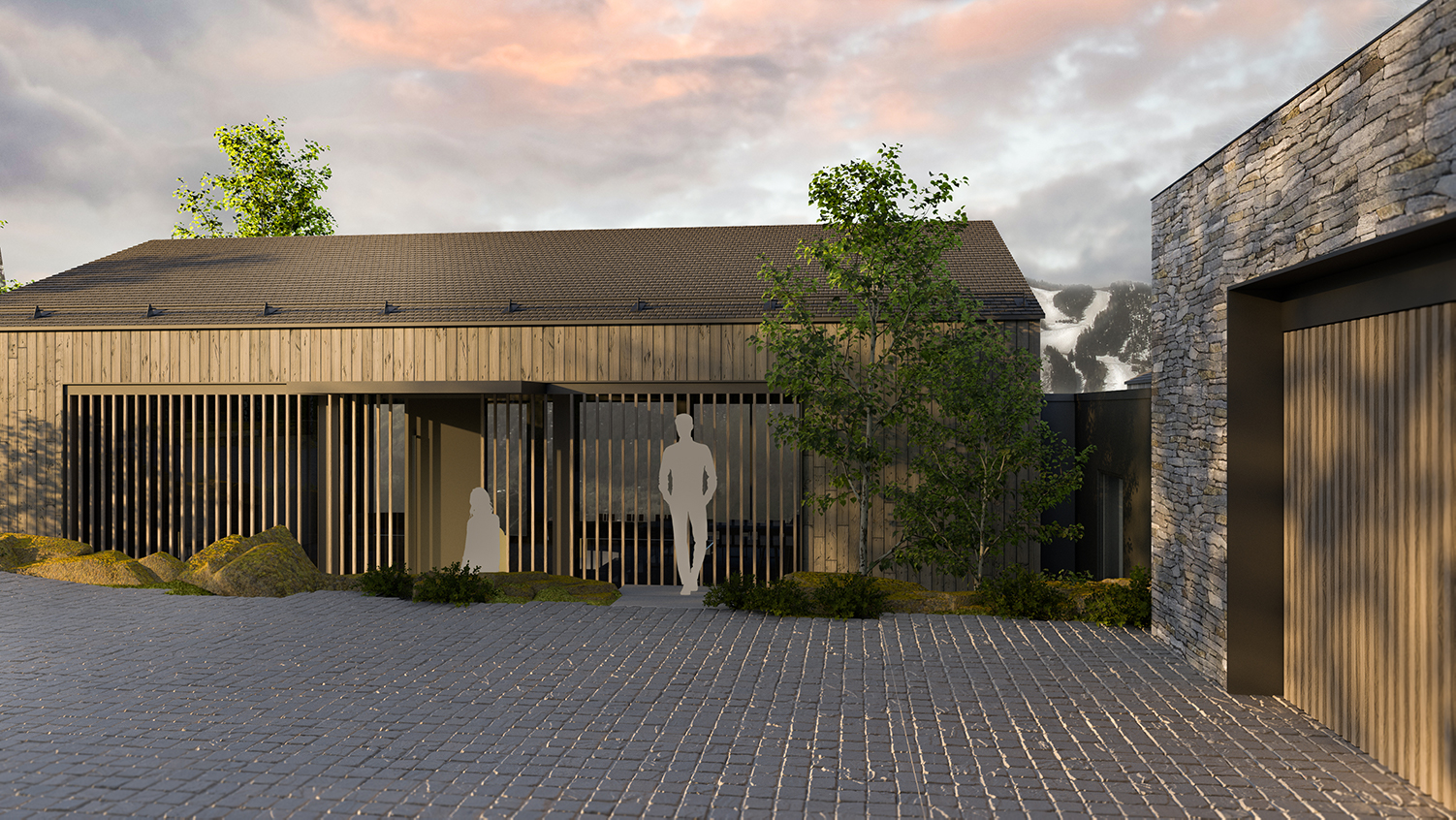
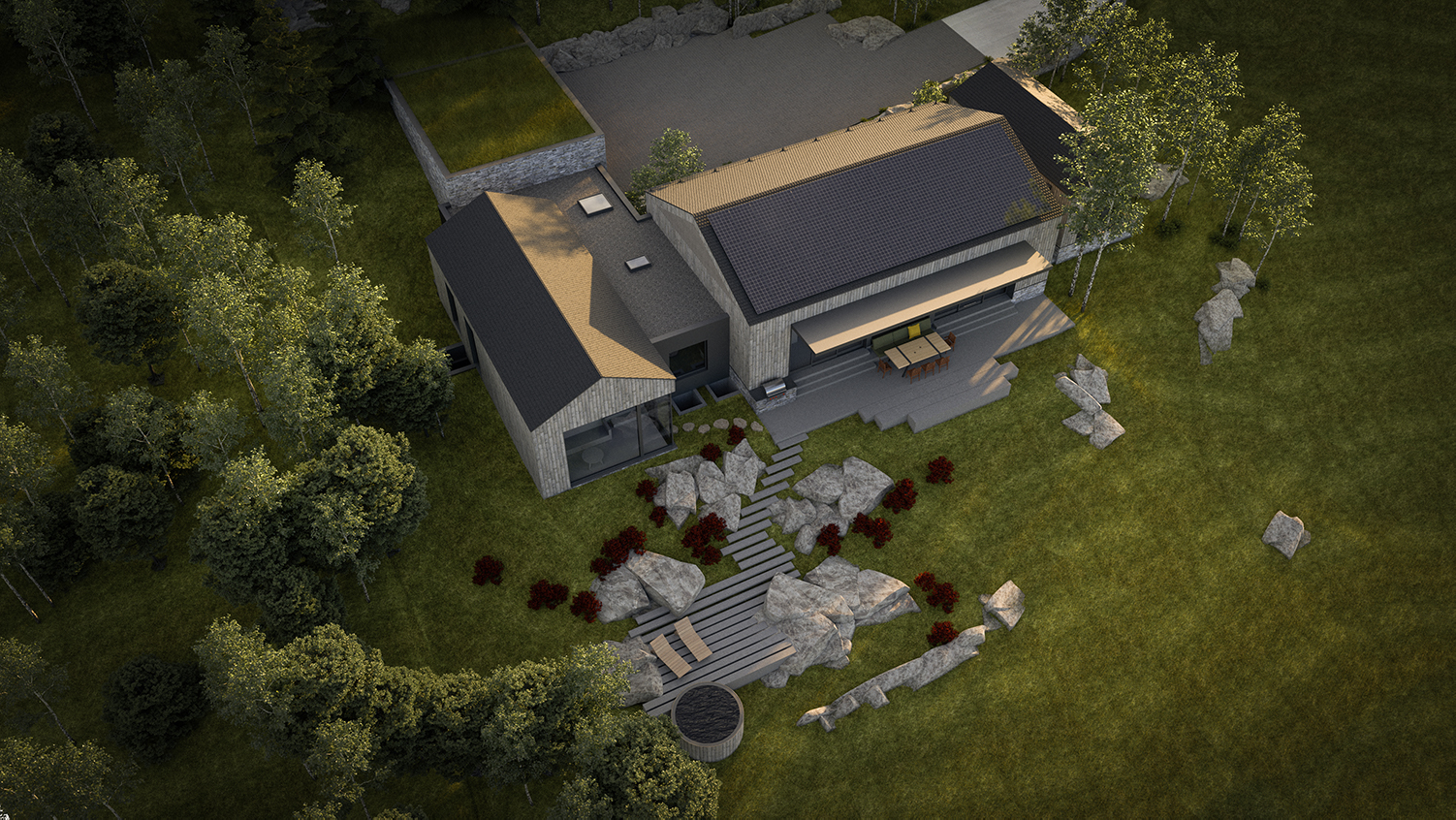
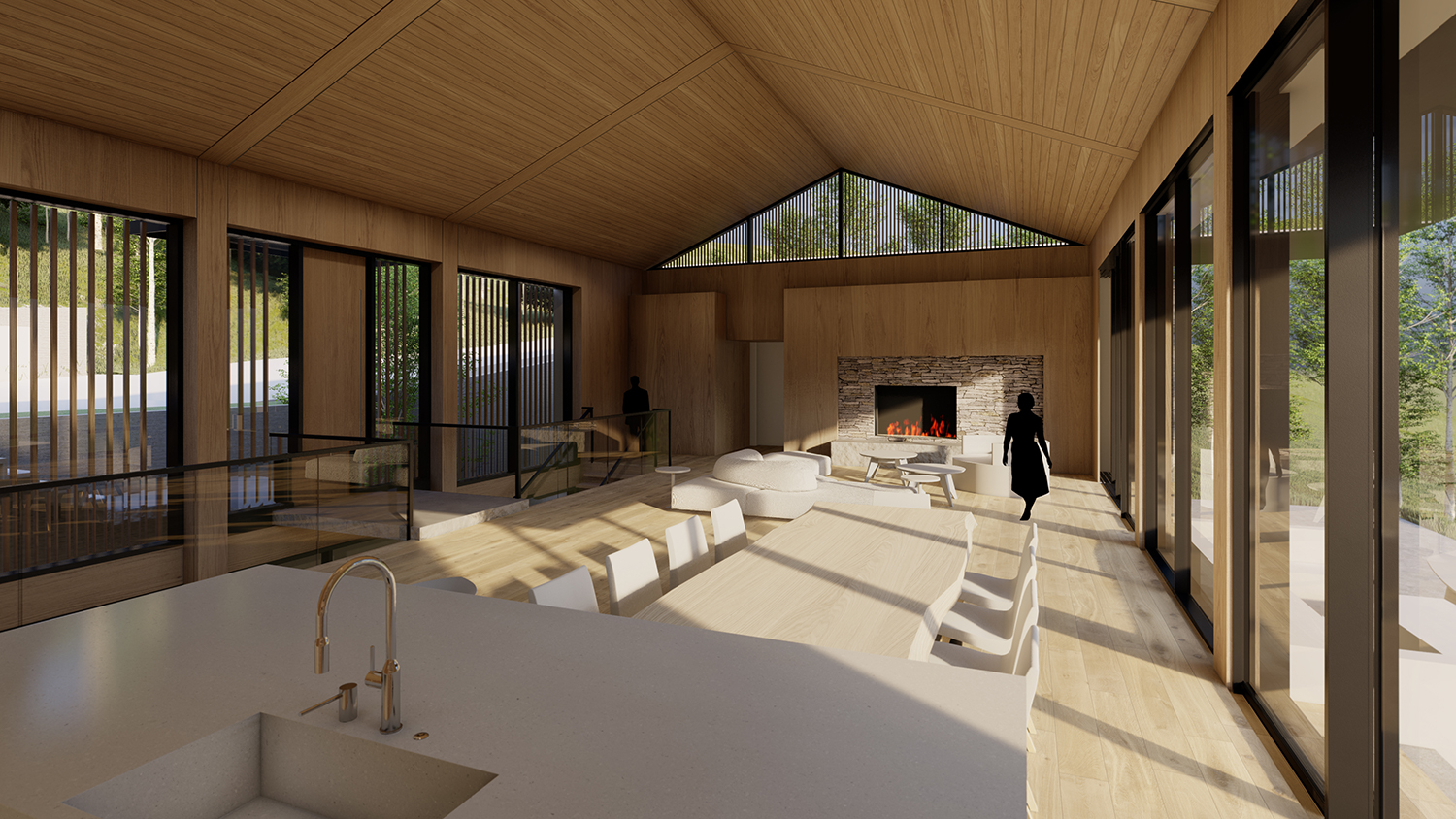
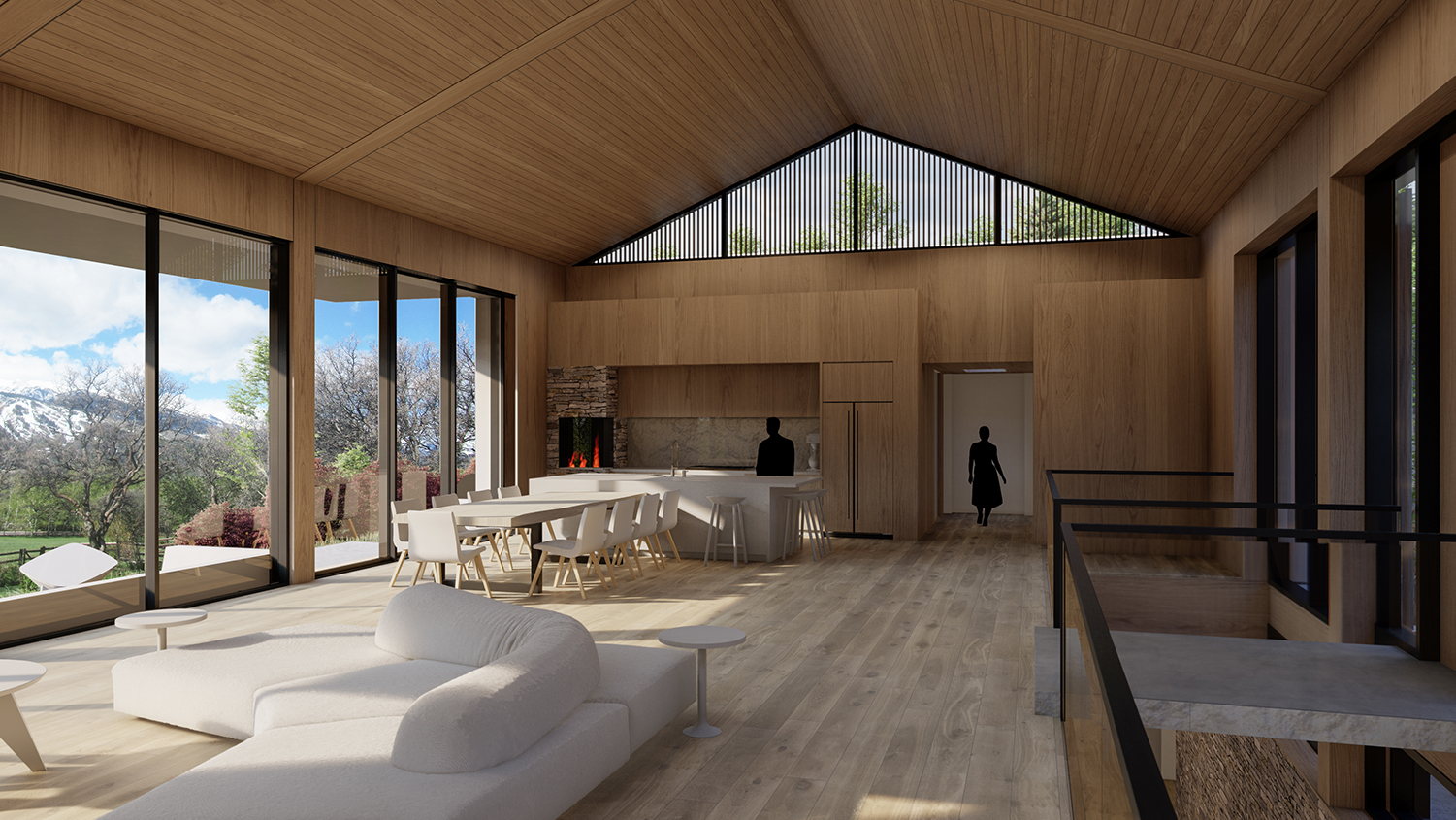
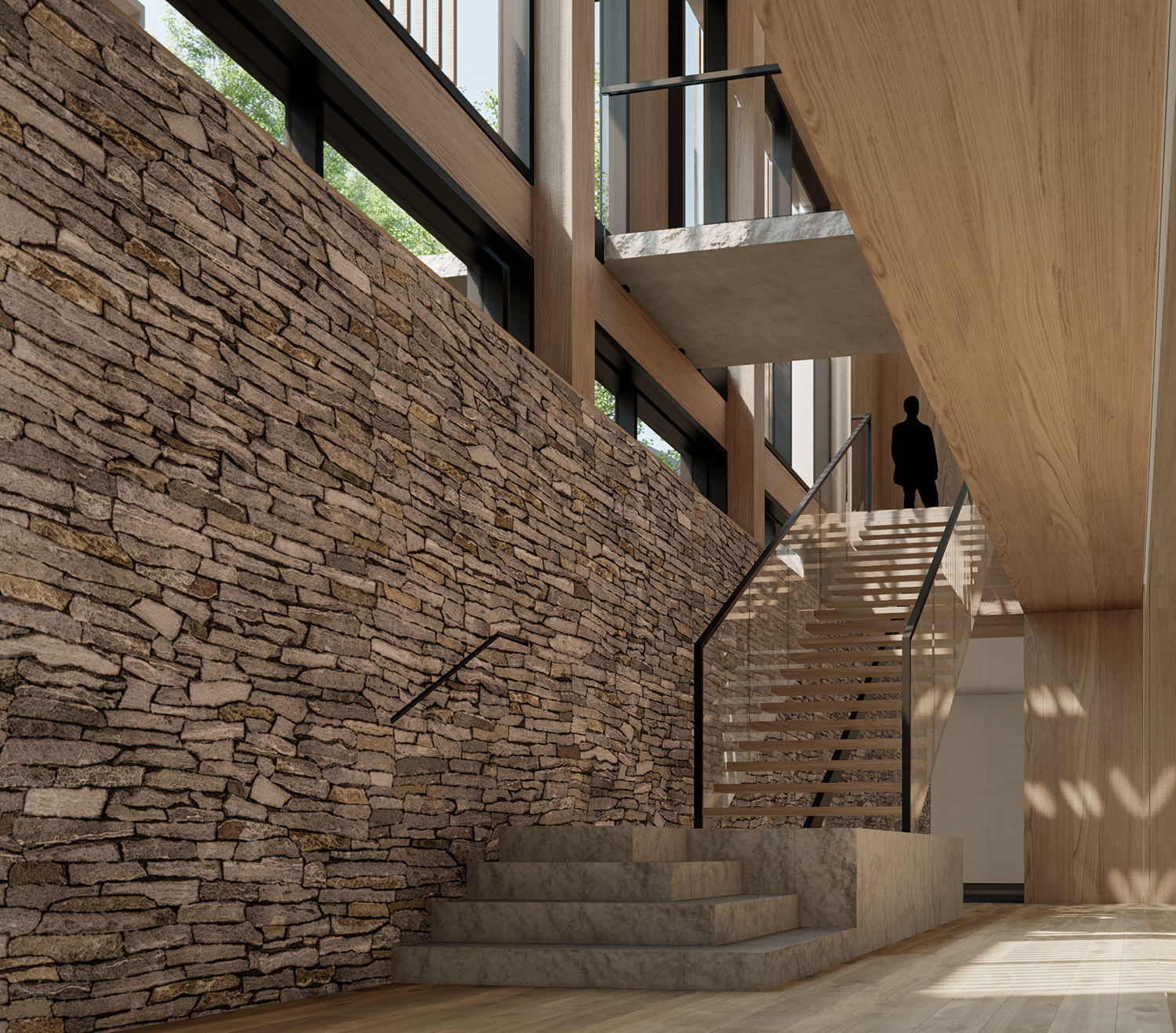
REDstead is nestled high above Aspen within the coveted Red Mountain Ranch community that at one time was a working ranch. The sloping site overlooks a pristine pasture, which is the center piece of the ranch, and enjoys unobstructed views of Aspen Mountain and Independence Pass. The bucolic surroundings immediately influenced the design thinking to respect the sense of place rather than trying to define it. The Japanese principle of Wabi Sabi, roughly translated as ‘rustic simplicity’ and ‘perfectly imperfect’, also helped guide and define the spiritual nature of the project.
The steep site was the most significant challenge. The access point on to the property sits approximately 25’ above the desired auto court level. In addition, the existing driveway was not up to code, which required it to be wider and less steep. The other challenge that further complicated the grading was the desire for the great room to walk out on to natural grade and not be suspended in the air with a deck. This greatly impacted the house’s entry sequence. The design team approached the entry sequence by setting the great room floor level 5’-6” below the auto court level, which opened the opportunity to create a dynamic and experiential entry through a sunken rock garden. Rather than immediately stepping into the home from the auto court, guest now leave the car behind and journey down over large natural rock outcroppings and over a stone bridge leading to the front door.
The sustainability efforts included a 16kW photovoltaic array, continuous wrapped insulation, and advanced mechanical systems. Passive solar strategies were also used to create less dependency on mechanical controls. The exterior materials were carefully researched for their durability, low-maintenance and were sourced locally, when possible.
An indoor/outdoor experience was a critical design objective. The house was situated so that it is unmistakably nestled and deeply rooted to the land. The native grasses from the pasture below were intentionally introduced into the property to honor and respect the context as if the house has always been there.
The primary design goal was to create a simple lifestyle where the main level provides one-story living. The central great room is the predominate volume and flanked on either side by secondary volumes, the primary suite and secondary suite. These individual programs have their own gable volumes and are united by subservient linking volumes to suggest a rambling, homestead collection of buildings.
Another design goal was to capture unobstructed views of Aspen Mountain from the great room. Coordination with the surveyor and site mockups were meticulously studied to ensure the these views were achieved while creating a walk-out experience to the outdoors without significant grade change or excessive heights.
The most unique program of REDstead is the 1,500 SF wellness center. Although located in the lower level of the home, the wellness center’s gym is flooded with natural light from the adjacent stair and expansive window wall above. Moving past the gym the mood shifts to tranquility and rejuvenation as you enter the relaxation room with an adjoining massage room and full bath. The relaxation room is the ideal environment to relax, as it includes fireside lounging, a spa with a waterfall feature, a sauna and steam shower.
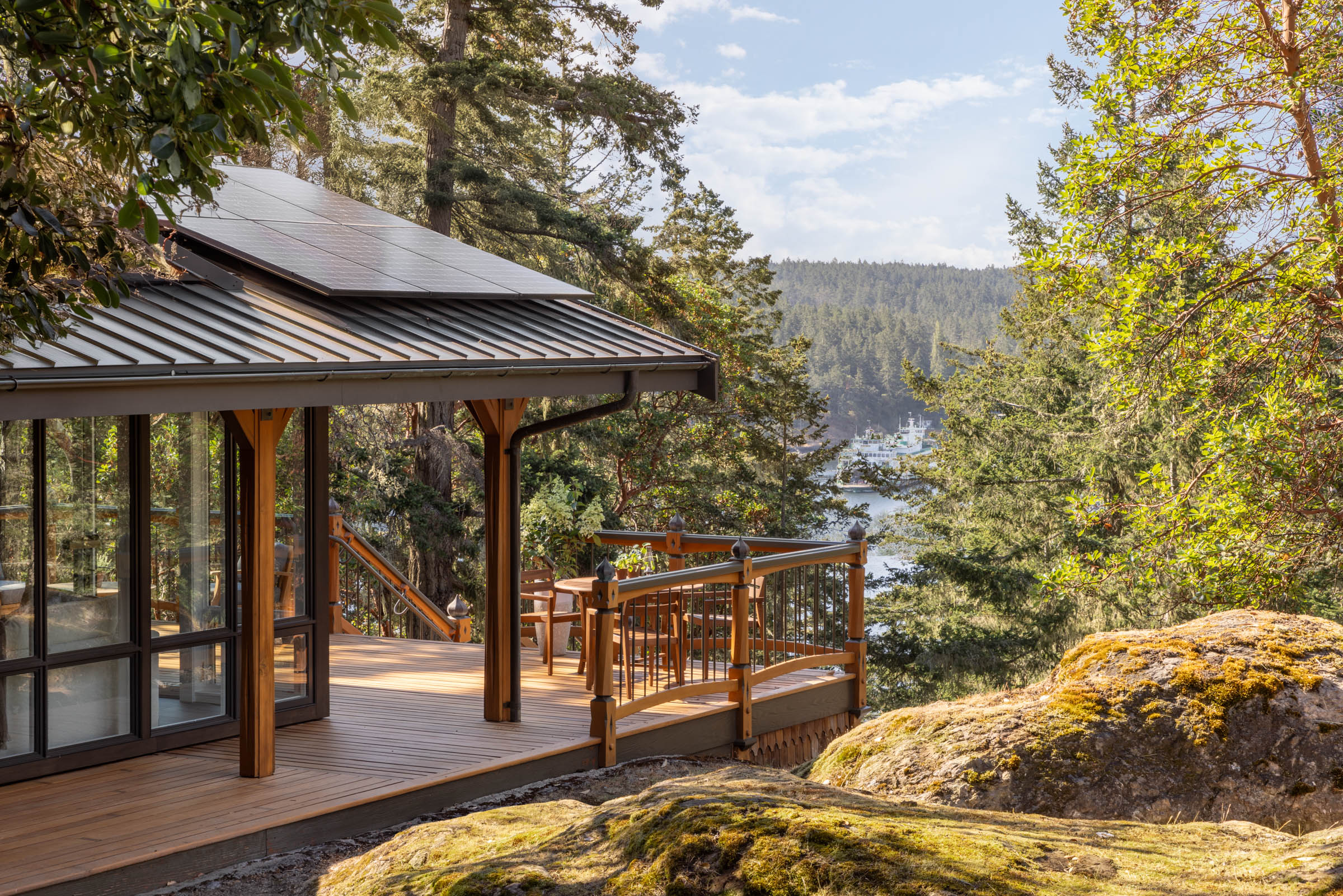
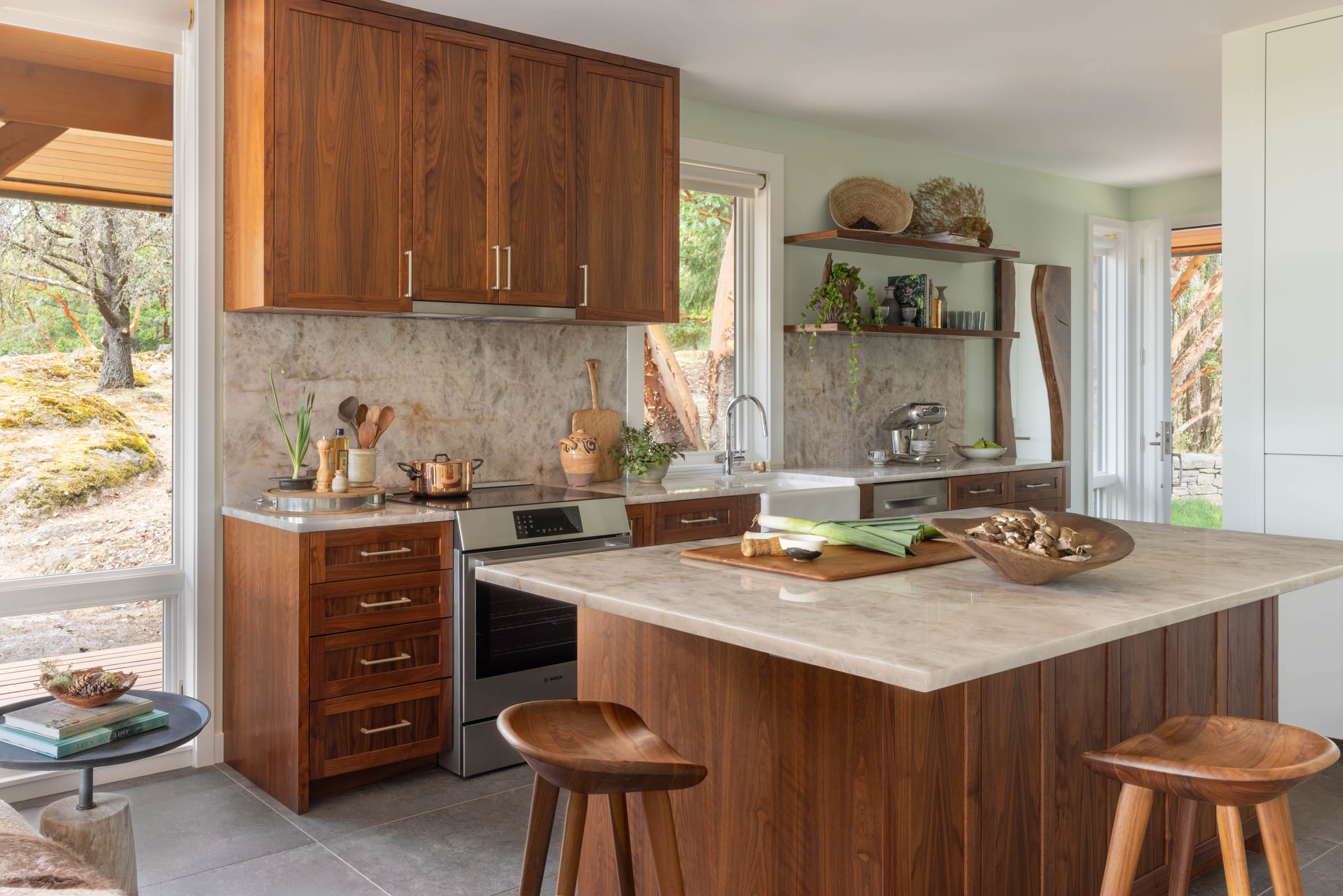
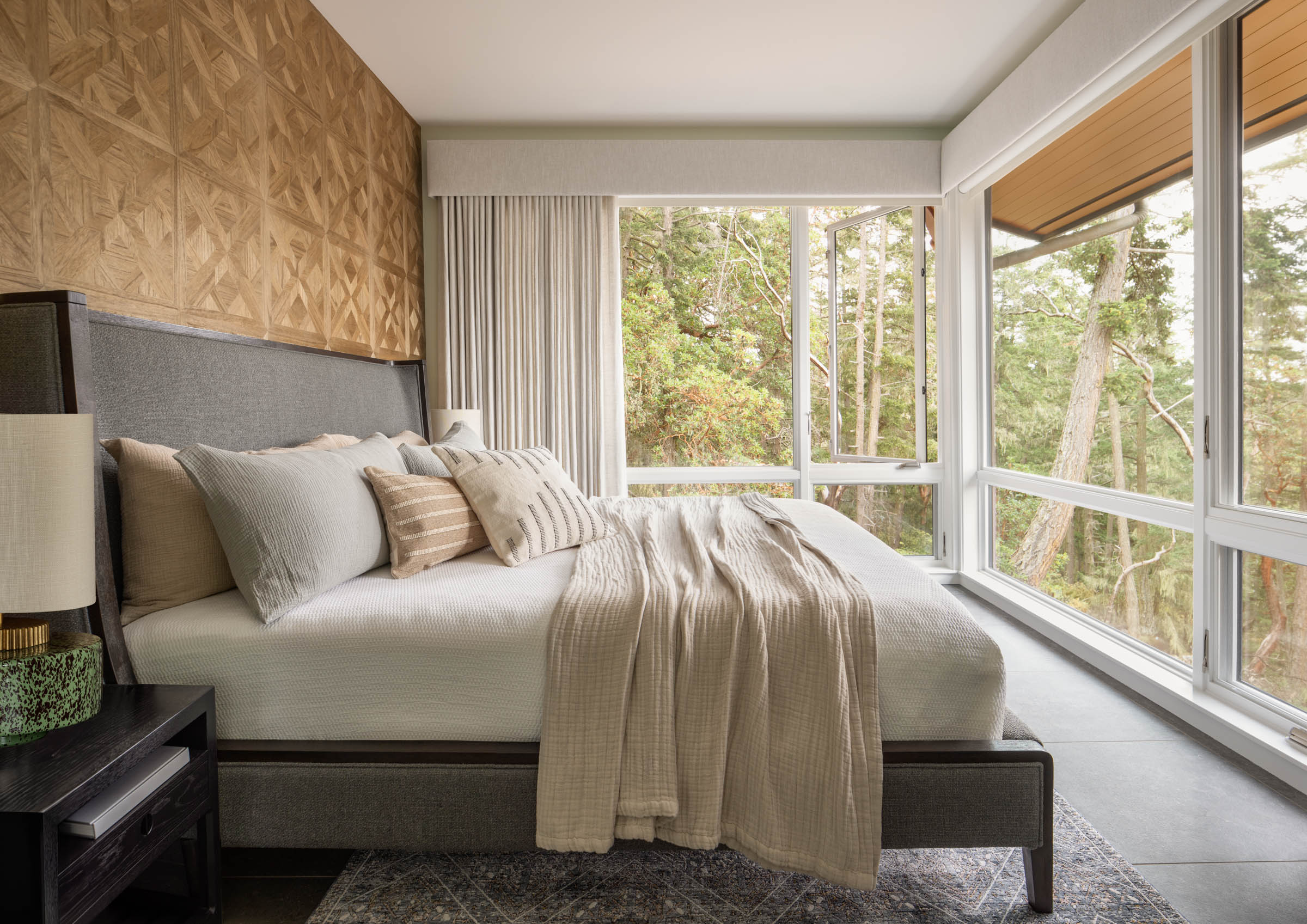
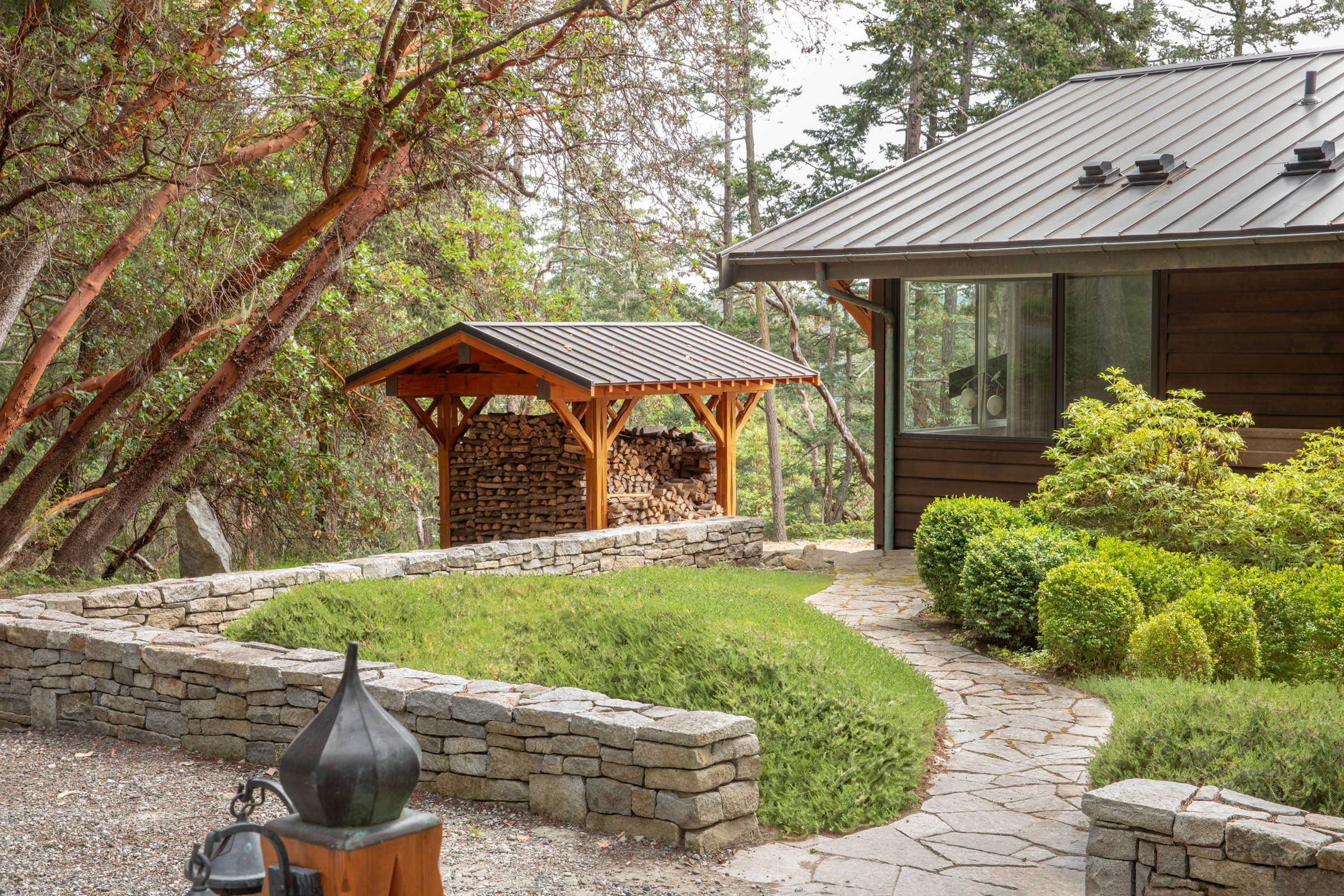
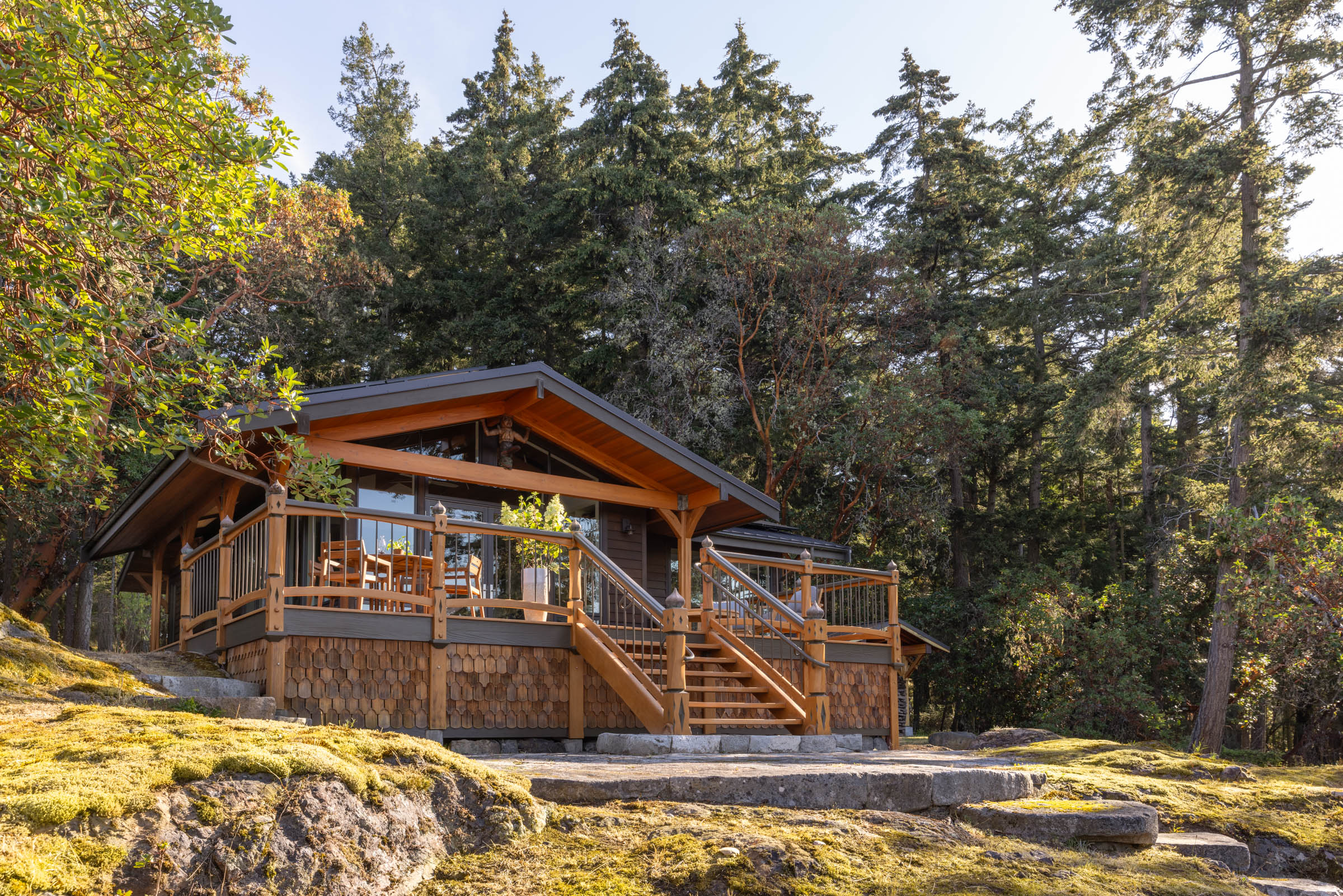
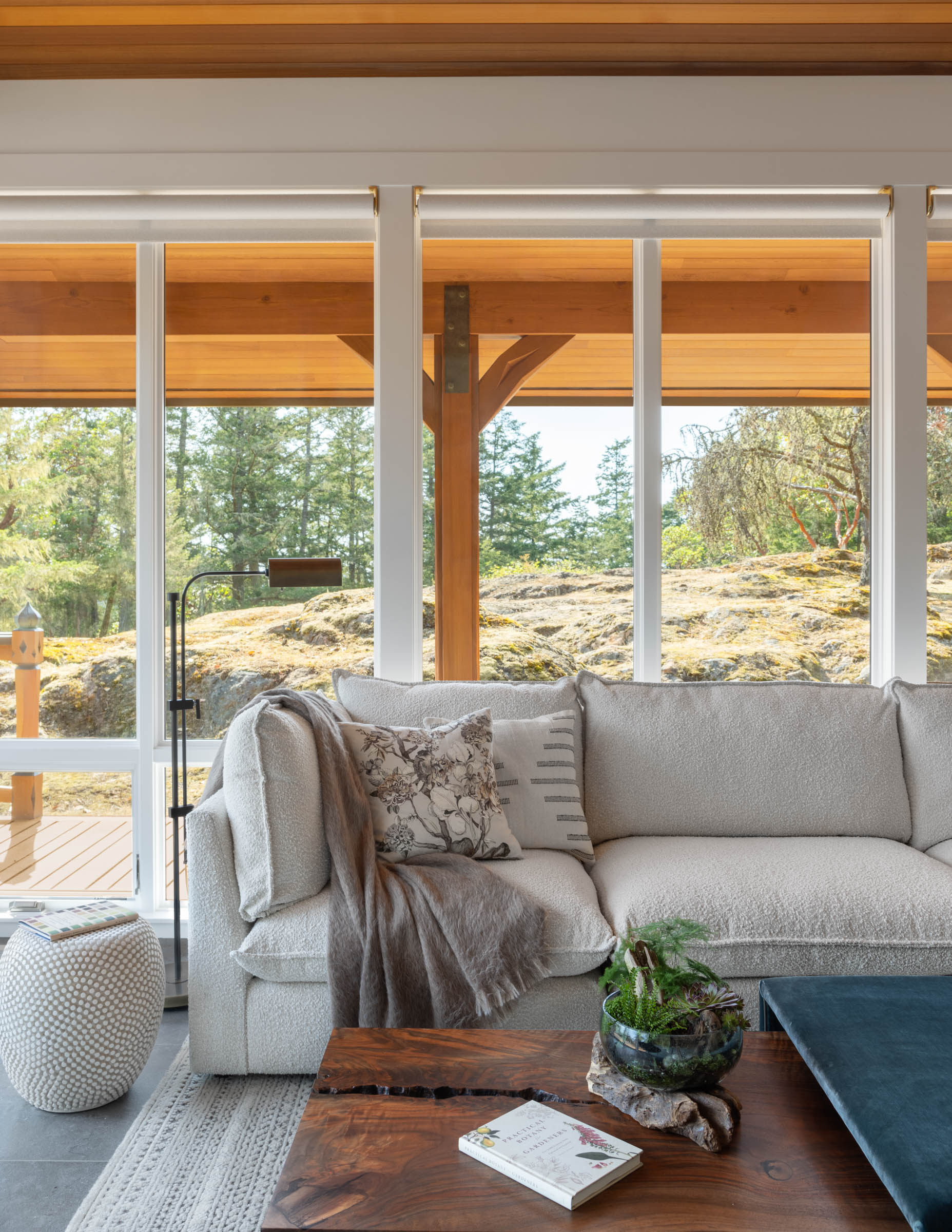
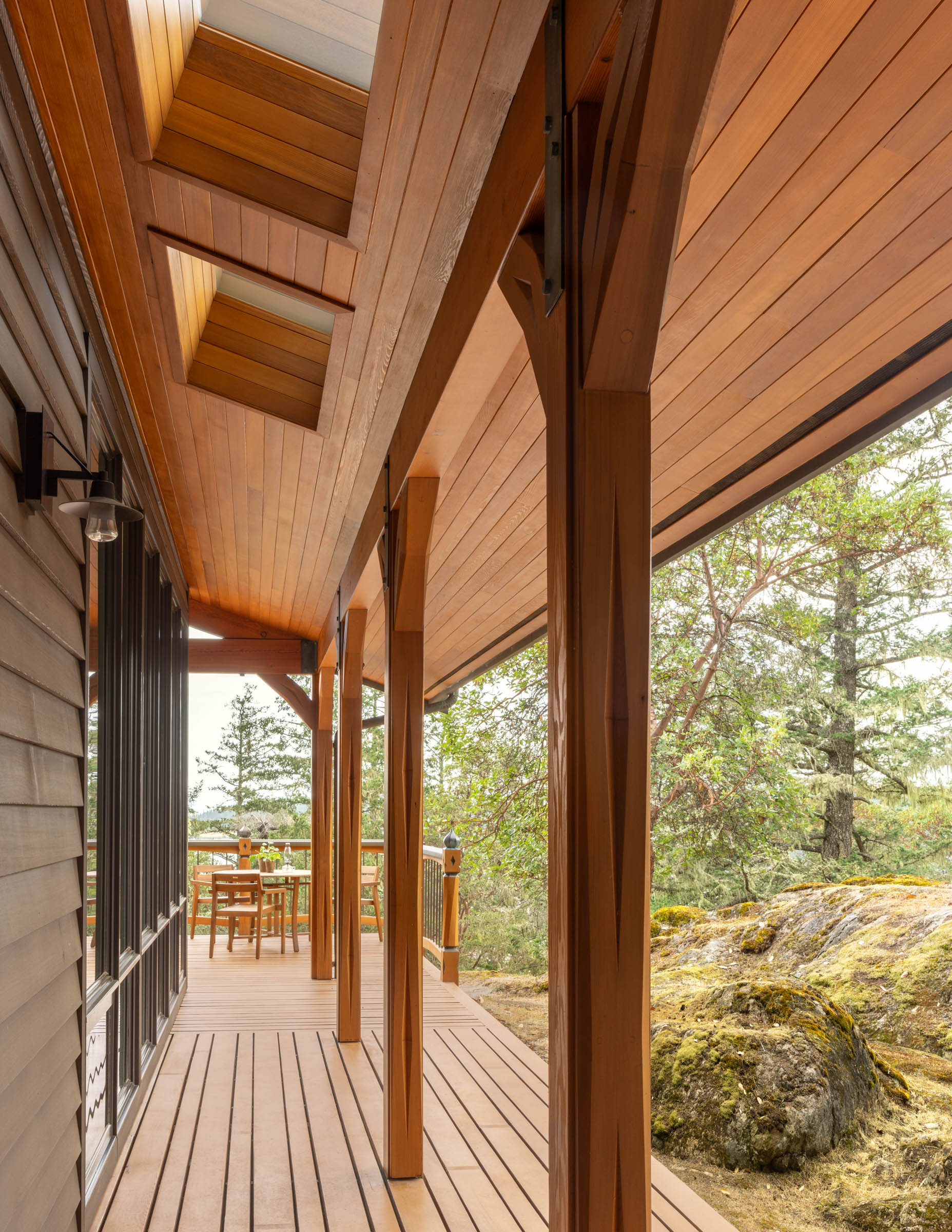
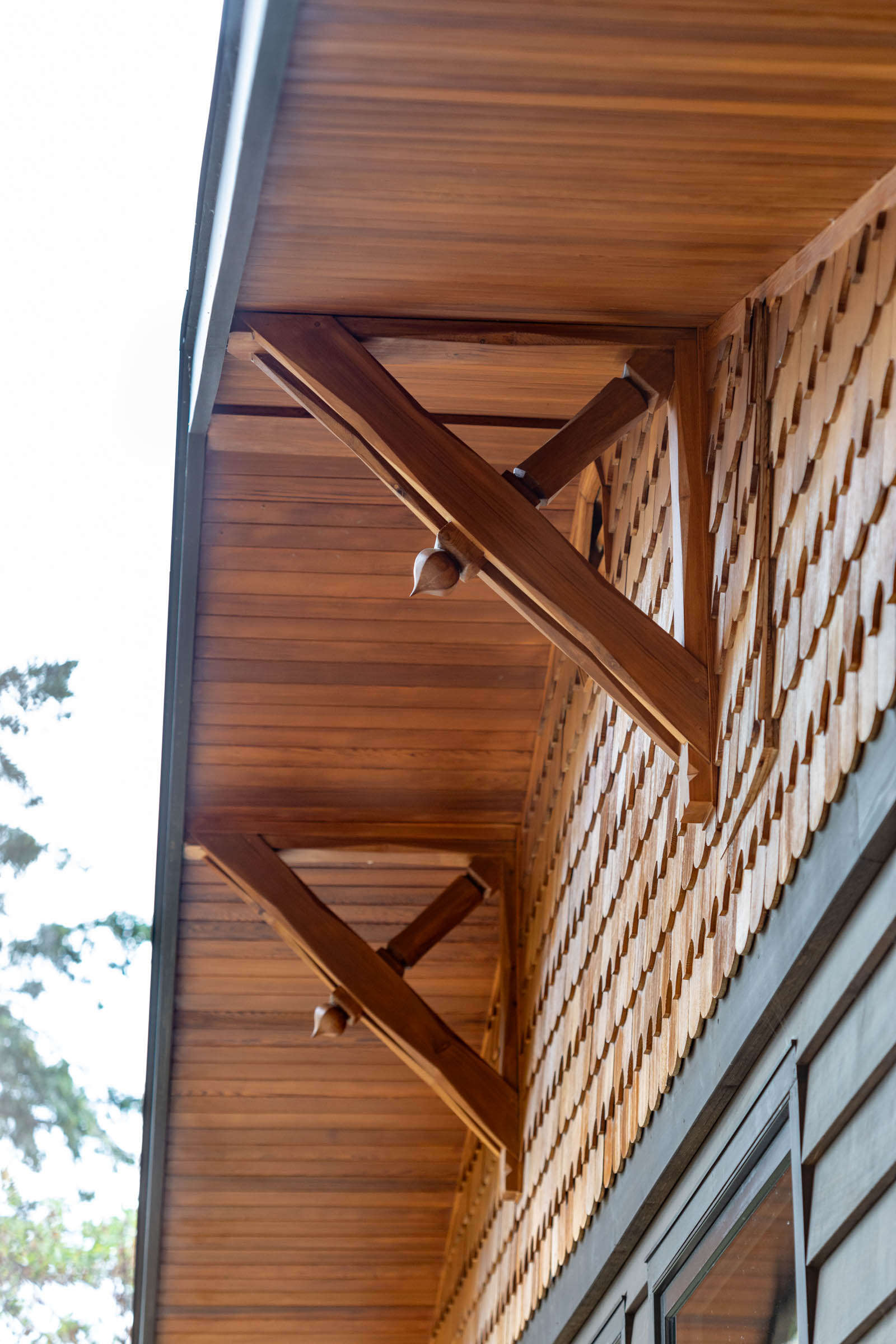
On Orcas Island, the largest of the San Juan Islands of the Pacific Northwest and colloquially known as “the gem of the San Juans,” this intimate 1,200 square foot “getaway” cottage is set on a forested site within a long-time family farm.
With the challenge of restoring and contemporizing the original structure while preserving its innate charm, the design team repurposed scalloped wood shingles and other exterior wood working details handcrafted by the owner-couple’s family. Multi-color siding was replaced for a more monochromatic aesthetic to draw focus to the natural surroundings.
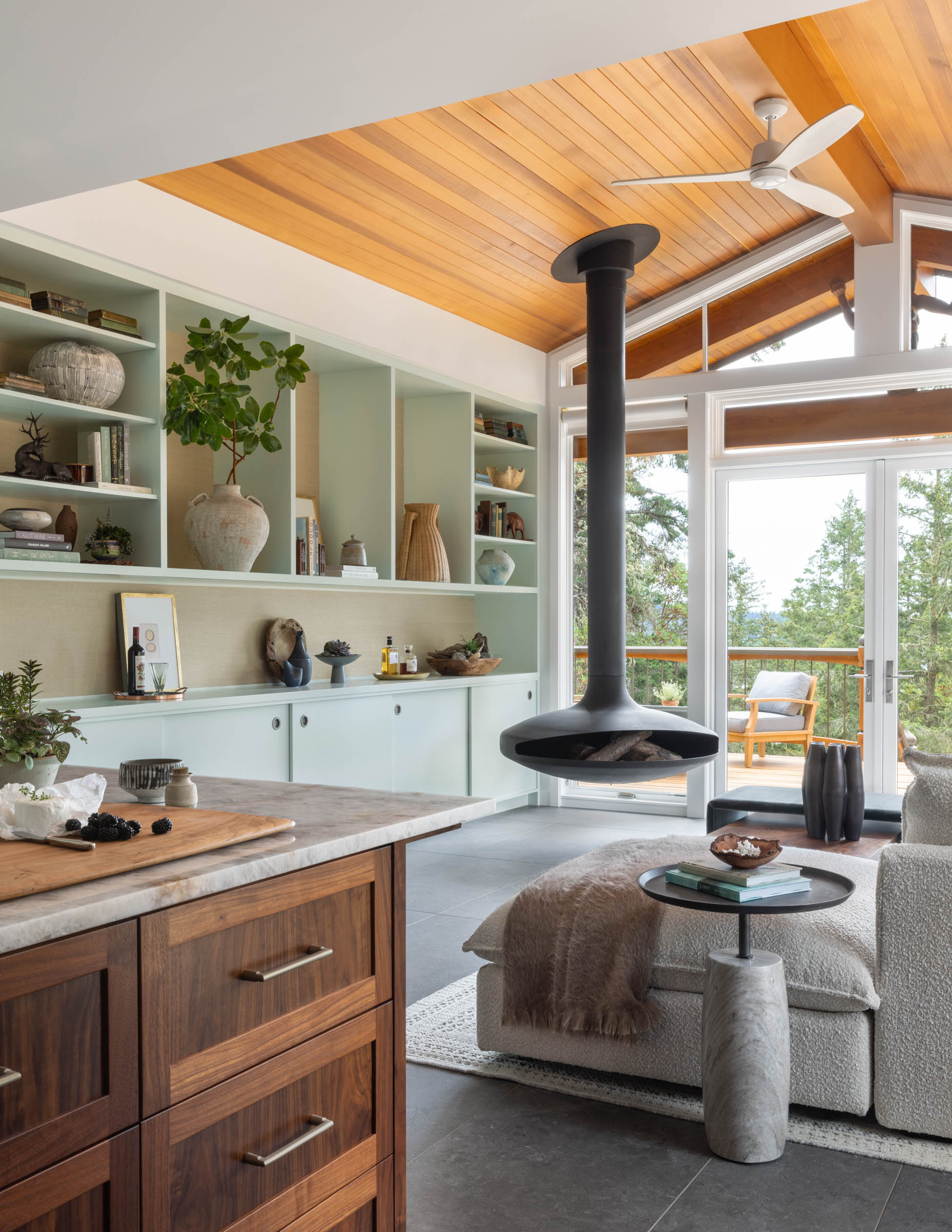
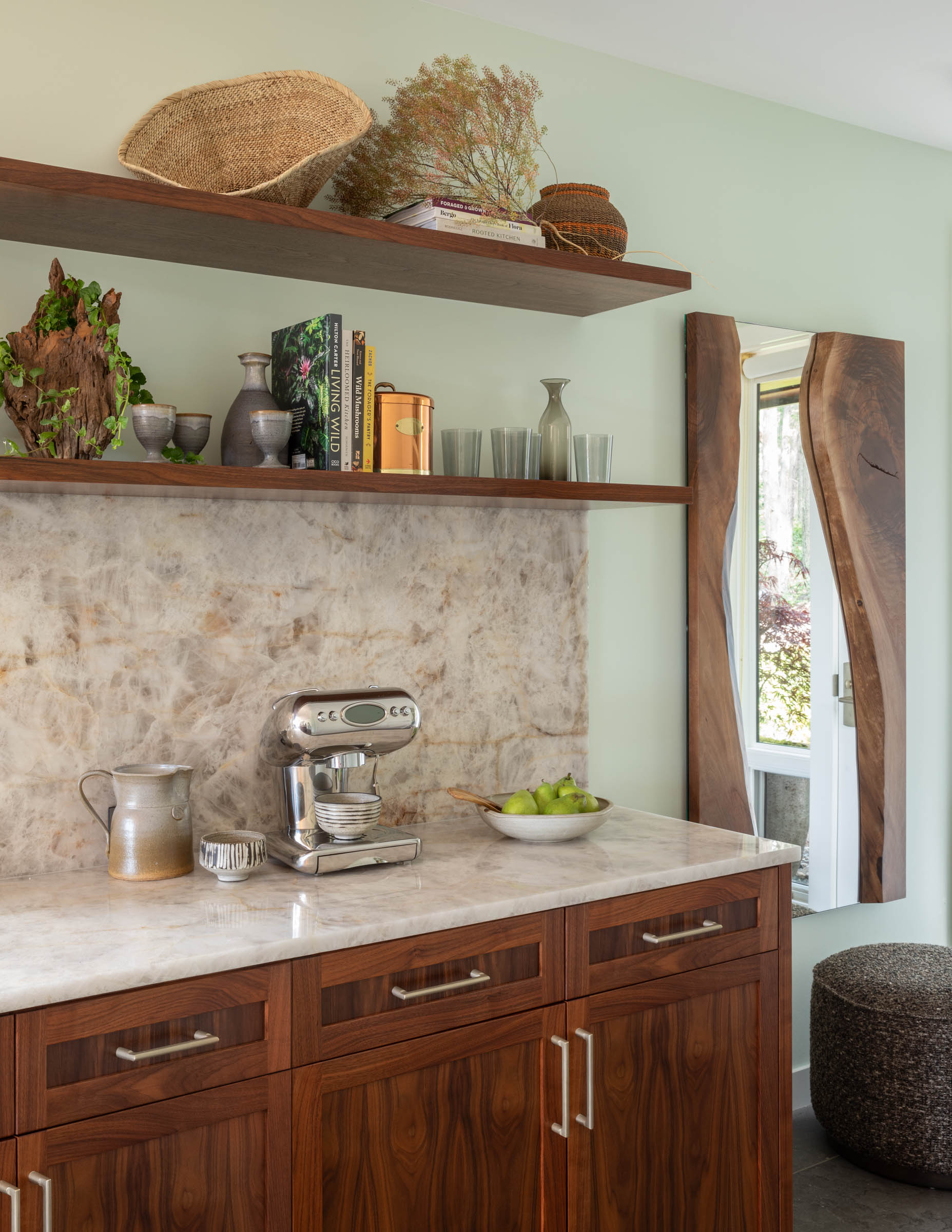
Inside, a complete remodel is marked by the addition of sidelights flanking the new, repositioned wood front door, a custom live-edge walnut mirror, and a built-in bench with open cubbies. Beyond the centrally located open kitchen, complete with a quartzite topped walnut cabinet system and island, the main living area features extensive storage and library space. Ample seating offers plenty of room for settling in with a book and warming by the modern suspended fireplace.
Flooring throughout is durable large format porcelain tile, selected to withstand muddy Pacific Northwest dog paws and the area’s variable weather. Existing exterior cedar was repurposed/refinished and new matching cedar was specified for the living area ceiling and exterior soffits. Additional rooms include the main bedroom suite and a flexible guest suite.
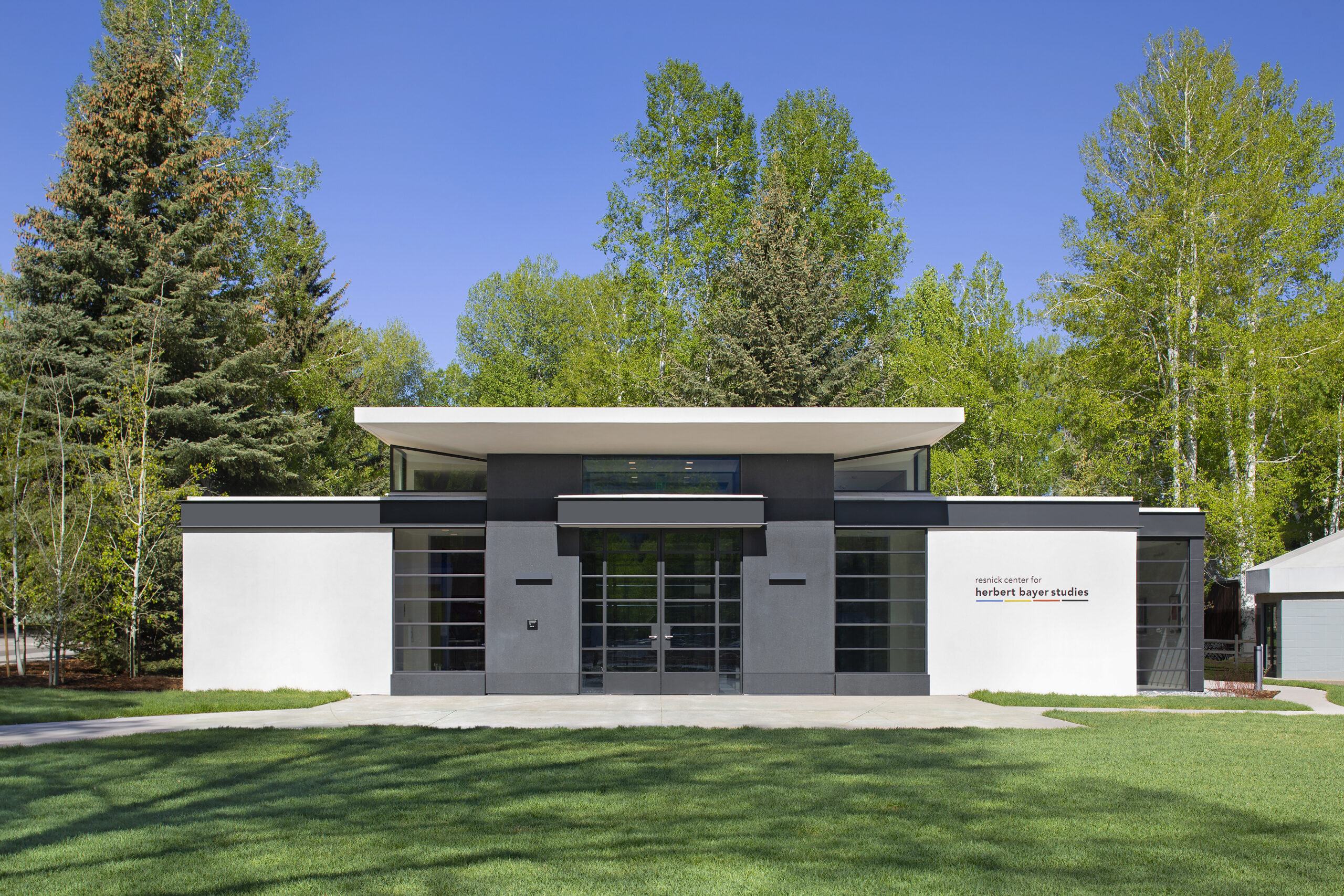
Located adjacent to Herbert Bayer’s historic Boettcher Seminar Building in Aspen, Colorado, the Bayer Center is designed to house the collection of his works for public view, the only of its kind. The museum is the newest addition to Aspen Institute’s campus, with grounds featuring Bayer’s sculptures and landscape along its pathways. The Center is smaller and lower than the Boettcher Building, paying homage to Bayer’s 1975 work.
The compact design accommodates ample gallery, archival, and support space for works of art that span Herbert Bayer’s illustrious career. Rigorous geometries and alignments were critical to the team and vision of a Bauhaus-inspired aesthetic. These parameters wrap the building and govern the dialog between elements which are repeated, mirrored, and proportioned by a greater set of rules.
To uphold the aesthetic goals, the Bayer Center must be an efficient and well-organized system of logic. This ripples through the infrastructure supporting the building. Structure and utilities must work in concert with the spaces without breaking the design purity or interrupting the open flow of the plan. The steel fascia set to the top of the glazing determines the ceiling space, containing the building mechanical, lighting, and thermal envelope suited to Aspen’s climate extremes. The upper roof is similarly thin, tapering to an 8” tall cantilevered eave where structure and insulation are stretched to the extent of their performance. As the geometries meet, construction sequencing must account for streamline form and tight tolerances.
The museum will be a cultural merger between the Aspen Institute and Aspen’s community. Anchoring the campus corner where it touches the city fabric, it welcomes the public to view Bayer’s works and to explore the paths connecting his sculptures to the landscape. The comprehensive body of this Bauhaus master’s works will be culminated in this museum and throughout the grounds, a true tribute to his contribution to one of the most famous art movements in history.
Advanced building technology elevates the Bayer Center beyond current day performance requirements. To balance interior and exterior conditions, the design team and envelope consultant developed a strategy through meticulous product research and detail strategies to support the design, its durability, and its sustainability. Using vacuum-sealed insulation and an aerogel coating on the steel, the building will reduce HVAC demands for a more passively stable environment. Envelope continuity wraps the exterior cladding and insulation within openings. This seamless design requires careful detailing to tie to structure and maintain thermal quality without breaking plane. The museum’s glazing and glass floors draw natural light into the galleries. The team refined the assembly produced by the same steel glazing manufacturer of the Bauhaus building in Dessau to provide a combination of excellent color rendering, solar protection, thermal retention, and slim detailing.
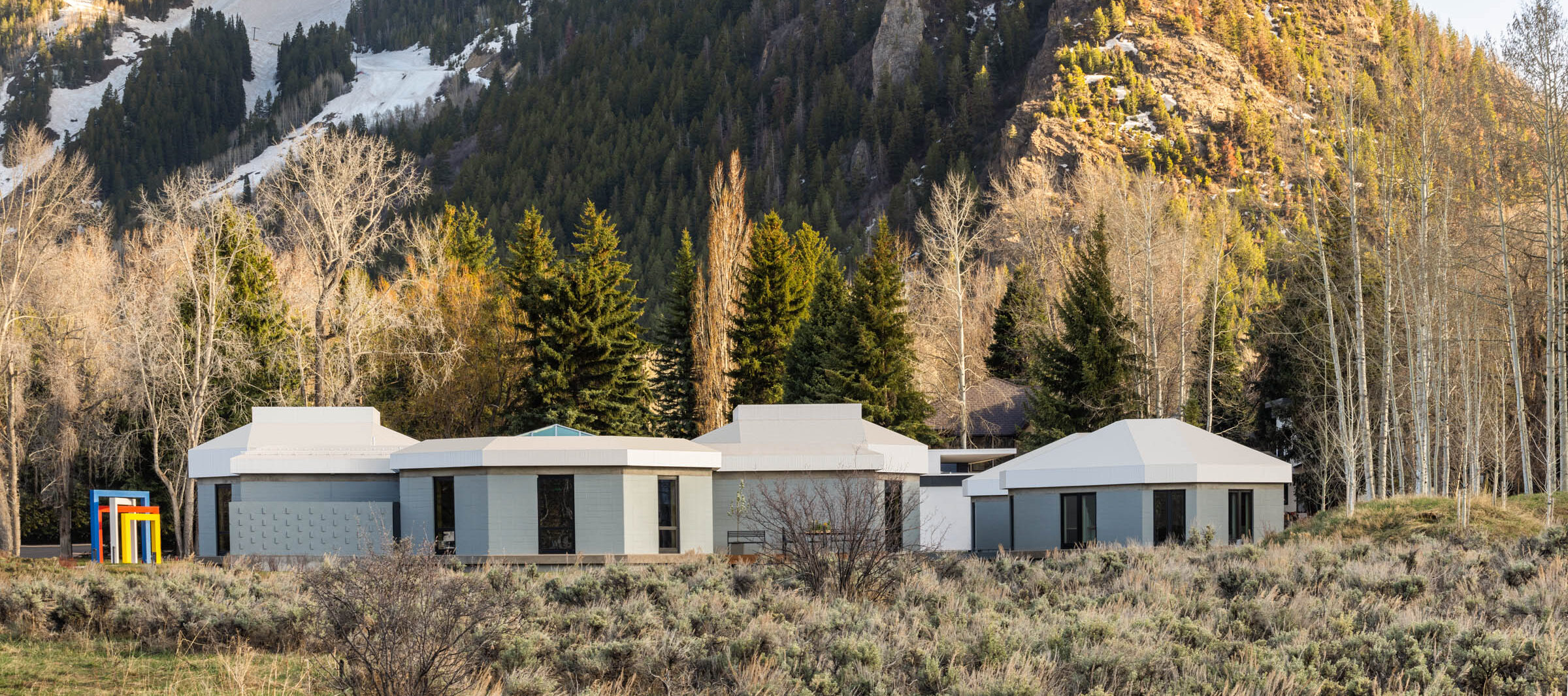
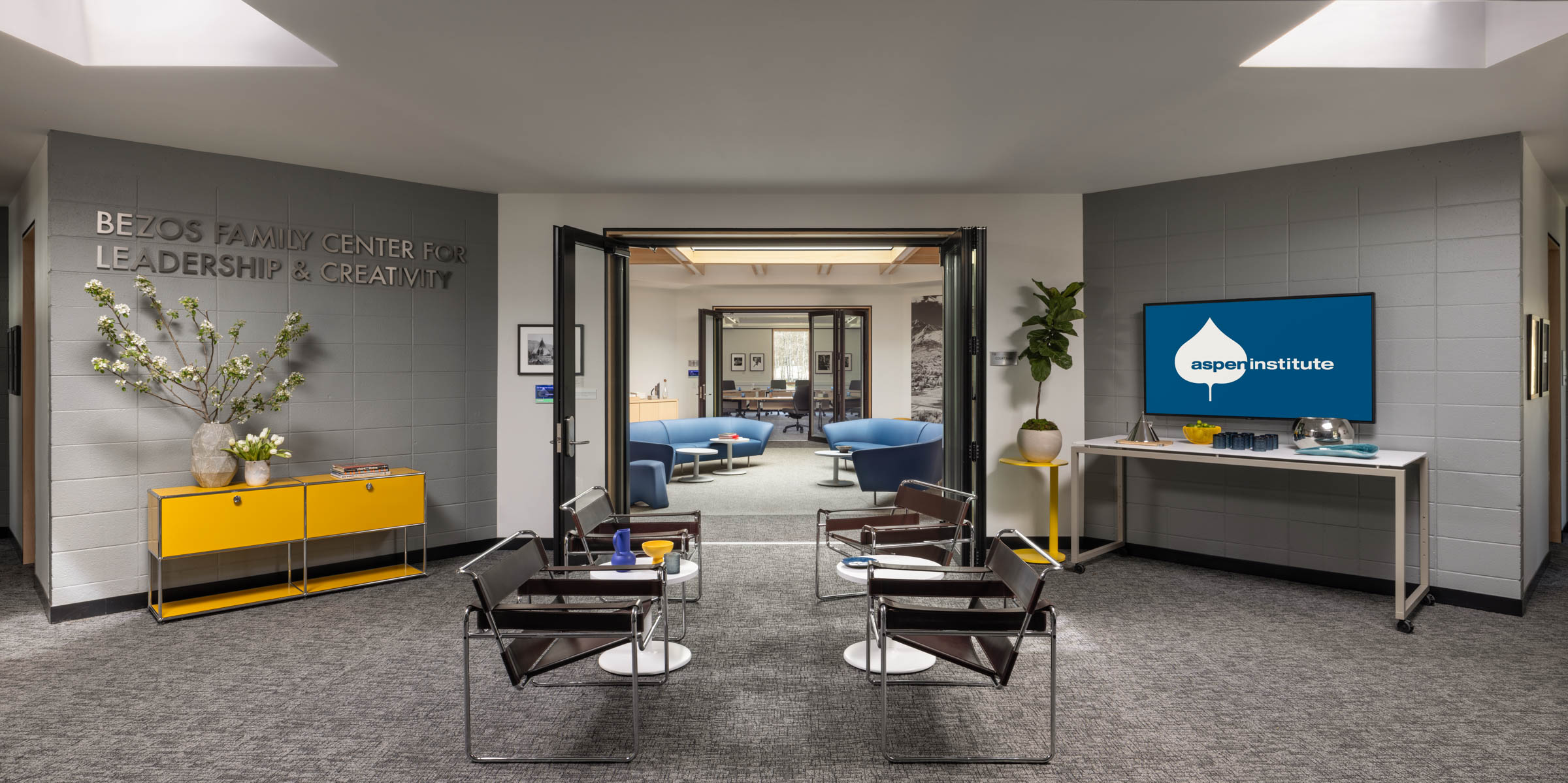
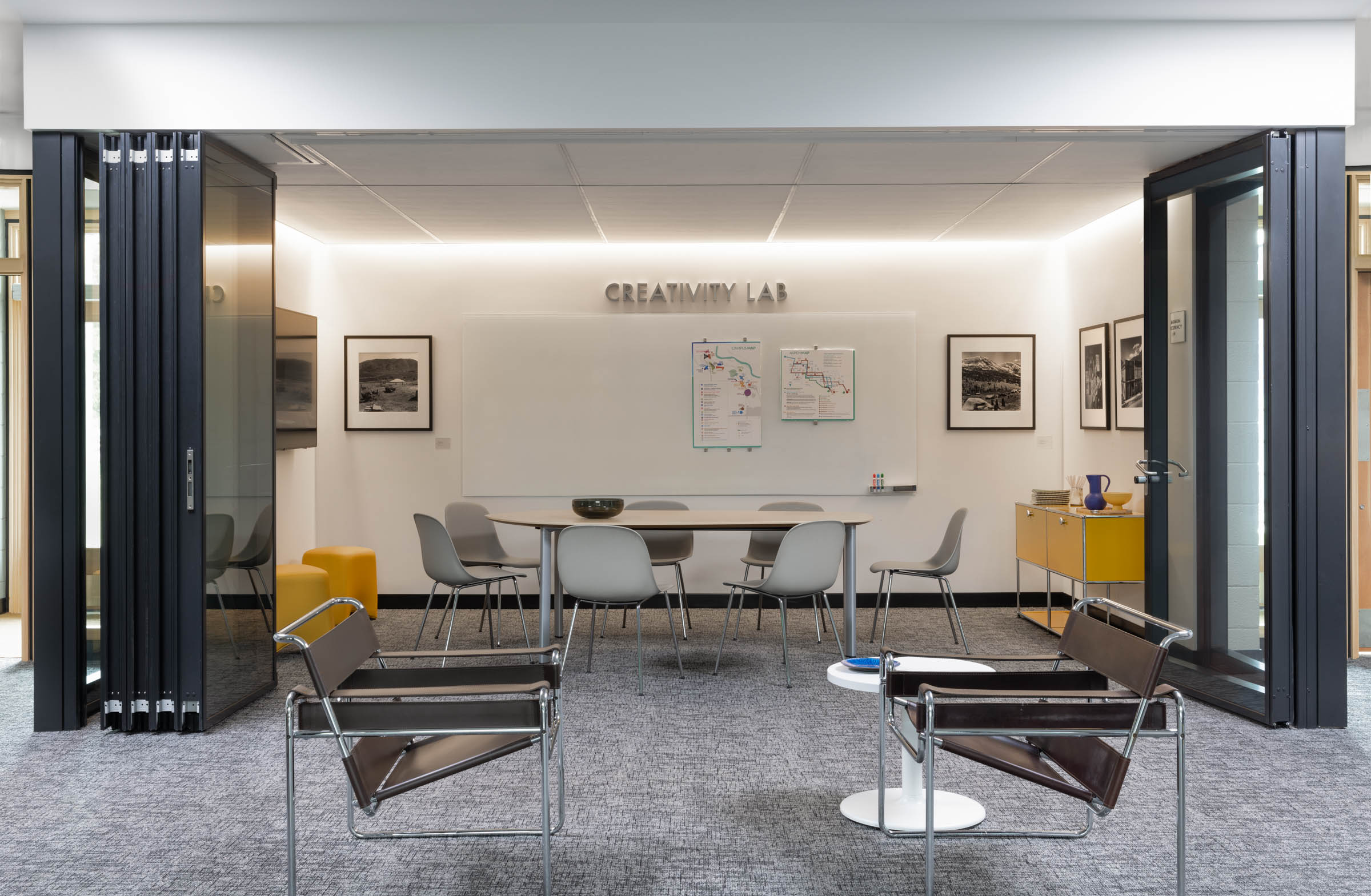
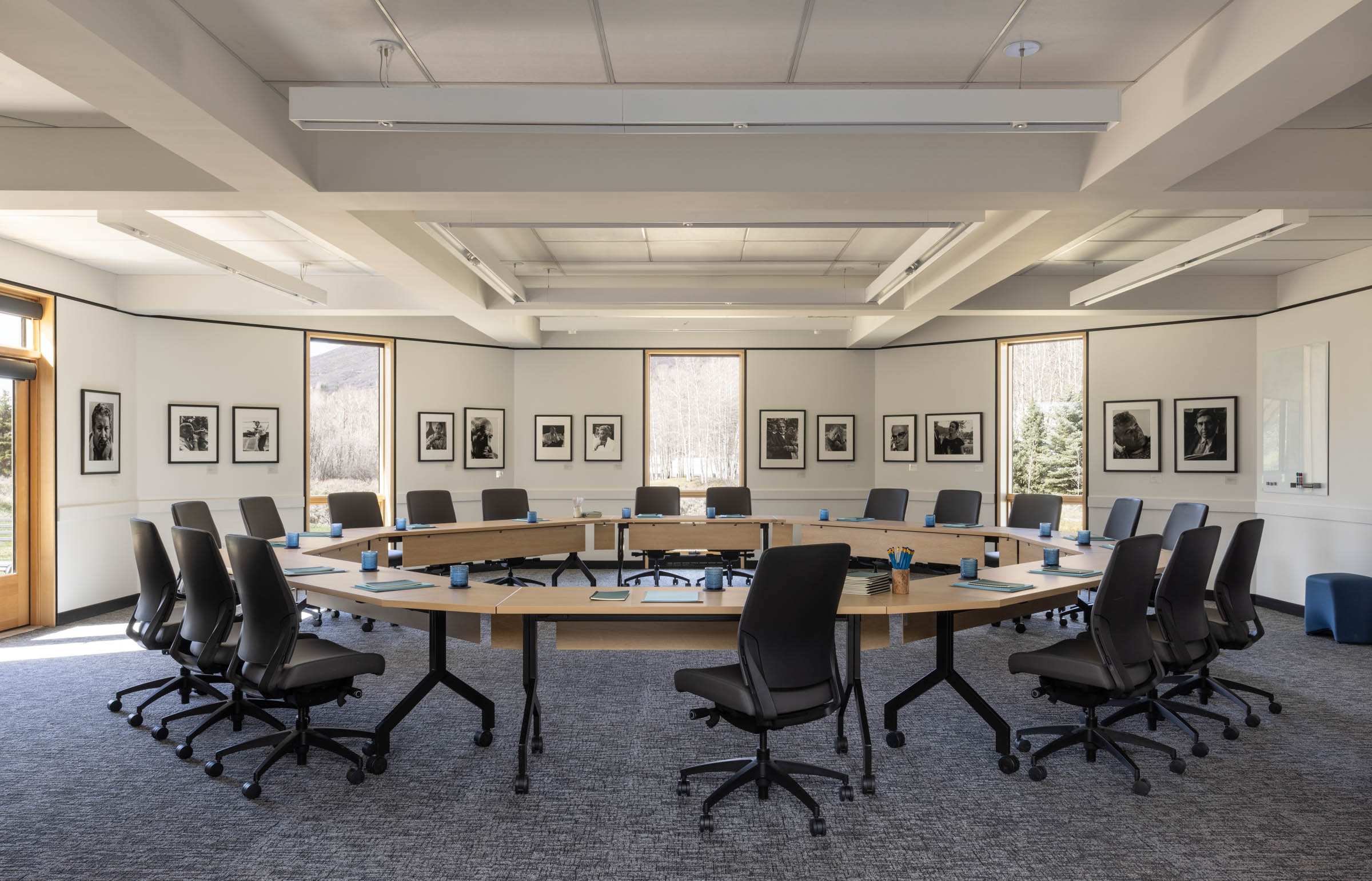
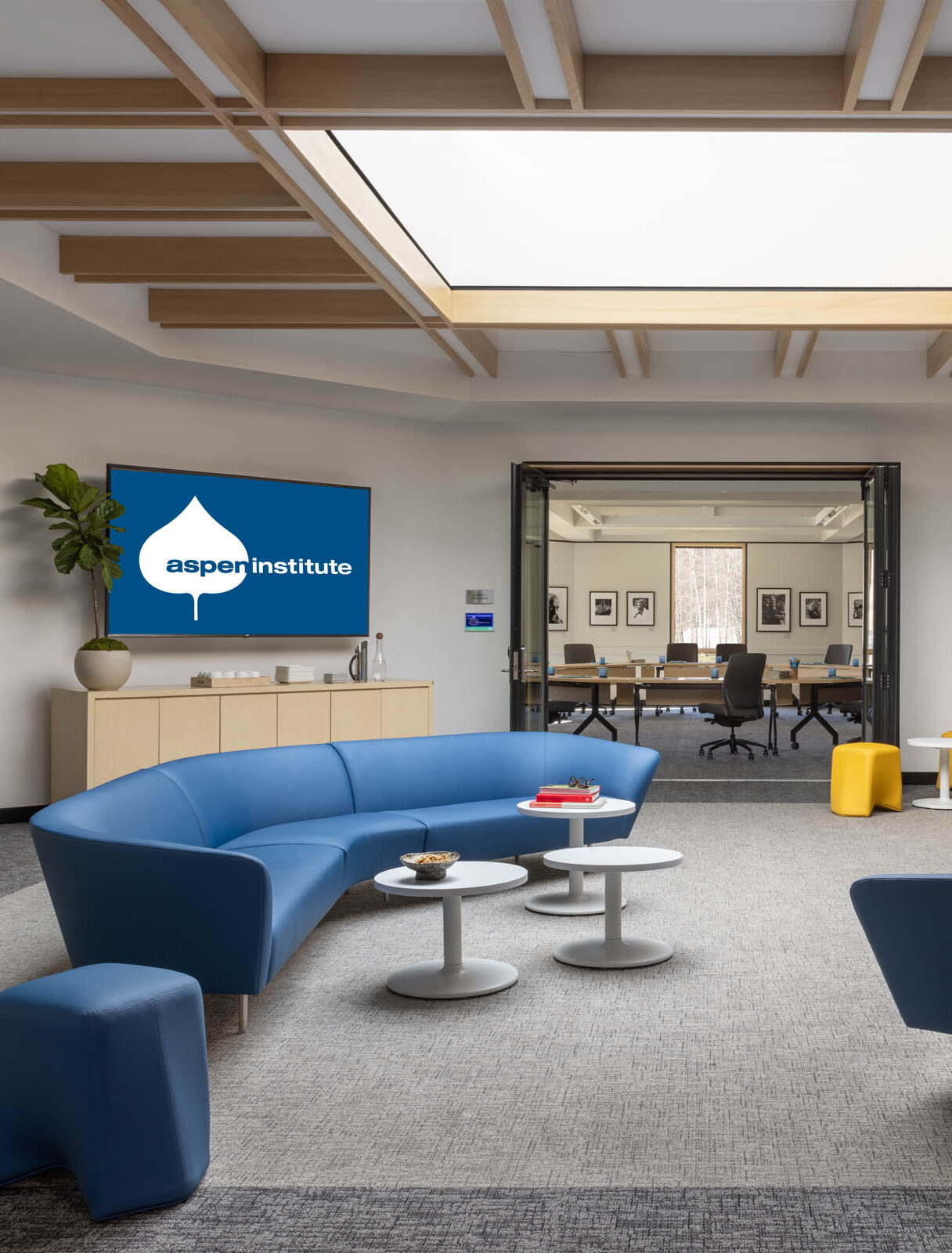
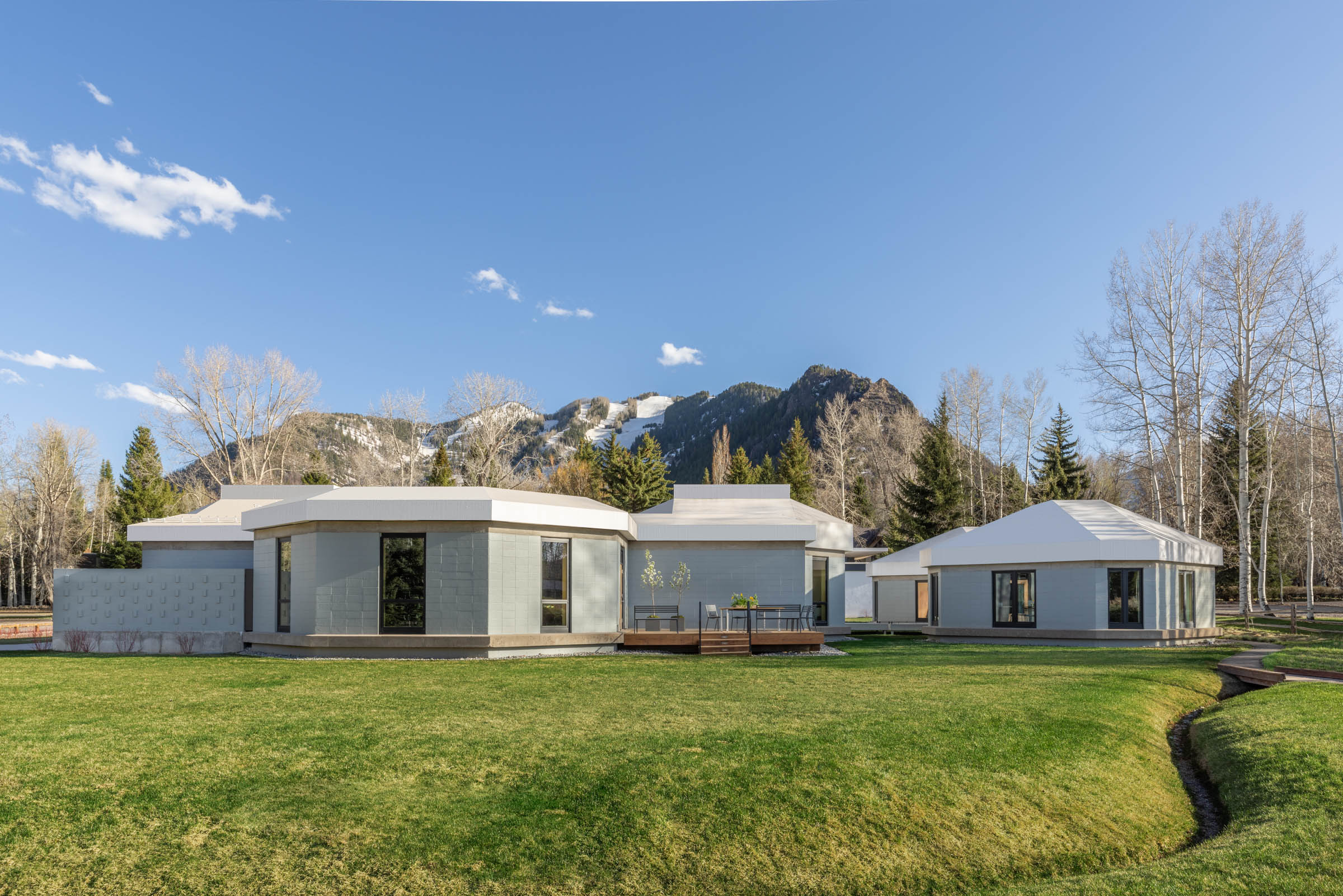
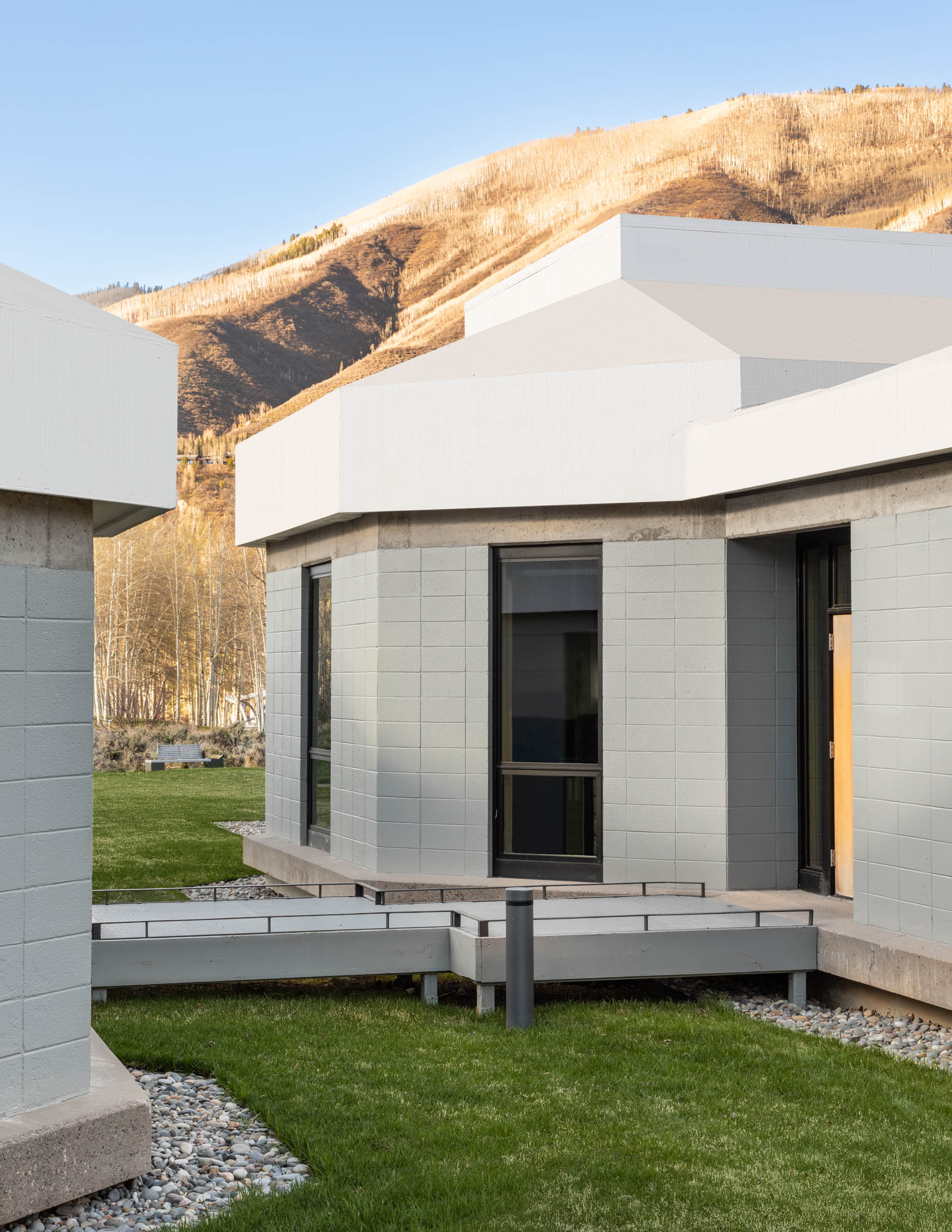
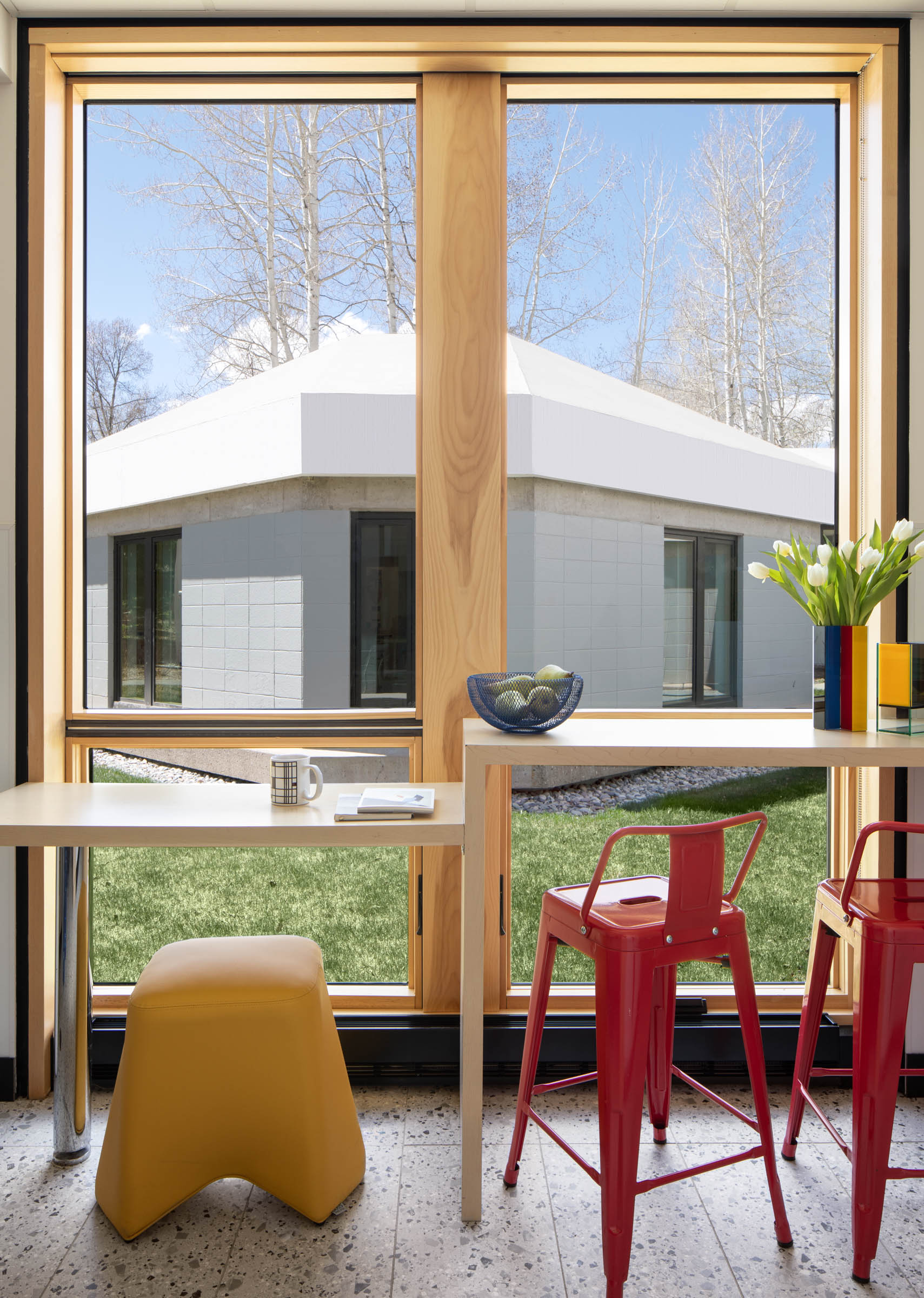
1973 saw the construction of the final building in Aspen, Colorado by Bauhaus architect and designer Herbert Bayer. This building, known as the Boettcher Seminar Building, drew on an architectural language Bayer had been developing on the Aspen Institute grounds for over two decades, and was a culmination of sorts of the logic and democratic organization of spaces and experiences central to Bauhaus thought. Sadly, four decades of use took its toll on the interior and exterior and the building no longer lived up to its potential as a space to foster and facilitate ideas and relationships that could change the world.
The rehabilitation of the Boettcher Building design goals began with seeking Landmark Designation to the Aspen Modern Inventory of historic structures. With this designation in mind, the team developed the primary design goal: to honor and respect the legacy of Herbert Bayer with a thoughtful restoration of the exterior and creative renovation of the interior to guide the building through the next four decades, with an emphasis on flexibility and innovation. Crucial to the entire work, the existing open-air central courtyard would need to be enclosed to provide greater year-round functionality and comfort.
Beyond the many technical challenges of preserving and rehabilitating the structure for modern use, the Team faced the challenge of honoring the original design. To do this, new elements needed to share the existing building’s underlying principles and concepts but be distinct from them and of their own time. By carefully studying the existing building, the design team identified these features and tailored the new architecture to emphasize, contribute to, and enhance the existing building.
As a case study of this process, to enclose the central courtyard the team first studied the basic layout of the building. Organized on an 3×3 grid, the key spaces are arranged on two axes, oriented north-south and east-west, with the central courtyard at the intersection. The new roof structure, ceiling design, and pyramidal skylight align and emphasis these axes, creating a volumetric space in the center of the building where the visitor is naturally directed for a creative exchange of ideas. Large doors between the rooms along the north-south axis slide aside to unite the spaces into one, with a new “Creative Lab” anchoring the southern end of the axis, and break-out spaces arranged to the east and west, creating a dynamic flow of people and ideas.
Rounding out the renovation, the building received an extensive upgrade to all building systems. Thermal efficiency is increased by 300% through the addition of high-performance continuous insulation and new windows and doors. Mechanical system efficiency is approximately 70% better than the existing HVAC system. All interior light and plumbing fixtures are high efficiency and finishes are low-VOC and recyclable.
It is an honor to participate in the renovation of this important building and to increase its potential for collaboration, creativity and generation of ideas, all concepts that are fundamental to R+B as well. Moving forward, we anticipate a great working relationship with the Aspen Institute team to bring our mutual vision for the Boettcher Building to life. – Principal Sarah Broughton, AIA, NCIDQ
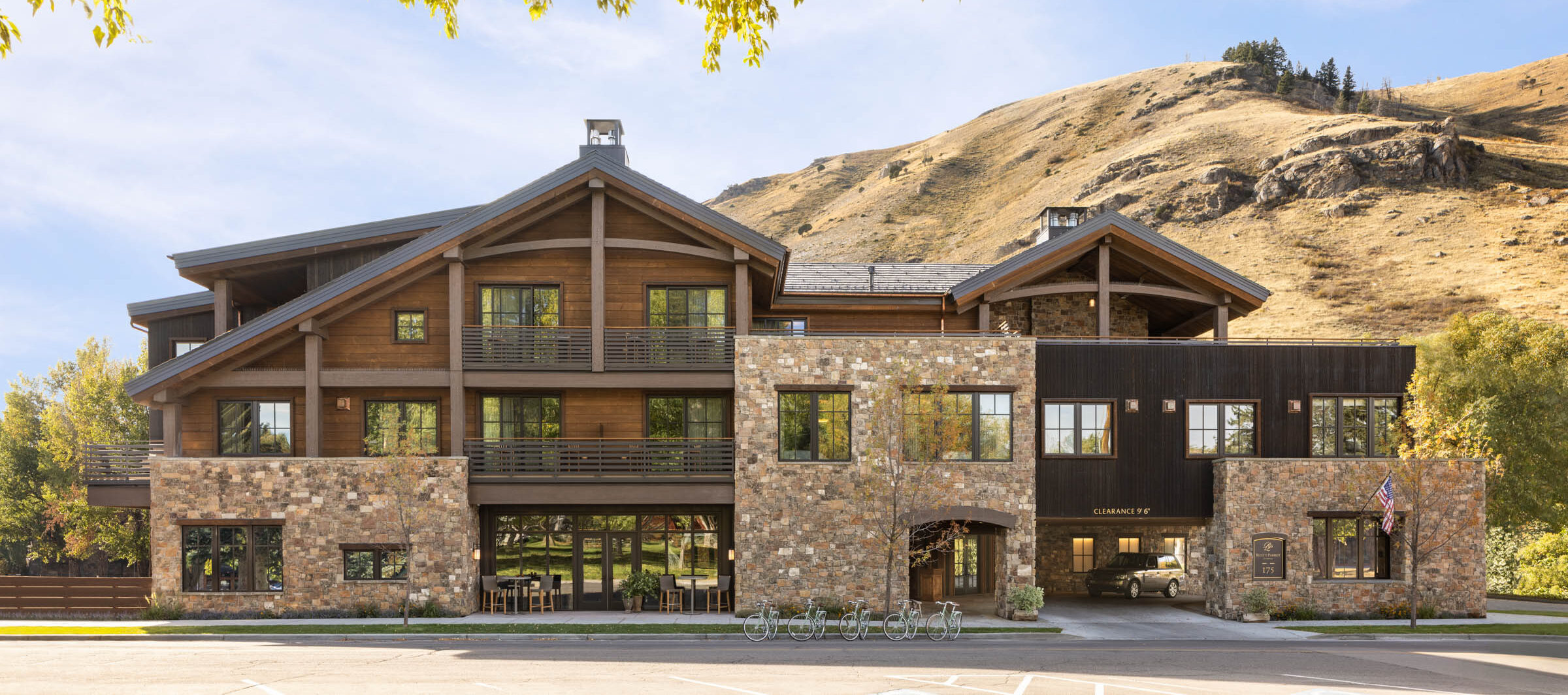
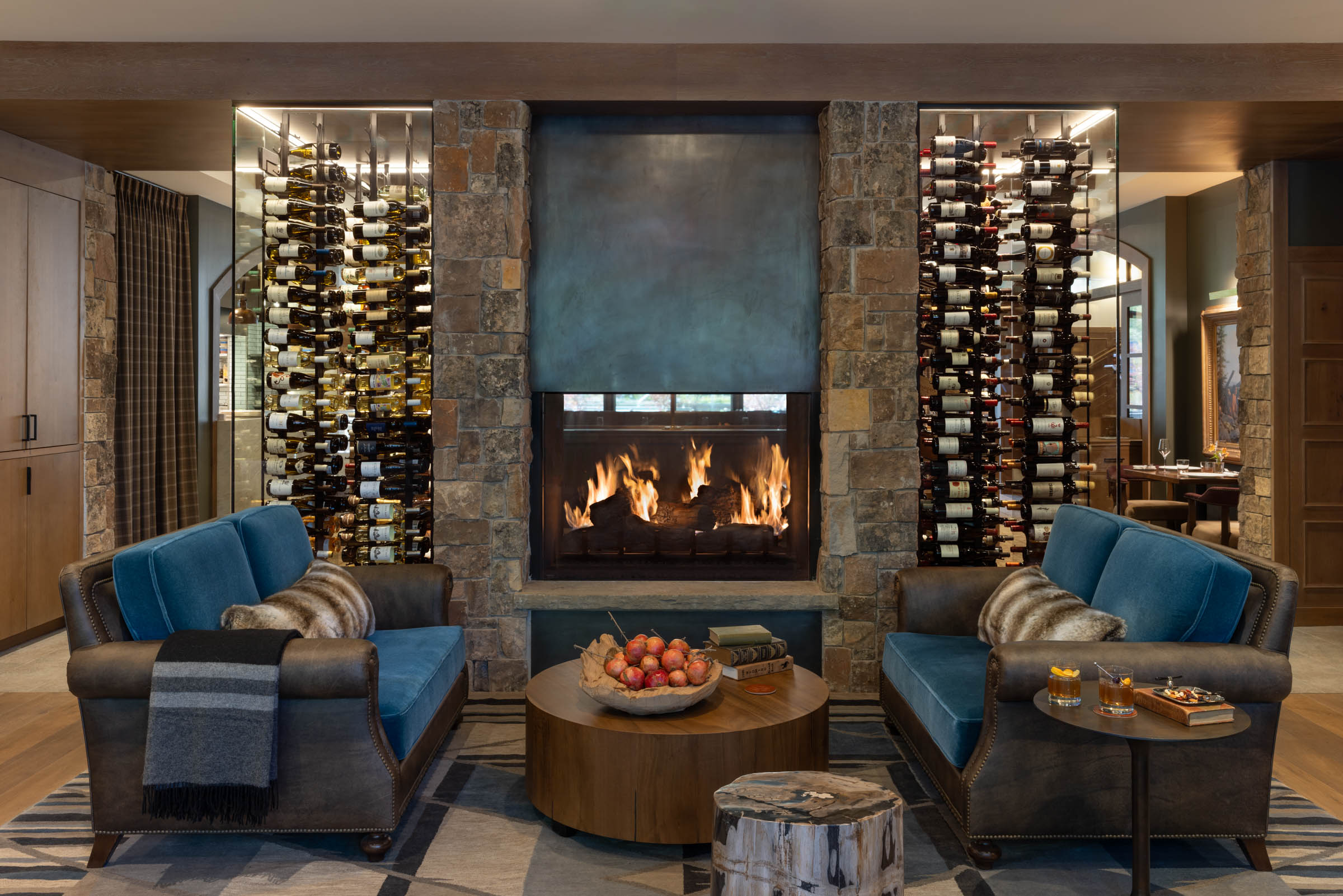
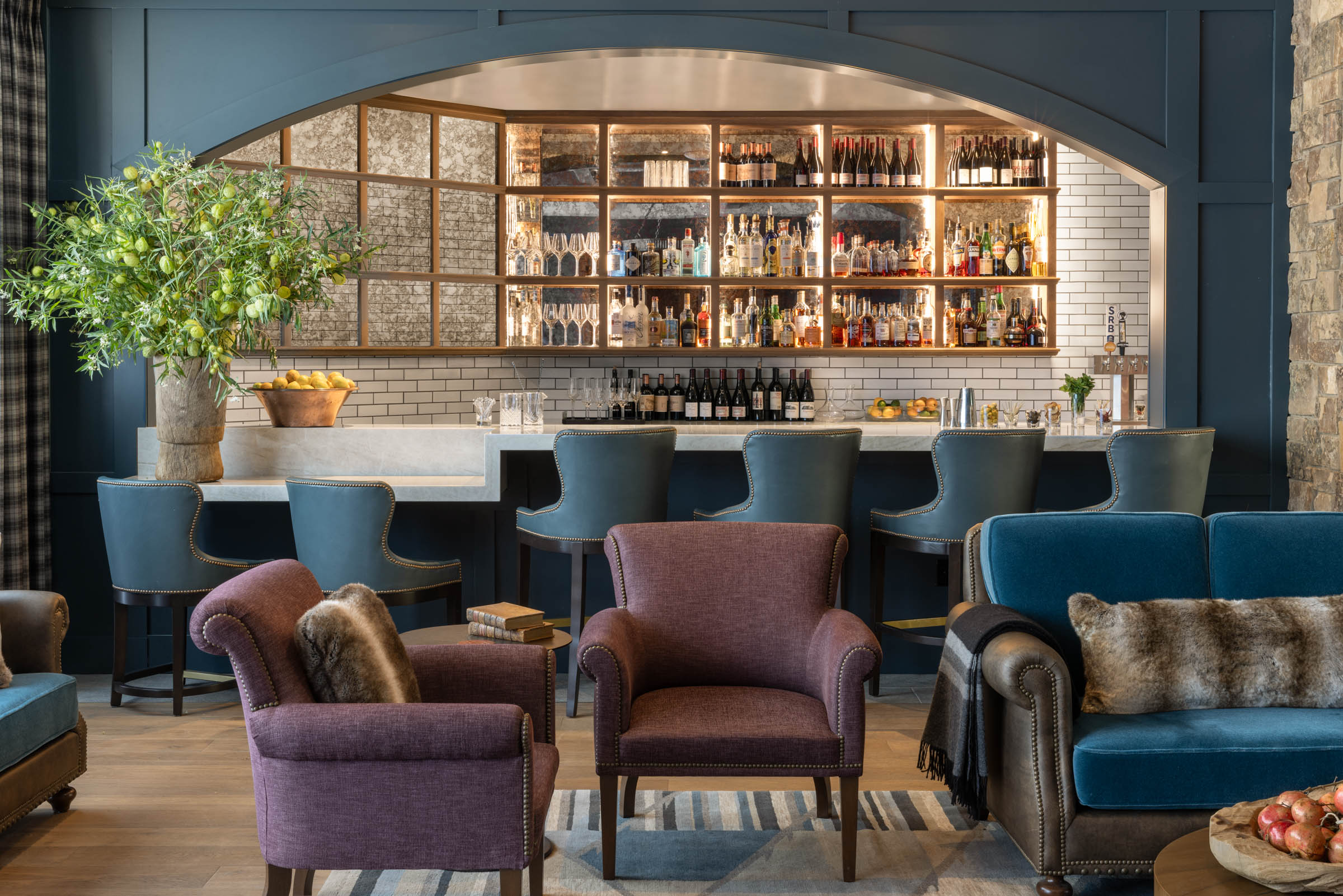
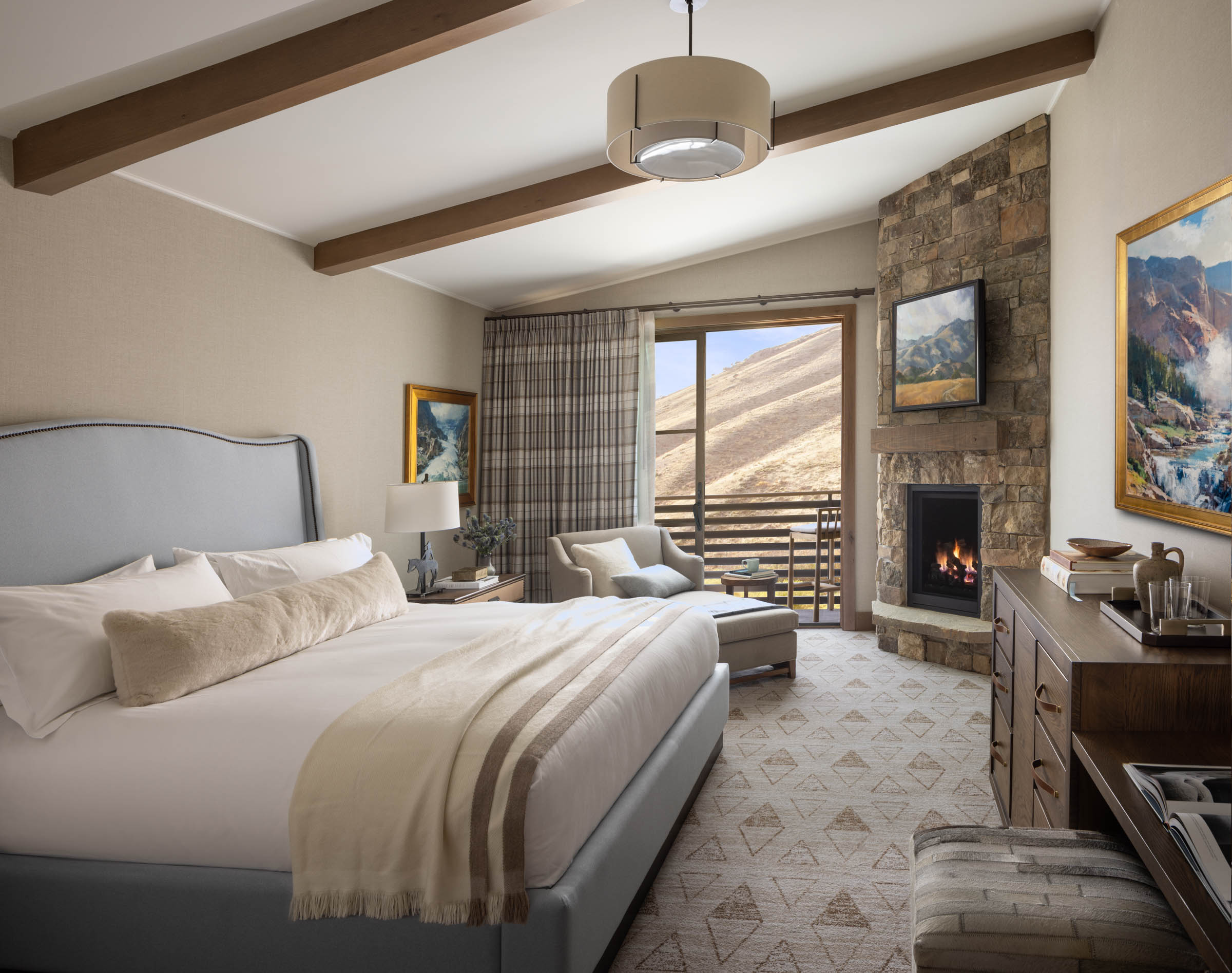
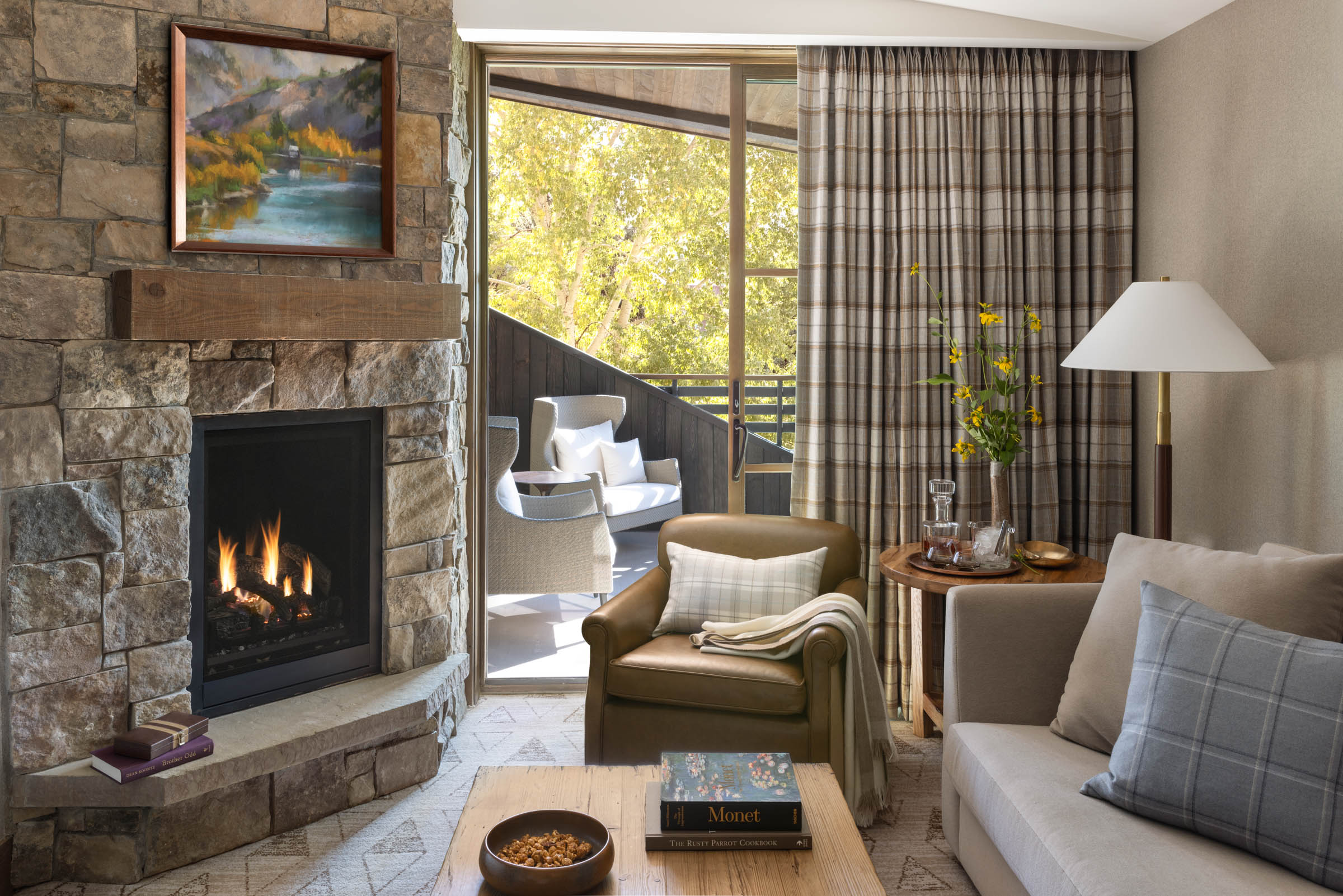
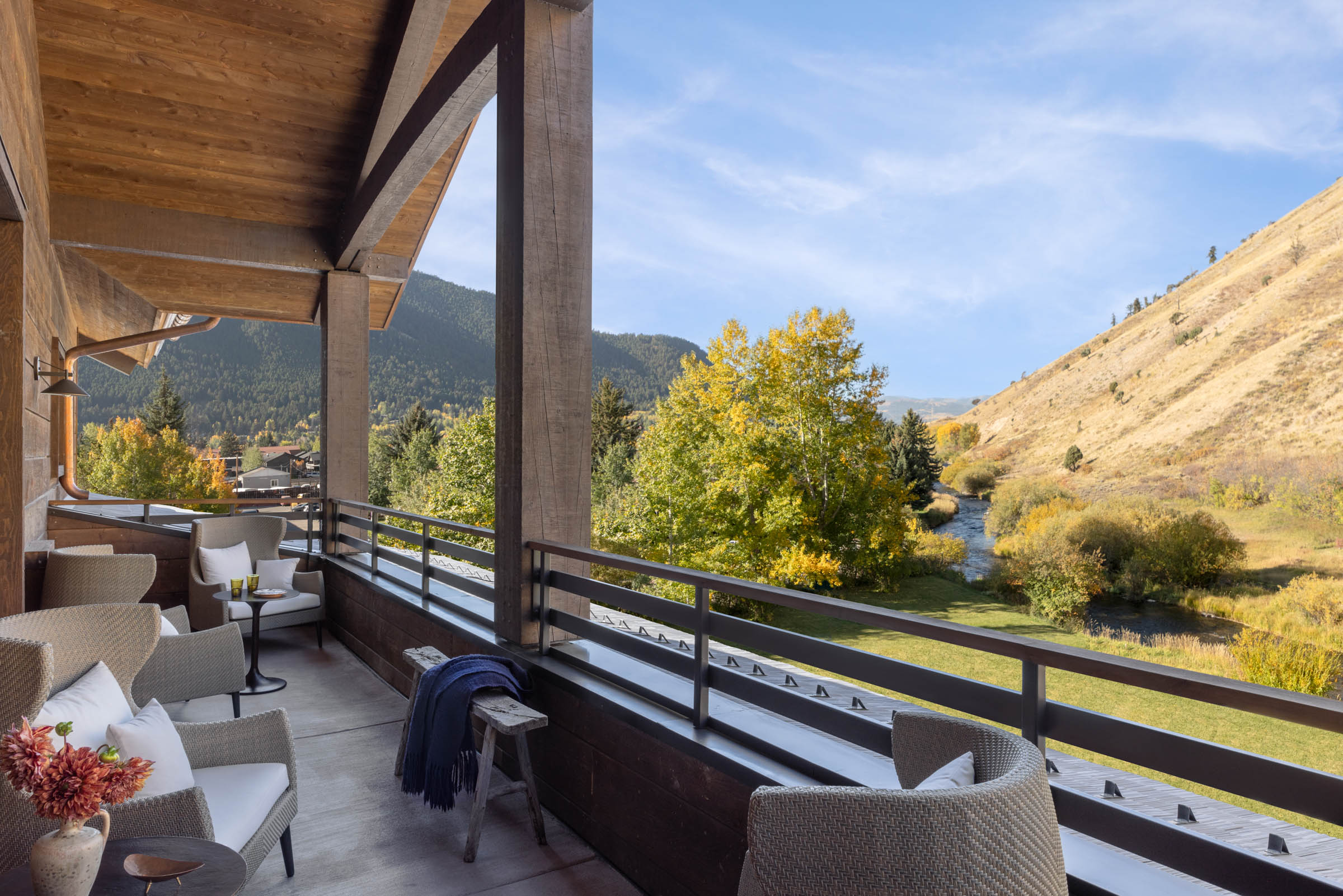
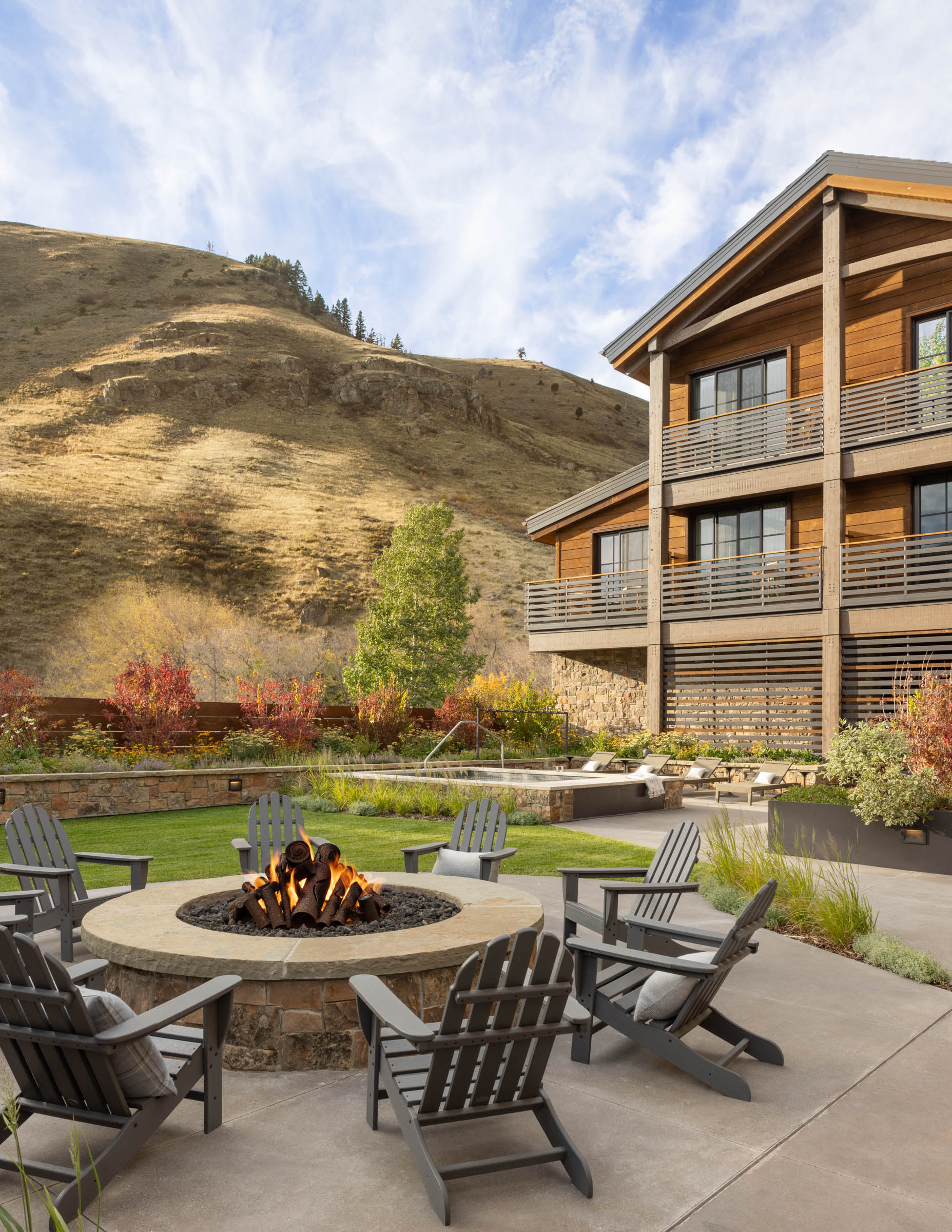
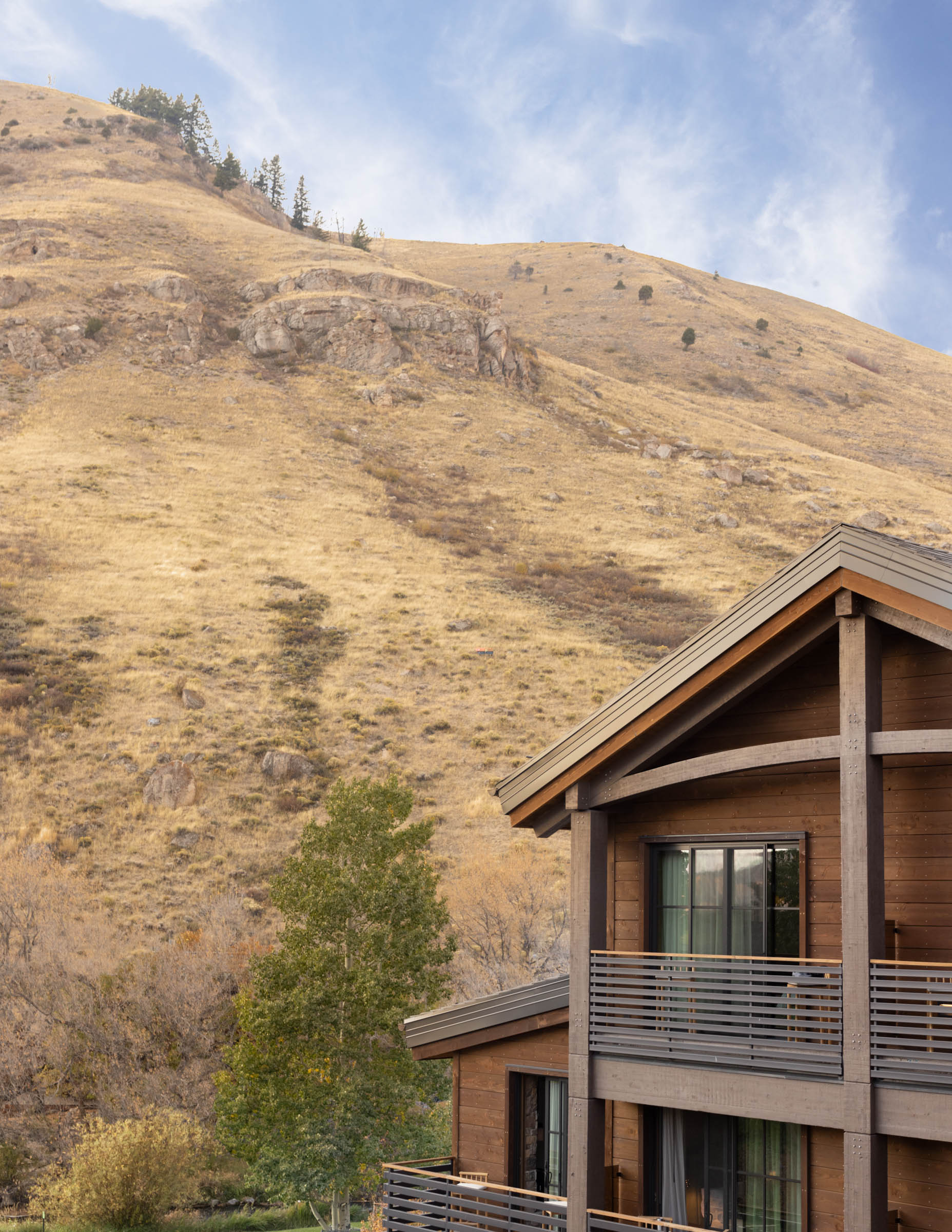
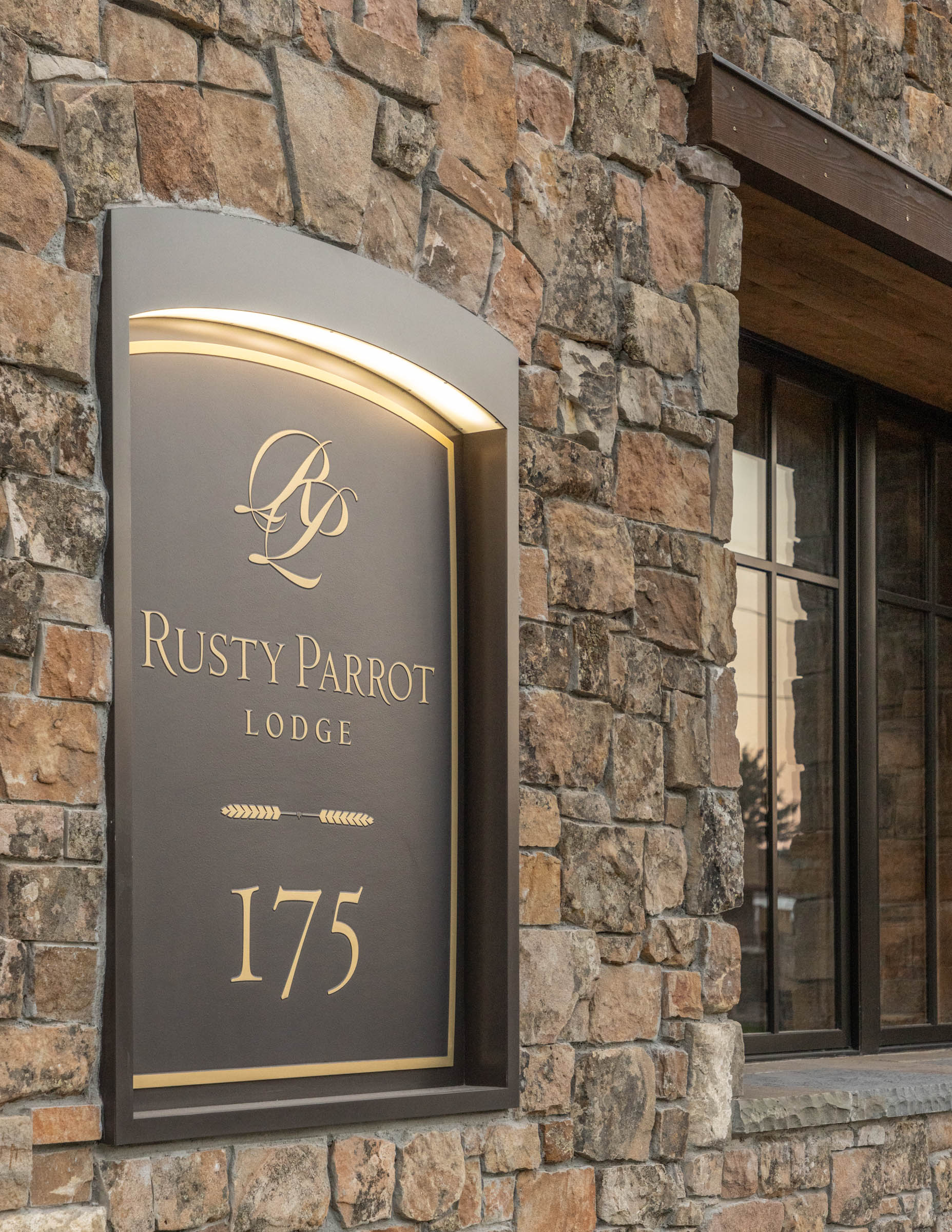
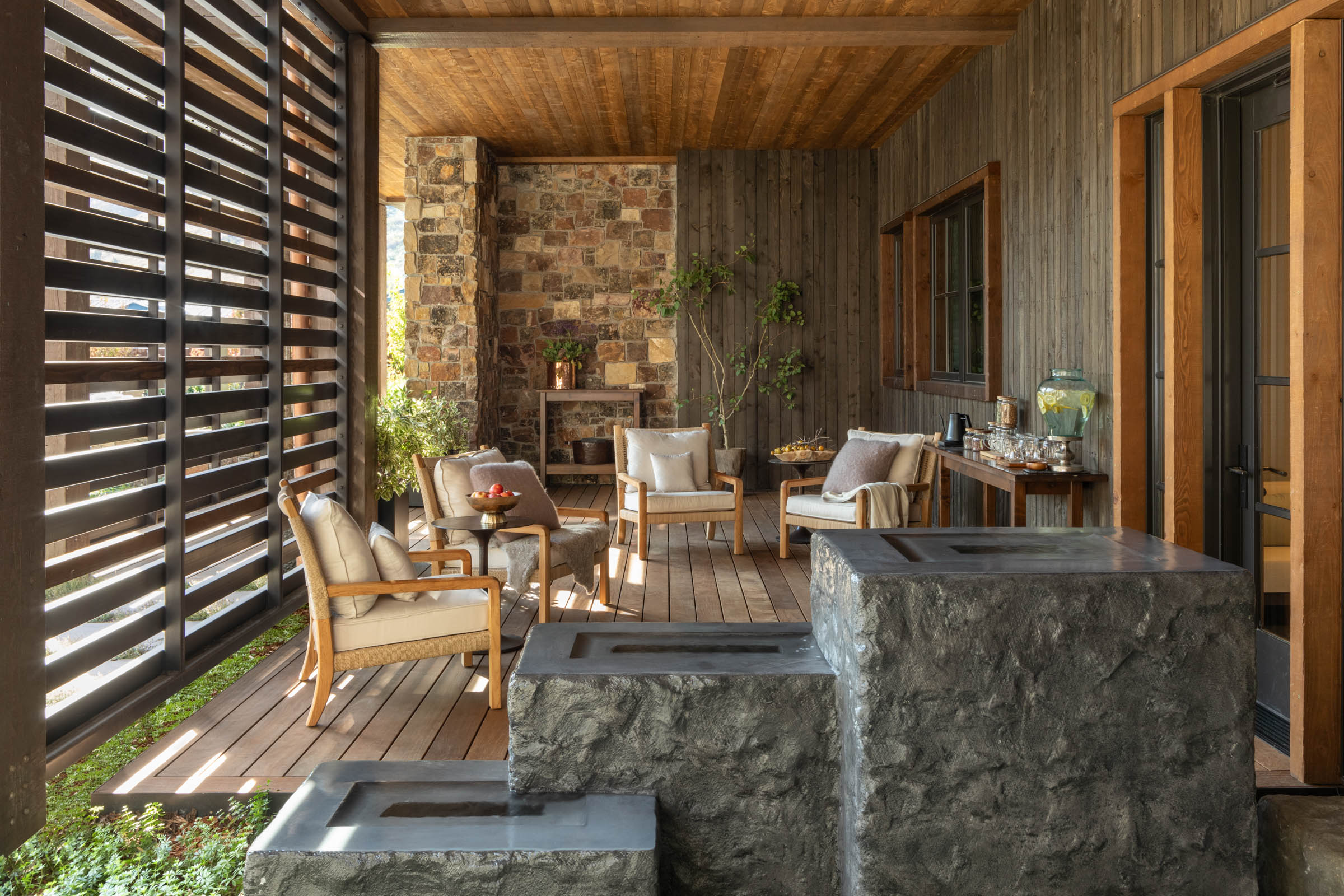
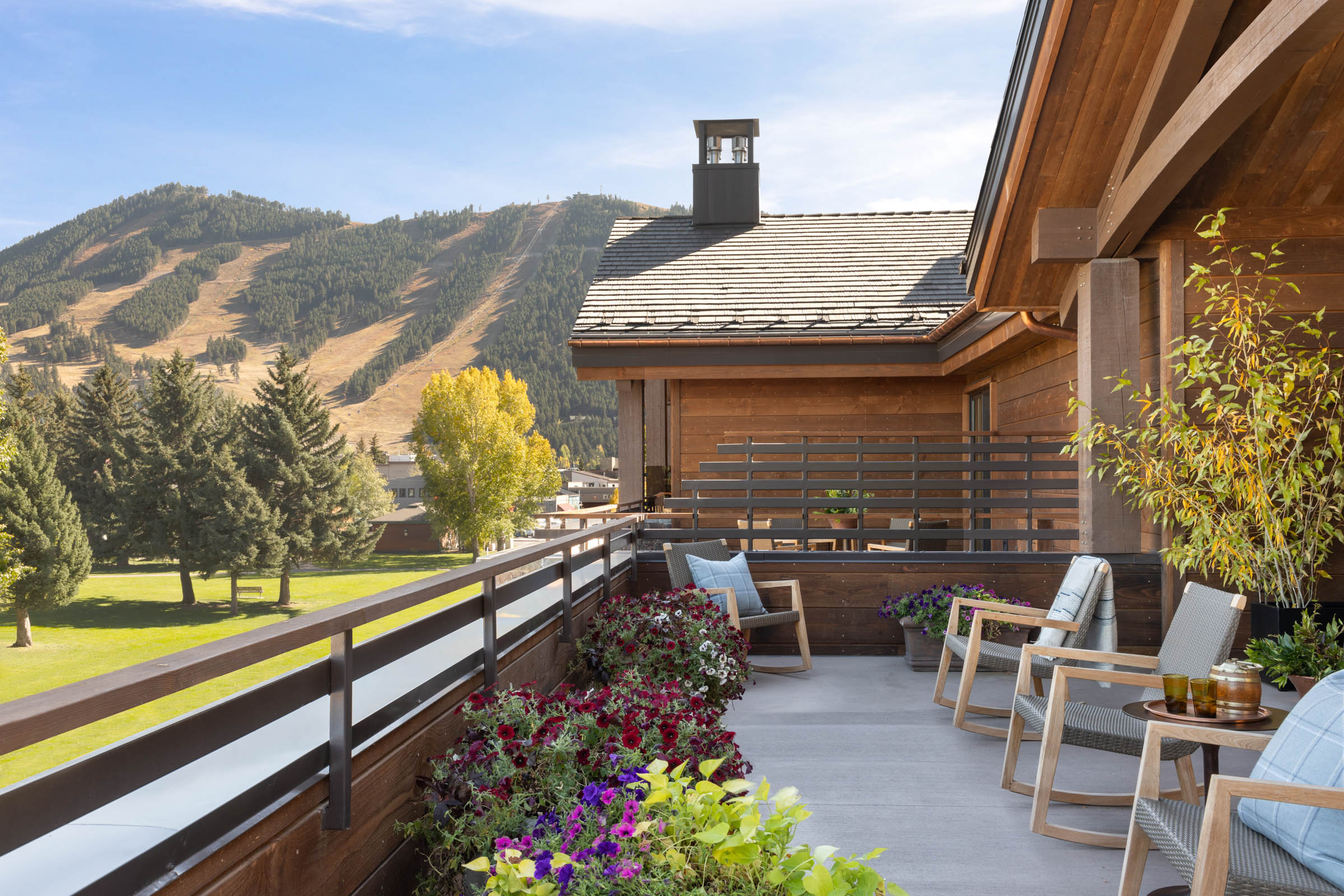
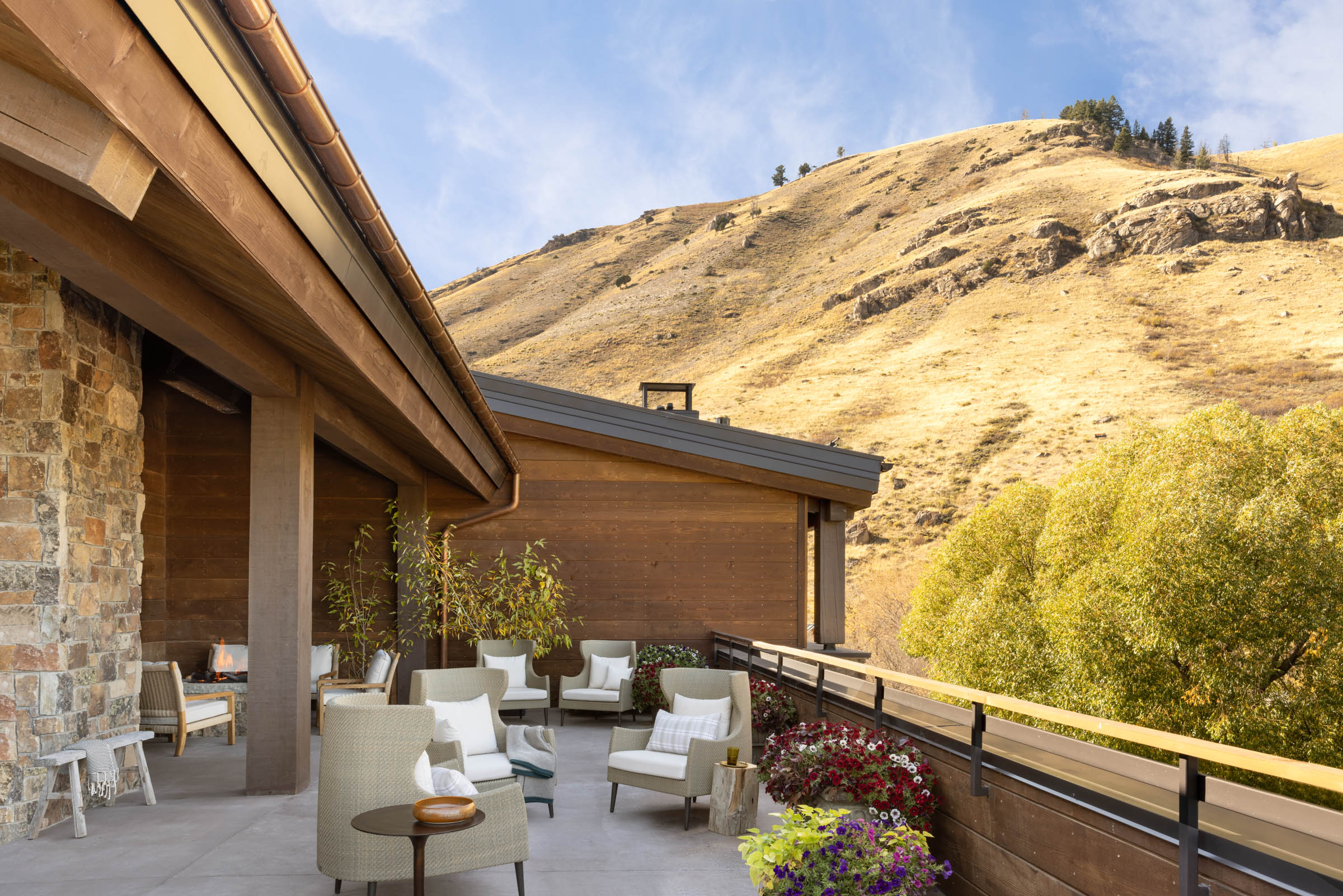
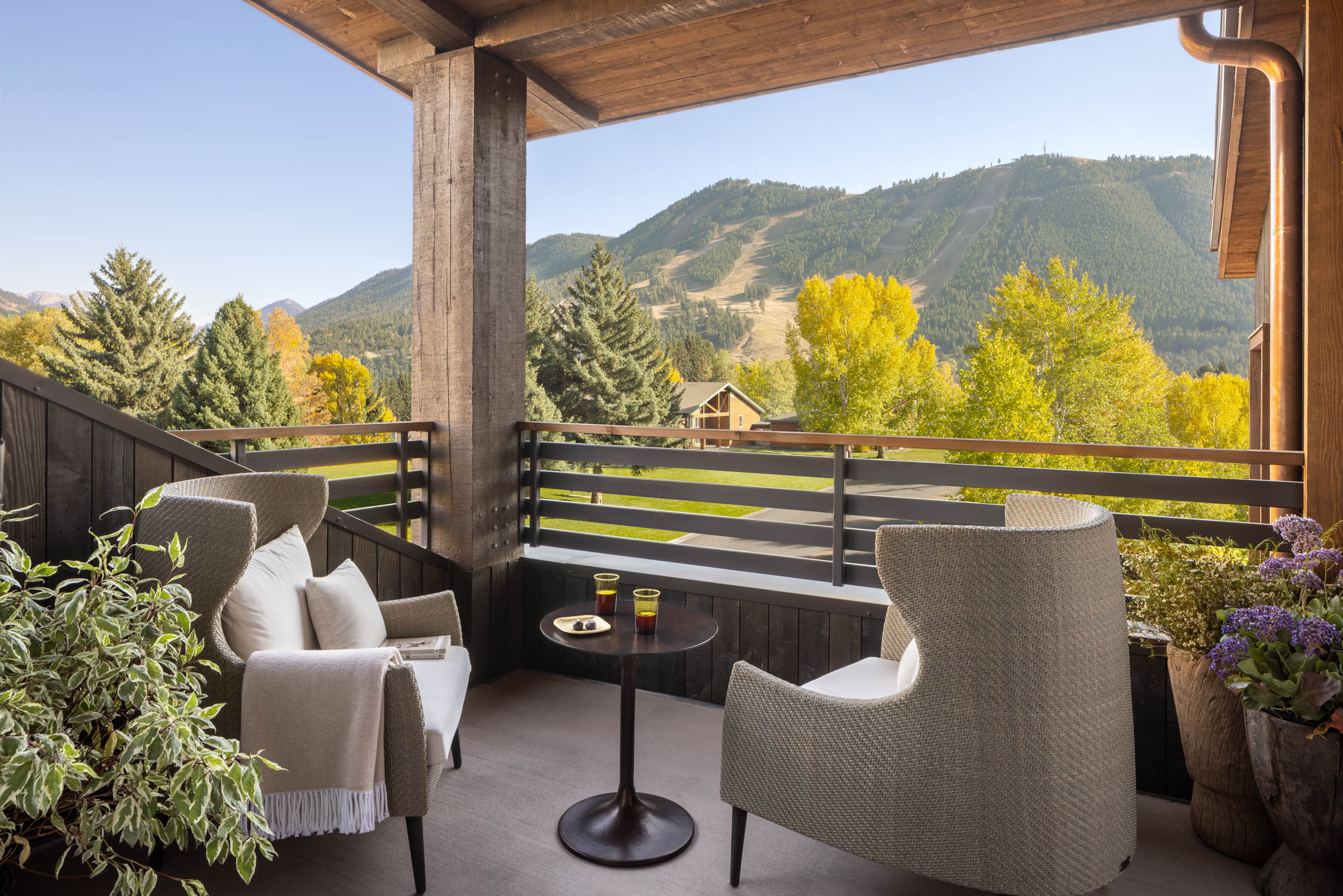
Replacing a beloved building with a new version – one that doesn’t disappoint those who remember, and were fans of, the original – remains one of the most interesting, and tricky, of design opportunities. How do you protect and preserve and, at the same time, advance and innovate? That was the challenge when R+B was selected to resurrect the Rusty Parrot Lodge, an iconic Jackson, Wyoming luxury inn that had been destroyed by fire. The owners were determined to recapture the eccentric flavor that popularized the original – even as they recognized the need to contemporize the design (and make it code-compliant), improve the lodge’s amenities, and render the entirety a model of sustainability.
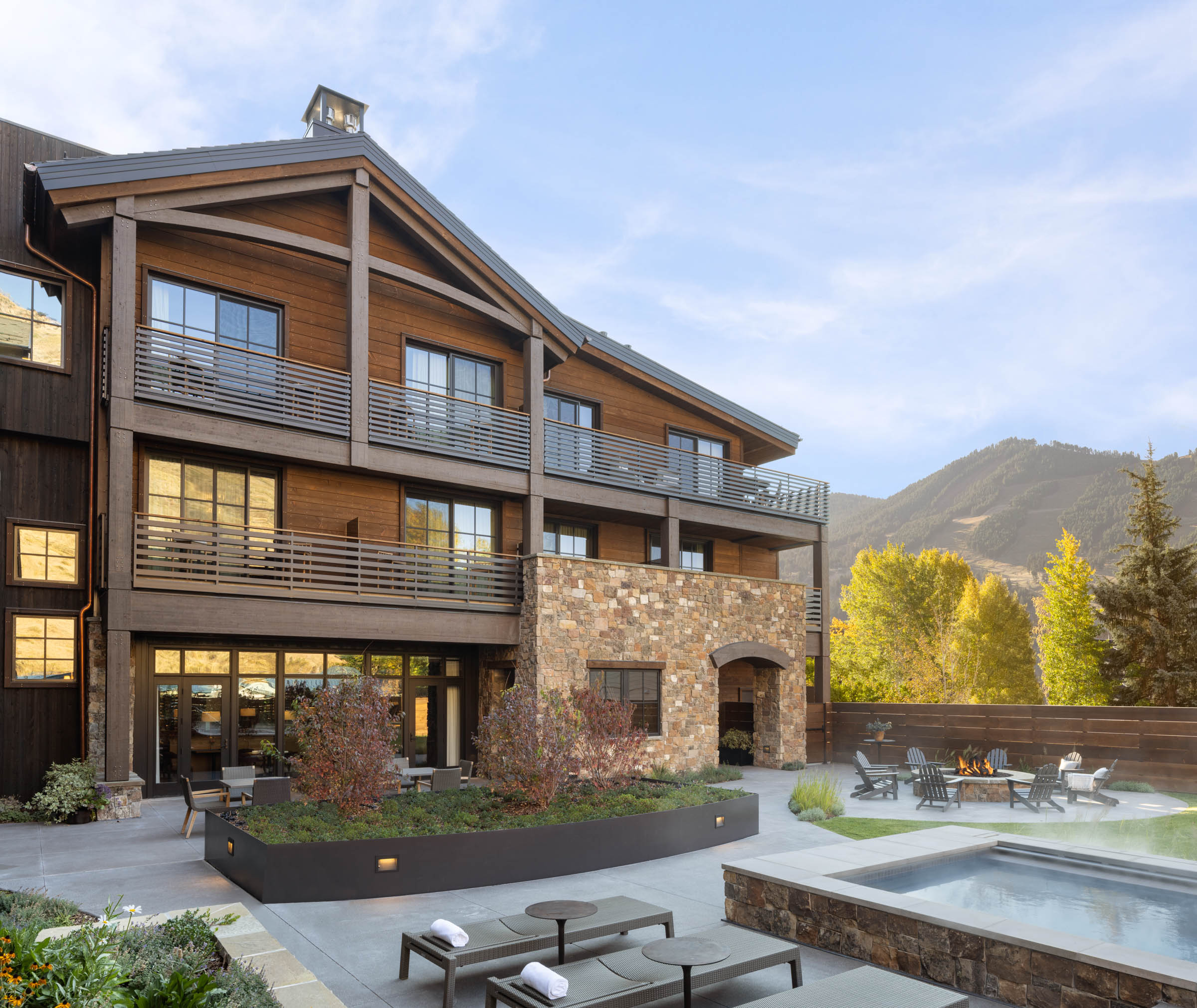
The site, at the convergence of the town grid and its rural surroundings, suggested a complementary architecture, at once urban and indebted to regional traditions. Inspired by the great lodges of the historic west, the wooden, three-story gabled structure emerges from low stone walls suggestive of a preexisting artifact, a seductive interweaving of past and present. Compliance with the town’s zoning standards influenced the inclusion of private porches and communal balconies – the latter named The Perch and the Wildlife Deck – which allow the building to taper in mass and scale while generating an undulating rhythm of solids and voids that, not least, affords an embrace of a spectacular setting comprised of mountains, valleys, wildlife, and parklands.
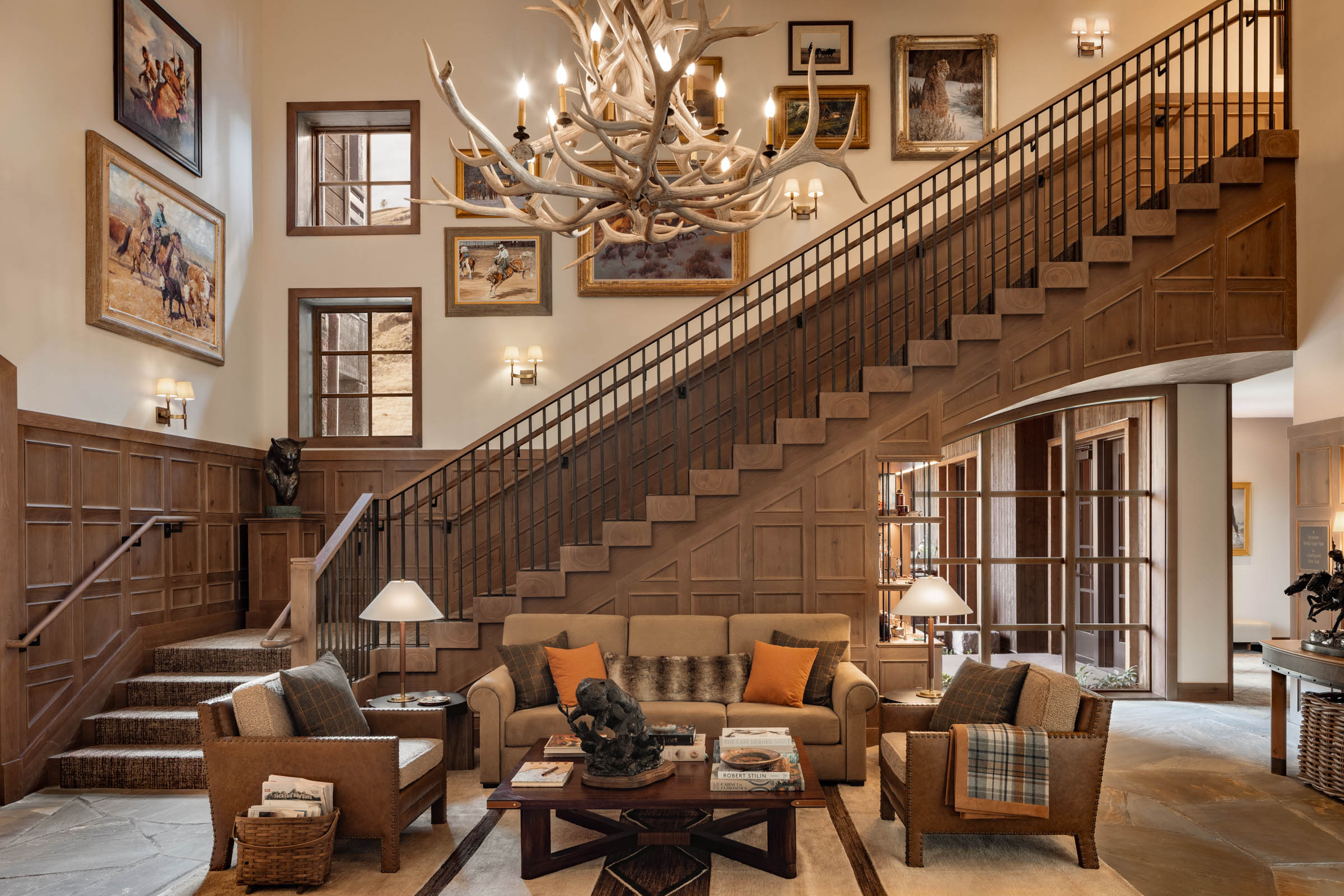
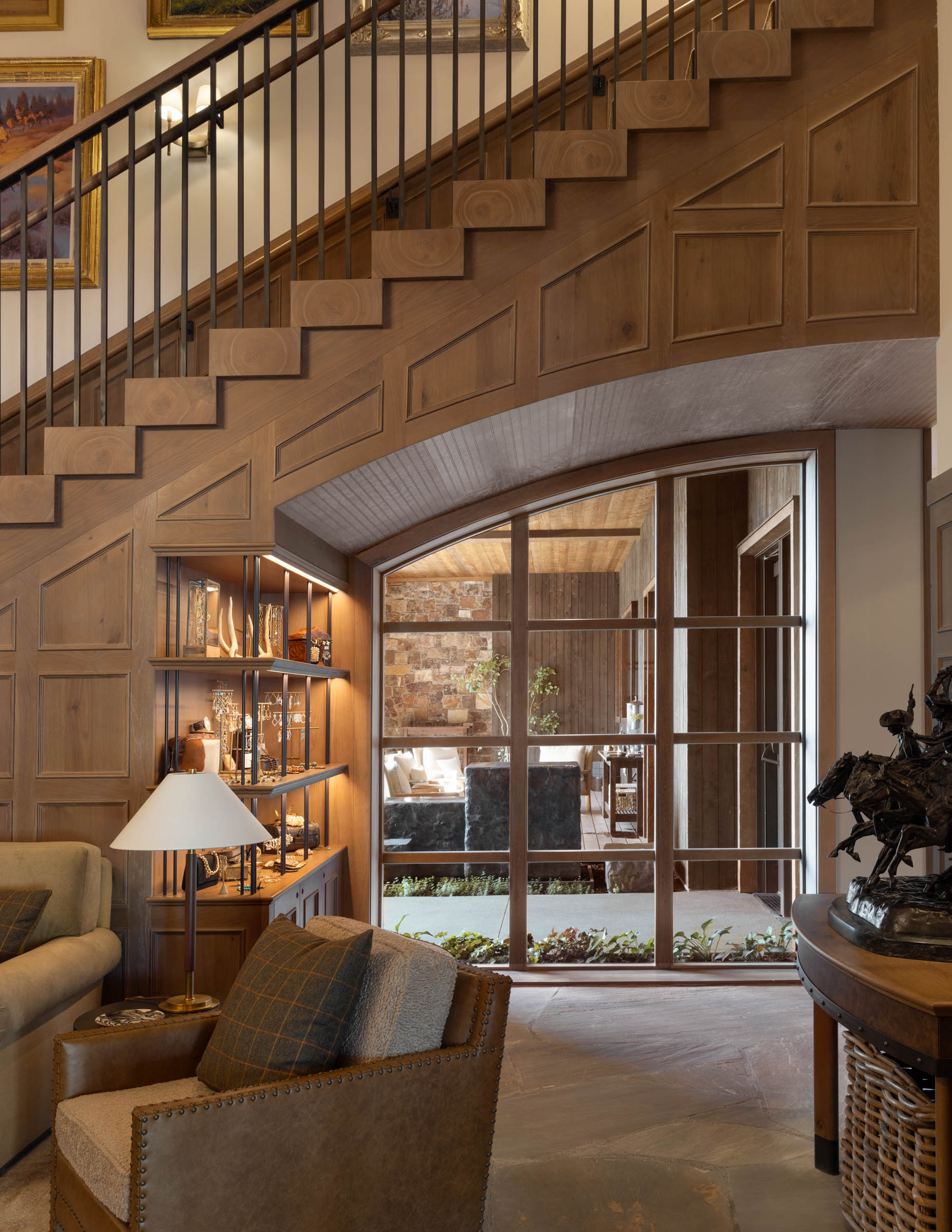
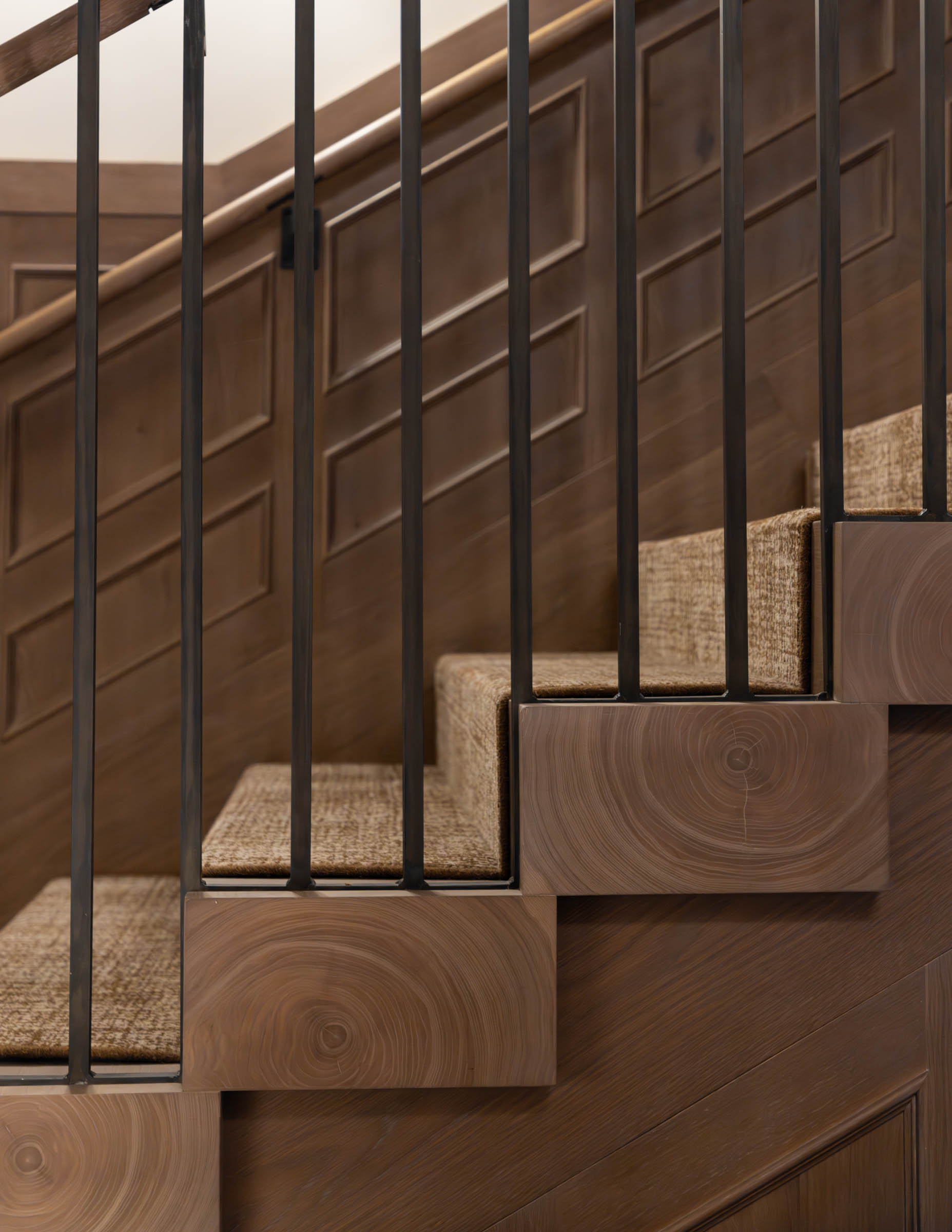
On the exterior, the inclusion of a porte-cochère ensures that arriving guests enter the lodge while entirely protected from the region’s inclement weather. Within, the owners expressed a commitment to preserving the old Parrot’s warm domestic character, famously reinforced by the seductive scent of on-site baking. In response, R+B crafted a commanding grand stair – the new interior’s defining feature – which, in addition to connecting the lodge’s three floors and encouraging collective conviviality, draws the aromas upward, infusing the entirety with the pleasurable presence of home cooking.
R+B’s embrace of sustainable practice includes an open-loop ground-source heat pump, geothermal cooling via a subterranean natural aquifer, and advantageous siting driven by optimal solar access. Subterranean parking reduces the site’s visual footprint, and enabled the construction of a tranquil south-facing garden revealing panoramic views and warmed by the sun.
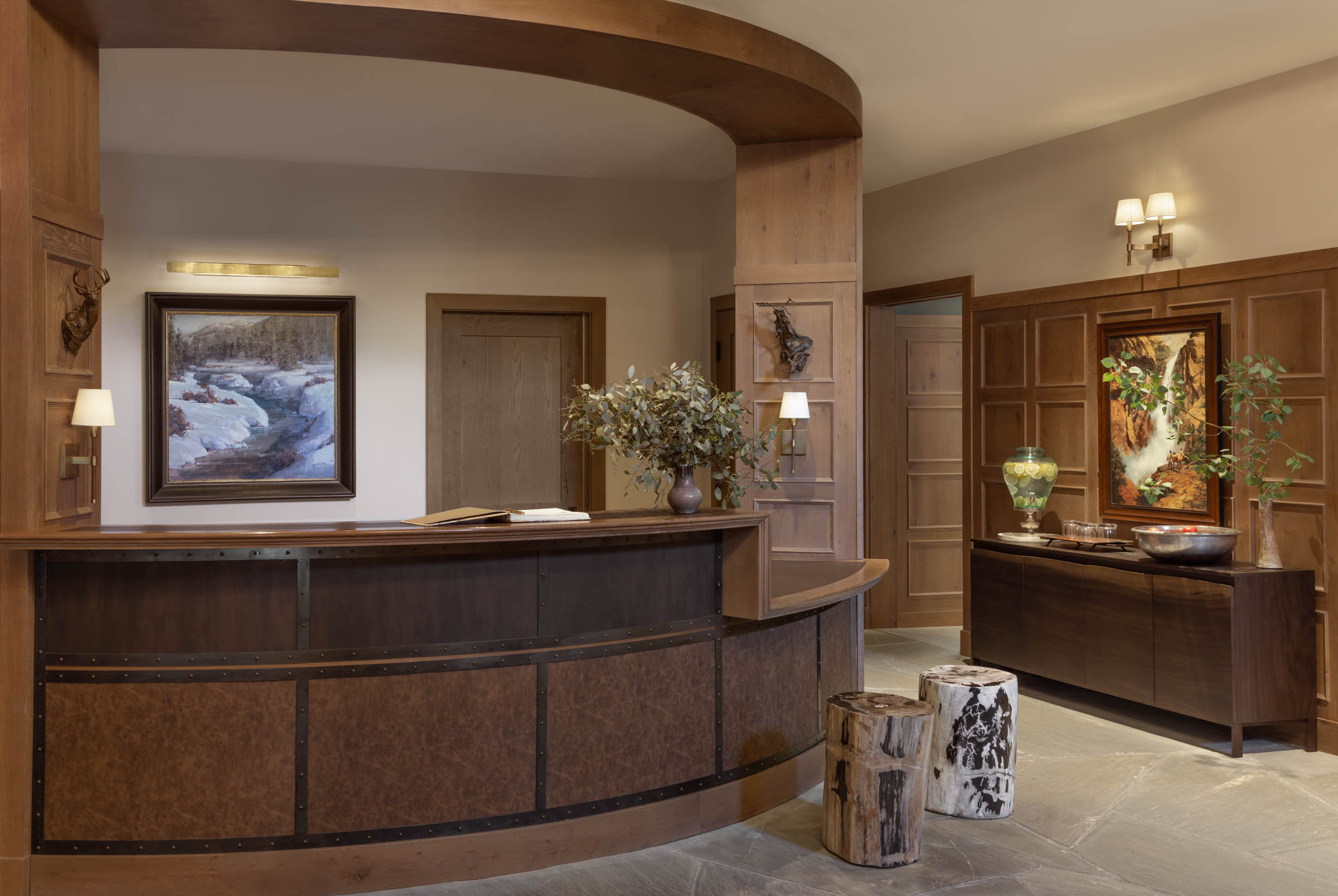
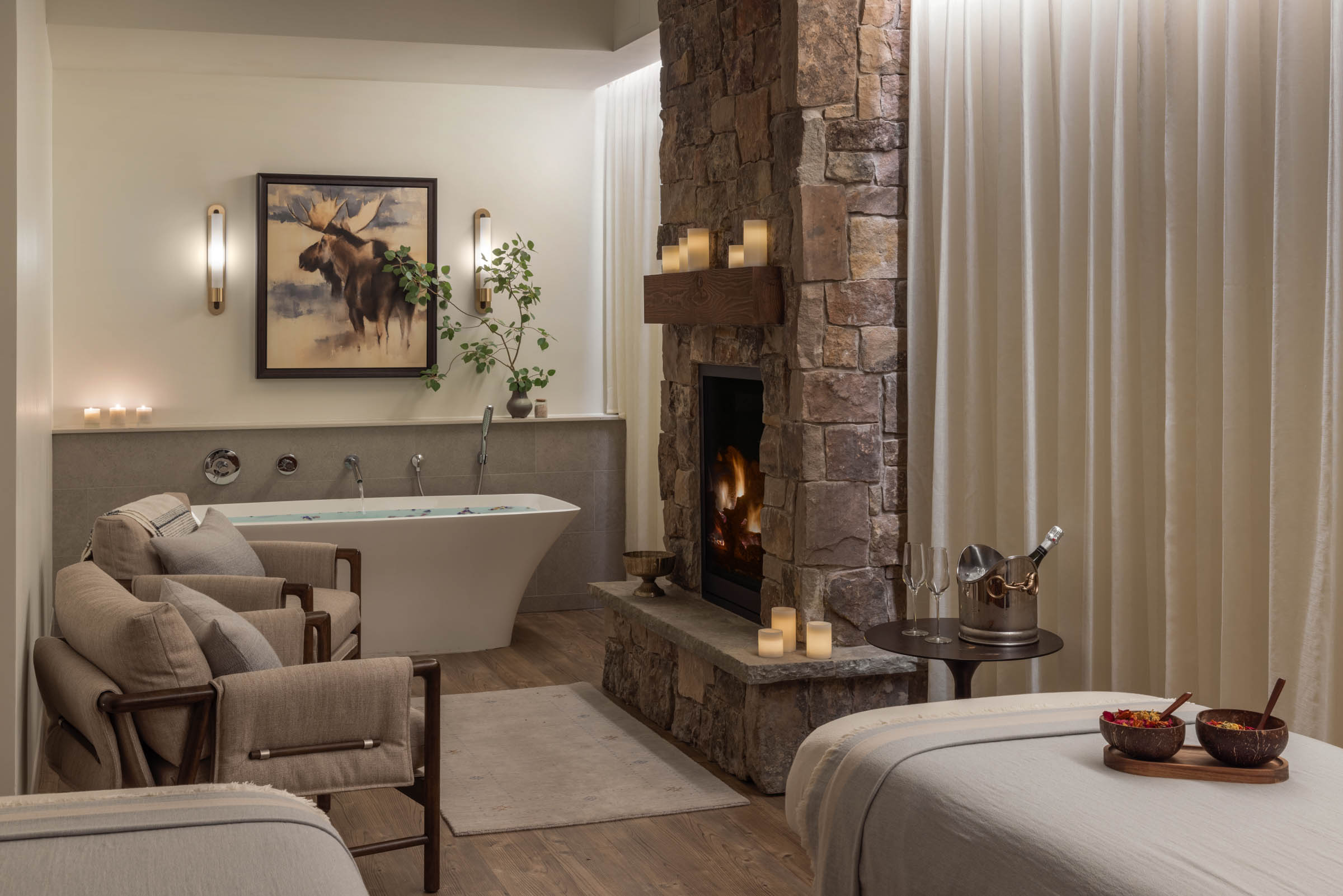
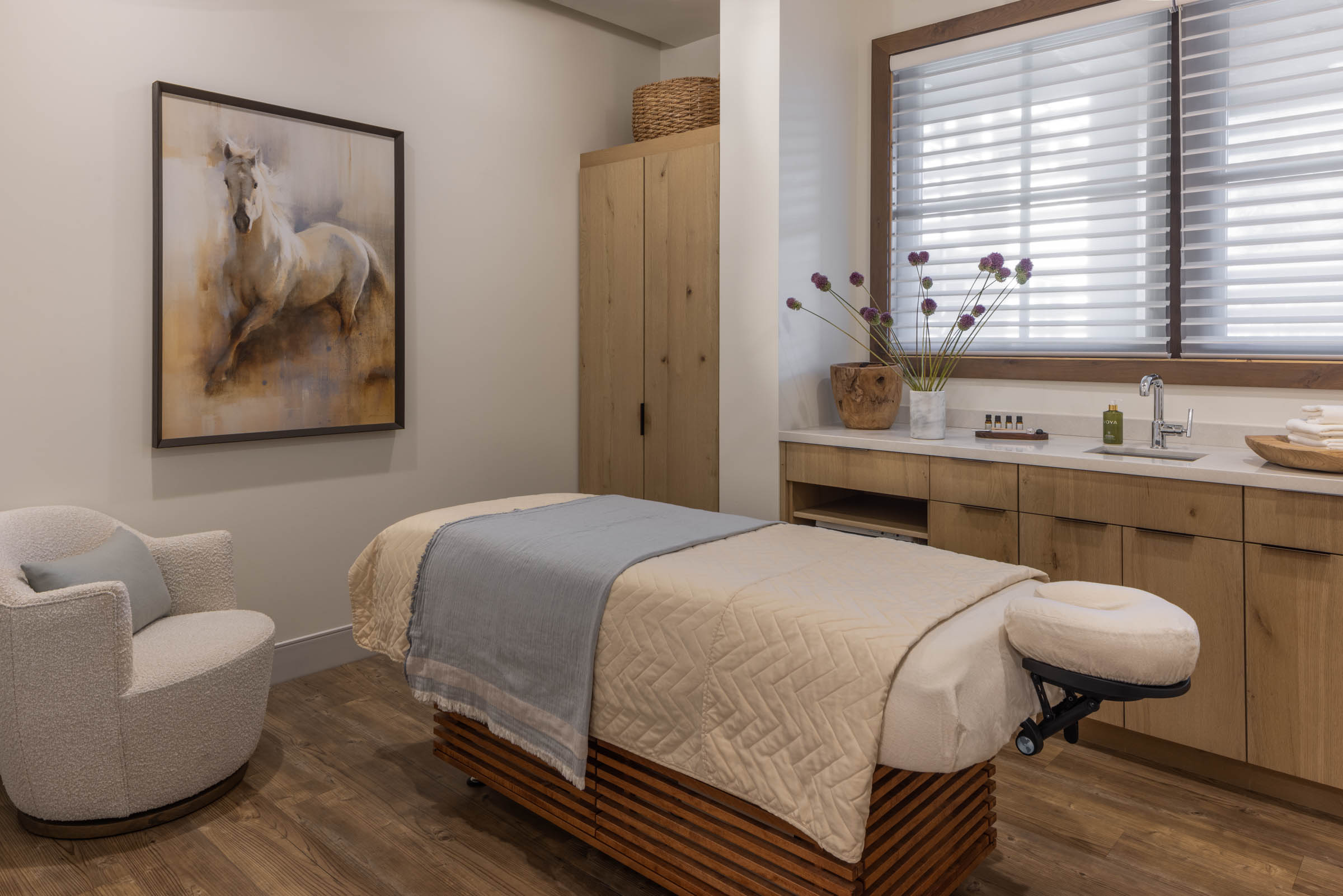
A central theme of the project was a sense of discovery, a philosophical underpinning of the original lodge. Accordingly, a series of ‘found moments,’ which encourage guests to explore the environment in comfort, are nested in the design; the experience is reinforced by a new spa, the gourmet Wild Sage restaurant (featuring a homespun open kitchen), and a double-sided fireplace shared by the domestic-scale lobby and barroom. Natural and local materials, migrated from the exterior into the décor, craft a subtle merging of the lodge and its surroundings.
The new Rusty Parrot bridges old and new, urban and rural, rustic and refined, and home and hospitality. The outcome brings back a lost legacy and – better still – sets the stage for the making of new memories.
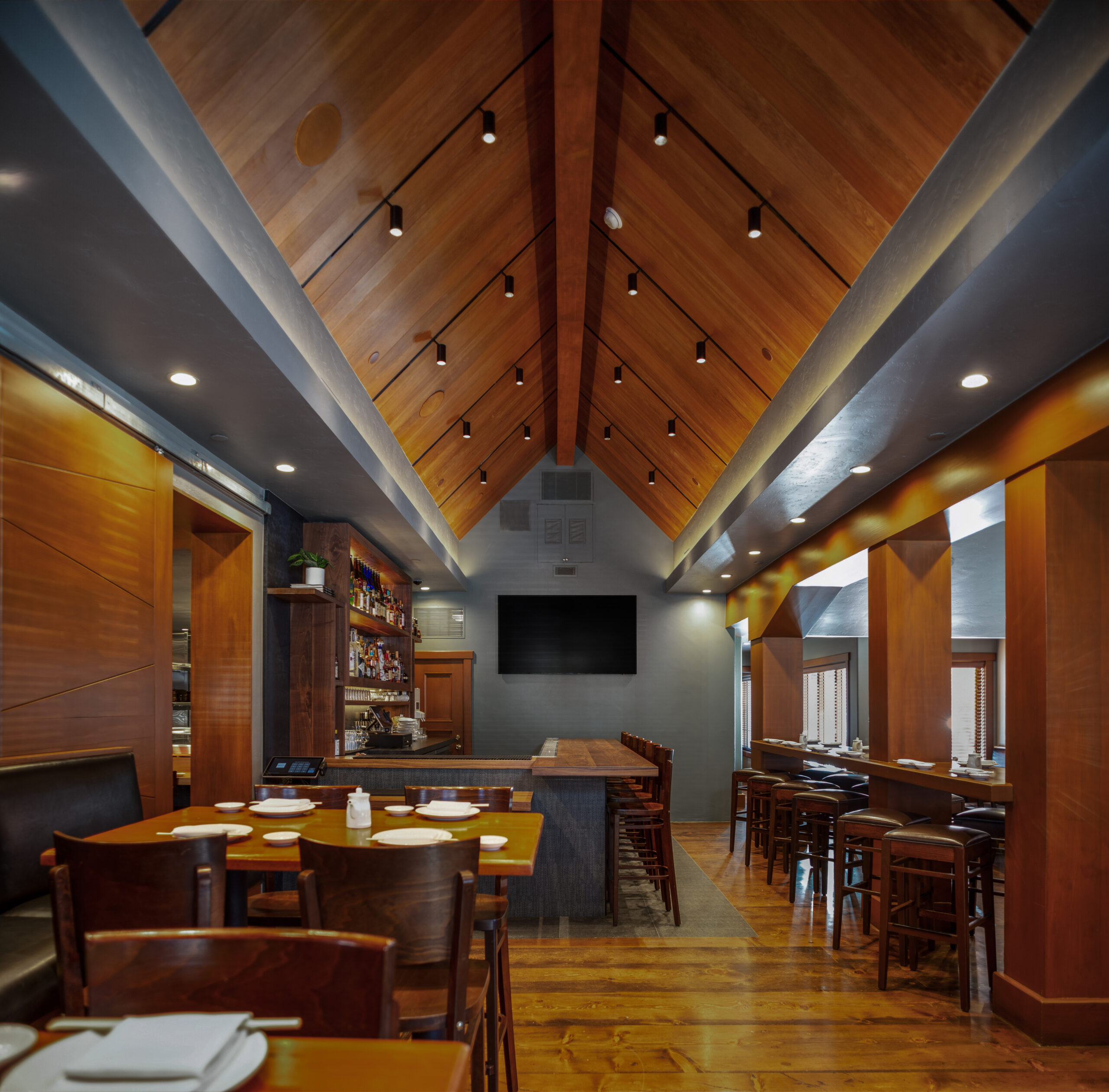
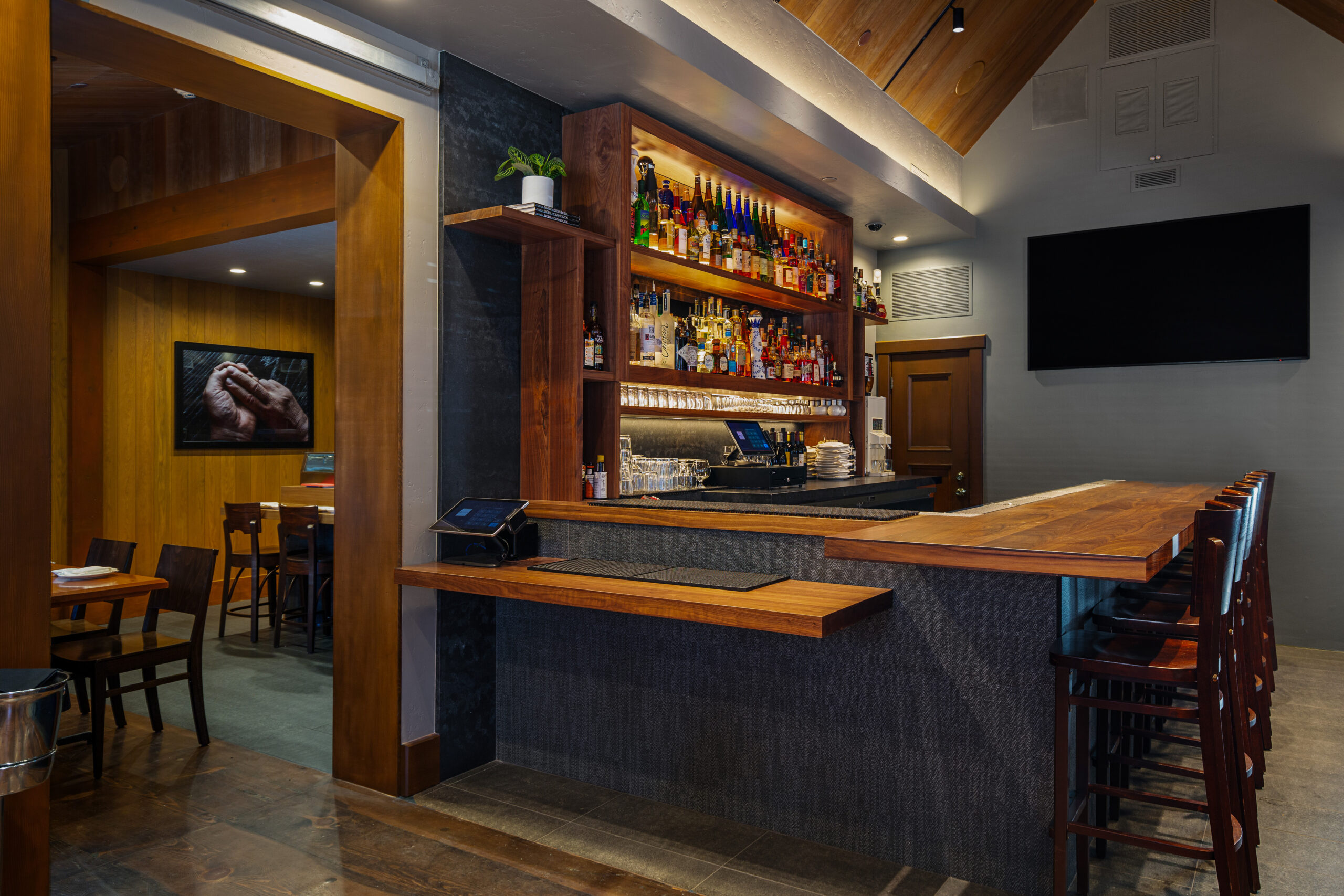
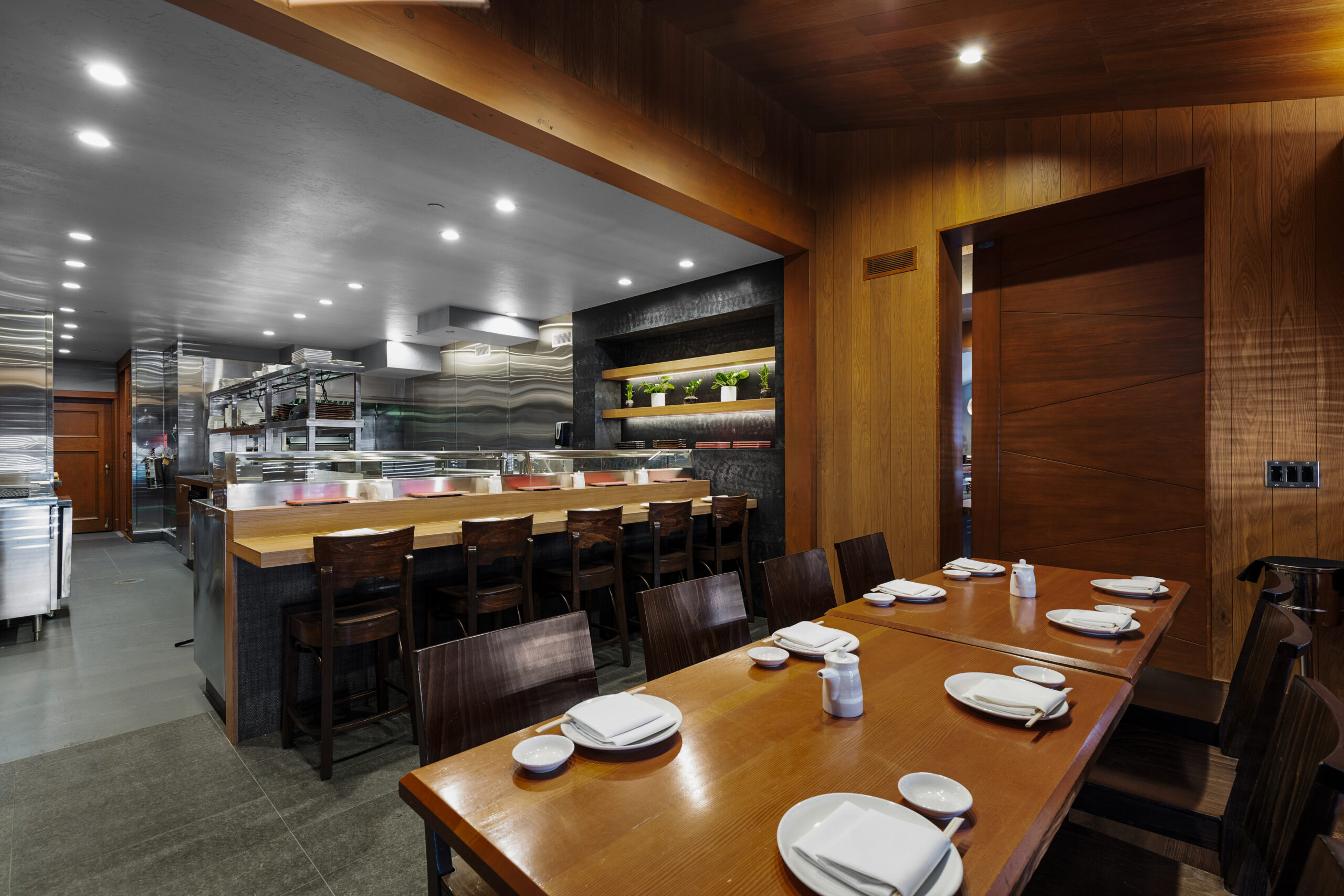
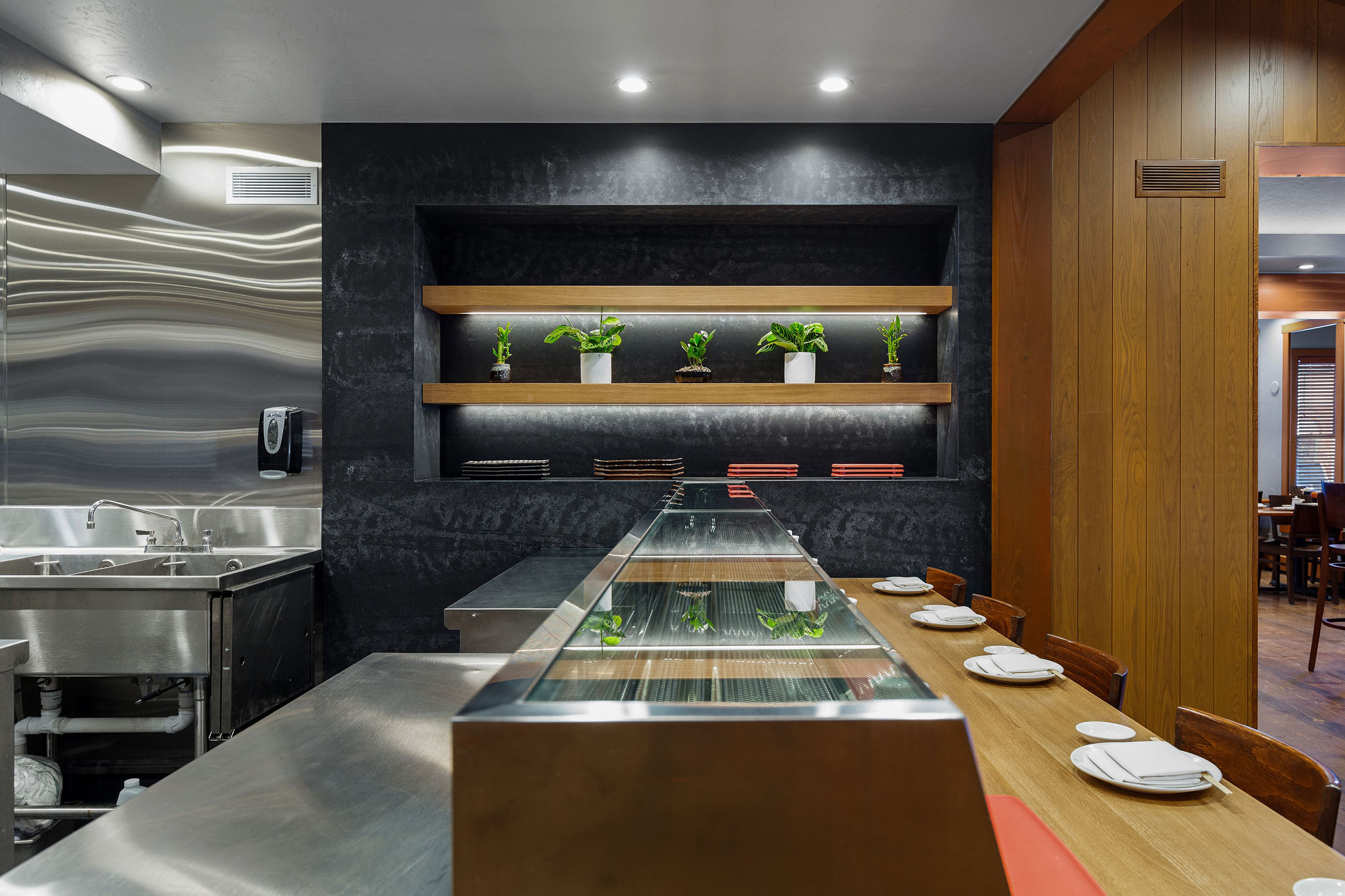
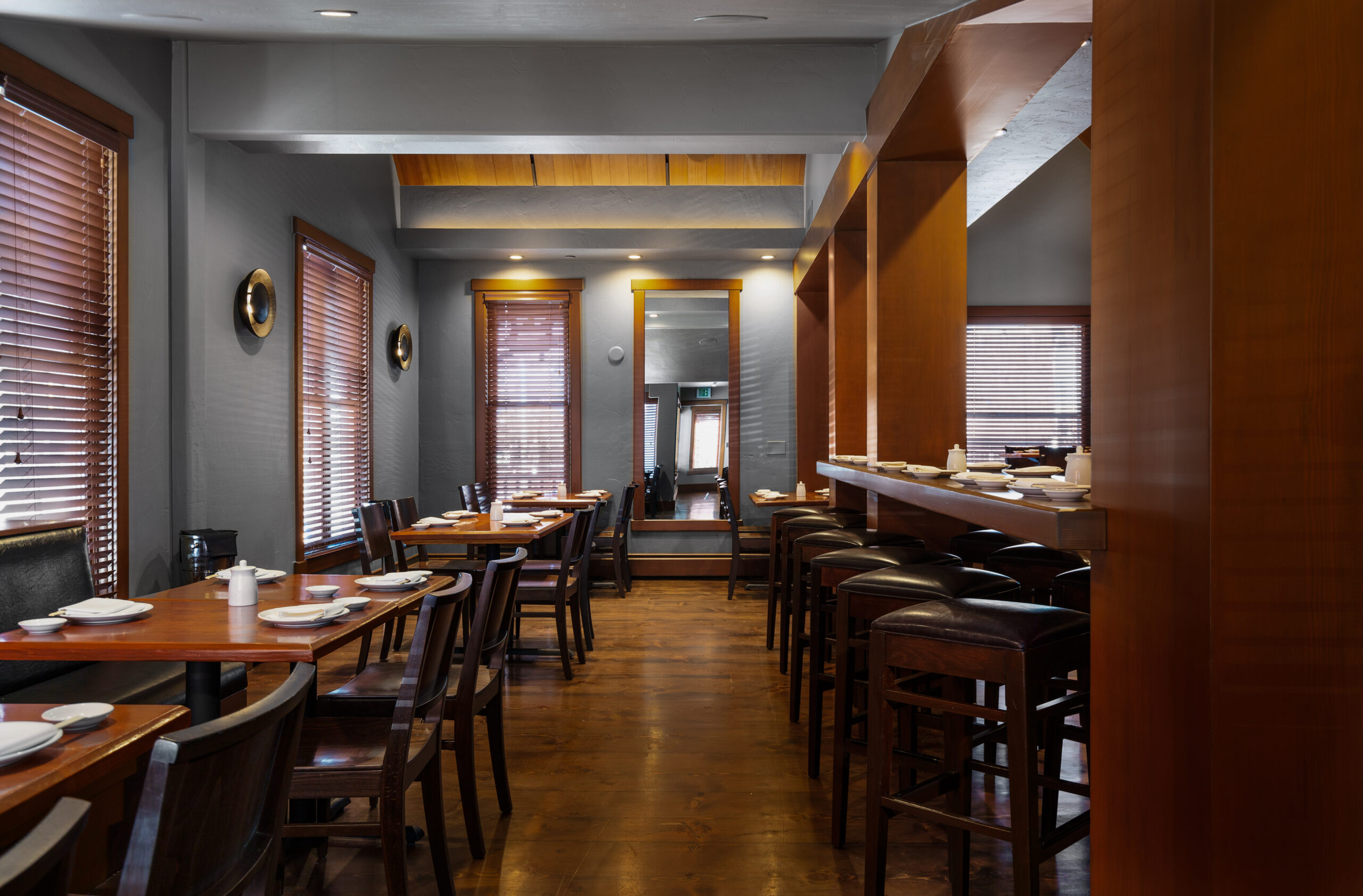
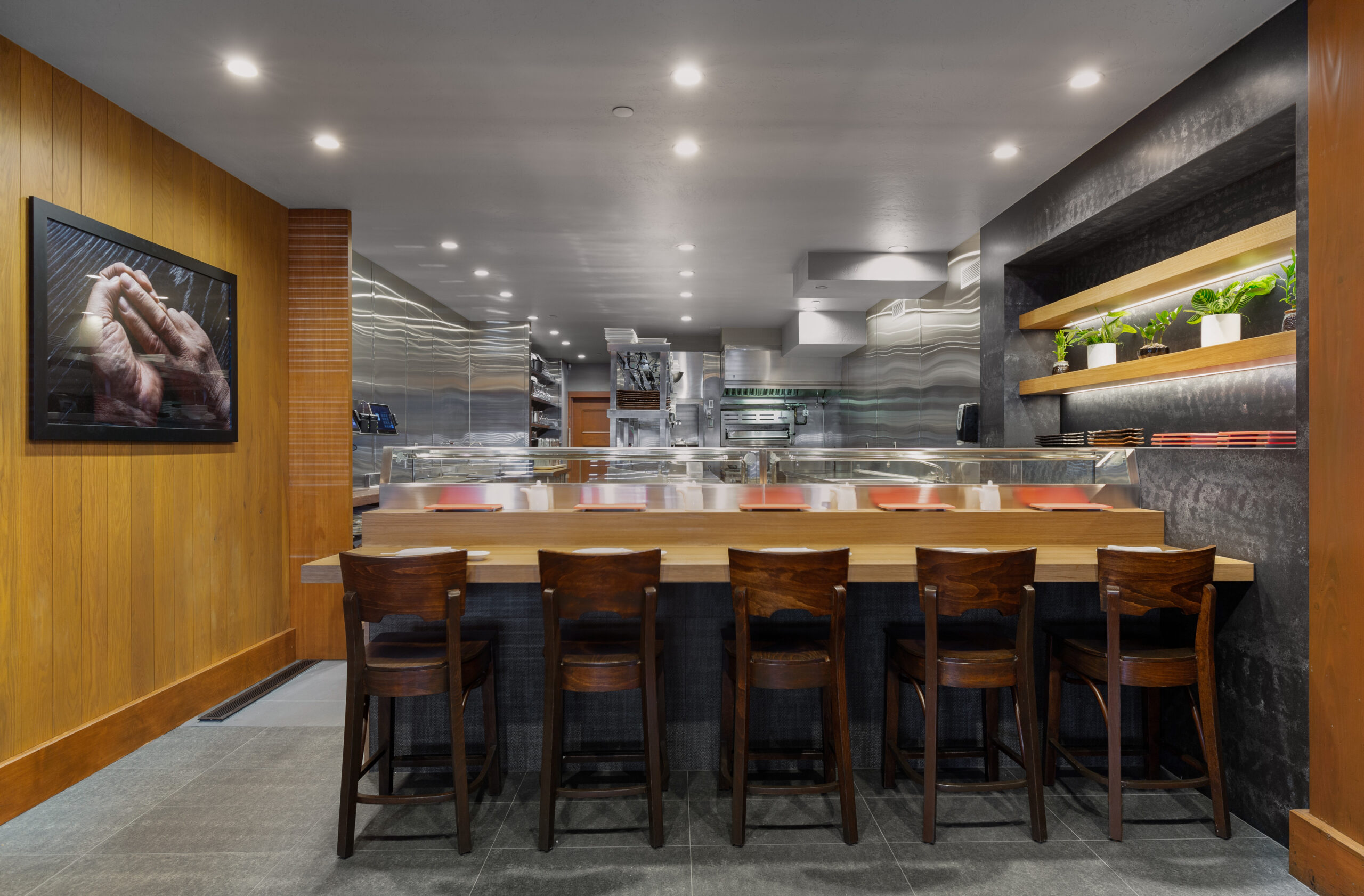
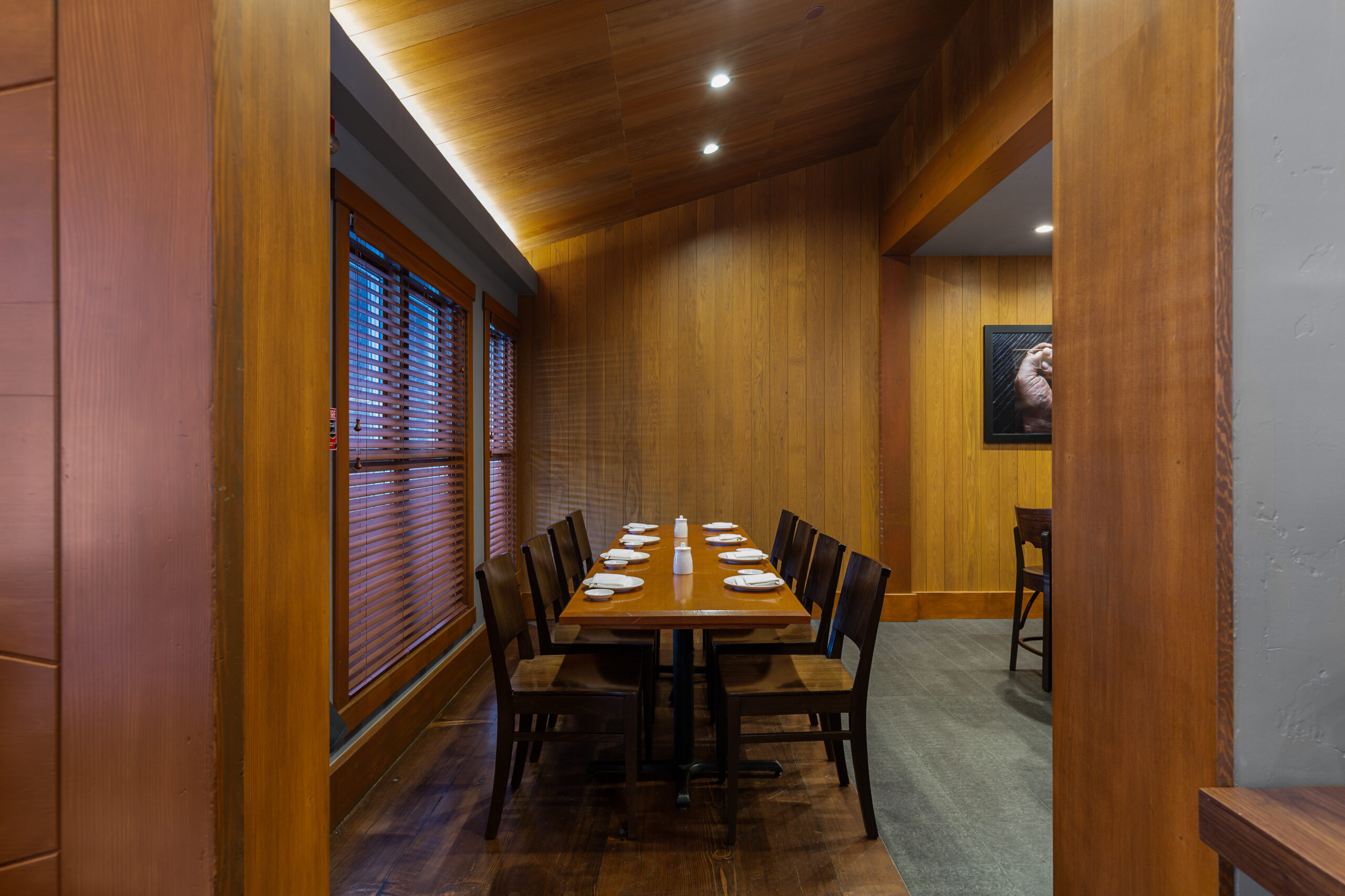
Matsuhisa Aspen is located in a small Victorian building located in right off Main Street of Aspen, CO. Nestled amidst other period homes, constructed in the early 1900s, the property retains many original features such as its wood siding, period windows, and gabled roofline, all contributing to its character as a significant local landmark. The design approach respects the building’s history while introducing subtle, modern interventions that will allow for the functionality required of a contemporary restaurant.
The design of the restaurant has been thoughtfully crafted to create a harmonious environment where the focus remains squarely on the food, enhancing the culinary experience without overpowering it. Inspired by the principles of Japanese design, the interior is intentionally minimalist and restrained, with clean lines, natural materials, and a neutral color palette that provides a serene backdrop. Every element in the space is carefully chosen to complement, rather than compete with, the artistry of the dishes. The use of wood, stone, and soft lighting creates a warm, inviting atmosphere, while the uncluttered spaces allow the vibrant colors and delicate presentation of the food to take center stage.
This project was subject to a strict, three-month timeline for construction, with the goal of completing the remodel during Aspen’s off-season period. Given the seasonal nature of the area, it was critical that the restaurant opens promptly in time for the holiday rush, when Aspen’s peaks with its seasoned visitors. Every phase of the project, from demolition to final finishing touches, is being carefully planned to maximize efficiency without compromising quality
The opportunity to contribute to the creation of a space that aligns with the chef’s exceptional culinary vision has been a privilege. The restaurant now stands as a beautiful reflection of both the chef’s artistry and the timeless charm of Aspen, and we are proud to have played a role in bringing this unique dining experience to life. We look forward to seeing it flourish as a new cultural touchstone for the community and a destination for guests from around the world.
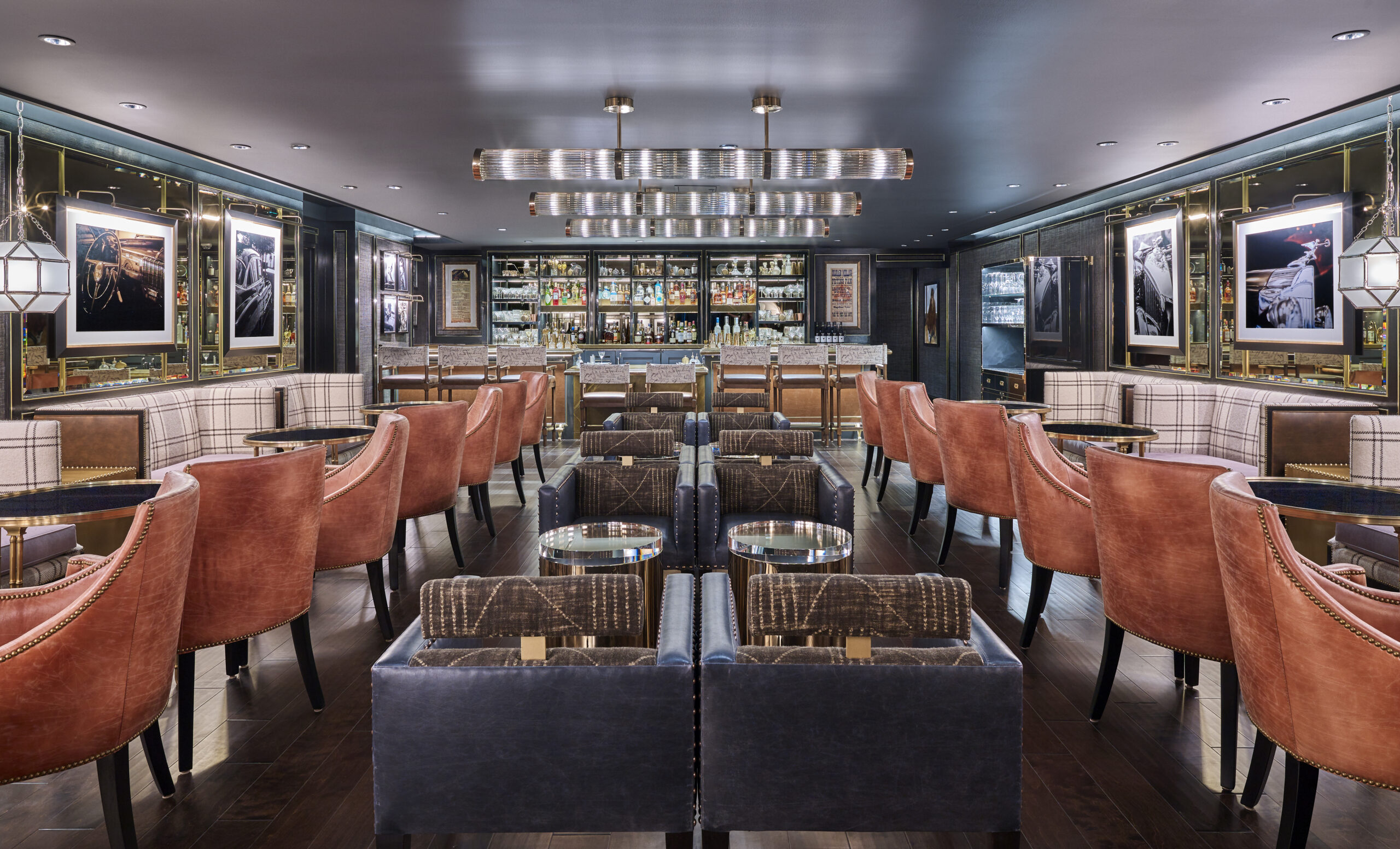
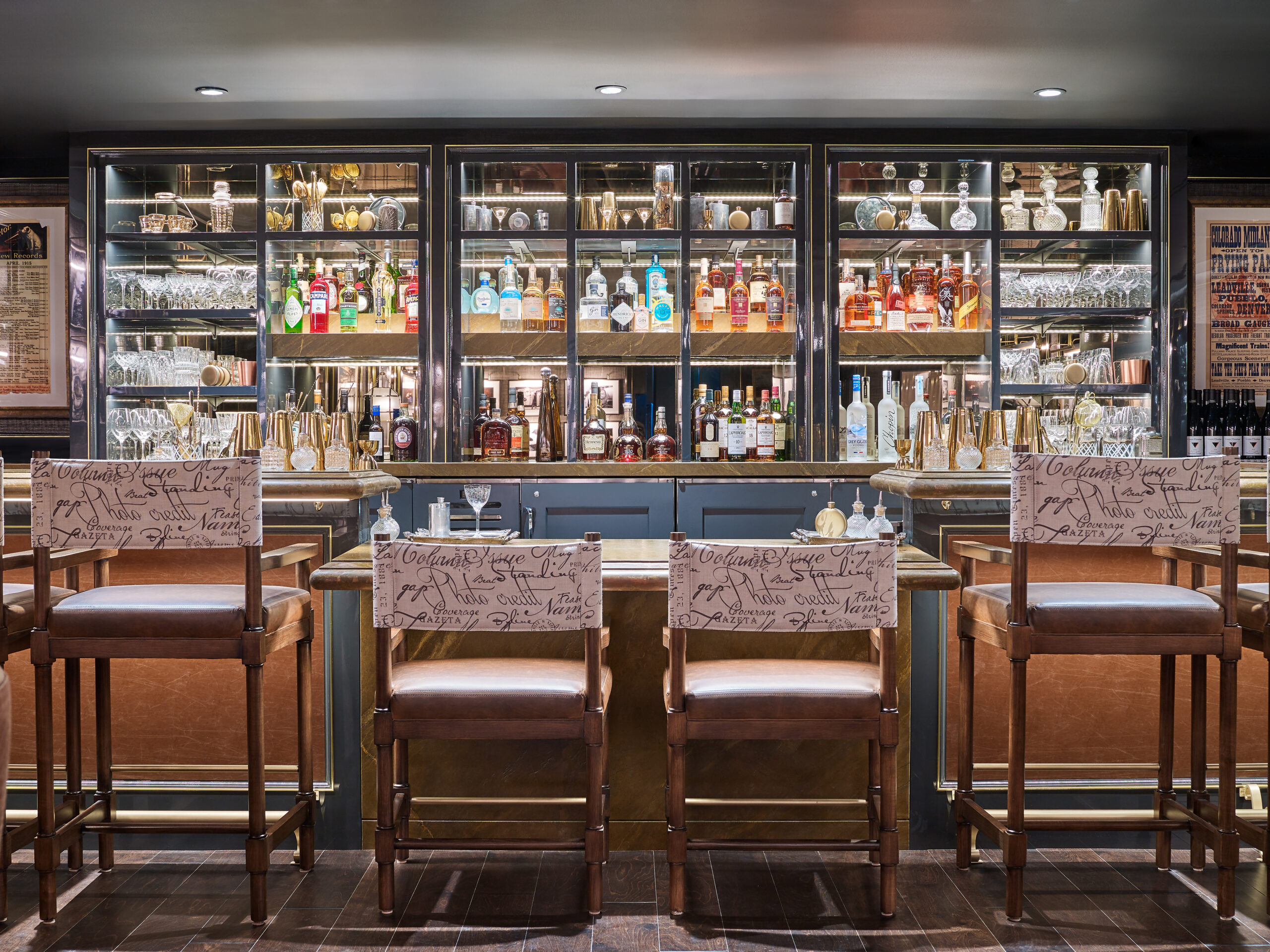
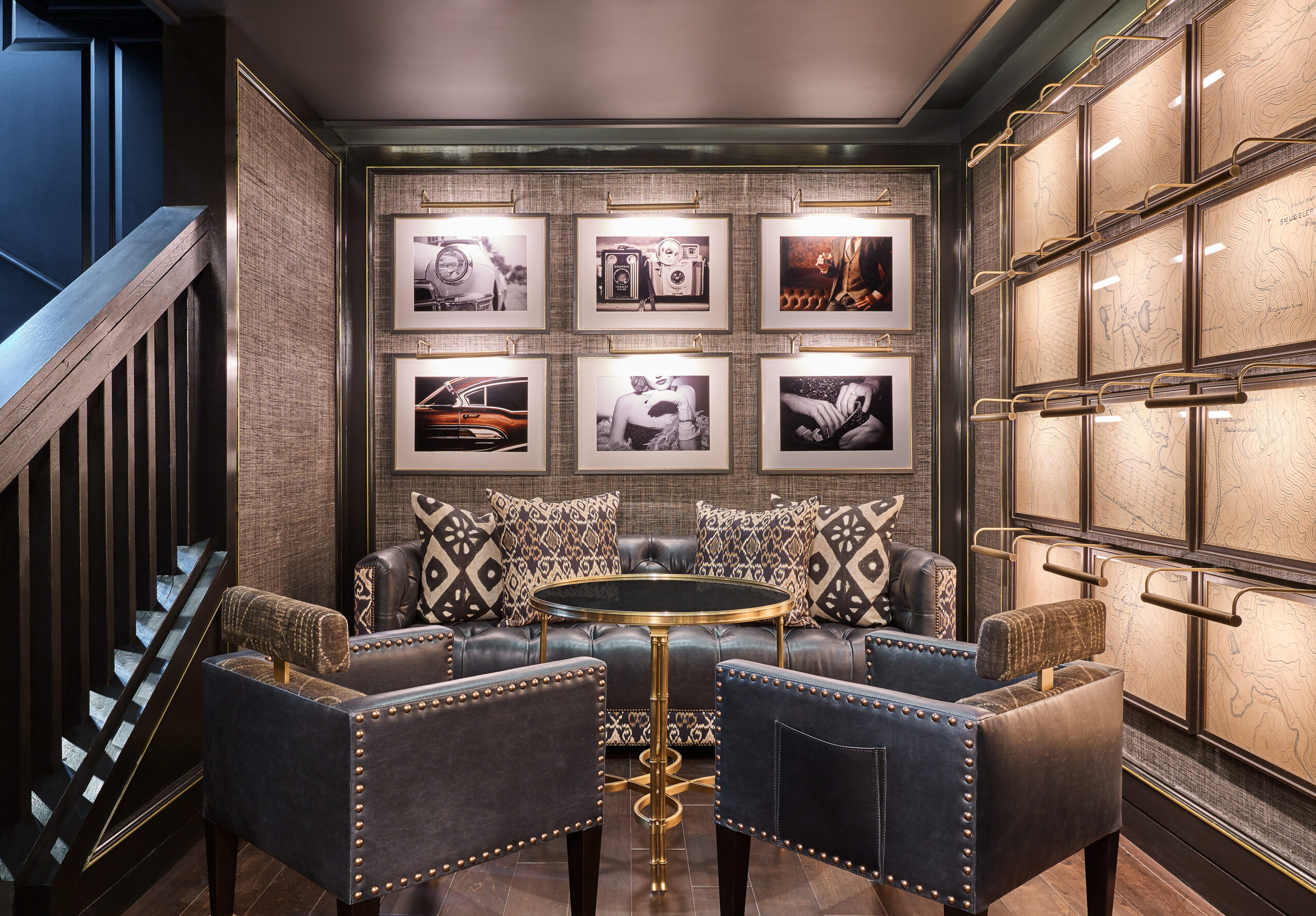
An Aspen landmark for over 125 years, Hotel Jerome has been thoughtfully expanded while remaining loyal to its revered history and authentic character. As part of a recent multi-programmed project, which also included the design of a three-story, multiple-suite and gathering place addition, the design team restored the adjoining historic Aspen Times Building, the highlight of which is the new underground speakeasy bar, Bad Harriet.
Named after the wife of early Aspen developer Jerome B. Wheeler, who built the hotel and after whom the Hotel Jerome is named, Bad Harriet bridges Aspen’s past and future through the conversion of the historic 1904 Aspen Times Newspaper Building. Inspired by the Victorian period in which the building was constructed, and in collaboration with TAL Studio, the same interior design firm the team worked with during the 2012 full interior renovation of the Hotel Jerome, the interior palette, millwork, finishes and furnishings also take their cue from the original hotel. Mirrored wall panels with polished accents pair with painted wood trim to create a sultry atmosphere for the intimate, 55-seat space, while a Bruna Terra Leather stone bar adds a solid contemporary edge.
The restoration of the historic Aspen Times Building provides a timeless addition to the Hotel Jerome. Extraneous exterior additions were removed, and a steel super-structure was installed to allow the original building to once again stand on its own. Original wood siding was preserved and re-detailed. Historic windows that had once been hidden or removed were replaces with new wood windows. A new metal roof was added to reflect the historic vernacular. A new sliding barn door system was added to the original garden-facing wall to create permeability or enclosure as needed.
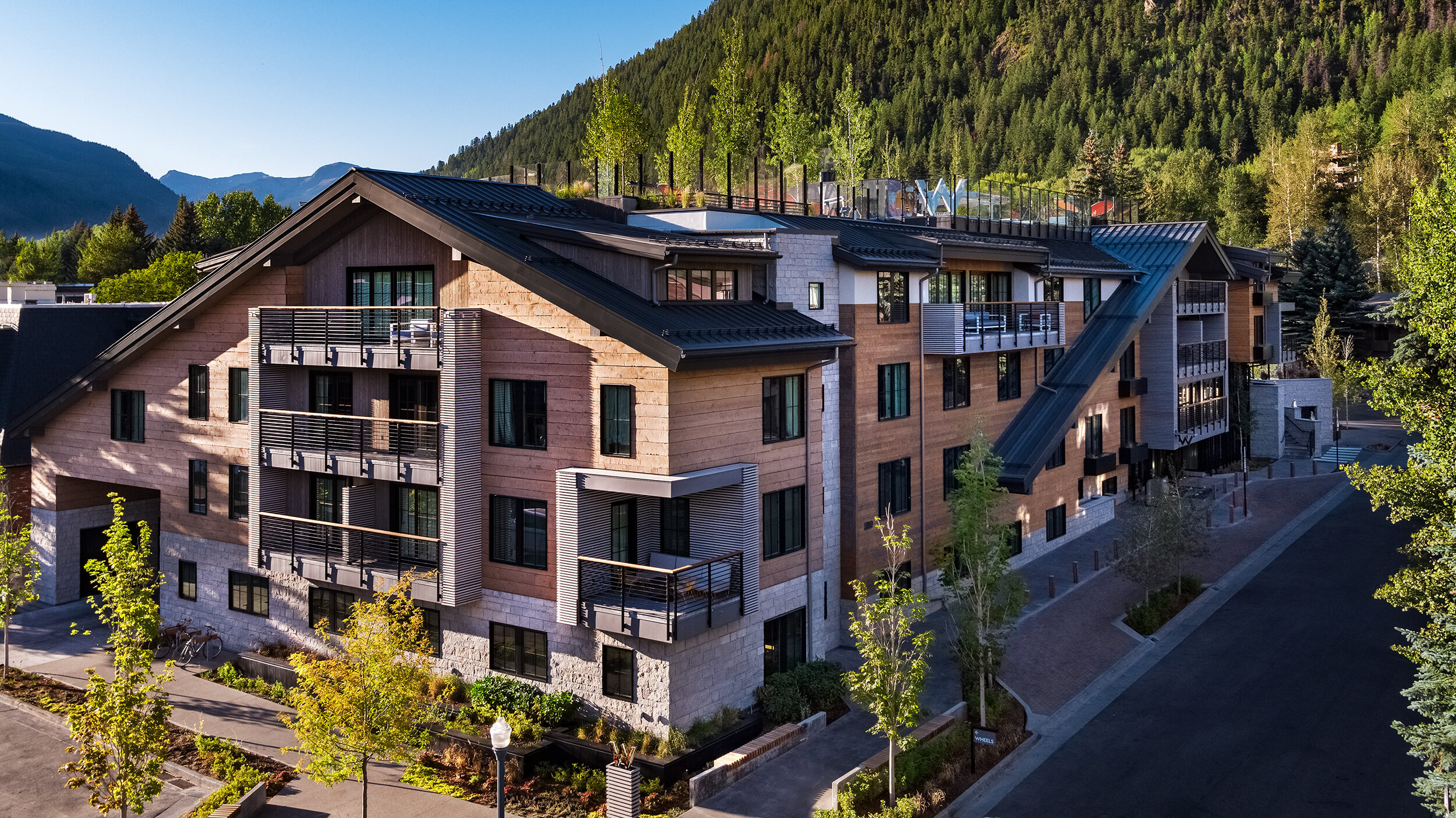
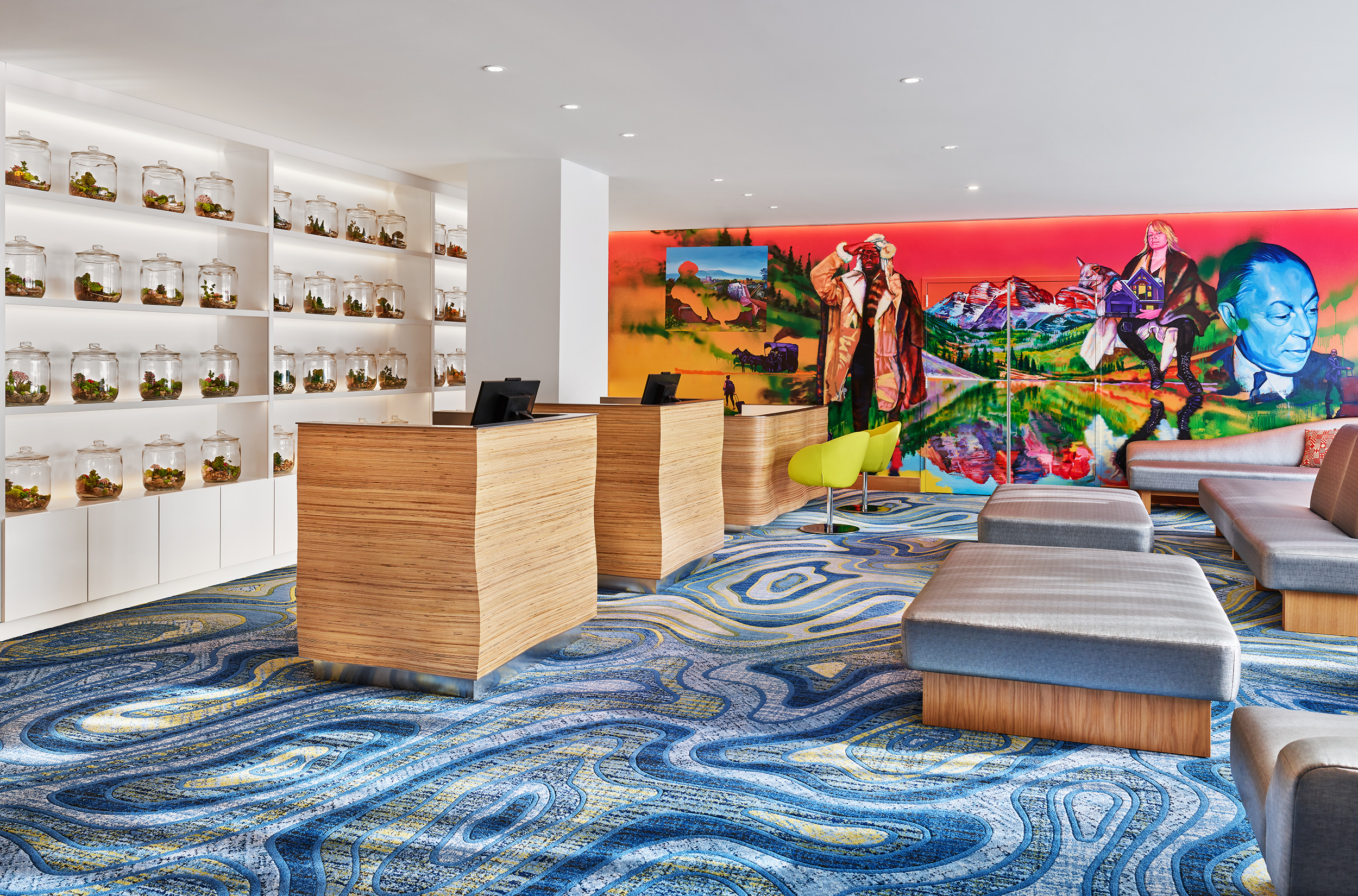
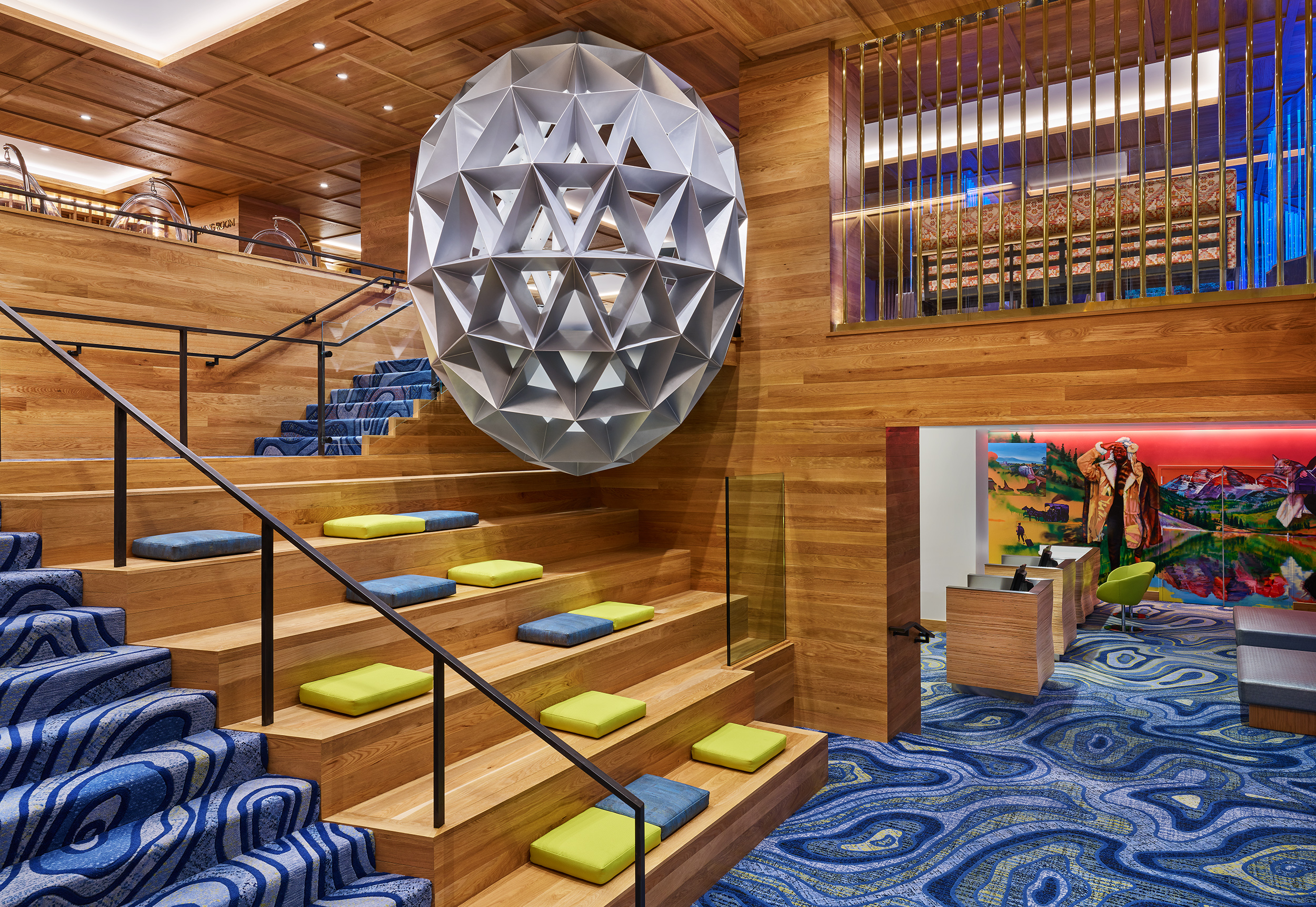
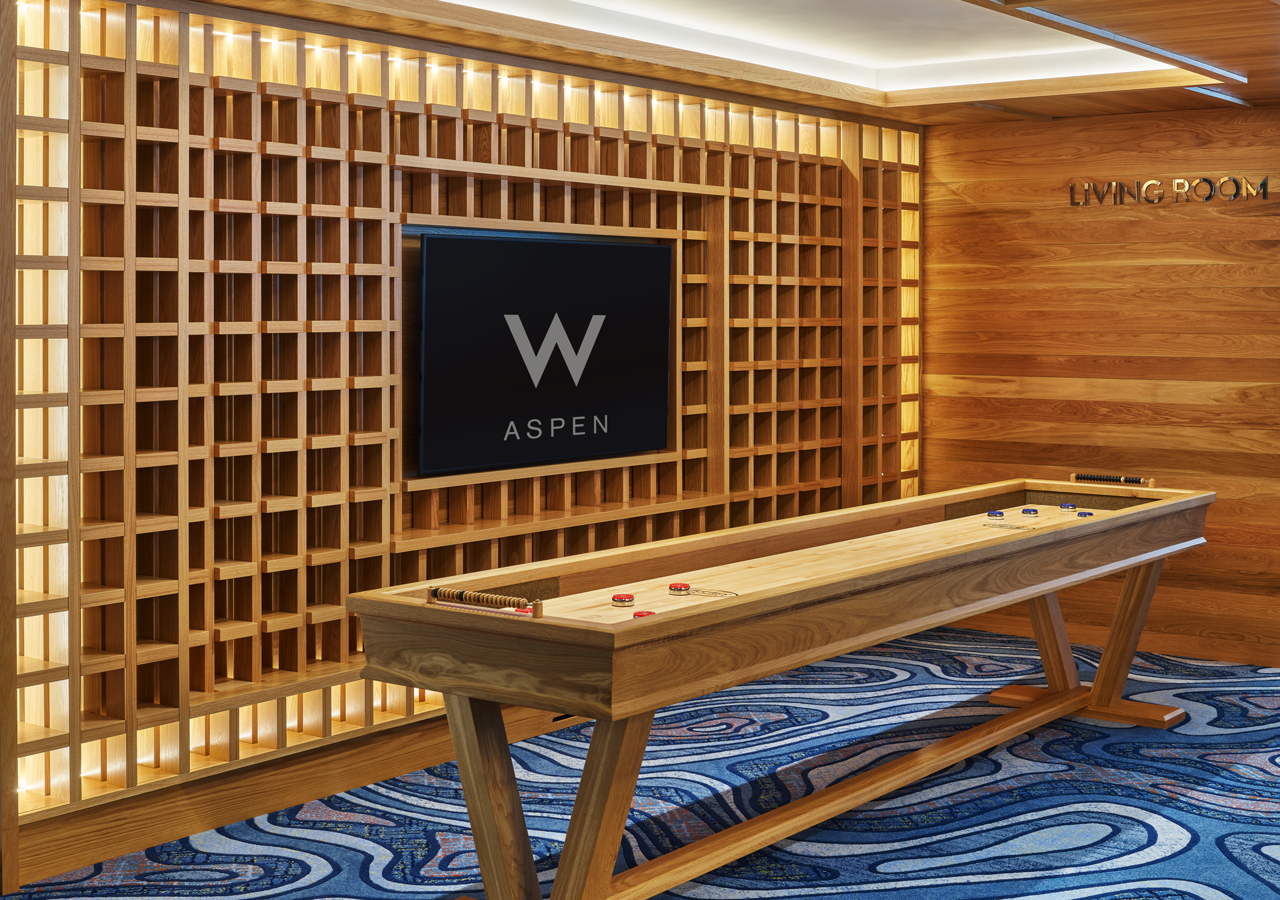
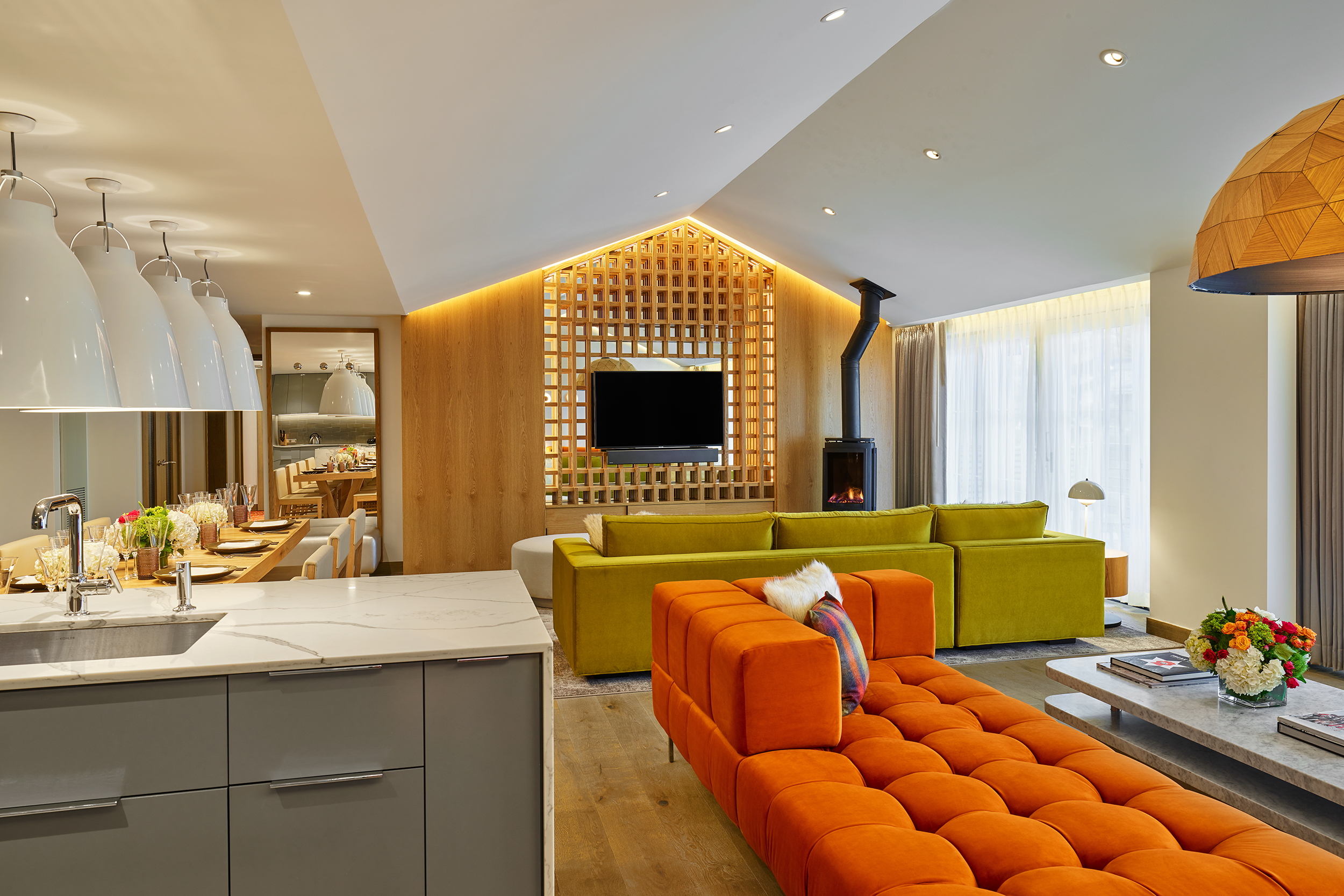
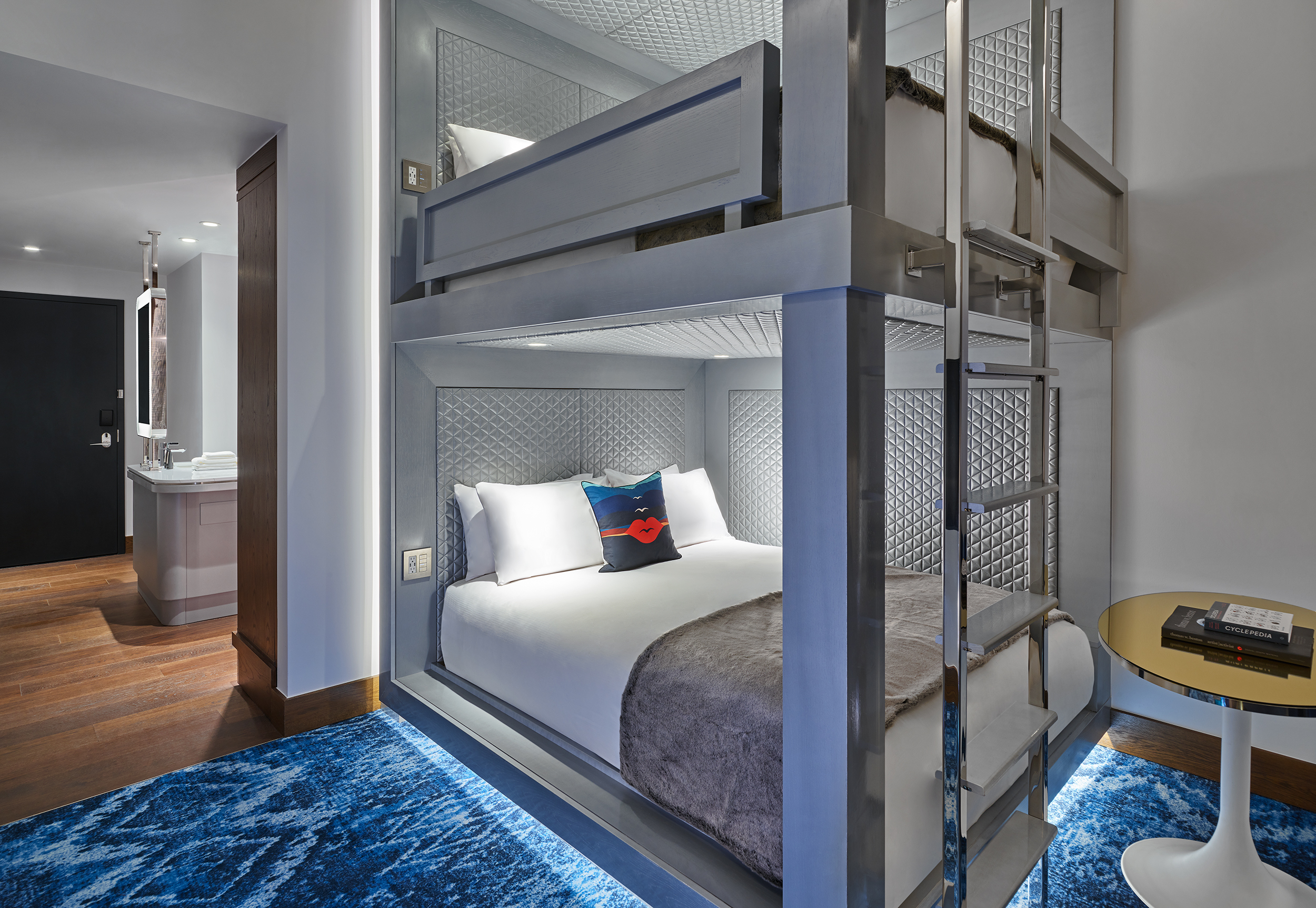
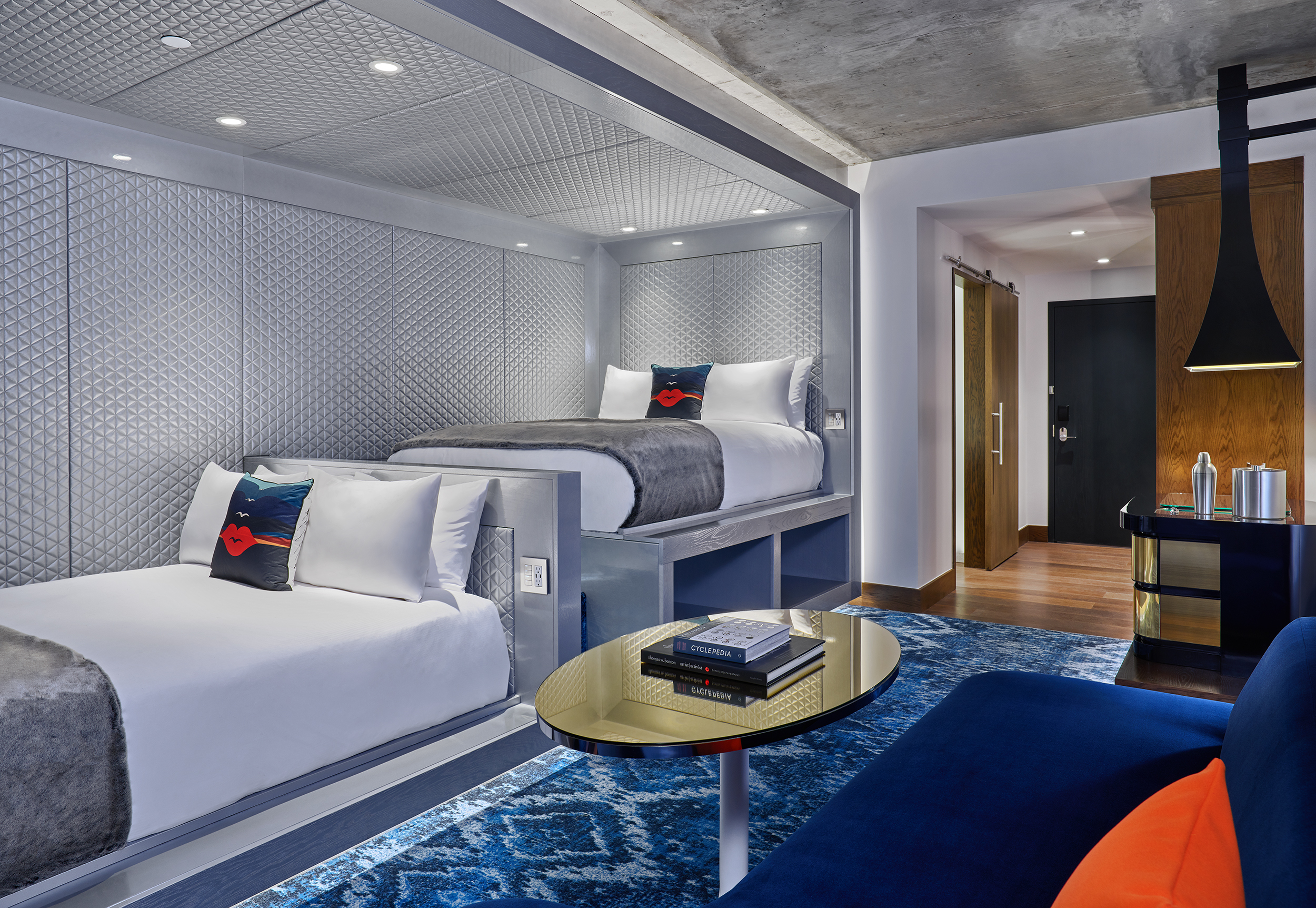
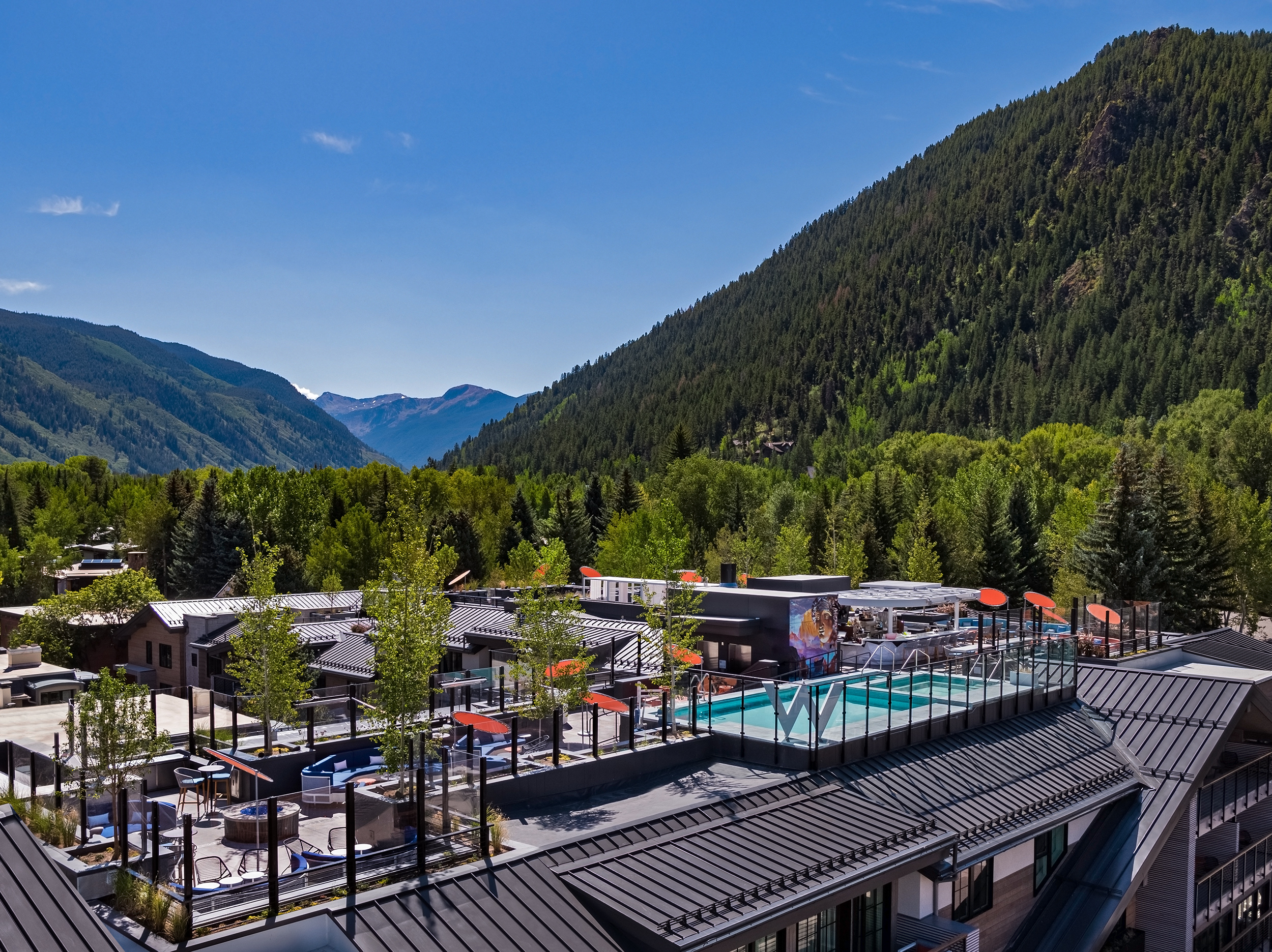
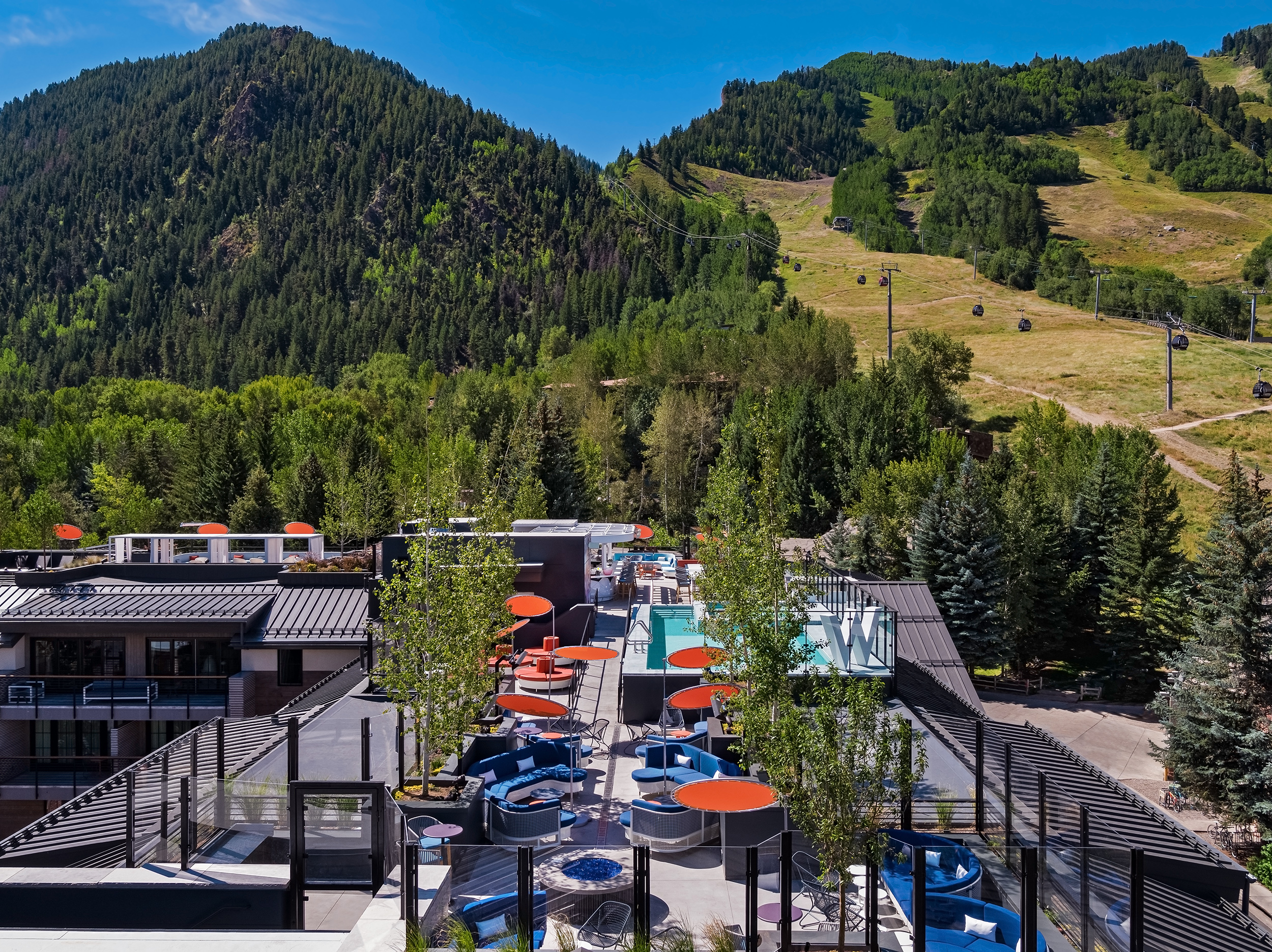
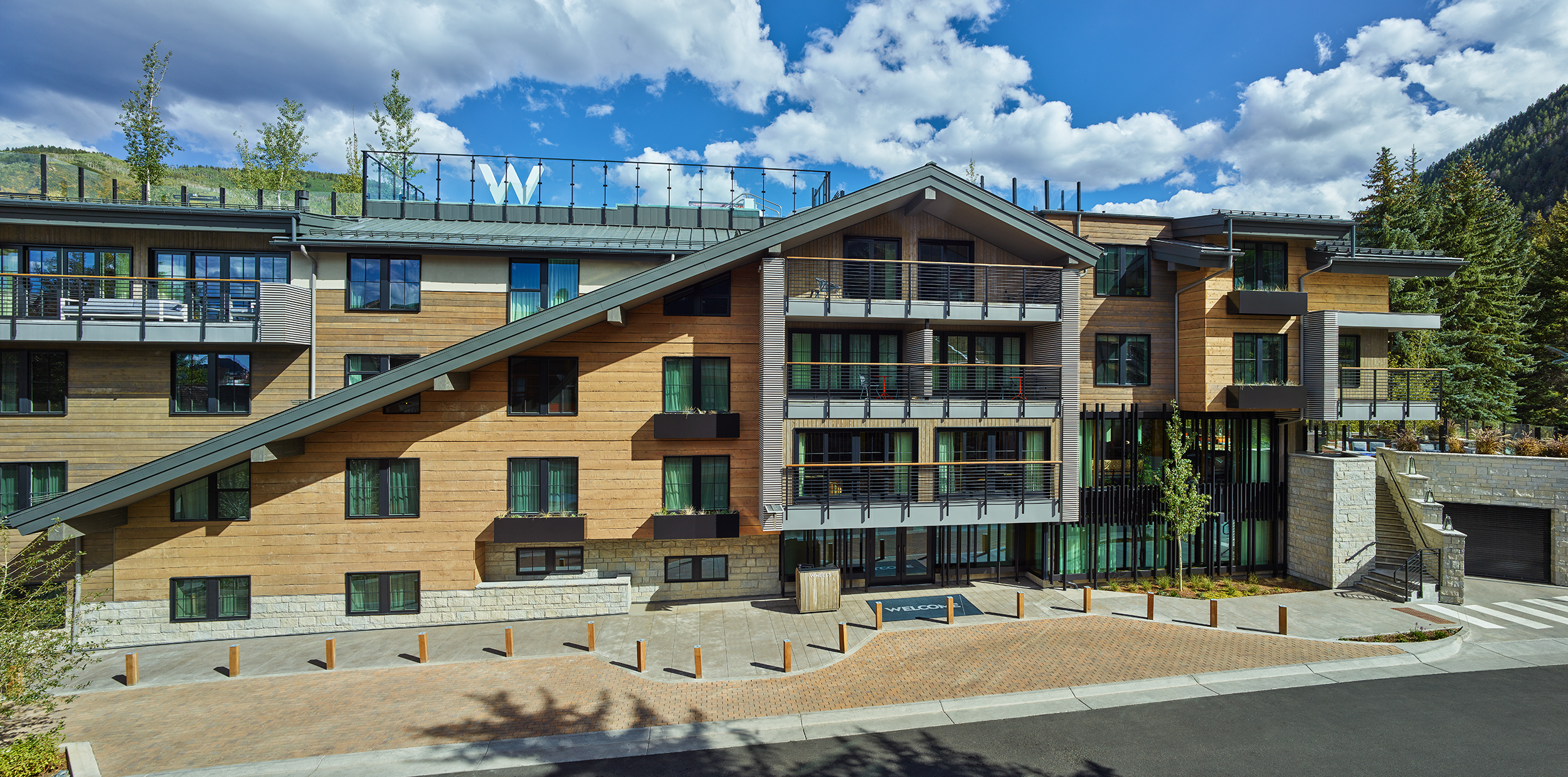
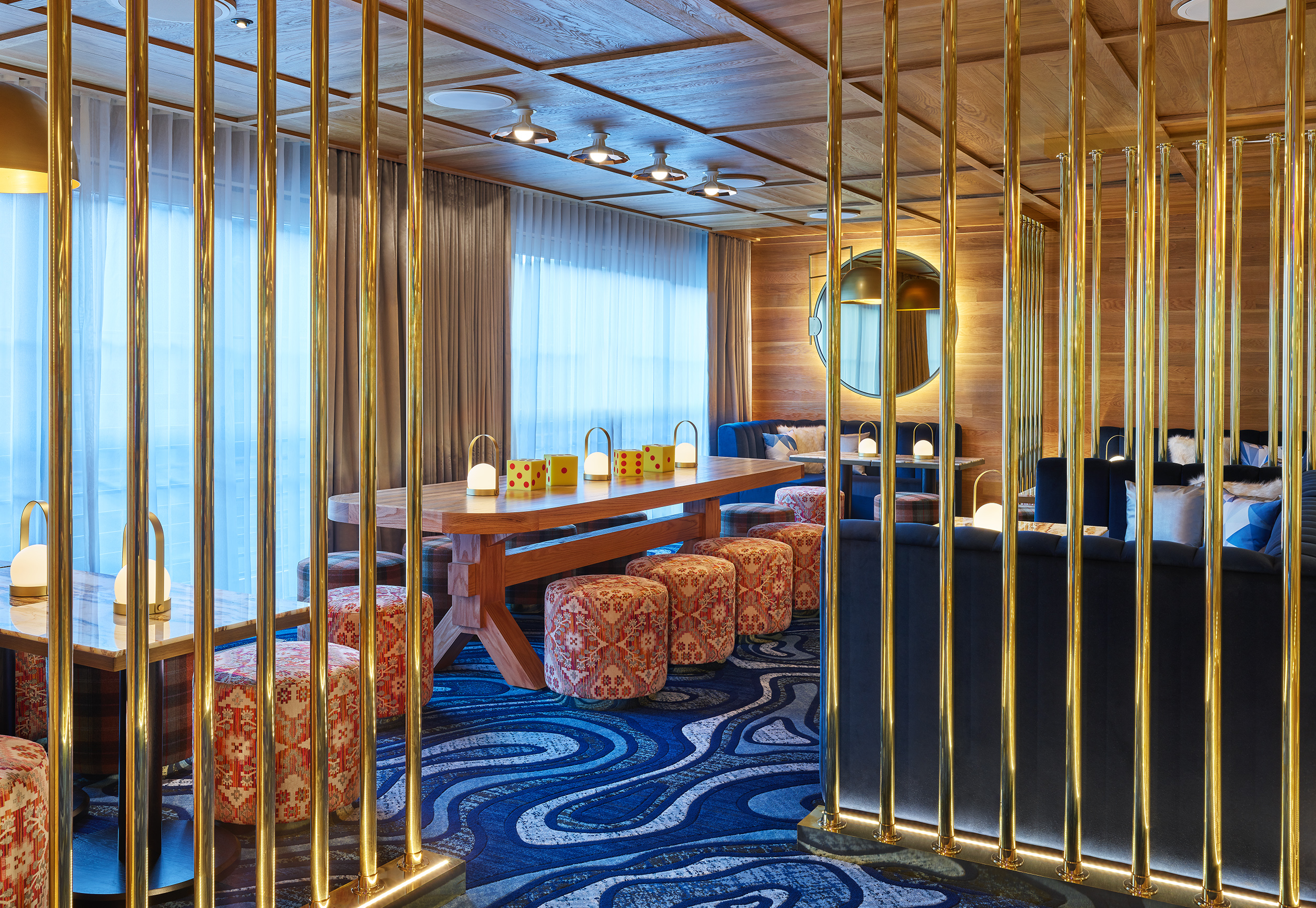
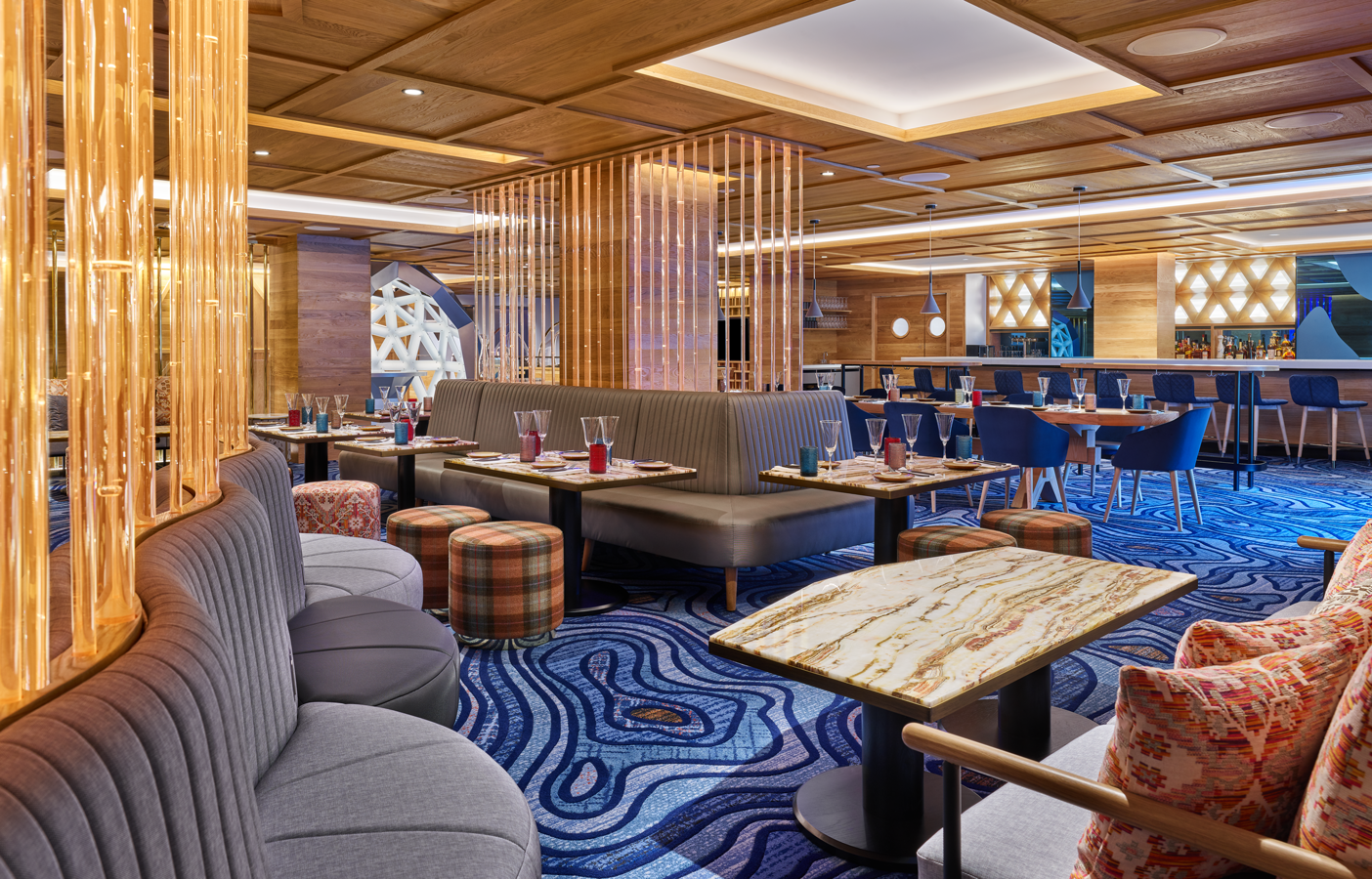
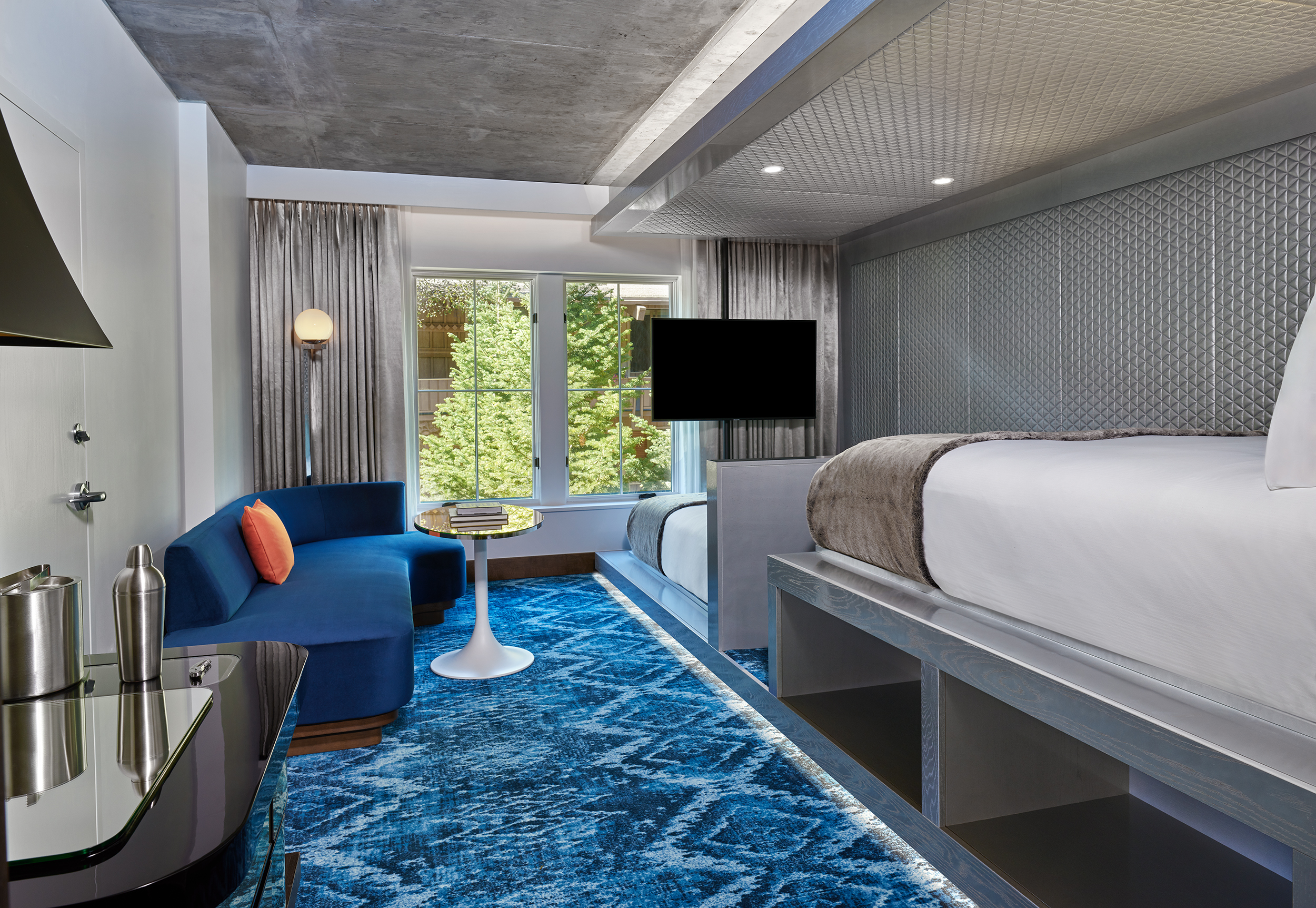
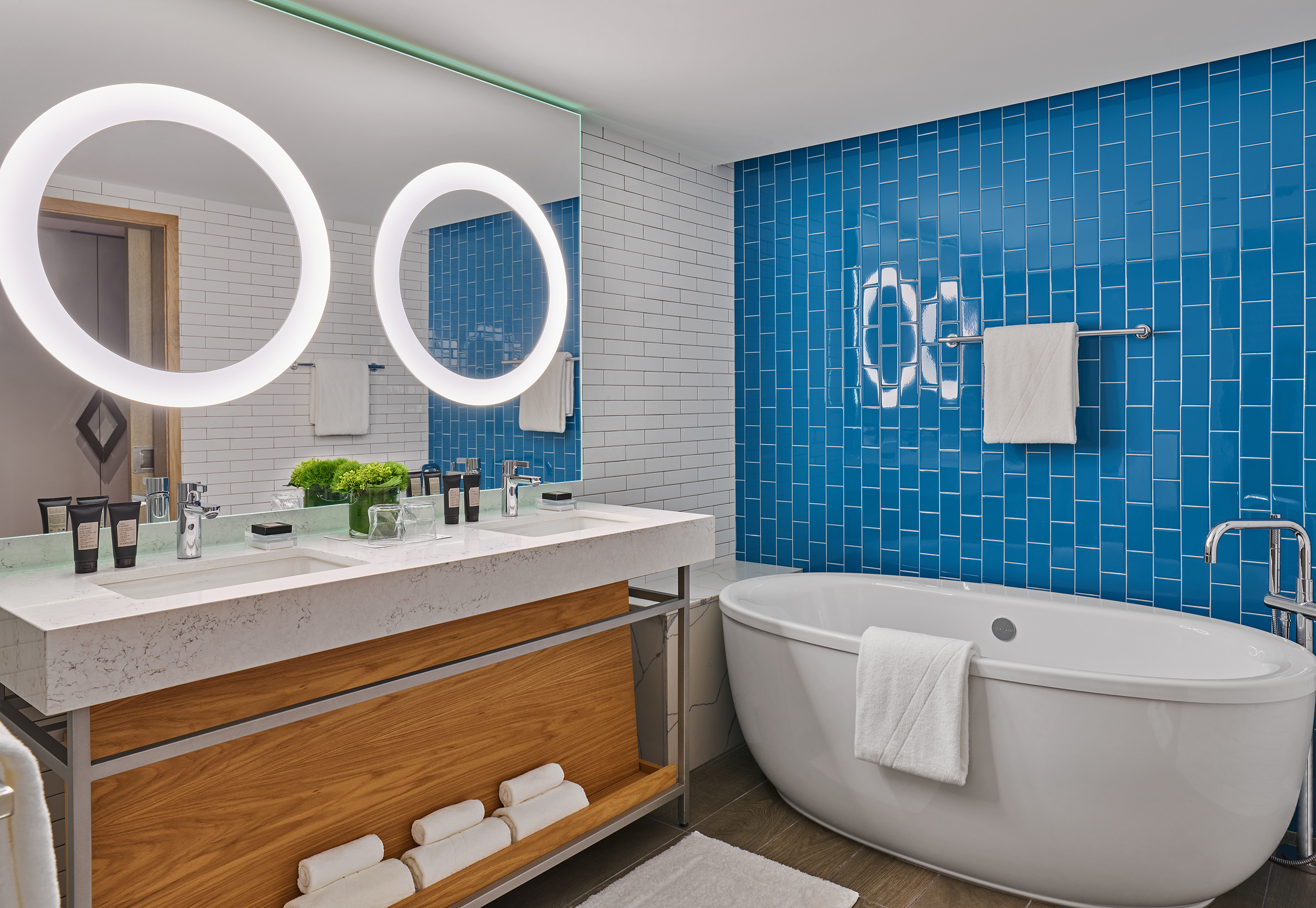
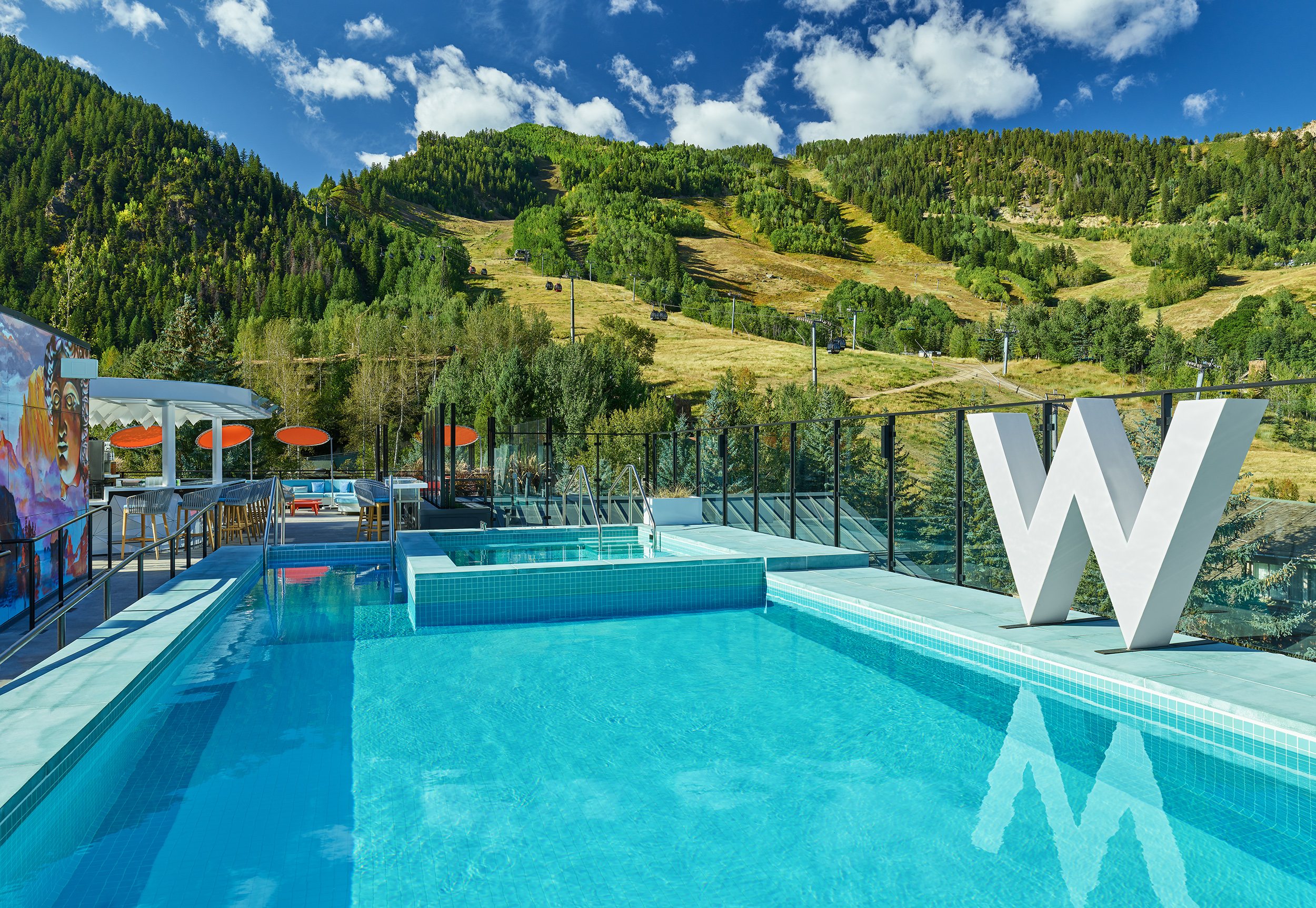
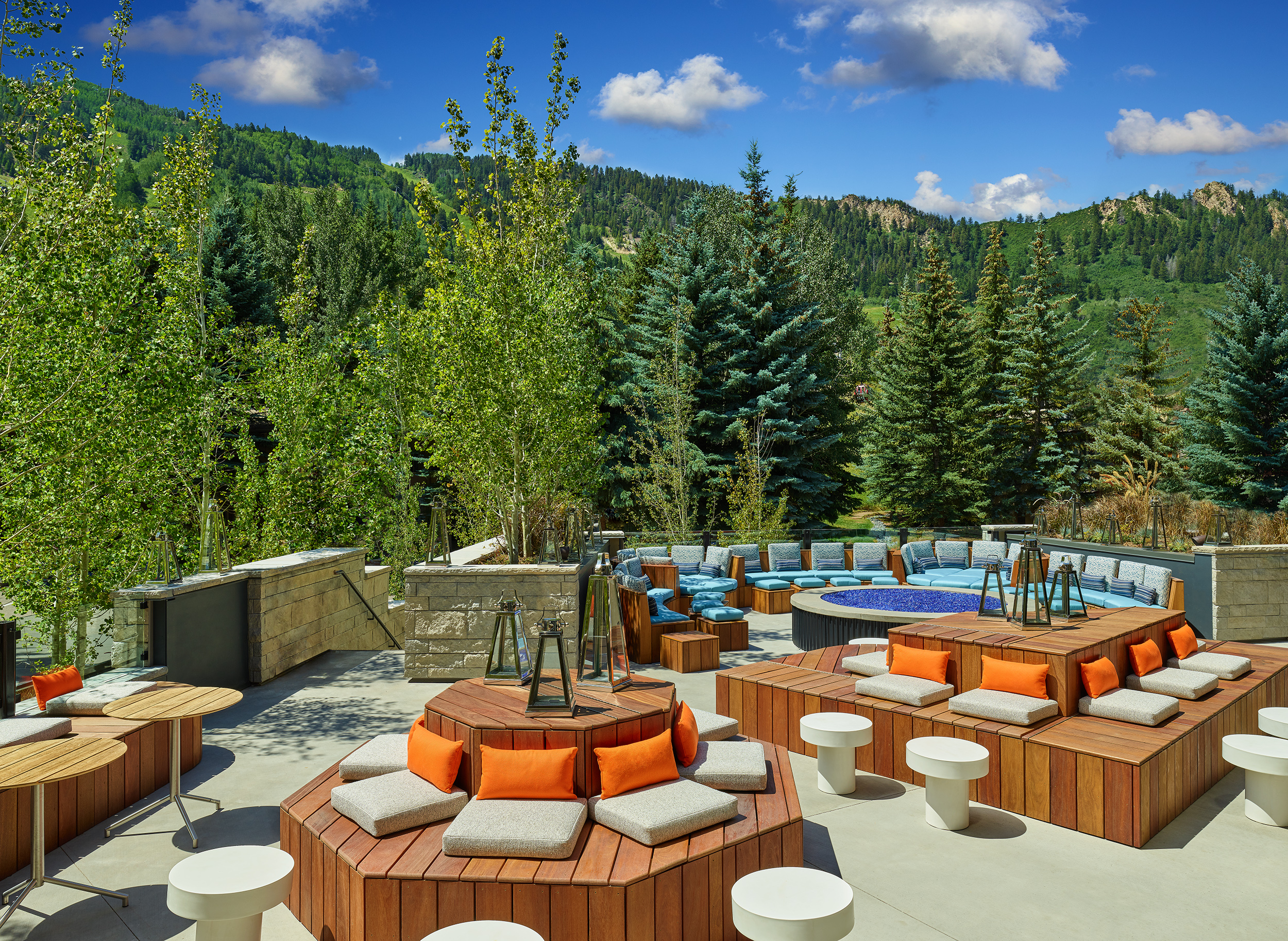
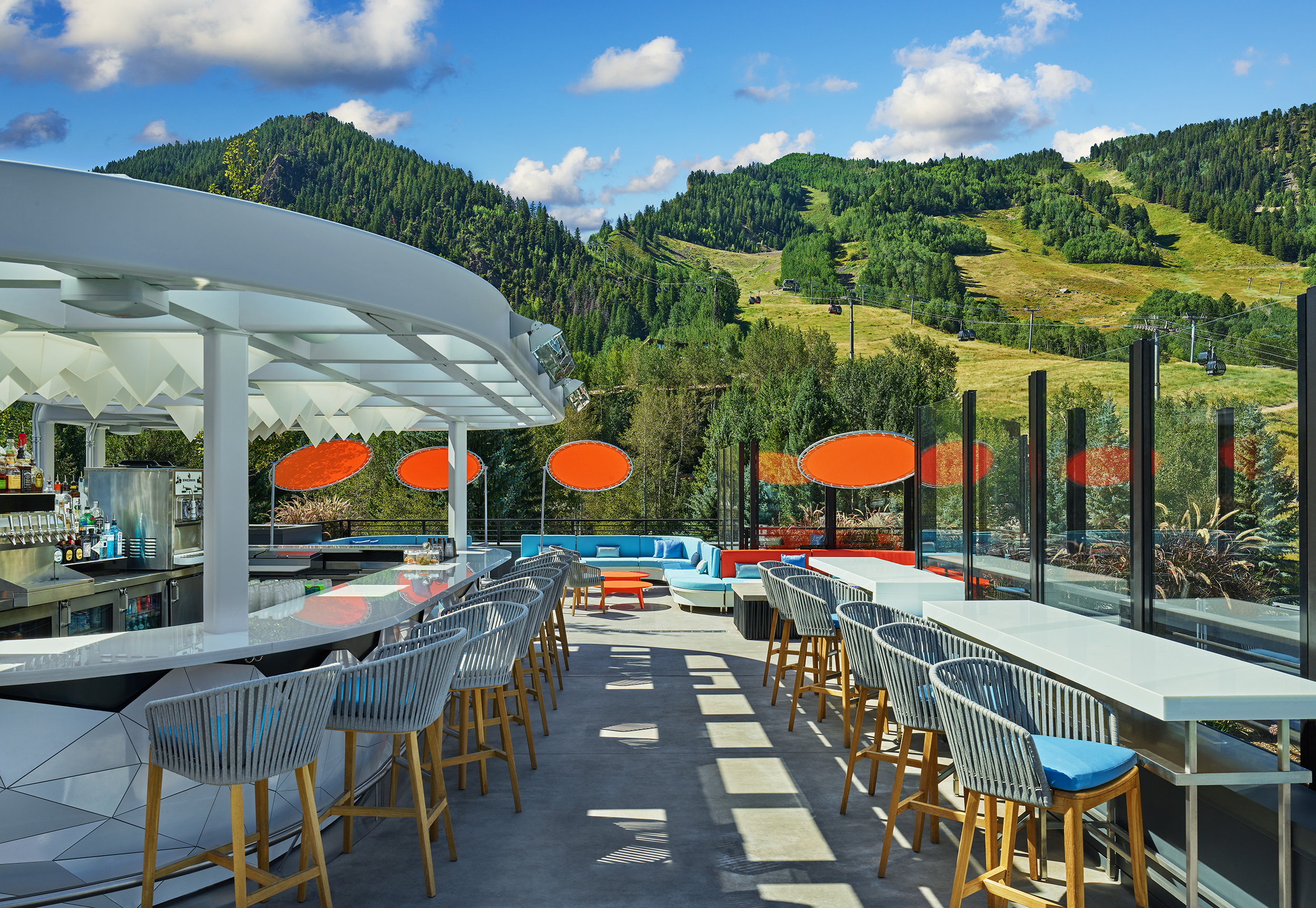
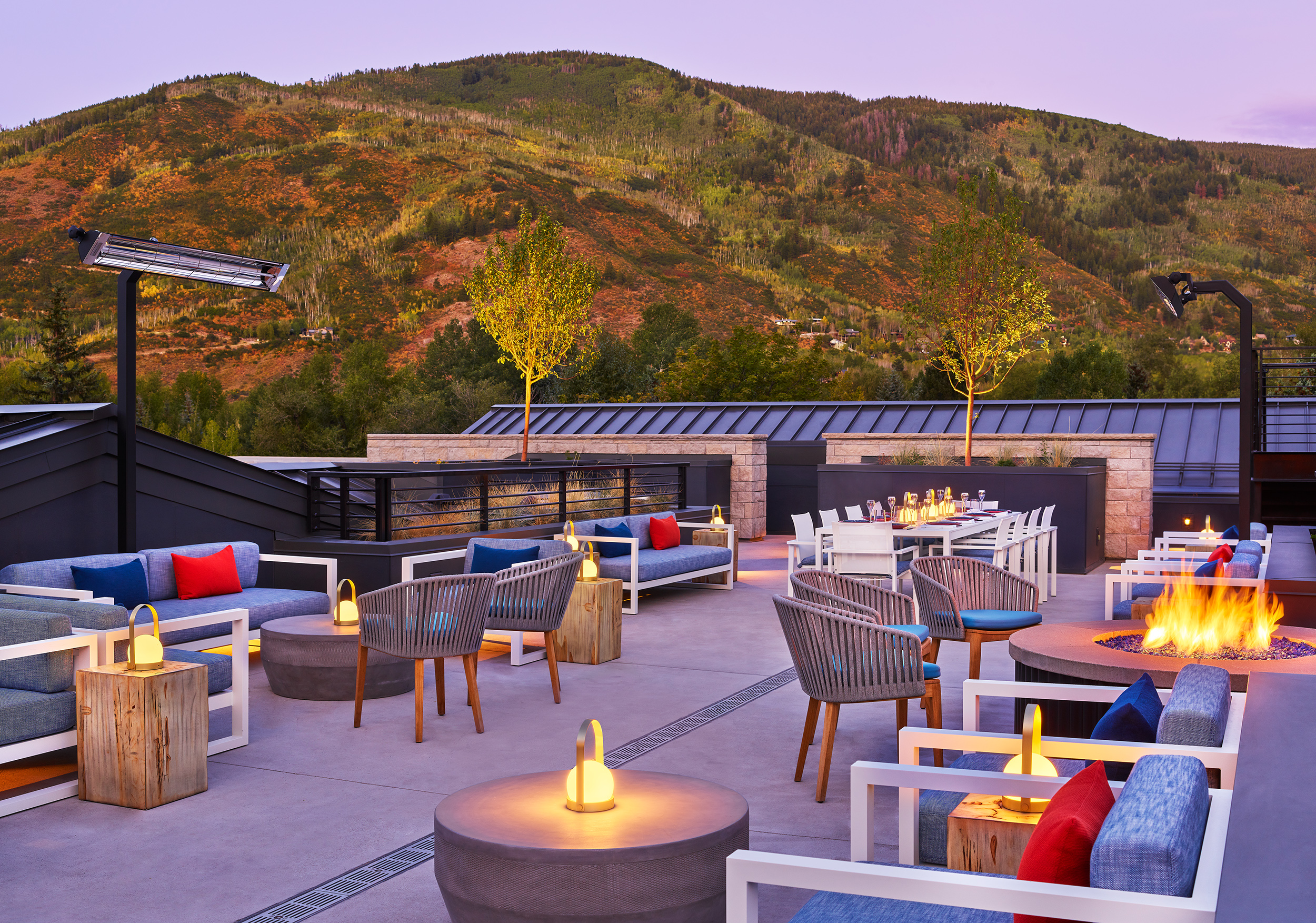
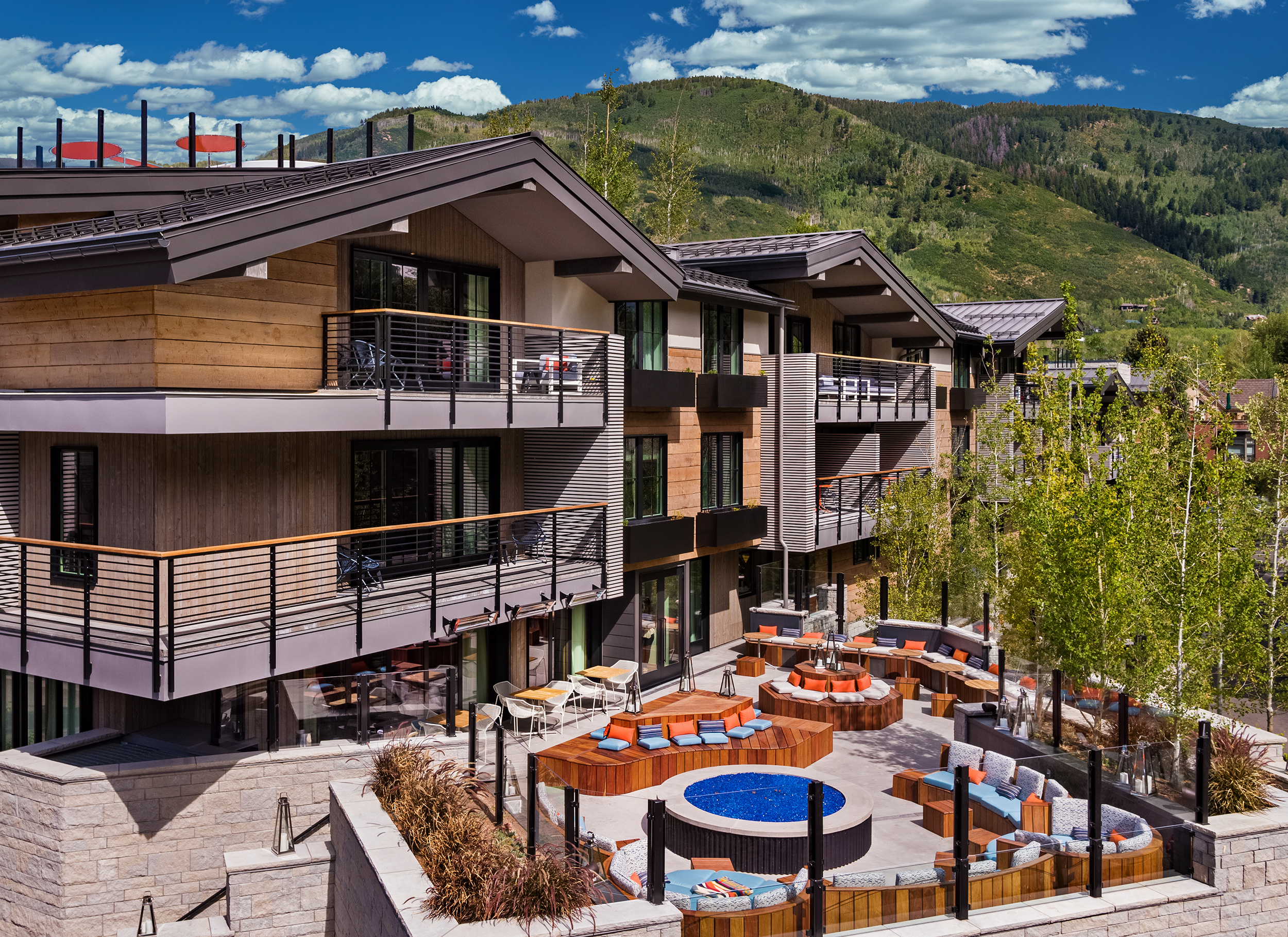
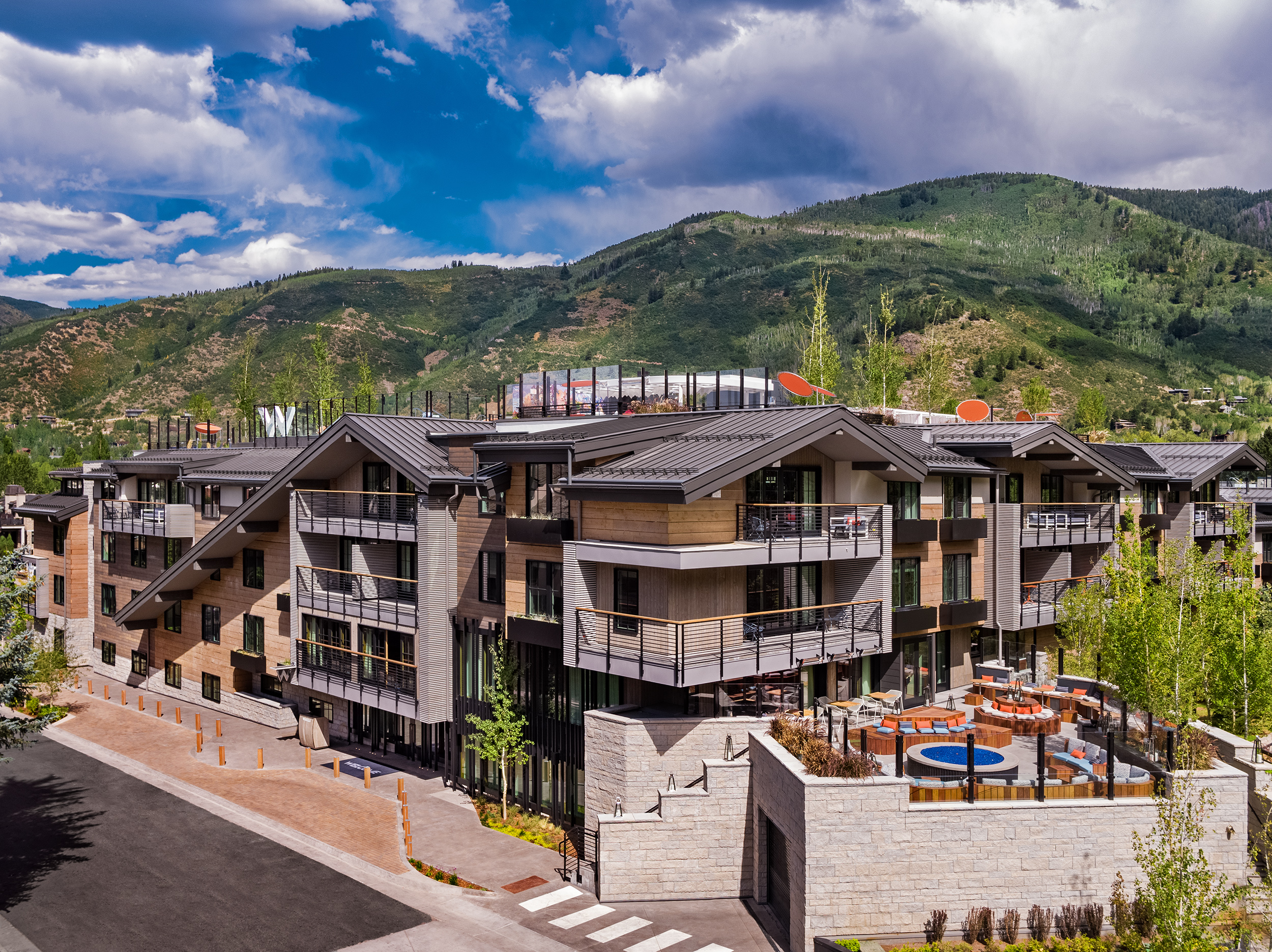
W Hotel’s first mountain escape in North America and the first new luxury Aspen hotel in 25 years, 126,000 square foot W Aspen and the Sky Residences at W Aspen builds on Aspen’s rich history and skiing heritage. Inspired by the infusion of a significant number of iconic ski chalets in the area in the 1940s-60s, R+B sought to design a modern interpretation of a traditional chalet. In addition to serving as architect in designing the modern chalet, our team played an essential role in the entitlements process and community outreach.
W Aspen is a great example of how the true spirit of a property can be maintained while elevating the experiences of the next generation of travelers and residents. The iconic chalet style was first introduced to Aspen in the 1940s and, over time, the style has been slowly eroded. The new design as a modern-day translation and renaissance of the chalet architectural style, with its sloping roofs, natural high-quality materials, many articulations and public accessed rooftop, weaves into the fabric of Aspen and contributes to the base of the mountain. The variety of amenities and thoughtfully designed public spaces at W Aspen will provide a venue and place to stay that encourages youth and fun. We are proud to be a part of such an amazing project. – John Rowland, AIA, Principal
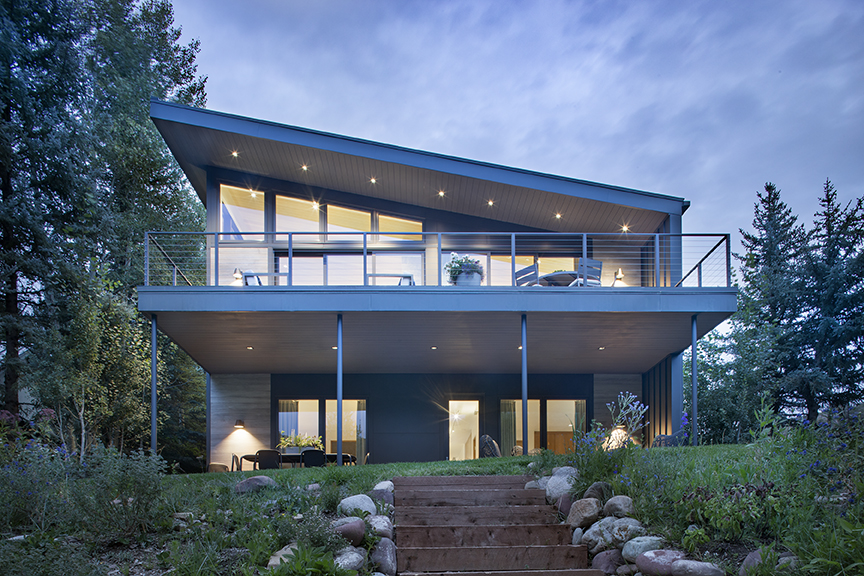
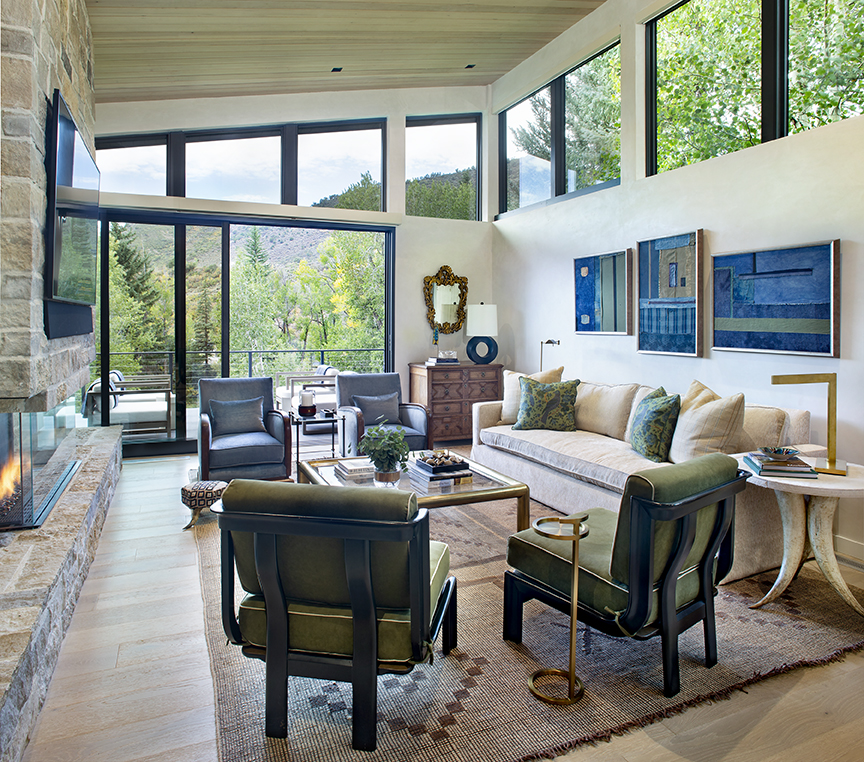
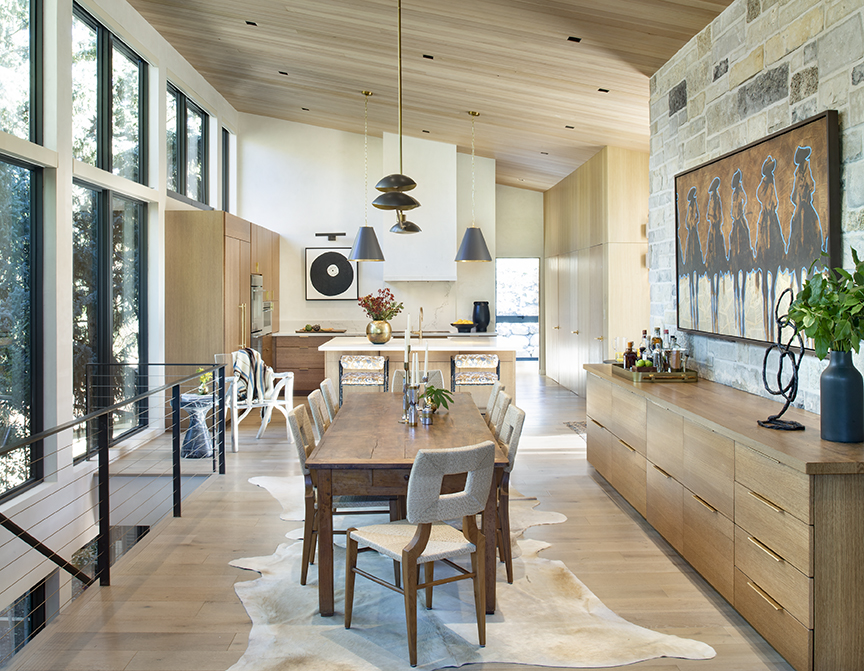
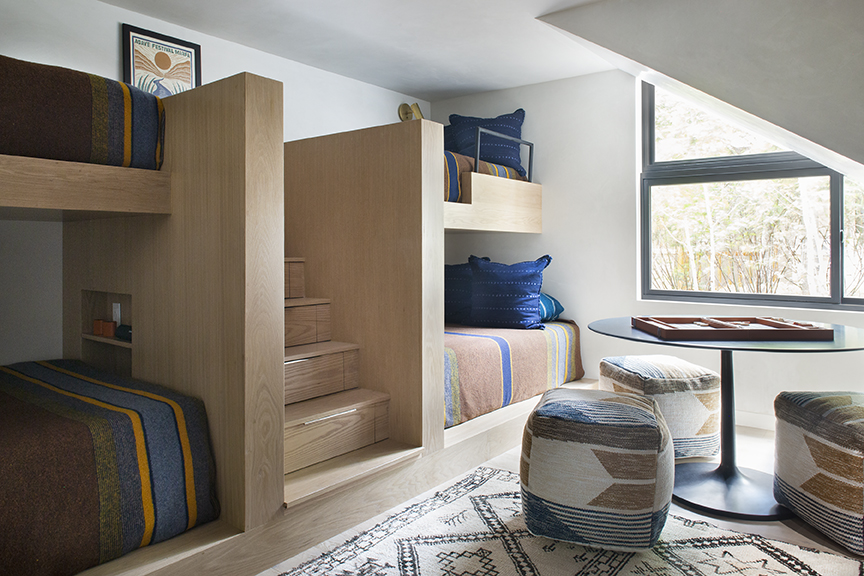
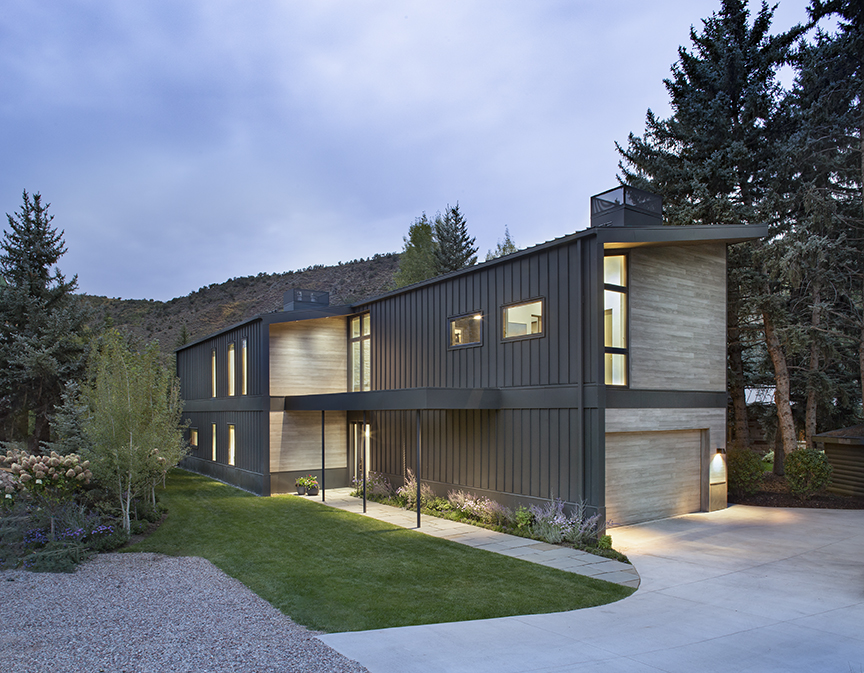
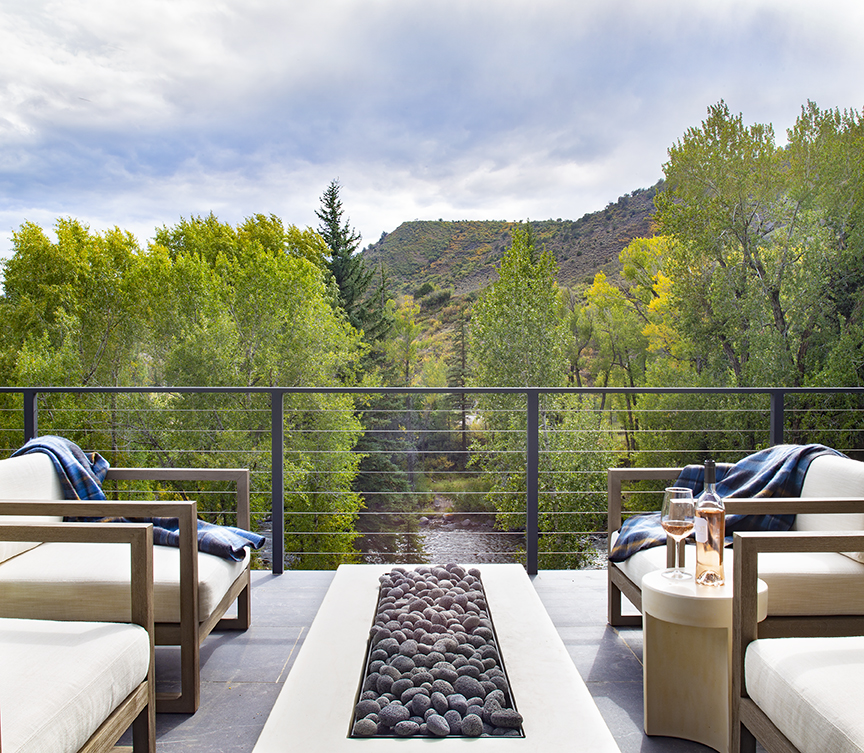
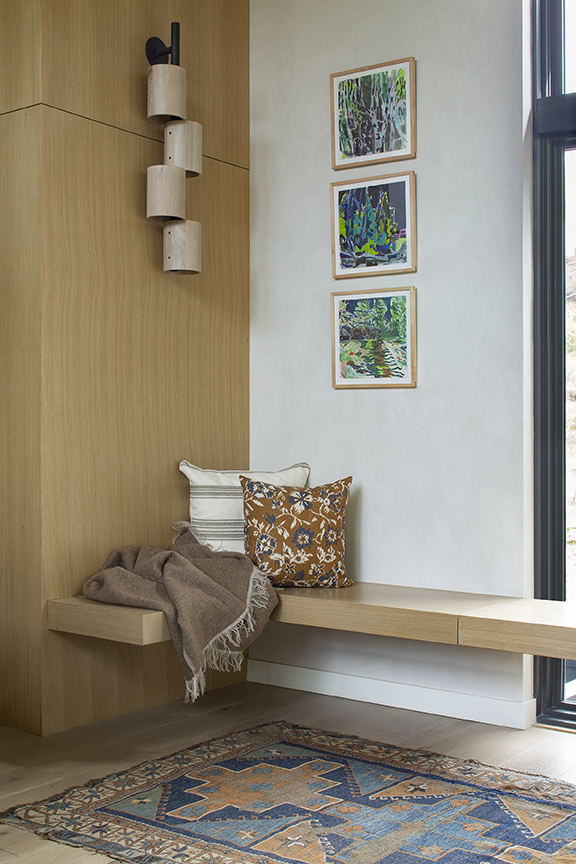
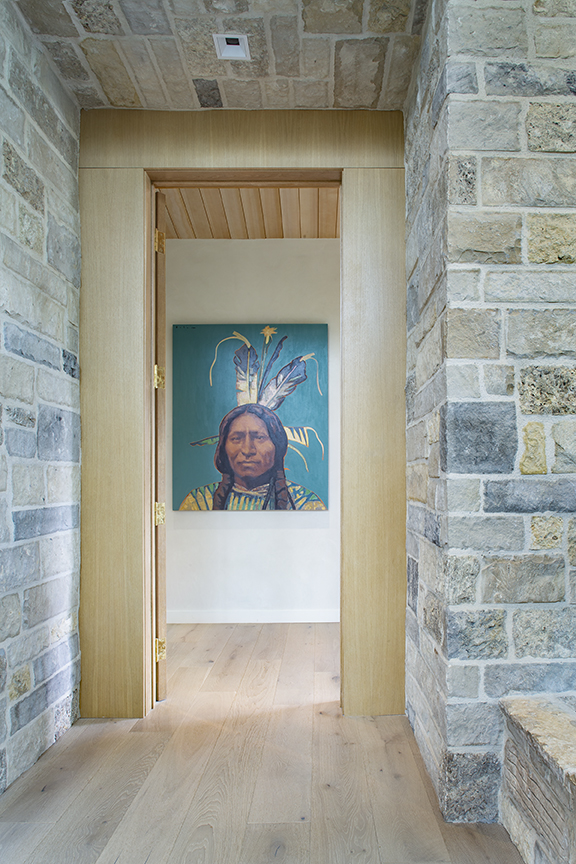
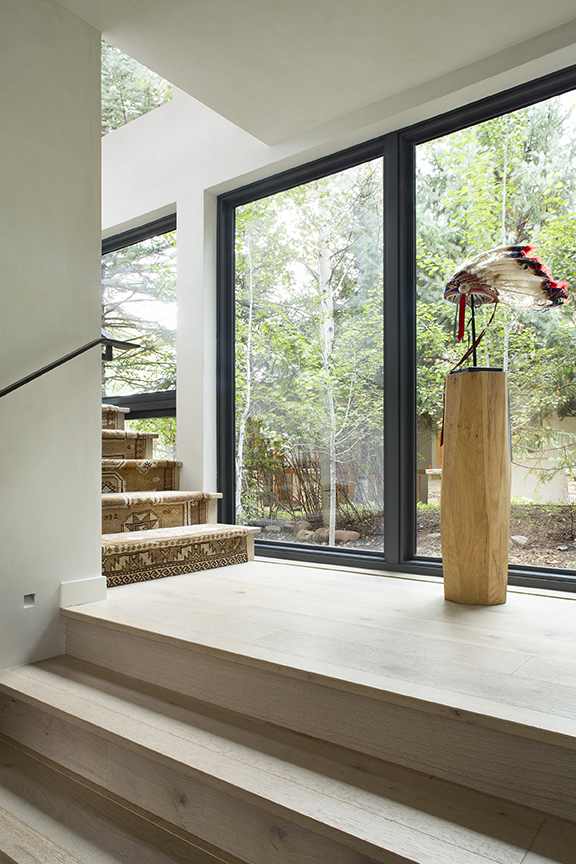
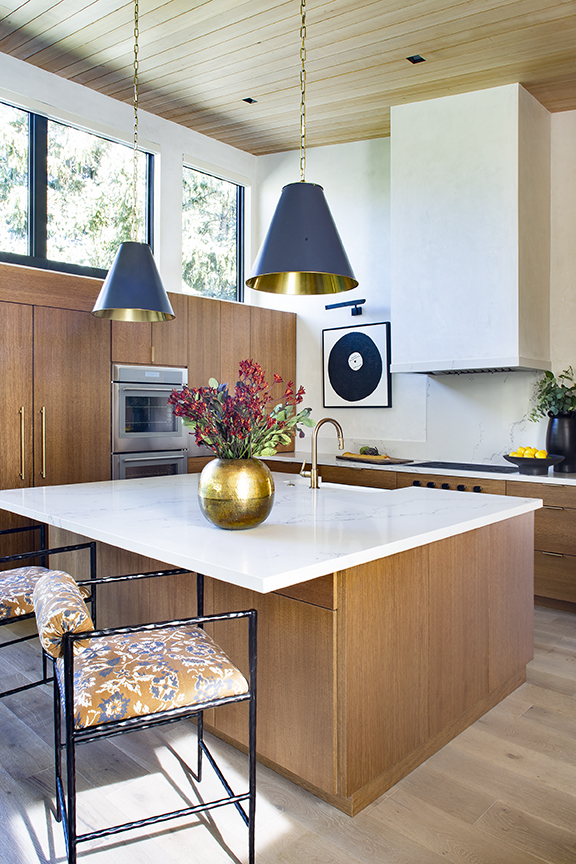
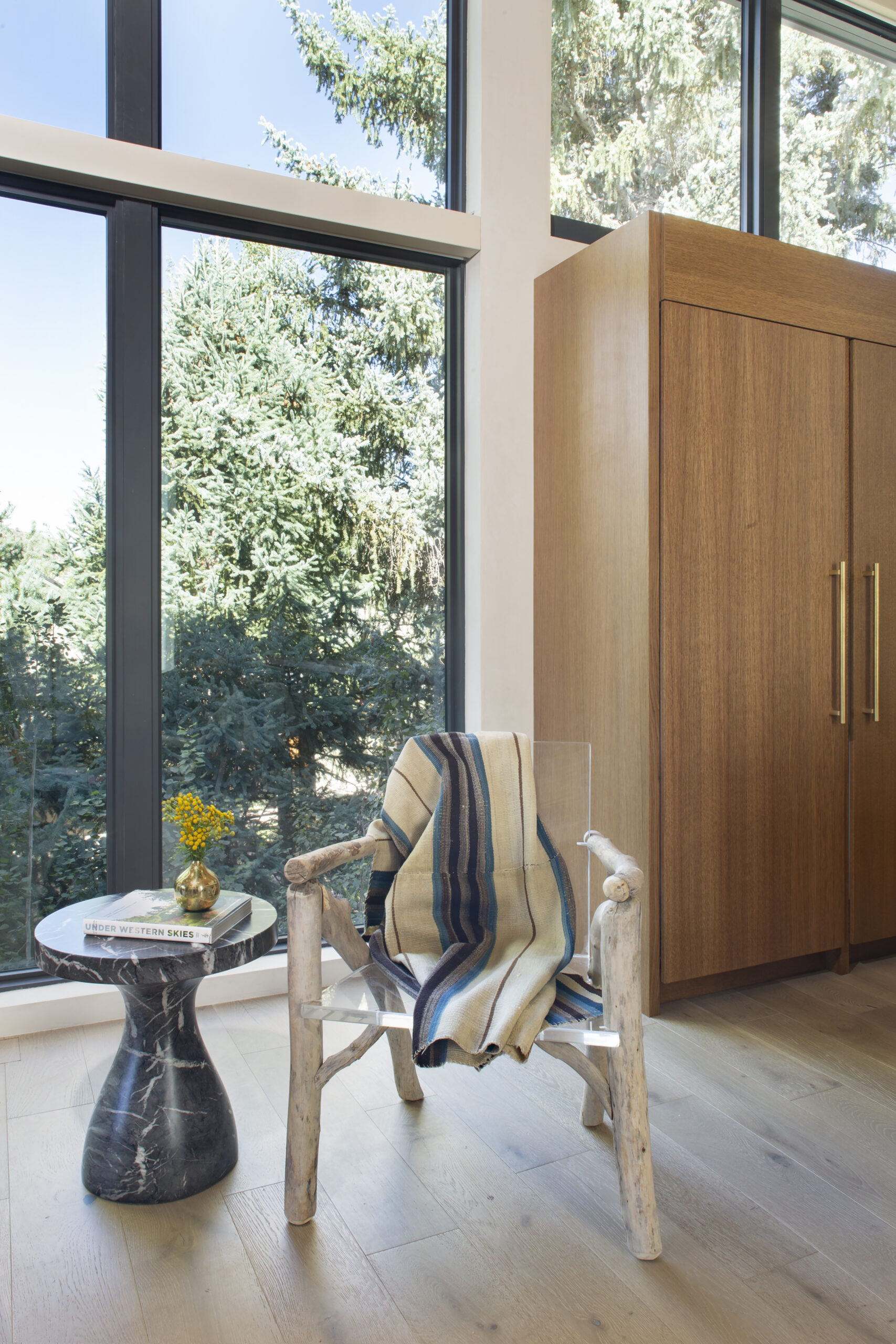
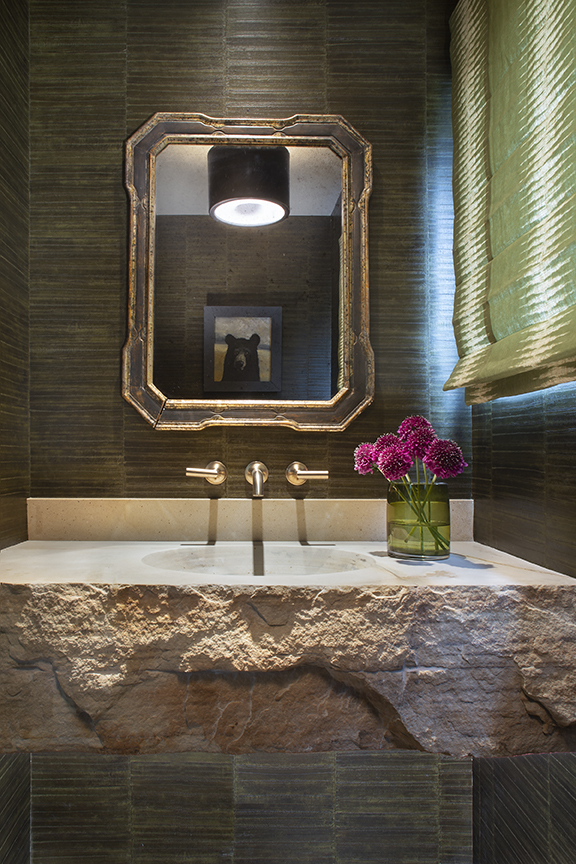
Intended as a family fishing retreat, this 3,500 square foot Aspen home sits effortlessly along the banks of the “Gold Medal” Roaring Fork River.
With the goal of embracing the narrow site while sensitively addressing budget requirements, an efficient approach was taken in regard to layout, size and details. The on-grade design was predicated upon the vision of allowing open, high-ceilinged interactive spaces for family gatherings while capturing natural sunlight and the predominant river view.
The simplicity of the shed roof form is reflective of the “11-2” arch of a fisherman’s cast. The singular bronzed grey palette and minimalist detailing of the horizontal metal skin, roof and fascia pairs perfectly with the vertical reclaimed barnwood siding. Large sliding patio doors opening onto a south-facing deck encourage indoor-outdoor living and offer direct river and mountain views.